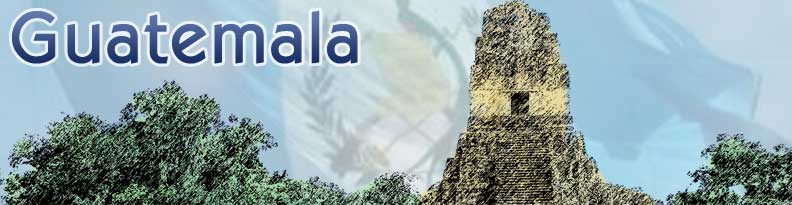
Guatemala holds the heart of the Maya world: Tikal, the older and emptier El Mirador, and a highland country of volcanoes and markets above it all.
Guatemala is where the Maya civilisation had its heart, and the country’s real treasures are in that history rather than in Guatemala City, which has the galleries, theatres and restaurants you would expect of a capital, and a notable collection of pre-Columbian art, but is not why you come.
Tikal
The great city of Tikal, a UNESCO World Heritage Site since 1979, is one of the largest Maya sites left standing. It is in the Peten basin in the north, easily reached across the border from Belize, and the temples breaking through the forest canopy are the image most people carry away from Guatemala. It dates from around the second century AD and was a serious political and economic power, which shows in what survives. Flores is the base for visiting, and there are guides at the site. I have written about Tikal at length separately.
El Mirador
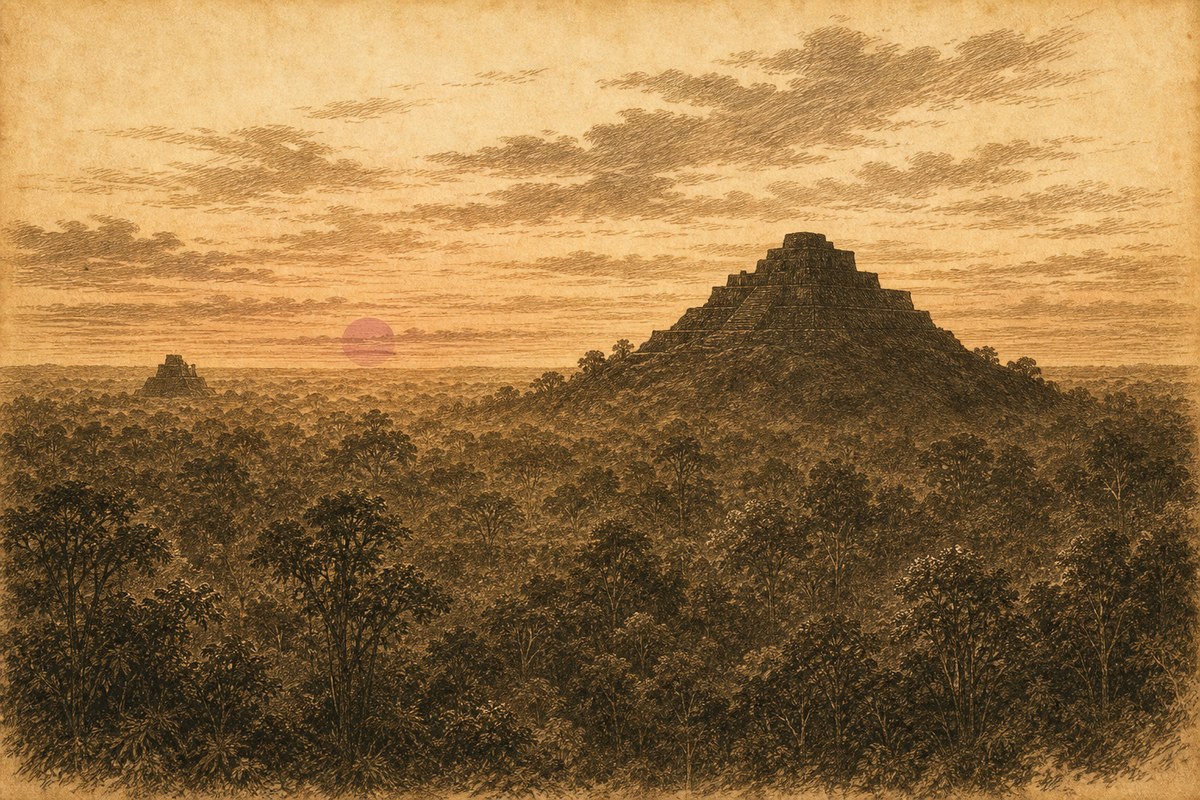
The one I would push you towards is El Mirador, in the far north of the Peten near the Mexican border. It was found in 1926, and many think it was the cradle of the whole Maya civilisation. It is over 2,000 years old and had its heyday between 150 BC and 150 AD. Its two great structures are El Tigre and La Danta, 180 and 230 feet tall, on bases of more than fourteen acres. The view from the top of El Tigre, a former temple, is one of the best I have ever seen. At sunset it was something else.
El Mirador is the more romantic of the two by a distance, trees growing straight out of the ruins, and its remoteness is exactly what makes it better than its famous neighbour. That remoteness is also the catch. There is still no road. You reach it either on a hard five-day trek through the jungle from the village of Carmelita, arranged through the local cooperative, or by helicopter from Flores in about twenty-five minutes if your budget runs to it. Avoid the rainy season, May to October, when the trek turns to mud and tours get cancelled.
The highlands
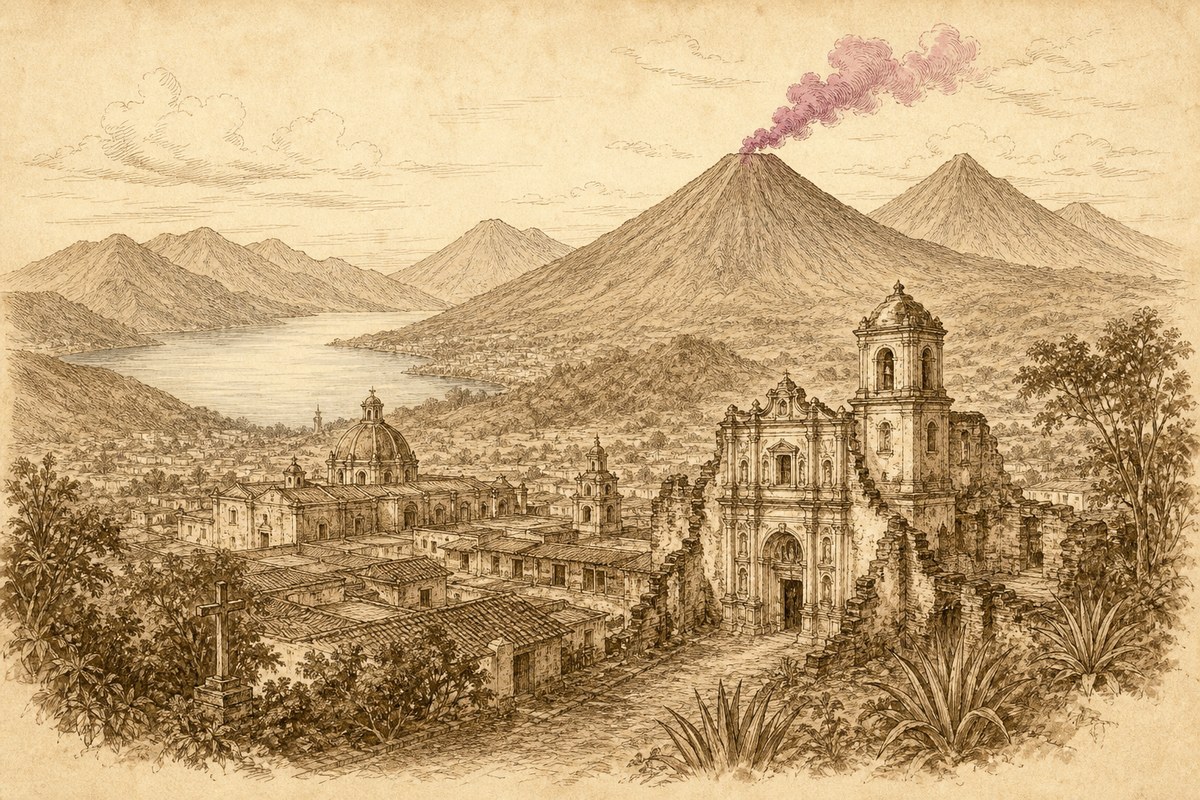
Most visitors pair the ruins with the highlands, and they should. Antigua, the old colonial capital, sits under three volcanoes and is the prettiest town in the country. Lake Atitlan, ringed by volcanoes and Maya villages, is the other fixture. Between them they are where Guatemala stops being a ruin and starts being a living place, which is the point the Tikal piece makes about the Maya never having vanished.
Key facts
- Capital: Guatemala City; the traveller’s base is usually Antigua
- The big sites: Tikal (accessible) and El Mirador (trek or helicopter only)
- Highlights beyond the ruins: Antigua and Lake Atitlan
- Best time to visit: the dry season, November to April; avoid May to October for El Mirador
- Currency: the quetzal (GTQ)
First written in 2005, updated 2026.