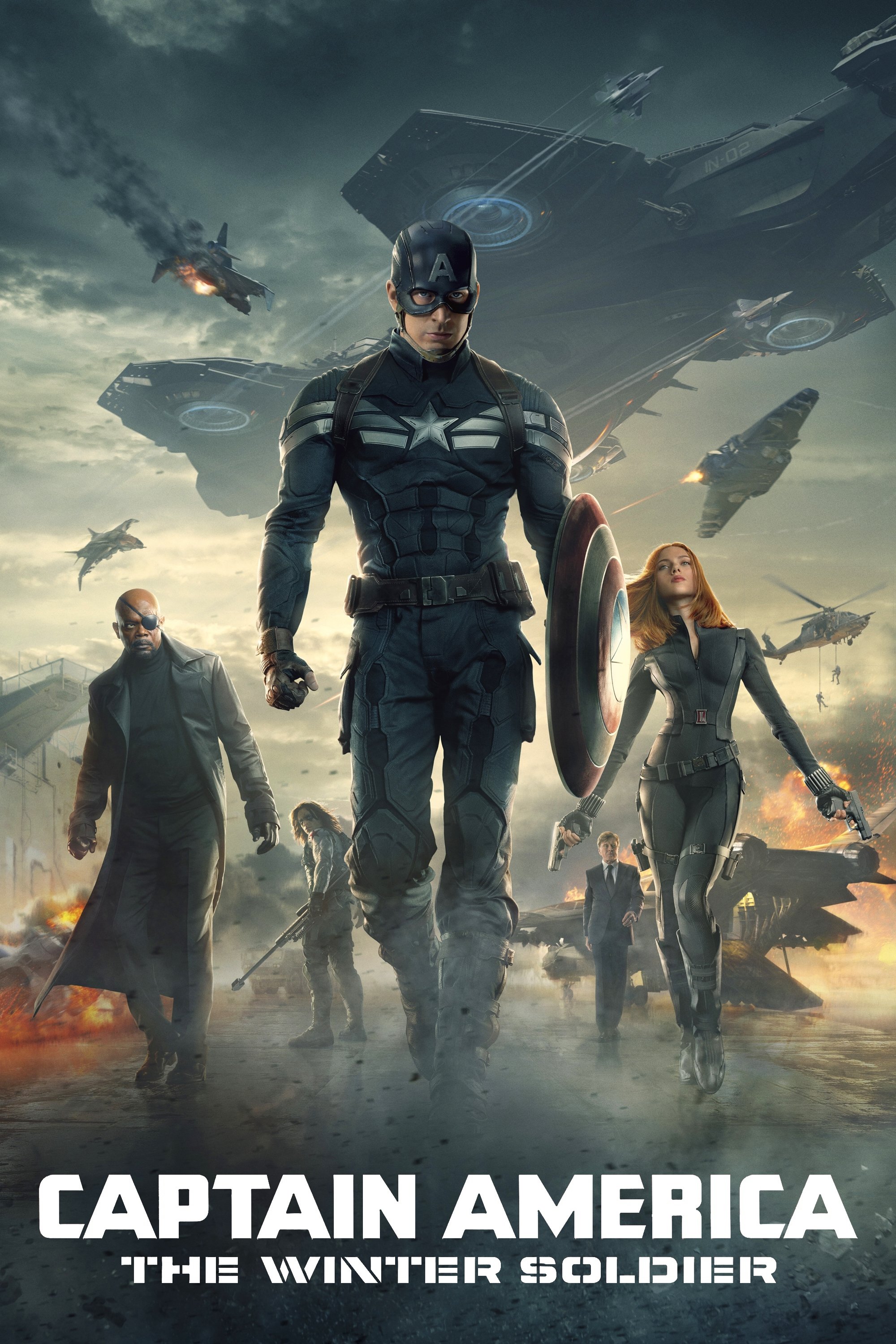
- UK release: March 2014
- Directors: Anthony Russo · Joe Russo
- Writers: Christopher Markus · Stephen McFeely
- Studio / distributor: Marvel Studios; Disney
- Genre: Superhero espionage thriller / political action · Runtime: 136 minutes (BBFC 12A)
- Main cast: Chris Evans (Captain America: The First Avenger, The Avengers) as Steve Rogers / Captain America; Scarlett Johansson (Lost in Translation, The Avengers) as Natasha Romanoff / Black Widow; Sebastian Stan (Captain America: The First Avenger) as Bucky Barnes / The Winter Soldier; Samuel L. Jackson (Pulp Fiction, Jackie Brown) as Nick Fury
- IMDb: 7.7 / 10 · Rotten Tomatoes: 90% critics / 92% audience · My rating: 8.5 / 10
Captain America is the awkward one. Of all the heroes Marvel has put on screen, the man out of time is the hardest to make interesting: too decent, too square, a flag in human form, and The First Avenger worked best when it leaned into period adventure rather than asking what a boy scout does in the modern world. The clever decision here is to stop apologising for that decency and instead drop it into the one genre that has no time for it. This is not a comic-book film with a thriller flavour. It is a 1970s paranoia thriller with a man in a costume at the centre of it, and the shift suits everyone involved.
The setup
Steve Rogers (Chris Evans) is settling uneasily into life as a S.H.I.E.L.D. operative, running deniable missions for an agency whose methods sit badly with a man raised on plainer ideas of right and wrong. When a routine extraction turns out to be anything but, and the people he answers to start behaving like the people he used to fight, Rogers finds the ground moving under him. Hunted through his own city, unsure who is still on his side, he is forced into the open alongside Natasha Romanoff (Scarlett Johansson) and a new ally, while a silent, masked assassin called the Winter Soldier is sent to bring him down. The less said about who that assassin is, the better, but the film ties the question to Rogers’s own past in a way the marketing has been careful not to give away.
The cast
Evans is the surprise. Asked to carry more weight than the broad heroics of the first film, he gives Rogers a quiet, watchful gravity, a man whose moral certainty reads less as naivety here and more as the only fixed point in a story where everyone else is hedging. Johansson finally gets a Black Widow worth the name, sparring with Rogers as an equal and an opposite: she lies for a living, he cannot, and the friction between those two settings is the most enjoyable relationship in the film. Sebastian Stan says almost nothing as the Winter Soldier and is genuinely unnerving for it, a blank weapon with one flicker of something underneath. Samuel L. Jackson, so often used as set dressing, gets a proper sequence of his own and reminds you why you cast him. Robert Redford, playing a senior S.H.I.E.L.D. man, is the masterstroke: his presence drags the whole thing toward the conspiracy cinema of his own back catalogue, and he knows exactly what he is being used for.
The craft
The Russo brothers come from television comedy, which sounds like a warning and turns out to be a strength. They shoot action you can follow. The early lift hijack, a brutal close-quarters fight in a lift, and a motorway ambush are staged for clarity and impact rather than blur, with real stunt weight behind them, and the Winter Soldier himself moves with a horrible, unhurried efficiency. Trent Opaloch’s photography keeps Washington cold and institutional, all glass and grey, and Henry Jackman’s score swaps the brassy heroism of the first film for a clipped, electronic menace whenever the assassin appears. At 136 minutes it carries a fair amount of plot, and the middle act asks you to keep several agencies straight, but the film moves with intent and rarely stops to admire itself.
How it stacks up
The reference points are the obvious ones and the film wears them openly: Three Days of the Condor and The Parallax View, the surveillance-state thrillers where an ordinary operative discovers the institution itself is the threat. Casting Redford is the wink that confirms it. Closer to home it shares the grounded, kinetic hand-to-hand language of the Bourne films, and it is plainly the most adult thing Marvel has attempted, a long way from the weightless spectacle of Iron Man 2. Set beside The Avengers, which had to spend half its running time getting its team into the same room, this is leaner and more purposeful. It is also a sharper film than The First Avenger, which I liked a great deal for its earnest wartime swing but which never had this much on its mind.
Critics versus the rest of us
Critics are unusually united, sitting around 90%, with audiences a shade higher, and for once the praise is for the things that matter rather than the spectacle. The common line is that this is Marvel growing up, using a superhero to smuggle in real anxieties about security, surveillance and who gets to decide what safety costs. I am with them, though I would add the thing the reviews tend to undersell: it is also just a properly satisfying thriller, the kind you would happily watch knowing nothing about the wider franchise. The connective tissue to the rest of the series is there, but it never holds the film hostage.
Verdict
This is the one that makes the case for the whole enterprise. It takes the least promising hero in the stable, hands him a paranoid political thriller with genuine ideas in it, and trusts the audience to keep up. The espionage framing, the surveillance theme, the cold institutional atmosphere and the clean, legible action are all squarely the sort of thing I come back to, and I will come back to this. It loses a little in a busy third act that has to remember it is still a comic-book film, which is the only thing keeping it off the very top shelf. The best film Marvel has made, and proof the studio can do more than spectacle. 8.5⁄10.
Availability: On general release in UK cinemas now. Worth the big screen for the action, though it will play just as well at home when it reaches disc later this year.
Update
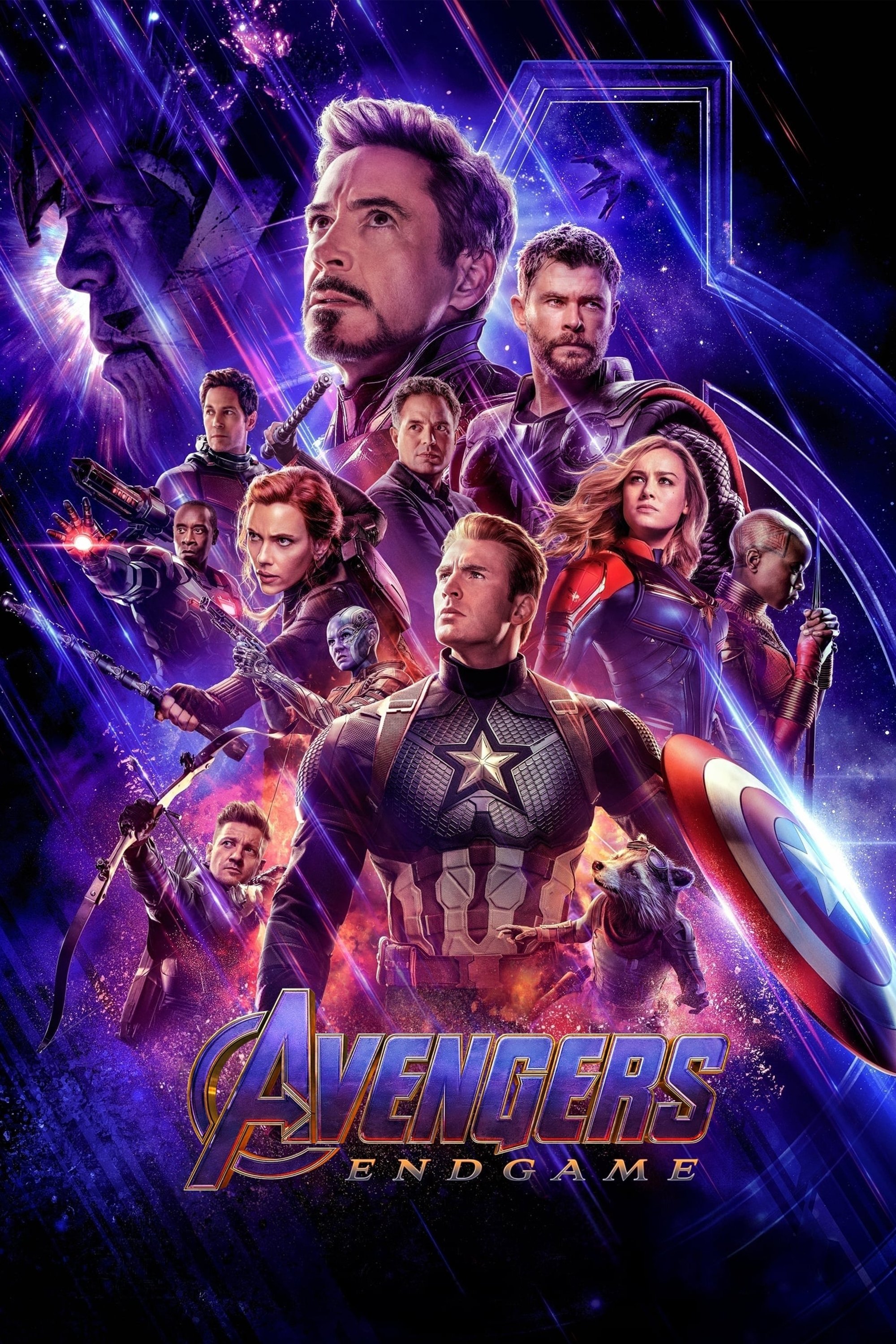
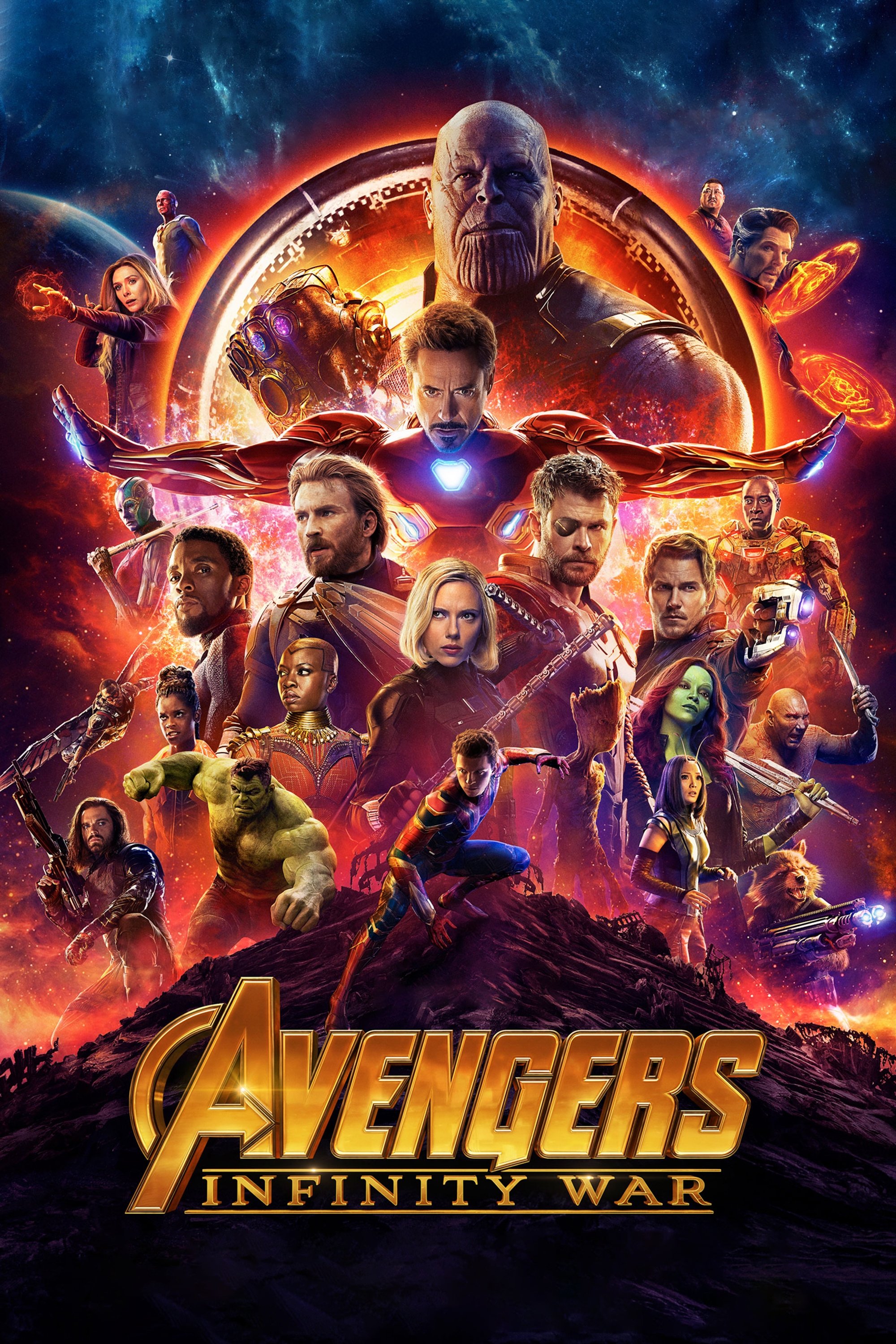
Added since this review first appeared: the Russo brothers parlayed this into the two biggest films of the franchise, Avengers: Infinity War (2018) and Endgame (2019), and the conspiracy-thriller register they established here became the template Marvel reached for whenever it wanted to be taken seriously. The Winter Soldier himself went on to anchor his own television series. The film has settled into its reputation as the high-water mark of the studio’s middle period, and the one its admirers point to first. It now streams on Disney+ and is widely available on disc and digital.
BBFC content advice
Rated 12A by the BBFC for moderate violence. The work was passed uncut. The notes below may contain spoilers.
Violence: Frequent scenes of moderate action violence include battles between Captain America and various enemies in which he uses his shield to strike them, or fights with martial arts punches and kicks. Many characters are also shot or, occasionally, struck with knives but in the majority of these scenes there is no blood or visible injury. Some scenes do show small bloody cuts on faces and blood staining clothes, but there is no focus on the blood and, again, no sight of injuries. There are also multiple explosions in which cars and aircraft are destroyed.
Note: the BBFC release page was not directly reachable at the time of writing; the rating (12A), the consumer advice line and the Violence content advice above were taken verbatim from the BBFC classification record. Other category headings could not be retrieved.
Source: British Board of Film Classification (bbfc.co.uk).