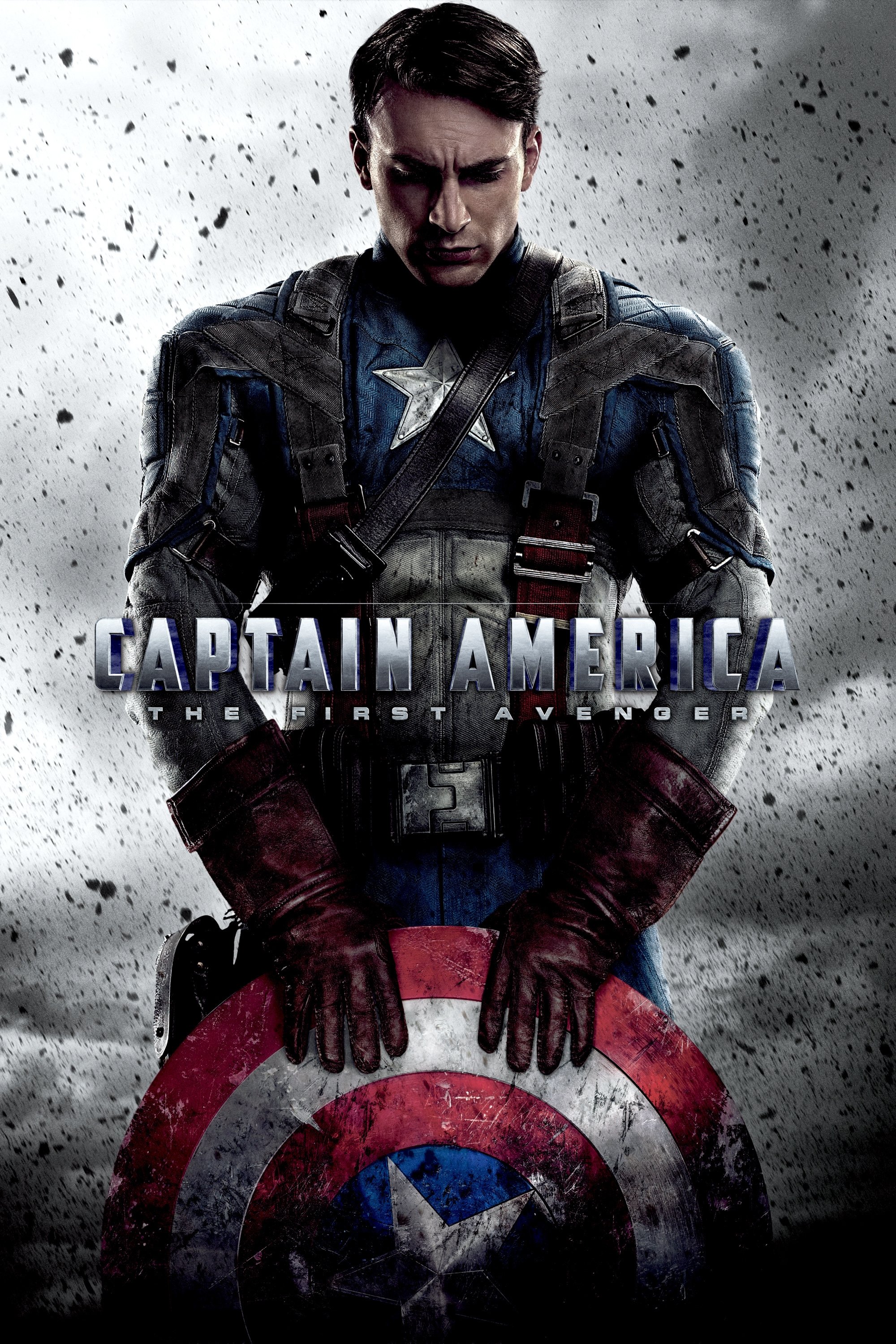

- UK release: July 2011
- Director: Joe Johnston · Writers: Christopher Markus, Stephen McFeely
- Studio / distributor: Marvel Studios; Paramount Pictures
- Genre: Superhero adventure / wartime pulp action · Runtime: 124 minutes (BBFC 12A)
- Main cast: Chris Evans (Fantastic Four, Sunshine) as Steve Rogers; Hayley Atwell (Brideshead Revisited, The Duchess) as Peggy Carter; Hugo Weaving (The Matrix, The Lord of the Rings) as Johann Schmidt / Red Skull; Sebastian Stan (Black Swan) as Bucky Barnes; Tommy Lee Jones (The Fugitive, Men in Black) as Colonel Phillips
- Rotten Tomatoes: 80% critics / 74% audience · My rating: 9 / 10
Of all the heroes Marvel has been working through since Iron Man opened the run three years ago, Captain America was always the awkward one. A flag-draped soldier from 1942 is a harder sell than a wisecracking billionaire, and the easy version of this film is two hours of square-jawed patriotism. What lands instead is the most surprising choice on the table: Marvel handed the character to Joe Johnston, the man who made The Rocketeer, and asked him to build an honest period adventure rather than a modern blockbuster wearing a vintage costume. The result is the warmest film the studio has put out so far.
The setup
Steve Rogers is a slight, sickly young man from Brooklyn who keeps trying to enlist and keeps being turned away. What he has instead of a body is a stubborn refusal to back down from a fight he cannot win, and that is the quality a German emigre scientist is looking for when he picks Steve for an experimental programme that turns him into the army’s first super soldier. The military, not knowing what else to do with him, packs him off as a costumed mascot selling war bonds. Only when he goes off-script to rescue captured men does he become an actual soldier, set against Hydra, the Nazi science division run by Johann Schmidt, whose ambitions have outgrown even Hitler’s.
The cast
Chris Evans does the hardest thing in the film before the serum ever touches him. The early scenes graft his head onto a frail, narrow frame, and he plays Steve as decent without being dull, brave without being a poster. The decency is the performance, and it carries through the transformation so that the hero never stops being the runt who would not stay down. Hayley Atwell’s Peggy Carter is the film’s other anchor, an officer with more competence and dry wit than anyone around her, and she and Evans build a courtship out of restraint rather than declarations. Hugo Weaving plays Schmidt as a proper old-fashioned villain, relishing the menace without winking at it, his clipped delivery doing as much work as the prosthetics. Sebastian Stan gives Bucky Barnes the easy charm of the friend who shielded Steve before Steve could shield anyone, and Tommy Lee Jones walks off with most of his scenes as a colonel who has run out of patience for everybody.
The craft
Johnston shoots this like the serial adventures it descends from. Shelly Johnson’s cinematography keeps everything warm and burnished, the Hydra technology glows with pulp-magazine menace, and the period design, from the Stark Expo to the bond-tour stages, is detailed enough to enjoy in its own right. Alan Silvestri’s score is unembarrassed and rousing in the way this genre needs, and the bond-tour montage, with its painted backdrops and showgirls, is the most purely charming stretch of film Marvel has produced. The action is clean and legible, built around a man with a shield rather than around explosions. If there is a weak seam it is the final act, where the practical world gives way to a more digital, more generic climax, the kind of effects-driven finish every one of these films seems contractually obliged to supply.
How it stacks up
The obvious comparison is Johnston’s own The Rocketeer, another handsome 1940s adventure with a flying man and Nazi villains, and this feels like the film he always wanted that one to be. It sits closer to Raiders of the Lost Ark than to the rest of the Marvel run: a square hero, a clear evil, gadgets and globe-hopping and a streak of real sincerity. Against the studio’s own output it is the inverse of Iron Man. Where that film won people over with irony, this one wins them with conviction, and asks you to take an honestly good man at face value. That is the riskier bet, and it pays off.
Critics versus the rest of us
The reviews are warm but a touch grudging, sitting around 80% from critics with audiences a little behind. The recurring complaint is that the film works too hard as a prologue, more interested in delivering Captain America to the team-up film coming next summer than in standing on its own. There is a kernel of truth in the framing, and the closing stretch does its share of franchise housekeeping. But it undersells how complete the film is. The bond-tour conceit, the Steve-and-Peggy thread and the friendship with Bucky all stand up entirely on their own terms. Audiences scoring it lower than the critics seems to me exactly backwards.
Verdict
This is the Marvel film I expect to return to most. It is sincere without being naive, handsome without being airless, and built around a hero whose appeal is moral rather than ironic, which is rarer and harder than it looks. The digital climax is the one real misstep, and the franchise plumbing in the final minutes is visible. Set against everything the film does with period, character and tone, neither dents it much. I value rewatchability above almost anything, and this is a film I will put on again happily, for the bond tour and Atwell’s Peggy and the unfashionable pleasure of a hero you are simply allowed to like. 9⁄10.
Availability: On general release in UK cinemas now, in 2D and 3D.
Update
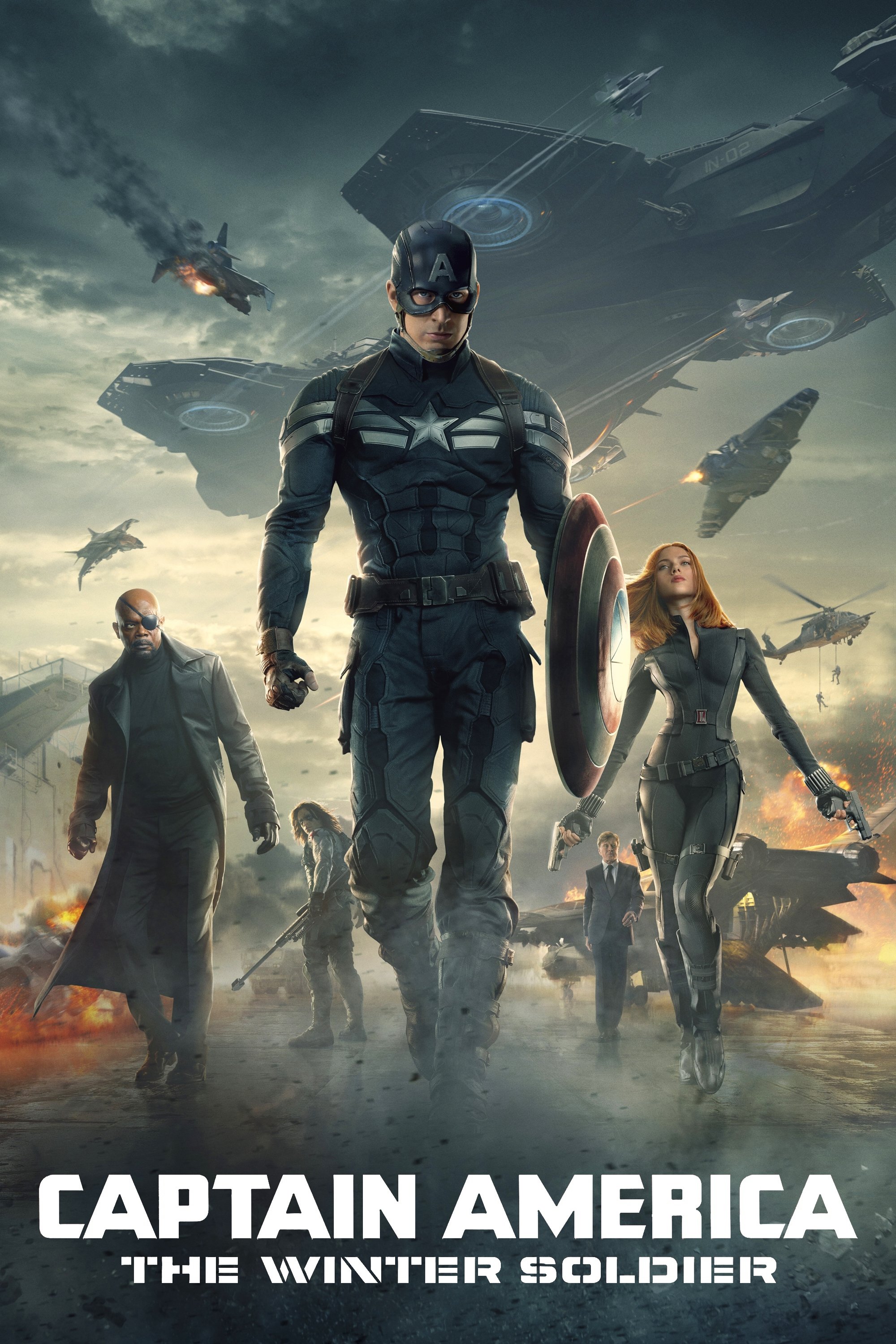
Added since this review first appeared: the film turned out to be the foundation of one of the most durable strands in the Marvel run. Captain America: The Winter Soldier (2014) repaid the friendship set up here with the franchise’s best straight thriller, and Hayley Atwell’s Peggy Carter earned her own television series, Agent Carter, on the strength of this performance. The slightly grudging “prologue” framing has aged worse than the film has. It is now available on disc and digital and streams on Disney+ depending on region.
BBFC content advice
Rated 12A by the BBFC for moderate violence. The notes below may contain spoilers.
Violence: There are lengthy fight sequences featuring crunchy kicks and punches, as well as scenes of gunfire in which people are killed, but this is mostly without bloodshed, although there is brief sight of a small bloody hole in a man’s back. A brief spray of blood is also visible when a man hits an aeroplane propeller.
Threat and horror: There is moderate threat, including a scene in which a man is tied to a laboratory table and forced to undergo experimentation on his body. There is a brief scene of horror when a man peels back his human face mask to reveal a reddened skull underneath.
Language: Mild bad language includes uses of the terms ‘bloody’, ‘ass’, ‘merde’ and ‘jerk’.
Sex: Mild and oblique sexual references include two characters discussing how they have not yet found the right partner with whom to ‘dance’.
Injury detail: There is sight of blood in the aftermath of violence.
Alcohol and smoking: Adult characters drink alcohol and smoke cigars.
Source: British Board of Film Classification (bbfc.co.uk).