
- UK release: July 2025
- Director: Gareth Edwards · Writer: David Koepp
- Studio / distributor: Universal Pictures; Amblin Entertainment; Kennedy/Marshall
- Genre: Science fiction adventure / creature thriller · Runtime: 133 minutes (BBFC 12A)
- Main cast: Scarlett Johansson (Lost in Translation, Black Widow) as Zora Bennett; Mahershala Ali (Moonlight, Green Book) as Duncan Kincaid; Jonathan Bailey (Bridgerton, Wicked) as Dr Henry Loomis; Rupert Friend (Homeland) as Martin Krebs; Manuel Garcia-Rulfo (The Magnificent Seven) as Reuben Delgado
- IMDb: 5.8 / 10 · Rotten Tomatoes: 51% critics / 72% audience · My rating: 8 / 10
The Jurassic World trilogy spent three films getting steadily heavier, until Dominion collapsed under the weight of legacy cameos, militarised locusts and a plot nobody could summarise on the way out of the cinema. So the smartest decision behind Rebirth was made before a frame was shot: hand the keys to Gareth Edwards, the director who turned Godzilla into a film about scale and dread rather than wrestling, and let David Koepp, who wrote the original Jurassic Park, strip the thing back to a survival picture. The franchise stops trying to be a saga and remembers it is, at heart, a film about people in the wrong place with very large animals.
The setup
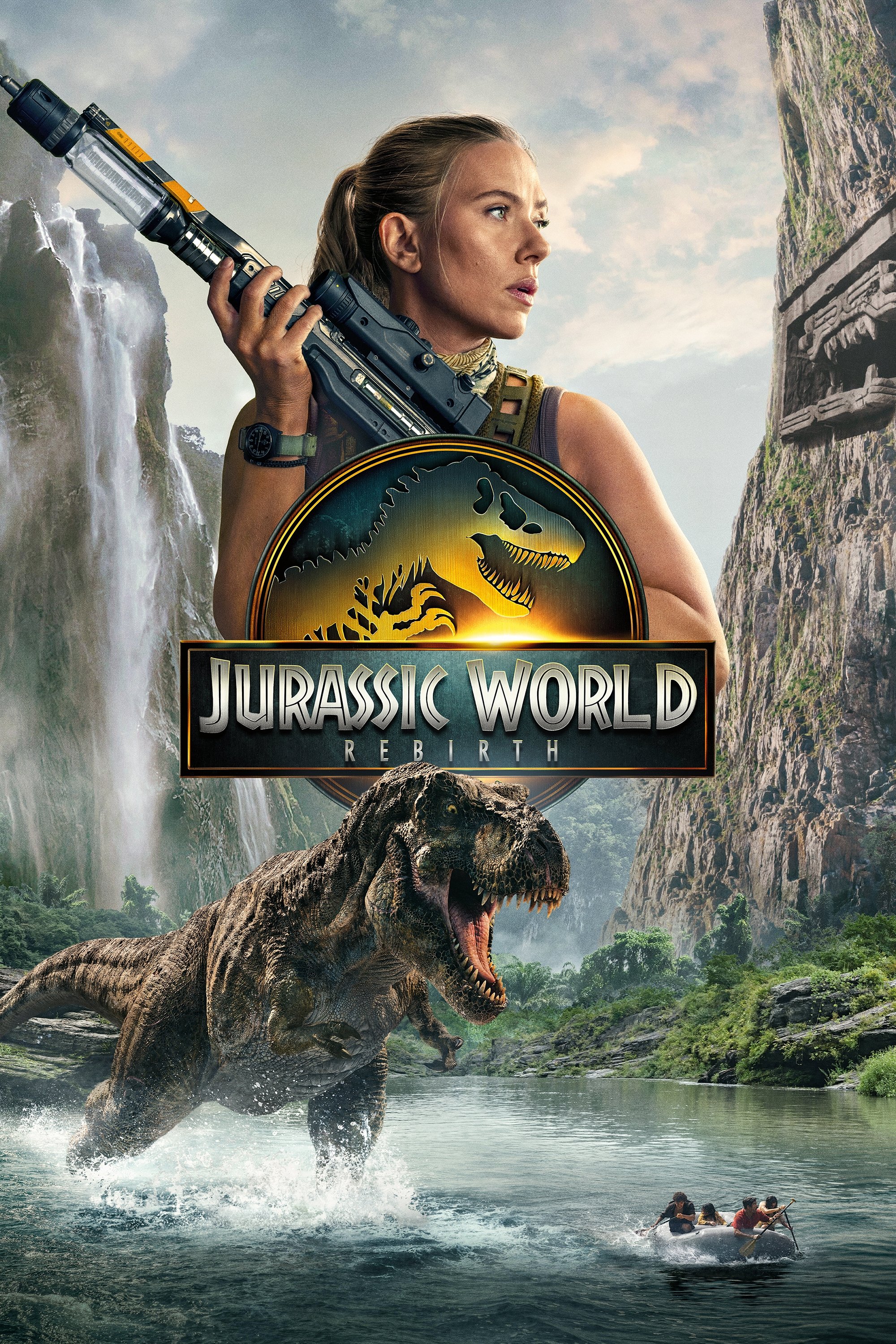
Five years on from the events of the previous films, the dinosaurs that escaped into the wider world have mostly died off, unable to cope with a climate that no longer suits them. The survivors cluster around the equator, on the ruins of the old research islands, where the air is hot enough to keep them alive and the law conveniently cannot reach. A pharmaceutical company wants genetic samples from the three largest creatures, by sea, by land and in the air, because their blood may hold the key to a heart-disease drug worth a fortune. Covert operative Zora Bennett (Scarlett Johansson) is hired to lead the snatch-and-grab, with palaeontologist Dr Henry Loomis (Jonathan Bailey) along to point at the right animals and corporate man Martin Krebs (Rupert Friend) to keep an eye on the money.
What turns the job sour is a civilian family, a father and his daughters adrift after their boat is wrecked, who get folded into the expedition and onto an island that earlier experiments left behind. The genetic material is the errand. Getting everyone off the island alive is the film.
The cast
Johansson is exactly the right sort of lead for this: dry, capable, unbothered, an action presence who has done the covert-operative register often enough that she can hold a scene without raising her voice. She anchors the film without ever pleading for your sympathy. Mahershala Ali, as her old colleague Duncan Kincaid, brings a weariness that gives the team some weight, a man who has buried people and expects to bury more. Jonathan Bailey is the find of the picture, playing the scientist as a wide-eyed enthusiast who is genuinely thrilled to be near the creatures even as they try to eat him, and he supplies the one thing the modern entries keep forgetting: wonder. Rupert Friend does smooth, expendable corporate menace with relish. The family, led by Manuel Garcia-Rulfo, exist mainly to be endangered, but they are sketched well enough that the jeopardy lands.
The craft
This is where Edwards earns his fee. John Mathieson shoots the equatorial setting for real heat and real distance, and the film keeps finding compositions that put a tiny human against an enormous, indifferent animal, which is the shot the whole series lives or dies on. A river sequence with a half-submerged predator, and a long set piece around an abandoned laboratory, are the best suspense the franchise has staged since the first film’s kitchen. Edwards understands that a dinosaur is scariest when you can only partly see it, and he is patient with the build before he lets the thing loose. Alexandre Desplat takes over the score and is shrewd enough to deploy John Williams’ original theme sparingly, so that when it does swell it still raises the hair on your arms. At 133 minutes the film is tight, moving between its three target animals with a clarity Dominion never managed.
How it stacks up
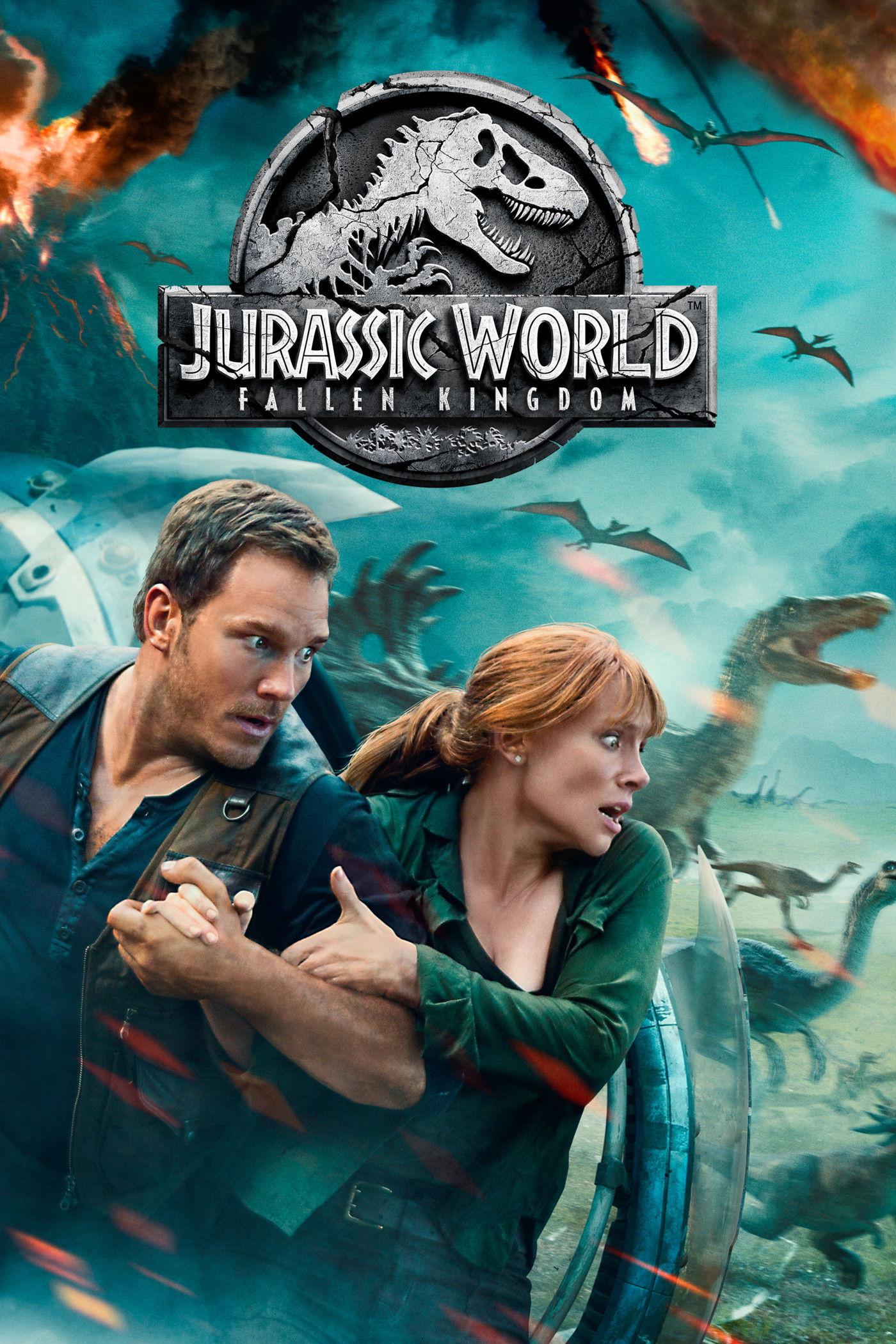
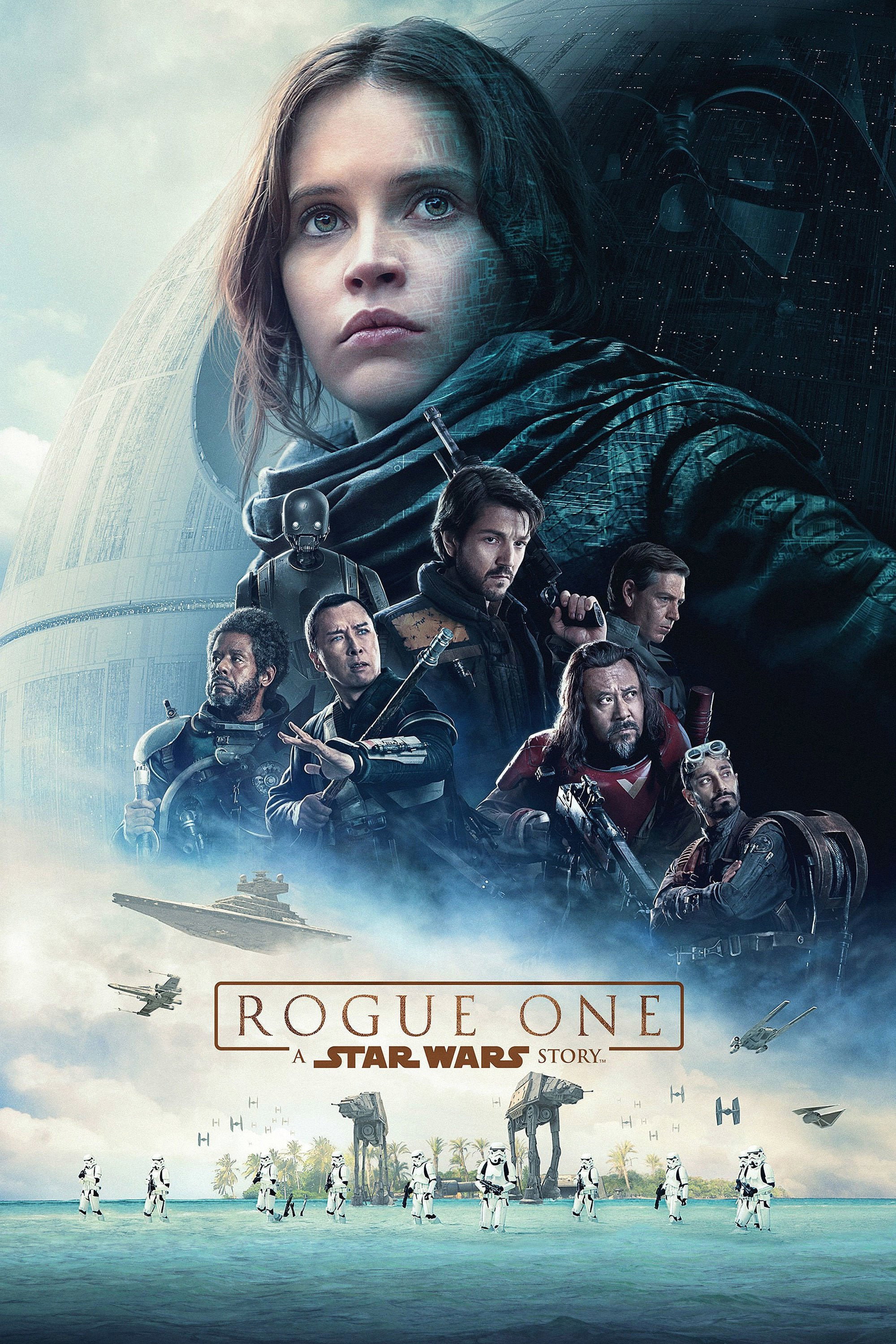
The obvious measure is the 1993 Jurassic Park, and Rebirth sensibly does not try to win that fight; nothing will recapture the first sight of a living dinosaur. What it does instead is borrow that film’s grammar, the slow reveal, the wet undergrowth, the children in peril, and apply it with modern craft. The closer comparison is The Lost World, the other entry built around an expedition into hostile green country, and Rebirth is the more controlled film of the two. Set it beside Edwards’ own work and the lineage is clear: the human-scale awe of Godzilla and the grubby, lived-in textures of Rogue One are both here, pointed at dinosaurs.
Critics versus the rest of us
Critics have landed around 51%, audiences a good deal warmer at 72%, and that gap tells the story. The reviews fault the thin characterisation and the familiar franchise beats, and they are not wrong: the corporate-greed plot is a frame, not a story, and the family subplot is functional at best. But the critical line slightly misreads what audiences turn up for. People do not buy a ticket to a Jurassic film for the screenplay. They come for tension, scale and the pleasure of watching capable people outrun something enormous, and on that the film delivers handsomely. The audience score is the more honest verdict.
Verdict
I came expecting damage control after Dominion and left having had a genuinely good time. The story is the weakest part, and the film knows it, which is why it spends its energy on suspense and spectacle instead. Edwards gives you real dread, real craft and at least three set pieces worth the big screen, Bailey restores some of the wonder the series mislaid, and Desplat’s score does the rest. It is rewatchable in the way the best of these films are, the sort of thing you will happily put on again on a wet afternoon. Not the equal of the original, but easily the best Jurassic film in over twenty years, and proof that the franchise works far better lean than loaded. 8⁄10.
Availability: On general release in UK cinemas now. Worth the largest screen you can find for the river and laboratory sequences.
Update
Added since this review first appeared: the film went on to be a substantial box-office success, comfortably reviving a franchise many had written off after Dominion, and Universal moved quickly to develop further entries with the new cast. It is now available on digital and on disc, and streams on the Universal-linked platforms (Peacock, and Sky/NOW in the UK) depending on region and window.
BBFC content advice
Rated 12A by the BBFC for moderate threat, violence, language. The notes below may contain spoilers.
Violence: Dinosaurs eat humans and other dinosaurs, resulting in severed limbs and limited bloody aftermath detail.
Threat and horror: People are pursued by dinosaurs during occasionally intense scenes. There is some focus on a child’s fear and upset, however, they reassuringly remain unharmed.
Language: Moderate bad language (‘son of a bitch’) occurs, as well as milder terms such as ‘piss’, ‘shit’, ‘screw’, ‘God’, ‘hell’, ‘damn’, and ‘Jesus’.
Sex: There is a discreet and comic verbal reference to seeing ‘the naked side’ of a person.
Discrimination: A brief condemnatory reference is made to discrimination.
Drugs: Comic and infrequent verbal references are made to cannabis. However, these are brief, undetailed and non-promotional.
Injury detail: Entrails are briefly shown hanging from a half-eaten dinosaur’s corpse. A man discovers a decomposed dead body.
Theme: Verbal references to death and bereavement are brief and sensitively handled. This includes a discreet verbal allusion to child death.
Source: British Board of Film Classification (bbfc.co.uk).