- UK release: June 2026
- Director: Steven Spielberg · Writer: David Koepp (screenplay), Steven Spielberg (story)
- Studio / distributor: Universal Pictures; Amblin Entertainment
- Genre: Science fiction thriller · Runtime: 145 minutes (BBFC 12A)
- Main cast: Emily Blunt (A Quiet Place, Oppenheimer) as Margaret Fairchild; Josh O’Connor (The Crown, Challengers) as Dr Daniel Kellner; Colin Firth (The King’s Speech, Kingsman: The Secret Service) as Noah Scanlon; Colman Domingo (Rustin) as Hugo Wakefield
- Rotten Tomatoes: 80% critics / 75% audience · IMDb: still settling in its opening week · My rating: 6.5 / 10
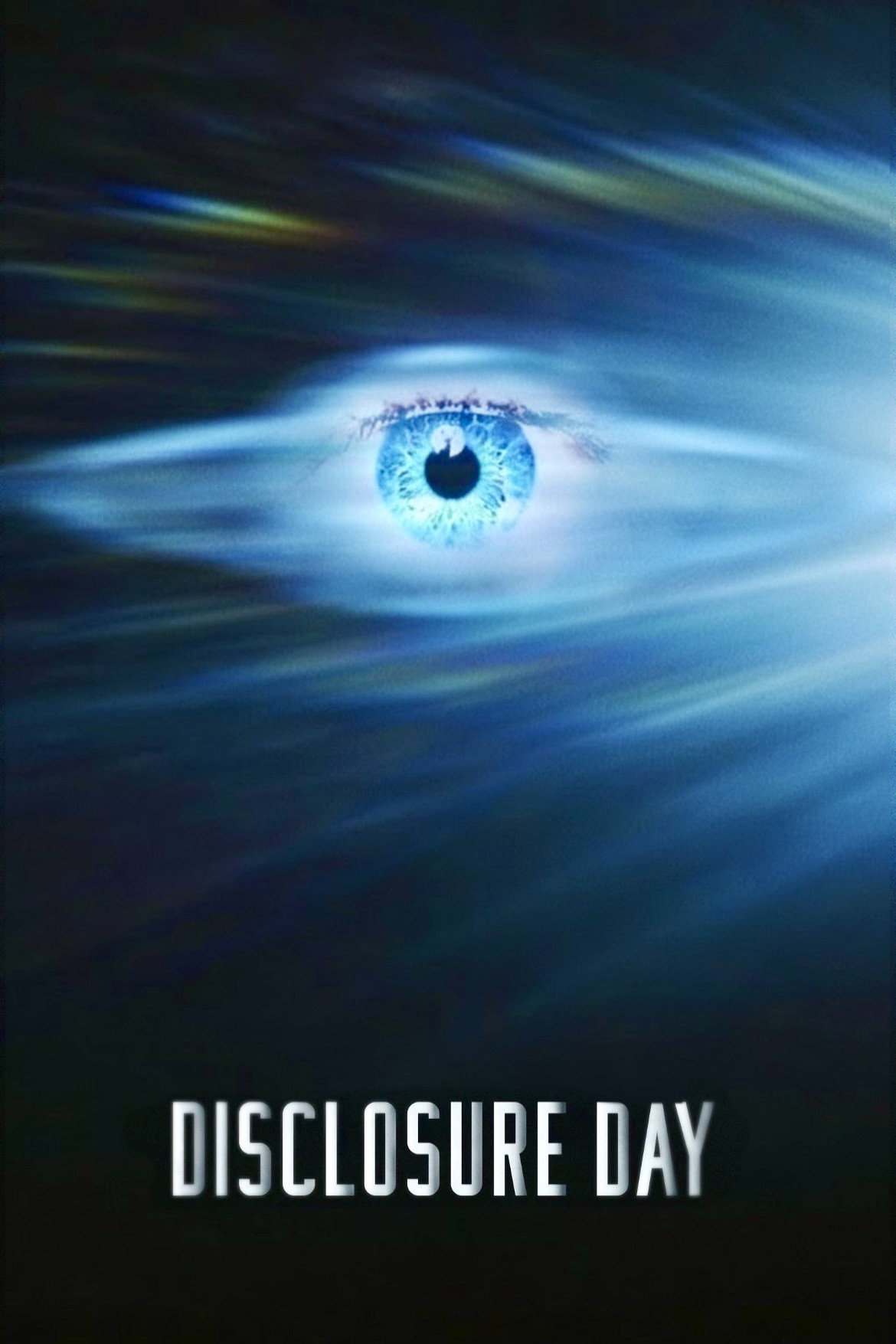
Spielberg making a film about first contact is not news so much as a homecoming. This is the man who gave us the mothership over Devils Tower and the bicycle against the moon, and Disclosure Day is sold, openly, as his return to that register after years away in courtrooms, war and his own childhood. The trailer promised the old awe, John Williams is back on the podium, and the title tells you the whole pitch: the day the secret stops being a secret. I went in wanting to believe, and for a long stretch I did. Then it did to me what Spielberg has done to me before, and I came out feeling cheated.
The setup
Daniel Kellner (Josh O’Connor) is a cybersecurity specialist who walks out of a secretive government-adjacent corporation with the one thing it cannot afford to lose: hard evidence that the contact happened, and that it has been managed and buried for decades. Margaret Fairchild (Emily Blunt) is a meteorologist whose own brush with the phenomenon has left her perceiving things she cannot explain and cannot switch off. The corporation, fronted by Colin Firth’s smooth and very dangerous Noah Scanlon, wants both of them quiet. The film is the chase that follows, and the question of whether the truth is something the world actually wants delivered to its doorstep.
That is the spoiler-light version, and I will keep the rest behind glass, because the back half turns on things you should meet cold.
The cast
Blunt is the best reason to buy a ticket. She has done frightened-but-capable before, in A Quiet Place, and here she adds a kind of haunted receptivity, a woman tuned to a frequency the rest of us cannot hear, and she sells it without ever tipping into the wide-eyed. O’Connor is looser and warmer than Scanlon’s machine deserves, and the two of them carry the human current the film runs on. Firth is having an excellent time being quietly appalling, all reasonable tone and unreasonable intent, the most enjoyable Spielberg villain in years. Colman Domingo turns a supporting part into something you wish the film had more room for. Nobody is coasting. The performances are not the problem.
The craft
It looks like a Spielberg picture, which is to say it looks like money spent by someone who knows where to point it. Janusz Kaminski’s light does its usual work, Williams gives Blunt a theme that lifts the encounter scenes, and the set-piece staging is as clean and legible as you would expect. When it works, it really works.
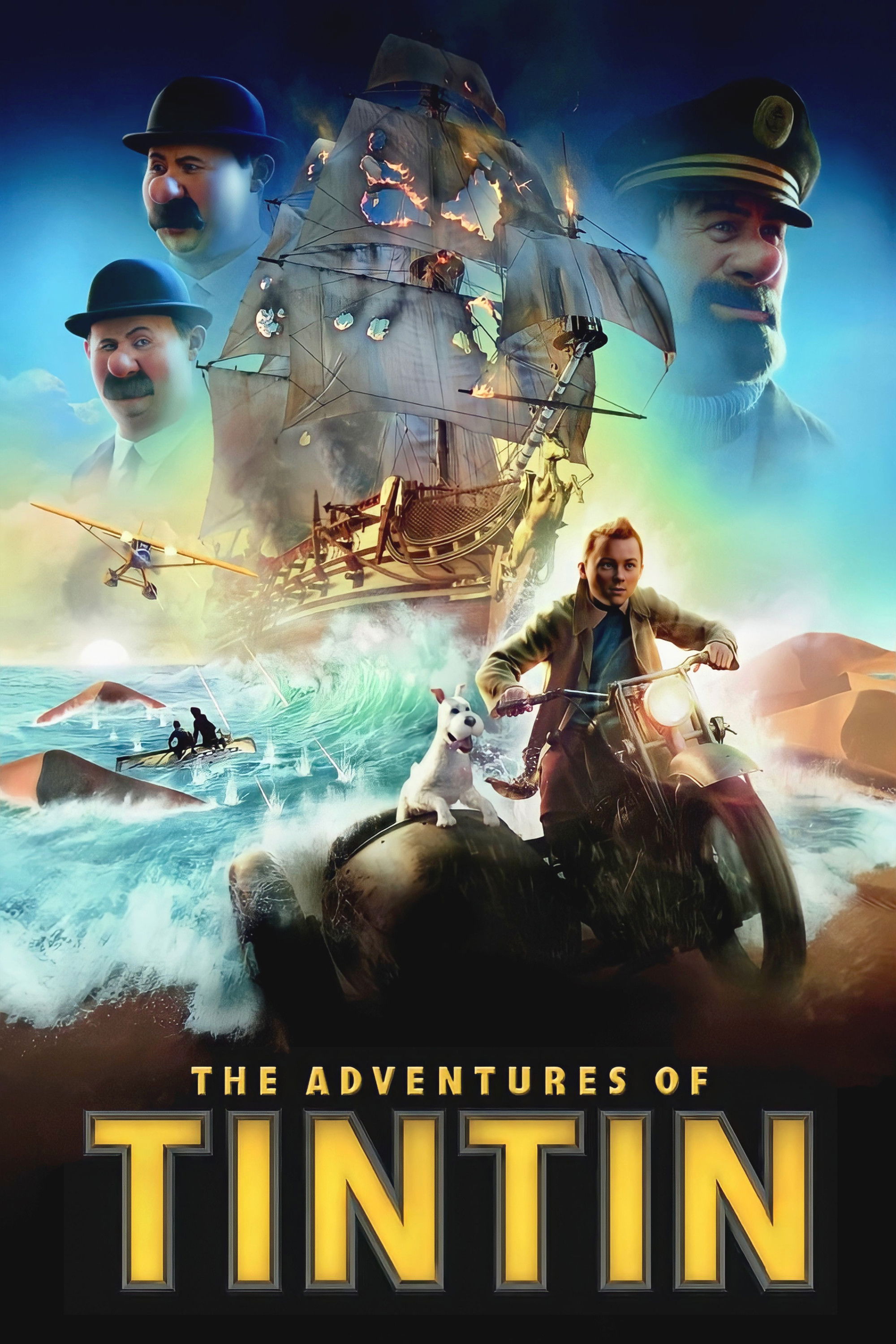
And then the effects let it down, which I did not expect to be writing about a Spielberg film. There are CGI animals here, and a couple of full sequences, that have the weightless, faintly rubbery sheen of The Polar Express, the uncanny look of things that were never in front of a lens. The Spielberg of twenty years ago would have built the creature, soaked it, lit it and shot it for real, and your eye would never have queried it. Here your eye queries it more than once, and every time it does, the spell drops.
How it stacks up
The bigger trouble is that Disclosure Day keeps reaching into Spielberg’s own cupboard, and a few other people’s. The tall, slender visitors are, as near as makes no difference, the same beings that stepped out of the light in Close Encounters of the Third Kind; I half expected E.T. himself to wander through the back of a shot, and would not have been remotely surprised if he had. One sequence is staged so squarely after the grainy, table-bound horror of Alien Autopsy, the Ant and Dec lark from 2006, that I laughed in the wrong place. War of the Worlds supplies the street-level panic, Minority Report the surveillance dread (and 3D spatial interfaces). None of this is theft, exactly. It is a great director quoting himself, and the quotations are fond. But a homecoming should bring something new through the door, and this one mostly rearranges the furniture you already know.
Critics versus the rest of us
The critics are close to rapturous, with Rotten Tomatoes parked around 80% and a good deal of “return to form, Spielberg sci-fi classic” in the air. Audiences are a touch cooler, and I land cooler still, though not for want of enjoying myself. For two acts this is a generous, propulsive, properly mounted thriller and I was happily along for the ride. I even forgave the exposition, and there is a lot of it: the film explains itself constantly, spoon-feeding the mechanics of the cover-up so that nobody is ever lost.
Which is exactly why the ending made me cross. After two hours of being told everything, the film suddenly, in its final movement, decides to withhold, to treat the audience as if it can do the inference work it never once trusted us with earlier. If the whole film had been lean and suggestive, that ending would have been earned, even thrilling. Sitting on top of all that explaining, it reads as a cheat, a clever-clever swerve that the picture has not laid the ground for. I left frustrated rather than haunted.
Verdict
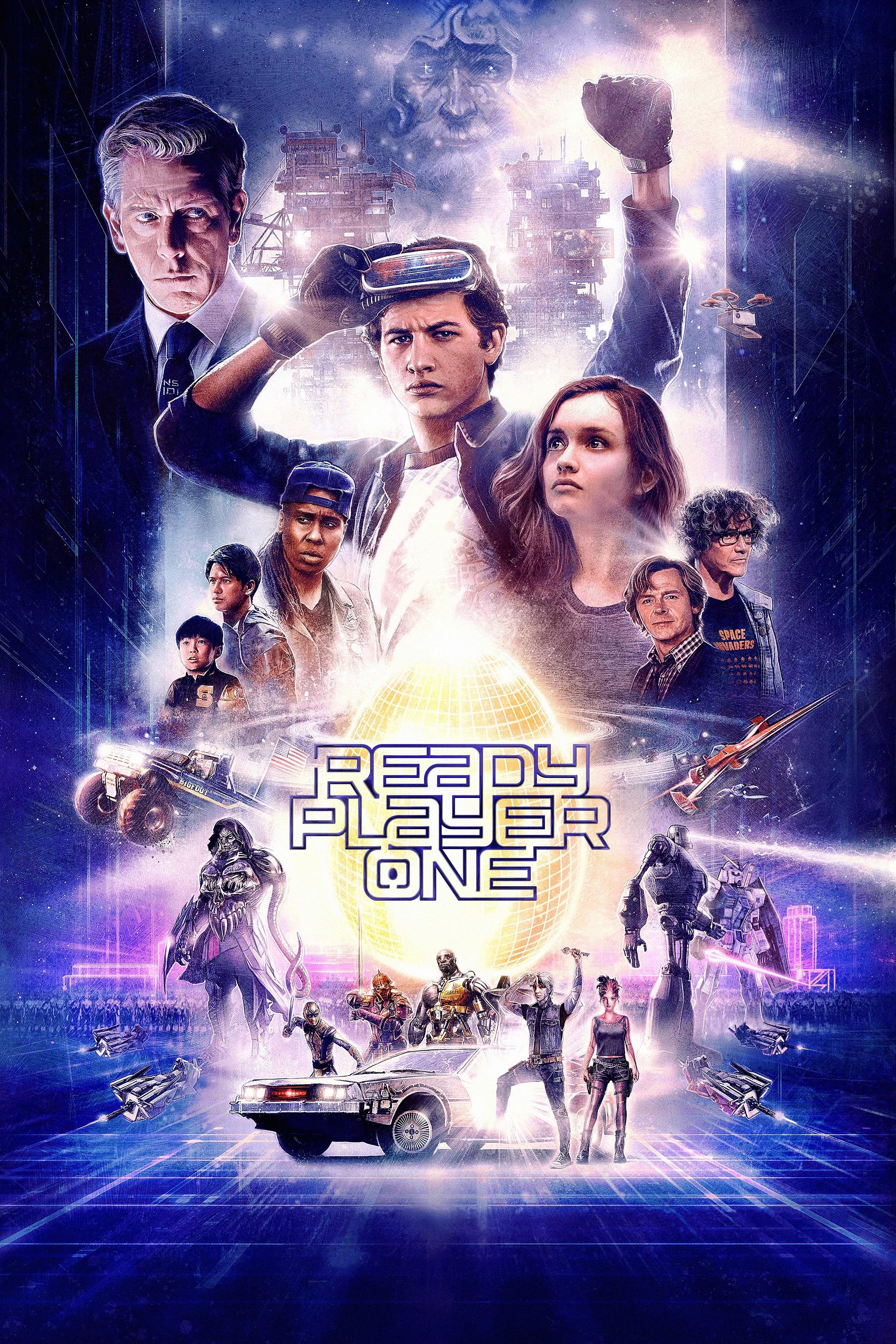
Spielberg has pulled this on me before. Jurassic Park, the original, skipped the one scene I had spent the whole film waiting for (When Richard Attenborough - according to the orginal book, was supposed to have a gory death at the hands of a T-Rex). Ready Player One swapped out the film-within-the-film which should have been Wargames (a thrilling sequence in the book) with The Shining. Disclosure Day is the same family of disappointment; a beautifully made thing that knows precisely how to keep you in your seat, and then declines to honour the contract at the end. I enjoyed it, I really did, and I would still send people to see it on the biggest screen they can find. But this is the most powerful storyteller alive working with Williams, Blunt and a blank cheque, and we deserved more, much more. 6.5 / 10.
Availability: In cinemas across the UK, and worth the IMAX surcharge for the encounter sequences if not for the animals.
BBFC content advice
Rated 12A by the BBFC for moderate threat, violence, injury detail, infrequent strong language. The notes below may contain spoilers.
Violence: People fire guns at others during action sequences. Characters fight in a wrestling ring, delivering punches and blows with objects such as chairs. Some discreet verbal references are made to domestic abuse. A sequence features implied off-screen torture.
Threat and horror: There are scenes of gun and knife threat, as well as vehicle chases resulting in crashes. Some sequences are sustained and intense, featuring menacing tones and characters in peril.
Language: There is infrequent strong language (‘f**k’) as well as milder terms, including ‘shit’, ‘goddamn’, ‘hell’ and ‘God’.
Sex: Occasional mild sex references are made in brief, undetailed verbal exchanges.
Drugs: A brief verbal reference is made to ketamine misuse.
Injury detail: There is occasional sight of blood and wound detail, as well as cuts and bruising over a person’s body.
Theme: A character experiences a panic attack, but is reassured and calmed by a friend. There are references to illness, death and bereavement.
Source: British Board of Film Classification (bbfc.co.uk).