
- UK release: May 2009
- Director: J.J. Abrams · Writers: Roberto Orci, Alex Kurtzman
- Studio / distributor: Paramount Pictures; Spyglass Entertainment; Bad Robot
- Genre: Science fiction adventure / franchise reboot · Runtime: 127 minutes (BBFC 12A)
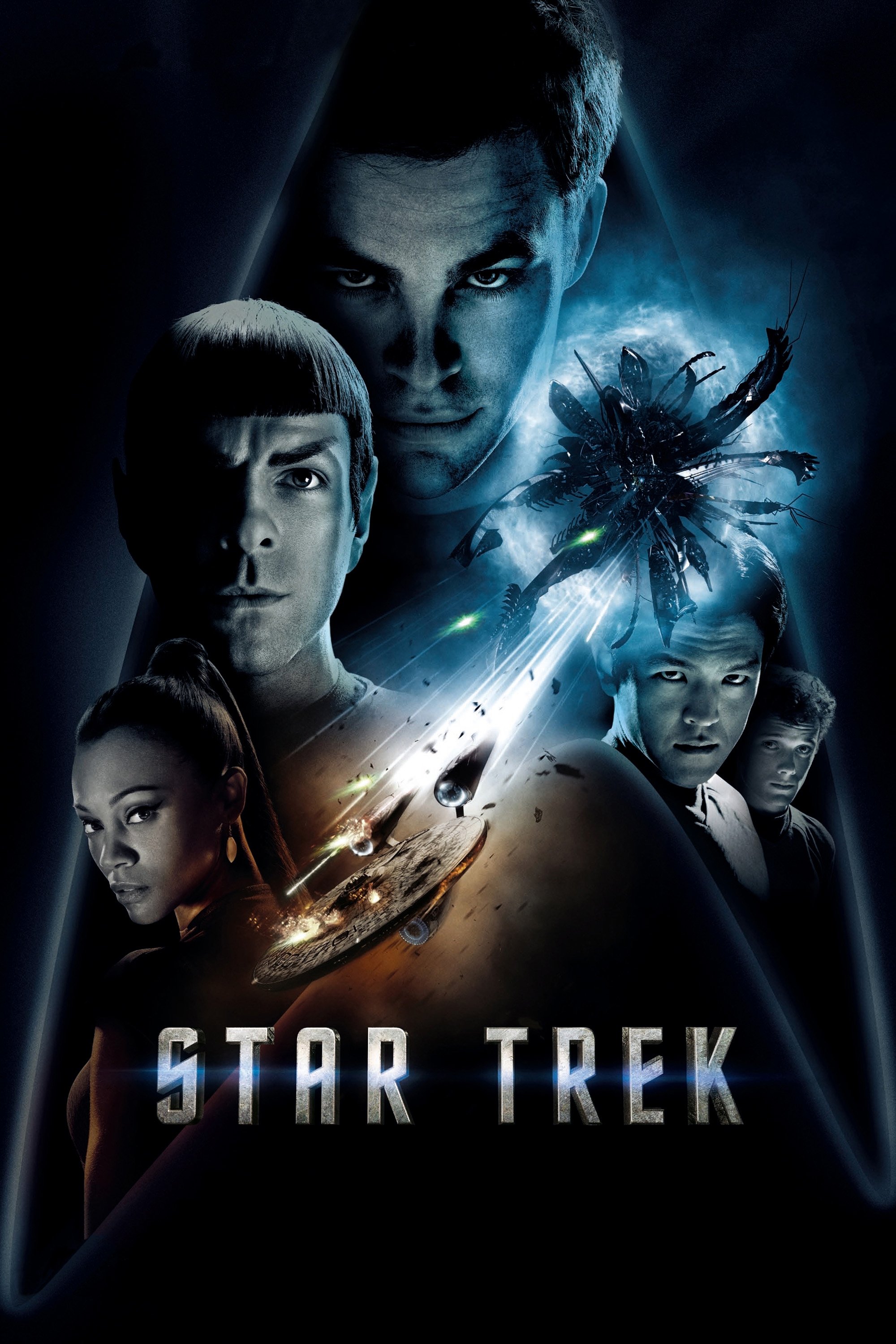
- Main cast: Chris Pine as James T. Kirk; Zachary Quinto (Heroes) as Spock; Karl Urban (The Lord of the Rings, The Bourne Supremacy) as Leonard McCoy; Zoe Saldaña (Pirates of the Caribbean) as Nyota Uhura; Leonard Nimoy as Spock Prime
- IMDb: 8.0 / 10 · Rotten Tomatoes: 94% critics / 91% audience · My rating: 9 / 10
Star Trek had been quietly dying for a while. Nemesis limped out of cinemas in 2002 and made back barely half its budget, Enterprise was cancelled, and the franchise that once defined American television science fiction had been left to its conventions and its boxed sets. Reviving it was never going to be a matter of one more sequel. So Paramount handed the keys to J.J. Abrams, fresh off Mission: Impossible III and the early seasons of Lost, a man with no particular allegiance to the canon and a clear instinct for momentum. The result is the cleverest kind of reboot: one that keeps the old continuity rather than burning it, and then walks confidently around it.
The setup
A Romulan mining vessel, captained by the vengeful Nero (Eric Bana), tears out of a temporal anomaly and attacks a Federation ship on what should be a routine patrol. In the chaos, a young first officer named George Kirk buys his crew time at the cost of his own life, and his son James is born into a galaxy already nudged off its intended course. Years later that son, reckless and directionless, is goaded into Starfleet, where he collides with a coldly disciplined young Vulcan called Spock. When Nero resurfaces with a plan to settle his grievance against the Federation, the half-formed crew of the Enterprise is thrown together long before any of them is ready to be there.
The framing is the smart move. Rather than ignore forty years of history, the screenplay folds in an alternate timeline, which lets the film recast every familiar role while leaving the original universe intact and the long-time viewer reassured. You can know nothing about Star Trek and follow it as a pure space adventure. You can know everything and enjoy watching the furniture get rearranged.
The cast
The casting is the film’s quiet triumph, because the danger with a reboot like this is impersonation, and almost nobody falls into it. Chris Pine plays Kirk as a cocky, bruised chancer rather than a Shatner tribute act, all swagger and wounded pride, and he carries the charm the part demands without leaning on the original. Zachary Quinto, known mainly as the brain-stealing villain in Heroes, is the revelation as Spock: he finds the strain underneath the logic, the half-human boy working hard to feel nothing, and the friction between him and Pine gives the film its spine.
Around them the ensemble is uniformly well chosen. Karl Urban’s Leonard McCoy is the only performance that nods openly to its predecessor, and it works because the affection is real rather than a copy. Zoe Saldaña gives Uhura authority and impatience, Simon Pegg’s late-arriving Scotty supplies the comic relief, and Leonard Nimoy turns up as an older Spock to bless the whole enterprise and lend it a continuity the new cast could not provide on its own. His presence is the film admitting, gracefully, where it came from.
The craft
Abrams directs for speed. This is a Star Trek with a pulse: kinetic, bright, occasionally over-caffeinated, shot by Dan Mindel in a restless, lens-flared style that became this film’s signature and its most-parodied tic. The set pieces are staged with real confidence, a high-altitude free-fall onto a drilling platform among the best of them, and the Enterprise itself has weight and scale in a way the television series could never afford. Michael Giacchino’s score is the secret weapon, doing what a good Star Trek score should: it gives the adventure size, and its main theme is the kind of thing you hum on the way out.
If there is a cost to all this energy, it is that the film moves too fast to think very hard. Classic Trek was talky, slow and fond of a moral dilemma worked out over an hour of dialogue. This is built for propulsion, and the plot mechanics, Nero’s revenge in particular, do not survive much scrutiny. But the film knows exactly what it is, and it never pretends to be the cerebral thing it has replaced.
How it stacks up
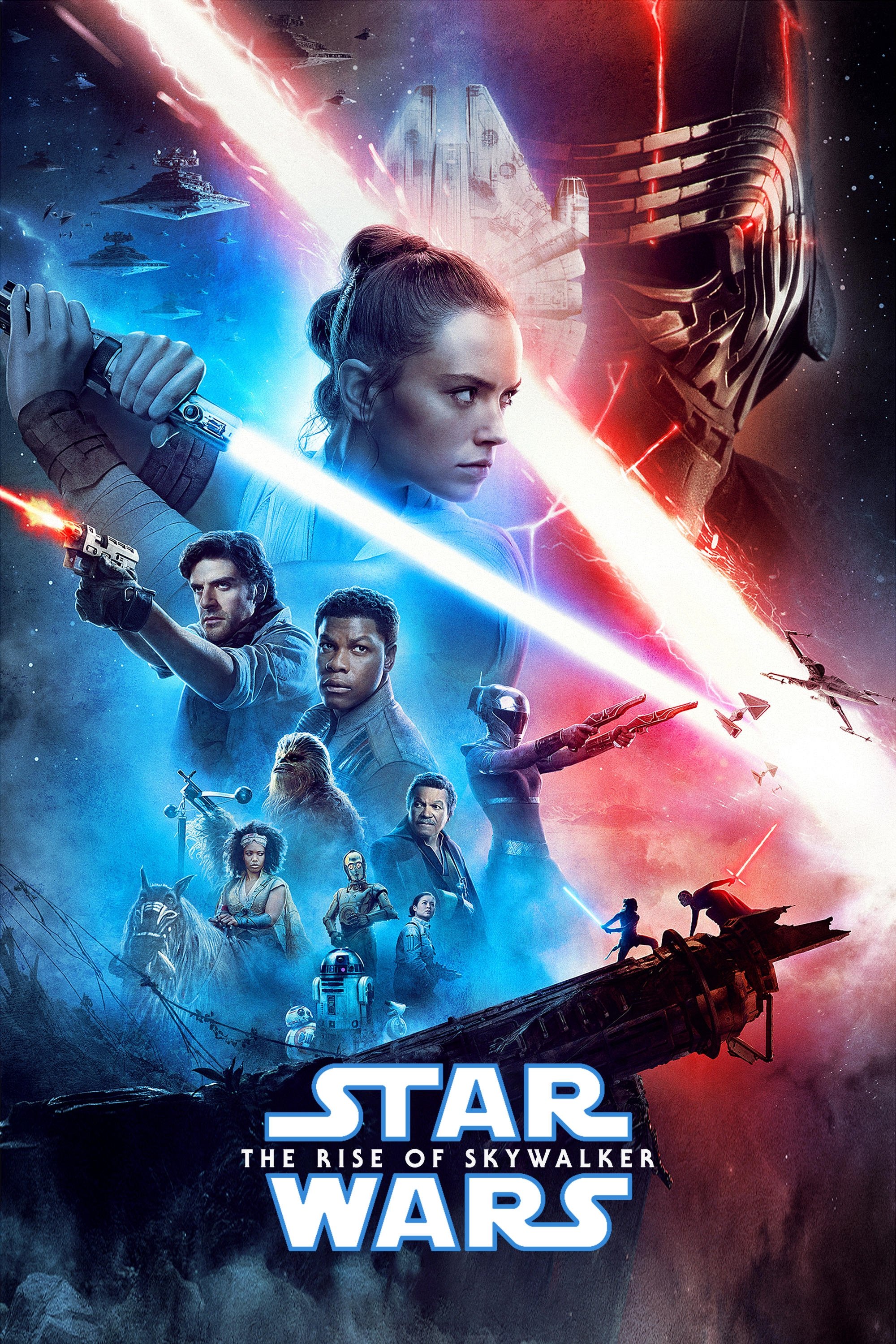
Set this beside Nemesis and the gap is almost embarrassing. Where the old films had become slow, grey and inward-looking, made for the faithful and nobody else, this one is open to everyone. The more honest comparison is sideways, to the Star Wars adventure tradition: Abrams has effectively made the Star Trek that moves like Star Wars, swapping debate for daring and the conference room for the chase. Purists will note what has been lost, and they are not wrong, but the trade is a defensible one. It even shares a little DNA with Galaxy Quest, the affectionate spoof that understood the appeal of this crew better than the later official films did, in that both grasp that the fun of Star Trek is the people on the bridge rather than the technobabble.
Critics versus the rest of us
For once critics and audiences are largely in agreement. The reviews are warm, around the 94% mark, praising the cast, the pace and the sheer accessibility of the thing, and audiences are turning out in numbers the franchise has not seen in decades. The one persistent reservation, that the reboot trades thoughtful science fiction for blockbuster spectacle, is fair and worth saying. This is not the Star Trek of ideas. But it is the Star Trek that has saved itself, and a series that does not exist cannot have ideas at all.
Verdict
I came to this braced for disappointment and left grinning. It is fast, funny, beautifully cast and built to be watched again, which for me counts for a great deal. Yes, the plot is a contraption and the philosophy has been quietly shown the door. None of that matters much against two hours this confident and this entertaining, the most fun I have had with Star Trek in as long as I can remember. It reintroduces a crew I want to spend more time with and leaves the door wide open, and on rewatchability alone it earns its place. 9⁄10.
Availability: On general release in UK cinemas now. The big screen and a decent sound system do the Enterprise and Giacchino’s score real favours.
Update
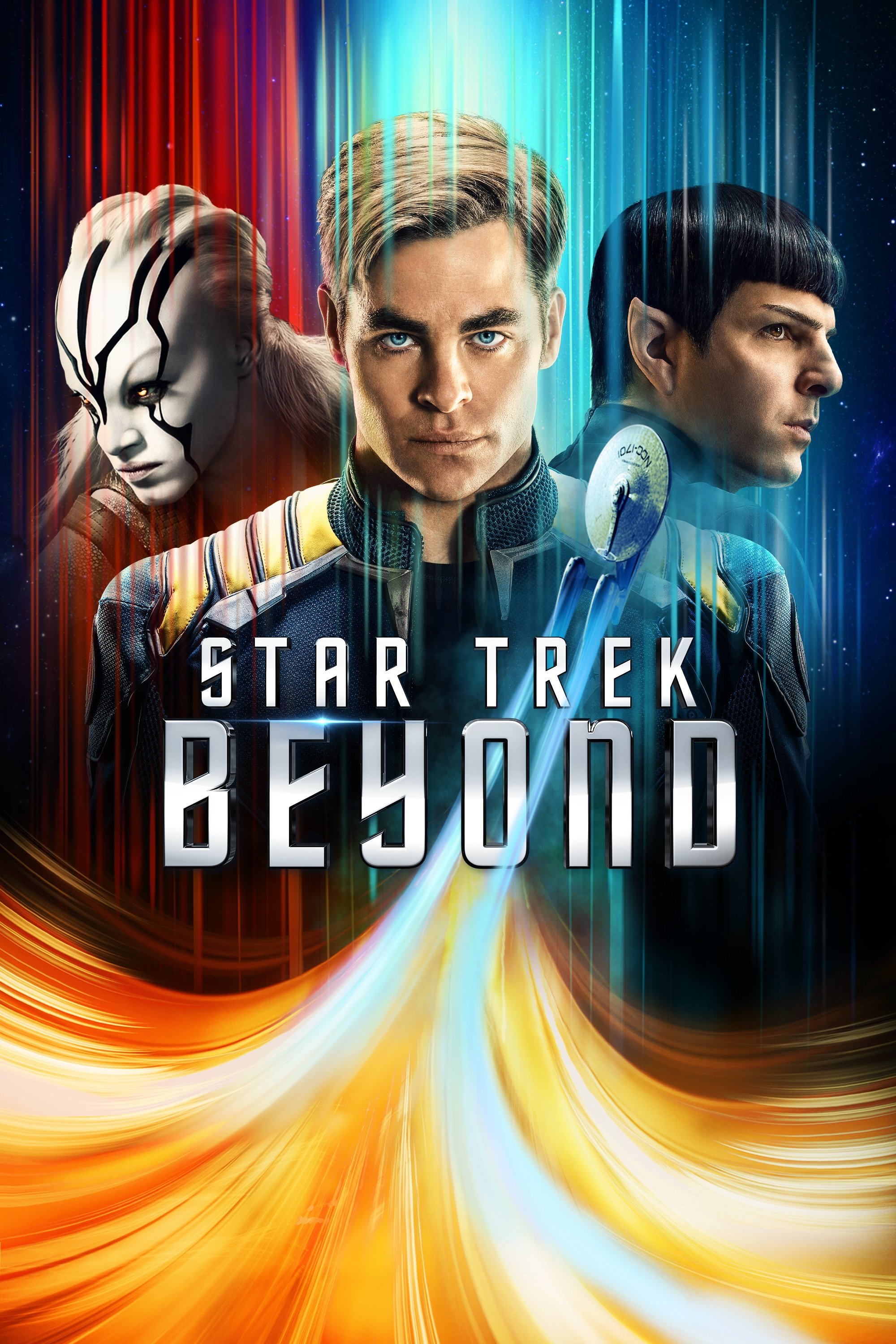
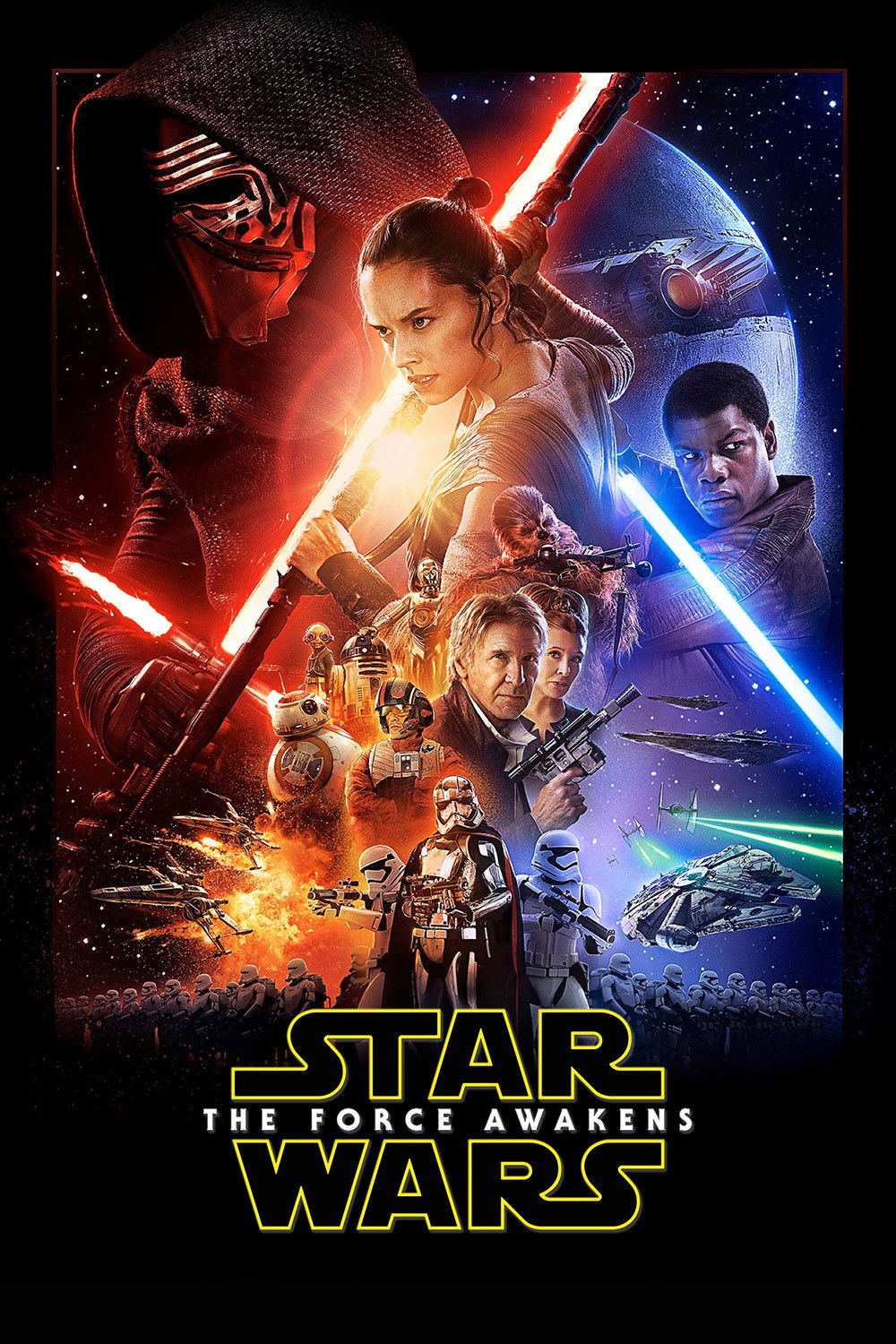
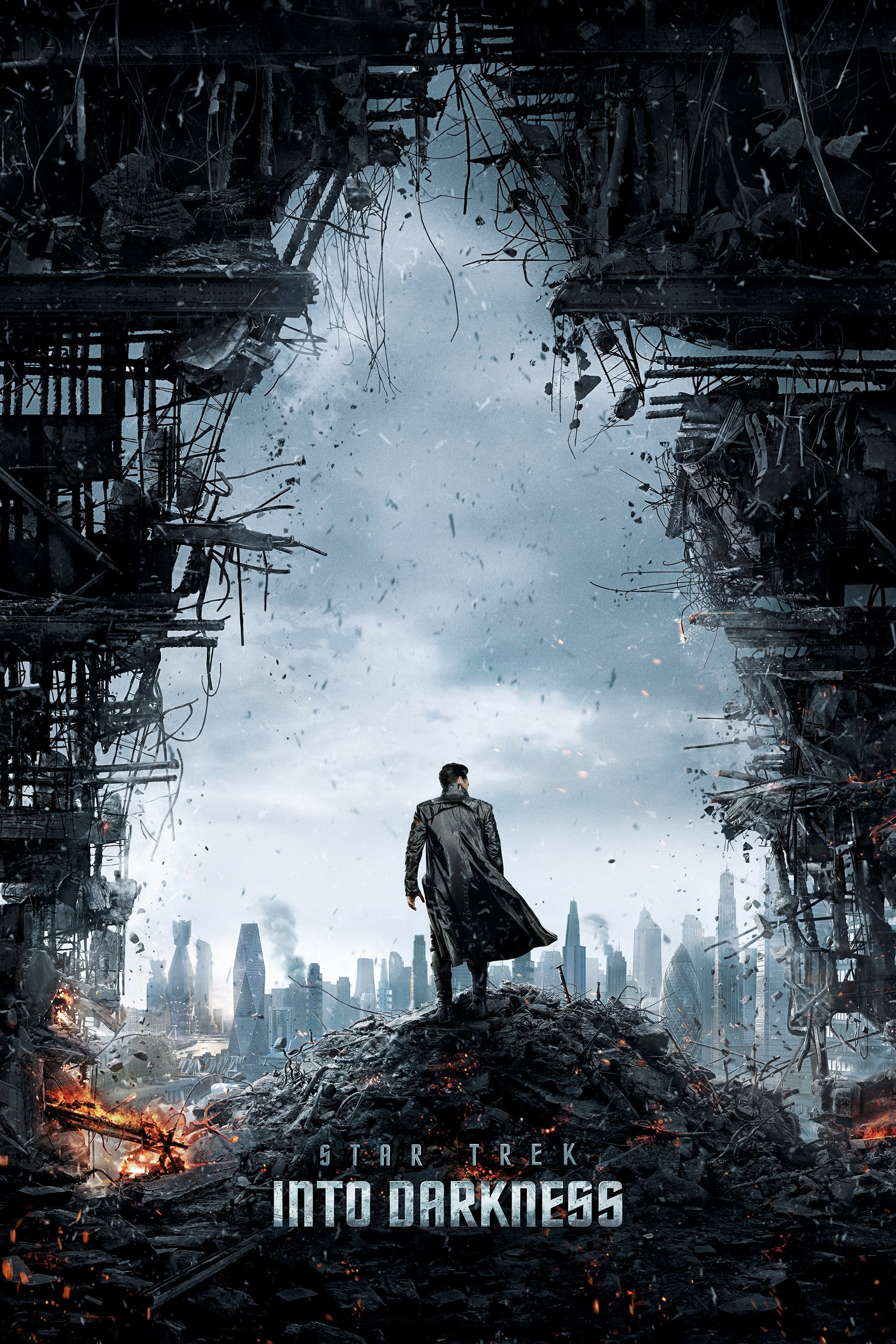
Added since this review first appeared: the new crew did get their further voyages. Star Trek Into Darkness (2013) doubled down on the spectacle and divided opinion by reworking old material, and Star Trek Beyond (2016) recovered some of the ensemble warmth this film established. Abrams went on to direct Star Wars: The Force Awakens, which made the kinship between the two franchises explicit. This first reboot has settled into its reputation as the entry that rescued Star Trek and proved a sober property could be made nimble without being cheapened. It is widely available on disc and digital, with the Kelvin-timeline films usually bundled together, and streams on the major platforms depending on your region.
BBFC content advice
Rated 12A by the BBFC for moderate violence and threat. The notes below may contain spoilers.
Violence: Fight scenes include heavy blows to the head and body, and brief sight of a man’s bloodied face. There is also a scene in which a man stamps on another man’s fingers as he clings on to a high ledge, and one in which a man is run through with a sword and which includes sight of the tip emerging from his chest.
Threat and horror: Some prolonged and intense scenes include the destruction of a spaceship, and the death of the lead character’s father. There is also a scene in which a man is strapped down, and threatened with a slug held over his open mouth, and another scene in which people are chased by monstrous creatures.
Source: British Board of Film Classification (bbfc.co.uk).