- UK release: July 2016
- Director: Justin Lin · Writers: Simon Pegg, Doug Jung
- Studio / distributor: Paramount Pictures; Skydance; Bad Robot
- Genre: Science fiction adventure / space opera · Runtime: 122 minutes (BBFC 12A)
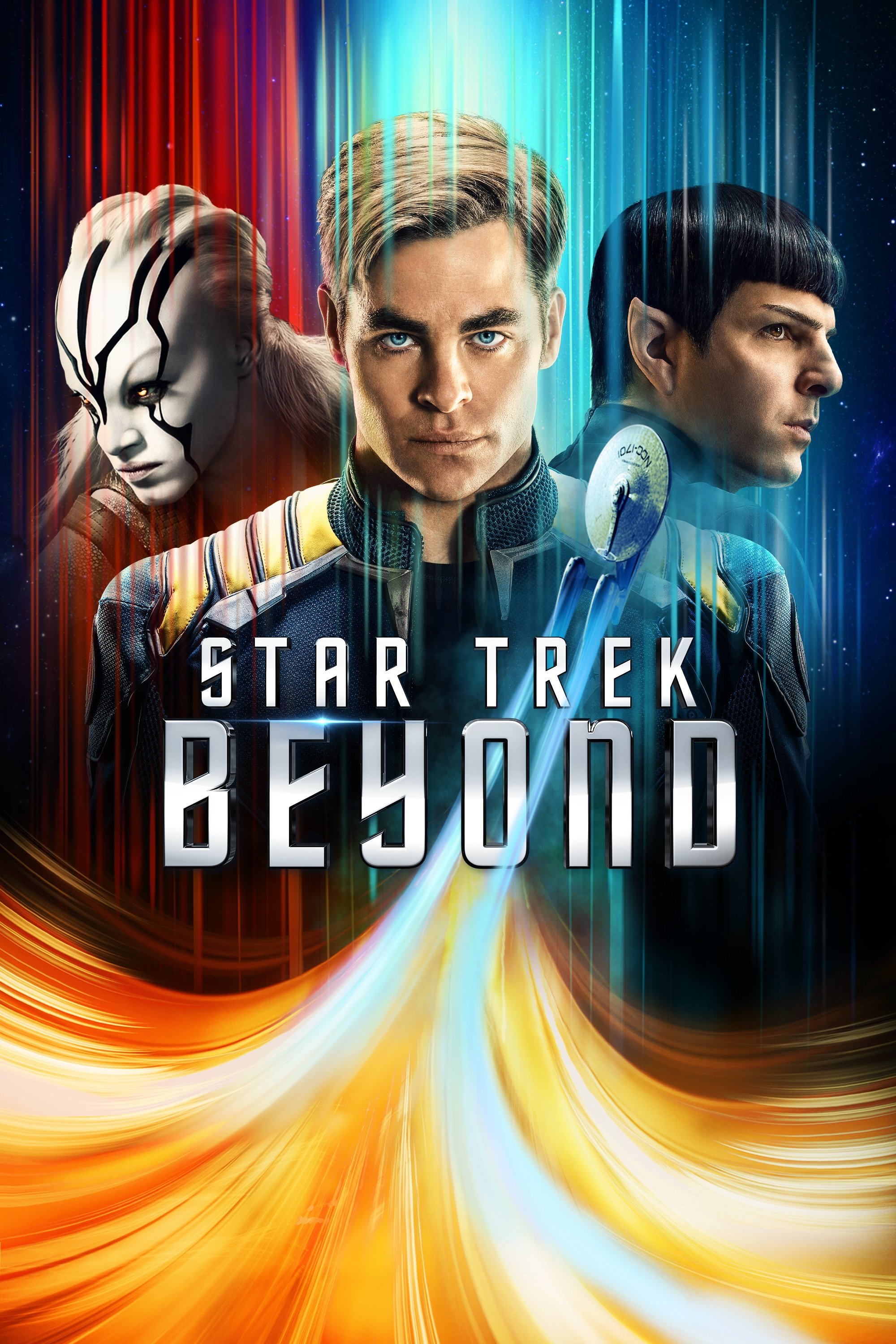
- Main cast: Chris Pine (Star Trek, Unstoppable) as James T. Kirk; Zachary Quinto (Star Trek, Margin Call) as Spock; Sofia Boutella (Kingsman: The Secret Service) as Jaylah; Idris Elba (Luther, Pacific Rim) as Krall
- IMDb: 7.0 / 10 · Rotten Tomatoes: 86% critics / 80% audience · My rating: 8 / 10
The third film of the rebooted Star Trek arrives under a small cloud. Into Darkness left a sour aftertaste with a chunk of the fanbase, J.J. Abrams has decamped to a galaxy far, far away, and the man now holding the chair is Justin Lin, whose CV is built on cars rather than starships. None of that sounds like a recipe for the most affectionate Star Trek in years. Yet here it is, the entry that remembers what the series was always supposed to be about: a small crew of clever people, a long way from home, working a problem together.
The setup
Three years into a five-year mission, Kirk (Chris Pine) is restless. The novelty of deep space has worn into routine, and he is quietly wondering whether the captain’s chair still fits him. A distress call draws the Enterprise to an uncharted nebula, where an ambush tears the ship apart and scatters the crew across an unknown planet, stranded, separated and out of contact. Behind it is Krall (Idris Elba), an enemy with a grudge against the Federation and a weapon that could gut it. To get off the rock and stop him, Kirk and the survivors must rely on each other and on Jaylah (Sofia Boutella), a fierce scavenger who has been making her own way on the same world. It is a proper away mission, broken into pairs and small groups, and that structure is the smartest thing the film does.
The cast
Splitting the crew up lets the cast breathe. Pine plays a more weathered Kirk, less the cocky upstart and more a man weighing what comes next, and it suits him. Quinto’s Spock is paired off with Karl Urban’s gloriously irritable McCoy, and the two of them bicker their way across the planet in the film’s most enjoyable double act, logic against gut feeling, played for warmth as much as comedy. Simon Pegg, who co-wrote the script, hands himself plenty to do as Scotty and is wise enough not to hog it. The real find is Sofia Boutella’s Jaylah, all coiled physicality and deadpan delivery, a newcomer who slots into the ensemble without disturbing it. Idris Elba is buried under heavy prosthetics for much of the running time, which mutes him, though the character earns more interest once the make-up comes off.
The craft
Lin brings the thing you would expect a Fast & Furious director to bring: momentum, and a real feel for how bodies and machines move through space. The action is legible and inventive rather than just loud, and there is a set piece involving a swarm attack on the Enterprise that ranks with anything the reboot has staged. He also resists the temptation to make everything bigger than the last film. The scale is human; the jeopardy is the crew getting home, not the customary city under threat. Michael Giacchino’s score keeps the franchise’s brassy confidence, and there is a cheeky, well-judged needle-drop in the finale that I will leave for you to discover. If there is a craft complaint, it is that Krall’s plan never quite holds together under scrutiny, and the nebula visuals occasionally tip into busyness.
How it stacks up
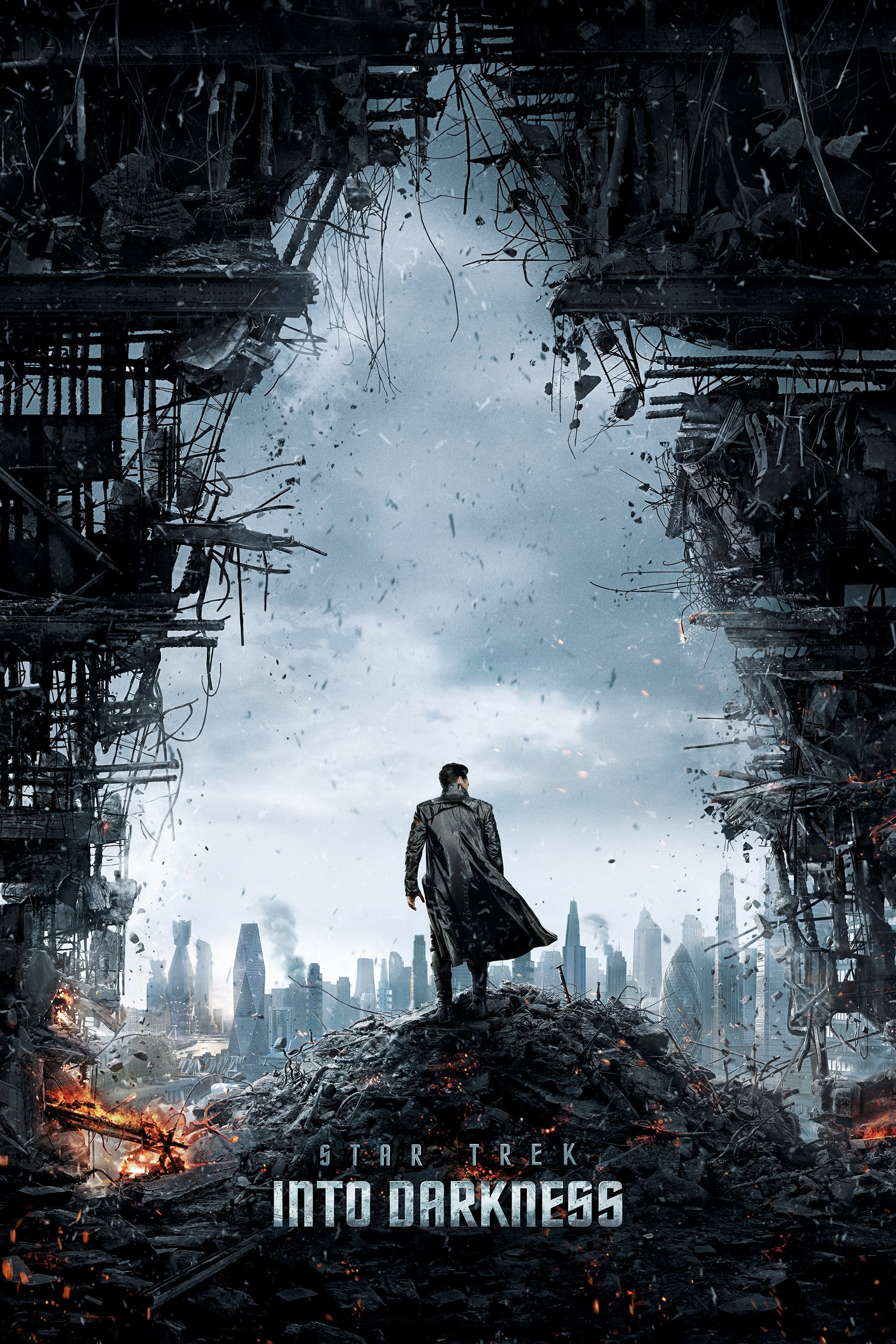
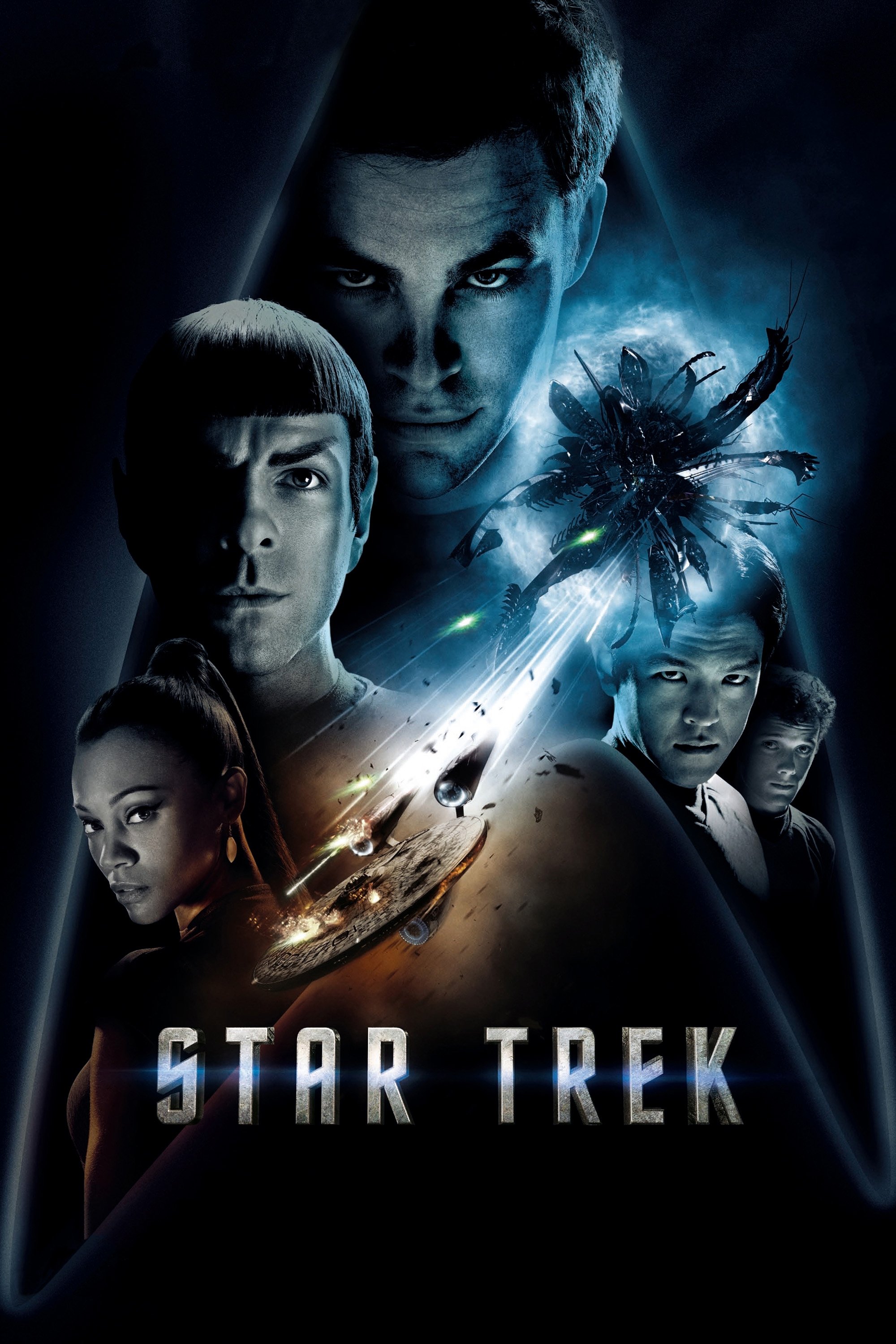
Held against Star Trek (2009), this is the warmer, lower-stakes cousin. The 2009 film had the thrill of reinvention and a clean origin-story shape; Beyond has the easy confidence of a crew that already knows each other. Against Into Darkness it is a clear improvement, swapping that film’s borrowed grandeur and twist-for-the-sake-of-it plotting for something more relaxed and more genuinely Trek. The closest spiritual relatives are the better original-series episodes and The Voyage Home, where the pleasure was watching this particular group of people problem-solve their way out of trouble with wit intact. It is less ambitious than either Abrams film and better company than both.
Critics versus the rest of us
Critics are on side, sitting at 86%, with the recurring praise being that this is the most character-driven and most classically Star Trek of the three. Audiences are a touch cooler at 80%, and the box office has been softer than Paramount hoped, perhaps because the marketing leaned on the action and undersold the heart. I land closer to the critics here. The complaints that do surface, a thin villain, a plot that does not bear close inspection, are fair, but they matter less when the company is this good and the pace this brisk.
Verdict
This is the Star Trek I most want to rewatch. It does not have the jolt of the 2009 reboot or that film’s perfect origin-story machinery, and the antagonist is the weakest of the rebooted trio. What it has instead is the thing the series has always done best: a likeable crew, sharp banter, real teamwork, and an adventure that stays the right size. After the overreach of Into Darkness, a film this generous and this sure of its characters feels like a course correction. Not the most spectacular of the three, comfortably the most charming, and the one I will put on again. 8⁄10.
Availability: On general release in UK cinemas now, including IMAX and 3D screenings. A DVD and Blu-ray release is expected before the year is out.
Update
Added since this review first appeared: Star Trek Beyond turned out to be the last outing for this crew on the big screen, with the planned fourth Kelvin-timeline film repeatedly delayed and reshuffled. The release carried a quiet weight at the time too, as a closing dedication to Anton Yelchin, whose Chekov is one of the film’s small pleasures, and to Leonard Nimoy. Its reputation has held up well: where Into Darkness has soured further with fans, Beyond is now widely regarded as the strongest and most rewatchable of the three. It streams on Paramount+ depending on region and is available on 4K UHD, Blu-ray and digital.
BBFC content advice
Rated 12A by the BBFC for moderate violence, threat. The notes below may contain spoilers.
Violence: There are scenes in which spaceships are attacked and break up, with crew thrown around or sucked out into space. In exchanges with aliens, characters are struck by laser fire and fall dead. There are fights which include punches, kicks and other blows, some resulting in bloodied faces. There is some loss of skin from faces prior to complete evaporation as a result of a blast from a weapon.
Threat and horror: Characters are seen in danger as spaceships break up or crash, in exchanges with aliens, and during fight sequences.
Language: There is use of mild bad language, including ‘crap’, ‘shit’, ‘bastards’, ‘hell’ and ‘ass’.
Sex: There are mild sex references as a couple are seen kissing in a lift and as a bare-chested man is pushed out of a woman’s room as they argue.
Injury detail: There is some sight of blood in the aftermath of violence.
Alcohol and smoking: Adult characters drink alcohol, including to excess.
Source: British Board of Film Classification (bbfc.co.uk).