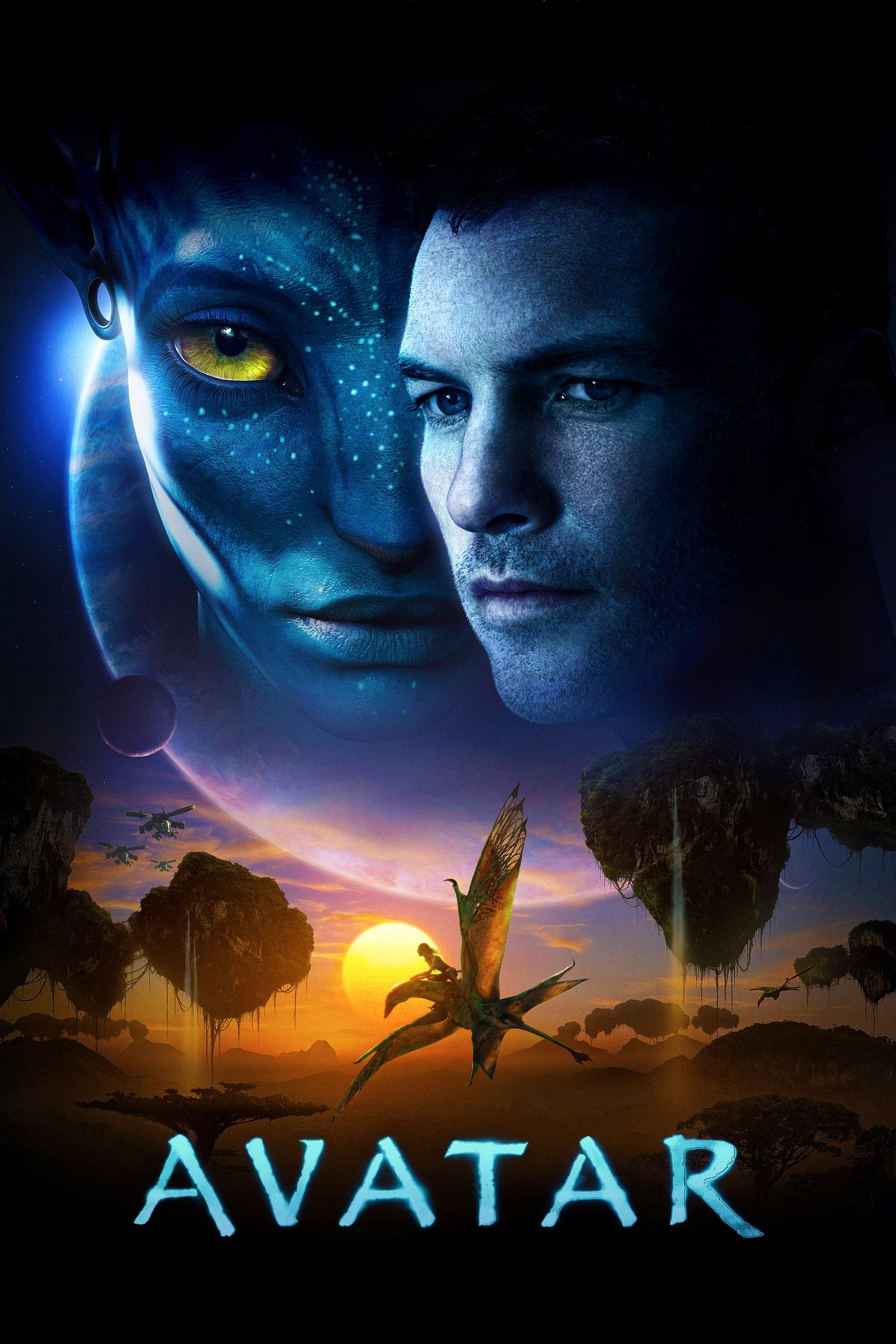

- UK release: December 2009
- Director: James Cameron · Writer: James Cameron
- Studio / distributor: 20th Century Fox; Lightstorm Entertainment
- Genre: Science fiction adventure / ecological epic · Runtime: 162 minutes (BBFC 12A)
- Main cast: Sam Worthington (Terminator Salvation) as Jake Sully; Zoe Saldaña (Star Trek, Pirates of the Caribbean) as Neytiri; Sigourney Weaver (Alien, Aliens) as Dr Grace Augustine; Stephen Lang (Tombstone, Public Enemies) as Colonel Miles Quaritch
- IMDb: 7.9 / 10 · Rotten Tomatoes: 81% critics / 82% audience · My rating: 9 / 10
By December 2009, James Cameron had been away from narrative cinema for twelve years, ever since Titanic became the most successful film ever made and then, for a while, the most mocked. Avatar arrives with the weight of all that, and with an open secret attached to it: the plot is old. What nobody has reckoned with is that Cameron spent the gap not writing a cleverer story but building a planet, and it is the planet you come out talking about.
The setup
Jake Sully (Sam Worthington), a paralysed former Marine, is sent to the moon Pandora, where a mining corporation is stripping the place for profit and using lab-grown Na’vi bodies, the avatars of the title, to walk among its ten-foot blue inhabitants. Jake drives one of these bodies, falls in with the Na’vi, and finds himself caught between the people paying him and the world he is starting to understand. If that sounds like Dances with Wolves with a tail, or Pocahontas in space, you are not wrong, and I will come back to why it does not matter as much as you would expect.
The cast
The cast is built sensibly around the technology rather than fighting it. Worthington is the audience’s way in, an everyman with just enough chip on his shoulder. The real performance is Zoe Saldaña’s Neytiri, delivered entirely through performance capture, and it is the film’s quiet proof of concept: a fully digital character who carries genuine feeling. Sigourney Weaver, reunited with her Aliens director, gives Dr Grace Augustine the scientific and moral backbone, while Stephen Lang’s Colonel Quaritch is exactly the kind of unrepentant company-man villain this sort of film needs, with no interest in being misunderstood.
The craft
Where Avatar earns its reputation is in the craft. Mauro Fiore’s cinematography and the bioluminescent night-time Pandora look extraordinary, and the 3D, so often a gimmick bolted on in post, is for once designed into the image from the start. Cameron has always been an engineer first, and the absorbing thing here is how completely the world hangs together: the floating mountains, the neural link the Na’vi share with their world, the slow logic of how everything connects. James Horner’s score does the emotional heavy lifting the dialogue sometimes cannot. Two and a half hours should drag; it does not, because the film keeps showing you something you have not seen.
How it stacks up
The comparisons run two ways. Back to Aliens and The Abyss, where Cameron first married hard science fiction to real feeling and real stakes, and outward to the colonial-encounter stories the plot openly borrows from. The forward comparison is the more interesting one: this is the film every other studio is now going to be trying to reverse-engineer, the one that finally makes the case for 3D as something more than a ticket-price surcharge.
Critics versus the rest of us
The reception has been slightly grudging. Critics are sitting around 81%, audiences a touch higher at 82%, and the recurring line is that the film is a greater technical achievement than a storytelling one. That is fair as far as it goes. The script is the least surprising thing in the film. But it misreads what the film is for. Avatar is not trying to tell you a story you have never heard. It is trying to take you somewhere you have never been, and on that count it succeeds more completely than almost anything else in the genre.
Verdict
This is why my own number sits comfortably above the consensus. I value world-building, atmosphere and the sheer pleasure of being immersed, and on all three this is close to the top of the pile. Yes, the plot is borrowed. The characters never get much beyond their function. None of that survives contact with Pandora at full size and full volume. It is the kind of film you will want to see again, it works completely as the genre spectacle it sets out to be, and it is the clearest argument I know for seeing the right film on the biggest screen you can find. 9⁄10.
Availability: On general release in UK cinemas now. See it in 3D, on the biggest IMAX screen you can get to.
Update
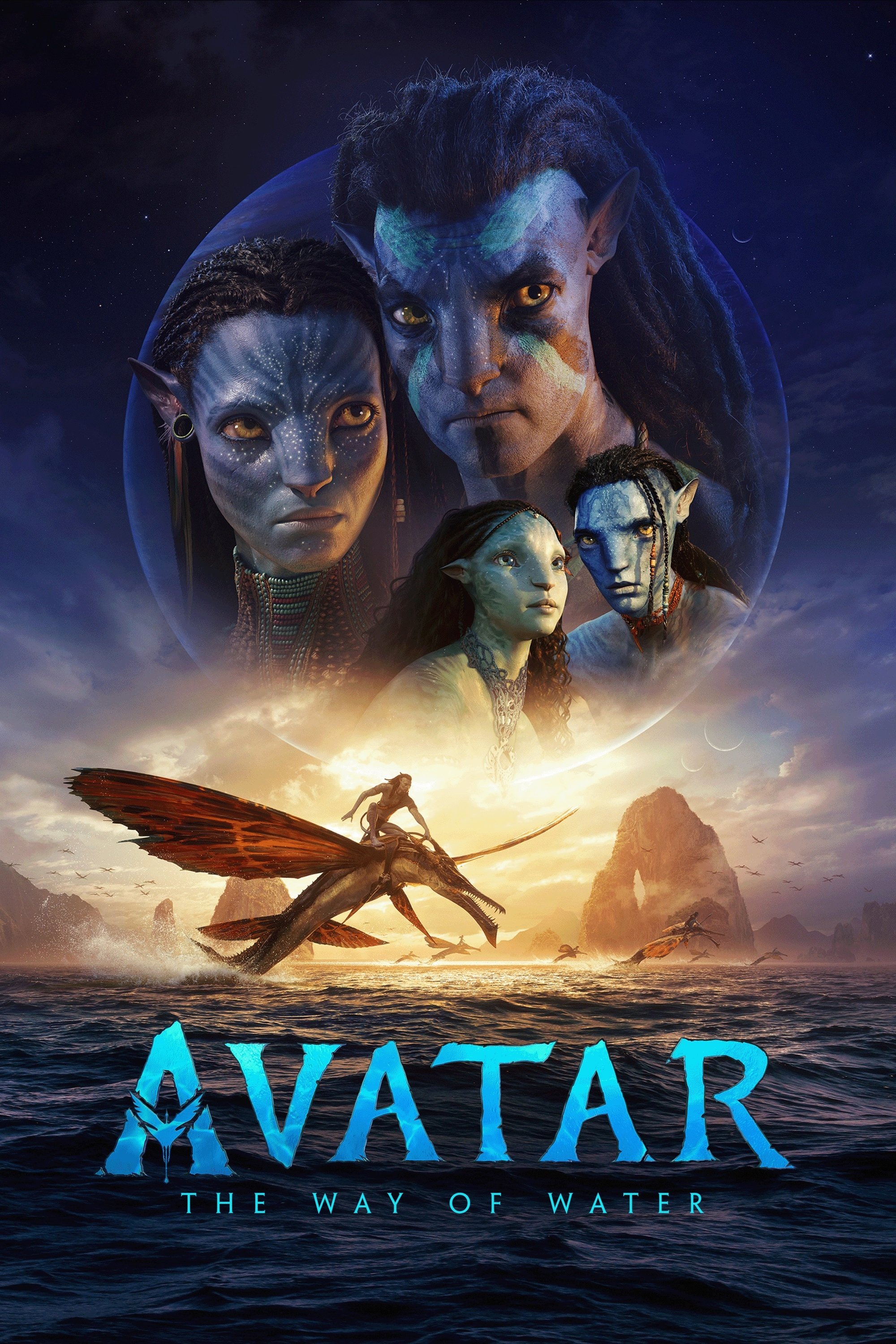
Added since this review first appeared: the interesting comparison now is with its own sequel, Avatar: The Way of Water (2022), which doubled down on the underwater world-building and proved the formula was no fluke. The film has settled into its reputation as the blockbuster that finally made 3D matter. It is now widely available on disc and digital, with periodic cinema re-releases tied to each new sequel, and streams on Disney+ depending on your region.
BBFC content advice
Rated 12A by the BBFC for moderate violence, threat, language. The notes below may contain spoilers.
Violence: There are battle scenes in which characters are killed or injured. There is sight of arrows piercing bodies, and heavy kicks and punches. A fantastical creature is repeatedly stabbed.
Threat and horror: Battle scenes are prolonged and intense, and feature threat to heroic characters.
Language: There is moderate bad language (‘bitch’), as well as milder terms such as ‘ass’, ‘piss’, ‘shit’, ‘screw’, ‘nuts’, ‘dick’, ‘crap’, ‘balls’, ‘bastard’, ‘freaking’, ‘damn’, ‘God’, ‘butt’, ‘hell’ and ‘Jesus’.
Additional issues: There are mild comic sex references, such as to “finding tail”, as well as other innuendo. Discrimination includes a soldier referring to a comrade in a wheelchair as “meals on wheels” and “just wrong”. Characters smoke cigarettes.
Source: British Board of Film Classification (bbfc.co.uk).