
- UK release: July 2009
- Director: Duncan Jones · Writer: Nathan Parker; story by Duncan Jones
- Studio / distributor: Liberty Films; Xingu Films; Sony Pictures Classics / Stage 6 Films
- Genre: Science fiction drama / psychological thriller · Runtime: 97 minutes (BBFC 15)
- Main cast: Sam Rockwell (Confessions of a Dangerous Mind, The Green Mile) as Sam Bell; Kevin Spacey (American Beauty, The Usual Suspects) as the voice of GERTY; Dominique McElligott as Tess Bell; Benedict Wong (Sunshine) as Thompson
- Rotten Tomatoes: 90% critics / 89% audience · My rating: 7.5 / 10
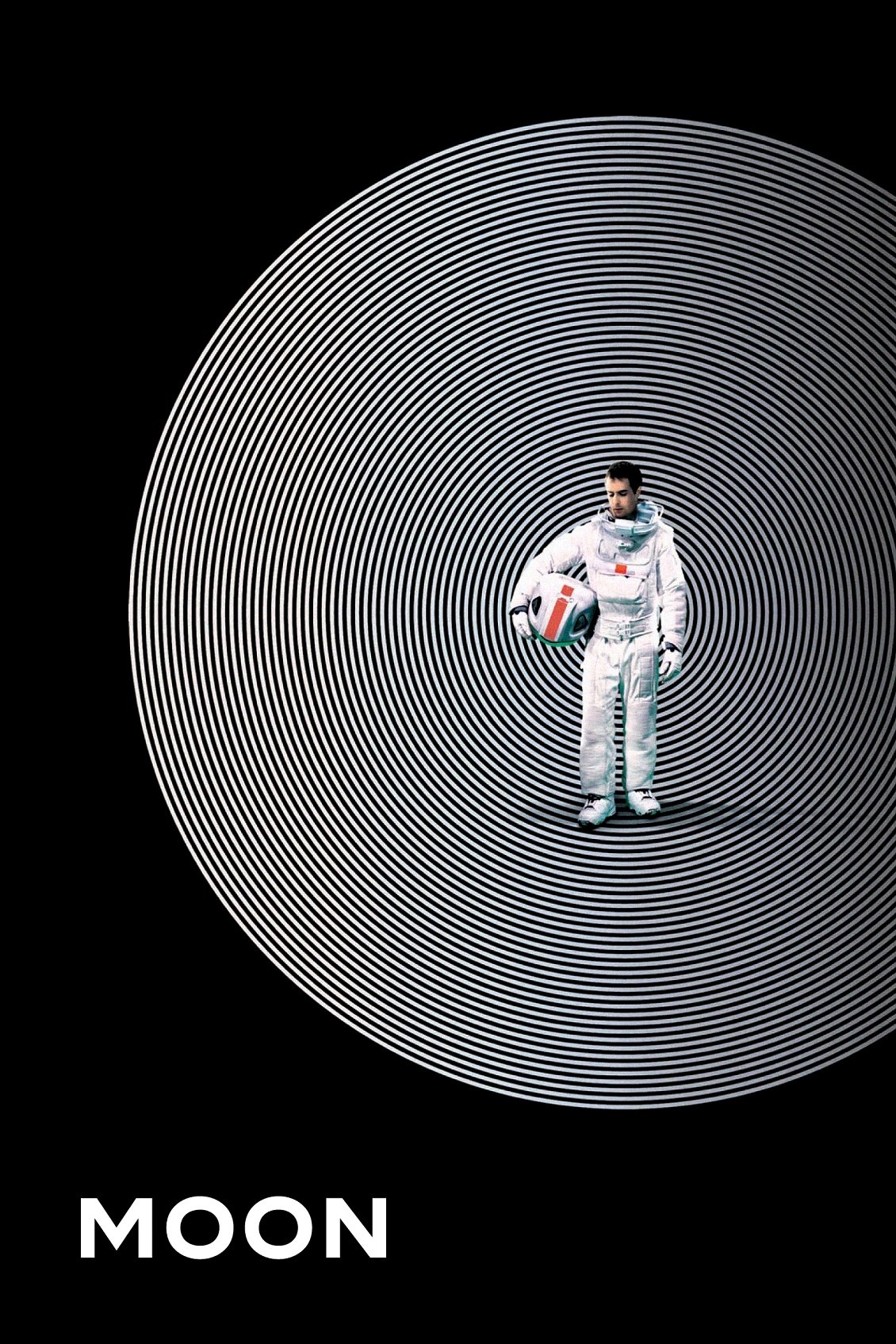
Science fiction at the moment means money. The genre on cinema screens this year is defined by budgets the size of small nations and frame rates engineered to sell tickets twice. Moon arrives from the opposite direction. It is a first feature from Duncan Jones, made for a reported five million dollars on a single soundstage, and it deliberately reaches back past the spectacle era to the thoughtful, lonely science fiction of the 1970s. It belongs in a sentence with Silent Running and Solaris rather than with anything currently opening on the screen next door, and that lineage is worn openly and earned.
The setup
Sam Bell (Sam Rockwell) is coming to the end of a three-year solo contract on the far side of the Moon, where he oversees an automated operation harvesting helium-3 to power a depleted Earth. His only company is GERTY, the base computer, voiced by Kevin Spacey with unnerving calm. The pattern of his days has worn smooth: maintain the harvesters, send the canisters home, count down to a reunion with his wife Tess (Dominique McElligott) and the daughter he has only seen on video. Then his health starts to fail, an accident out on the surface goes wrong, and the orderly fiction of his last weeks begins to come apart. The less said about what he finds, the better, because the film unfolds its central idea as a slow, controlled reveal rather than a twist sprung for shock.
The cast
This is very nearly a one-man film, and Rockwell carries it without strain. He is best known for spikier, faster work, the patter and swagger of Confessions of a Dangerous Mind, and the surprise here is how much restraint he brings to a man who is exhausted, homesick and quietly coming undone. He has to play loneliness as a physical condition, hold the screen against an empty room, and shade in differences of mood and bearing that the script asks a great deal of, and he never lets the seams show. It is a generous, unshowy performance that anchors everything around it.
The other voice in the room is GERTY, and casting Spacey is the film’s sharpest joke and its quiet defence at once. A computer with an array of yellow emoticons for a face and Spacey’s measured tone invites you to expect HAL, and Moon knows it. What it does with that expectation is the most thoughtful thing in the picture.
The craft
For a film made on so little, Moon looks remarkable. Jones and cinematographer Gary Shaw build the lunar surface with miniatures and models rather than rendered weightlessness, and that tactile, hand-built quality is exactly right for a film in conversation with the practical effects of the era it admires. The base is convincingly lived-in and slightly grubby, a real workplace rather than a showroom. Clint Mansell’s score does a great deal of the emotional work, a spare, circling piano figure that carries the ache of the setting without ever pushing. At ninety-seven minutes the film is tight and patient in equal measure, content to sit with its single character and let the idea breathe.
How it stacks up
The reference points are deliberate. The isolation and the watchful machine come straight from 2001: A Space Odyssey, the eco-melancholy and the lone caretaker from Silent Running, the grief and the unreliable surroundings from Solaris. Moon is not as profound as the films it nods to, and it is more conventional than it first appears, resolving into a tighter, more plot-driven shape than its meditative opening promises. But it understands what made those films work, the way a contained, low-key science fiction premise can say more about being human than any amount of spectacle, and it puts that understanding to good use. As a calling card for a first-time director it is hard to beat.
Critics versus the rest of us
Critics are close to unanimous, with Rotten Tomatoes sitting around 90%, and audiences are barely a step behind. The praise lands where you would expect: Rockwell’s performance, Mansell’s score, the loneliness of the setting, the welcome return to ideas over noise. I share most of that and would push back gently on a little of it. The reception treats Moon as a minor classic almost on arrival, and I think it is a very good film rather than a great one. The central concept is strong and well handled, but once it is in play the story takes a fairly straight line to its conclusion, and the back half trades some of the eerie ambiguity of the opening for tidier mechanics.
Verdict
Moon is intelligent, atmospheric, beautifully made on a shoestring, and built on a performance that deserves the attention it is getting. It is the kind of science fiction I always want more of, the sort that trusts an audience to sit still and think. What keeps it just short of the top tier, for me, is rewatch value: once you know where it is going, a film this dependent on its central reveal gives a little less back on a second visit, and I admire it more than I love it. As a debut it is genuinely exciting, and as an evening at the cinema it is a quiet, satisfying one. 7.5⁄10.
Availability: On limited release in UK cinemas now, and worth seeking out on the biggest screen still showing it.
Update
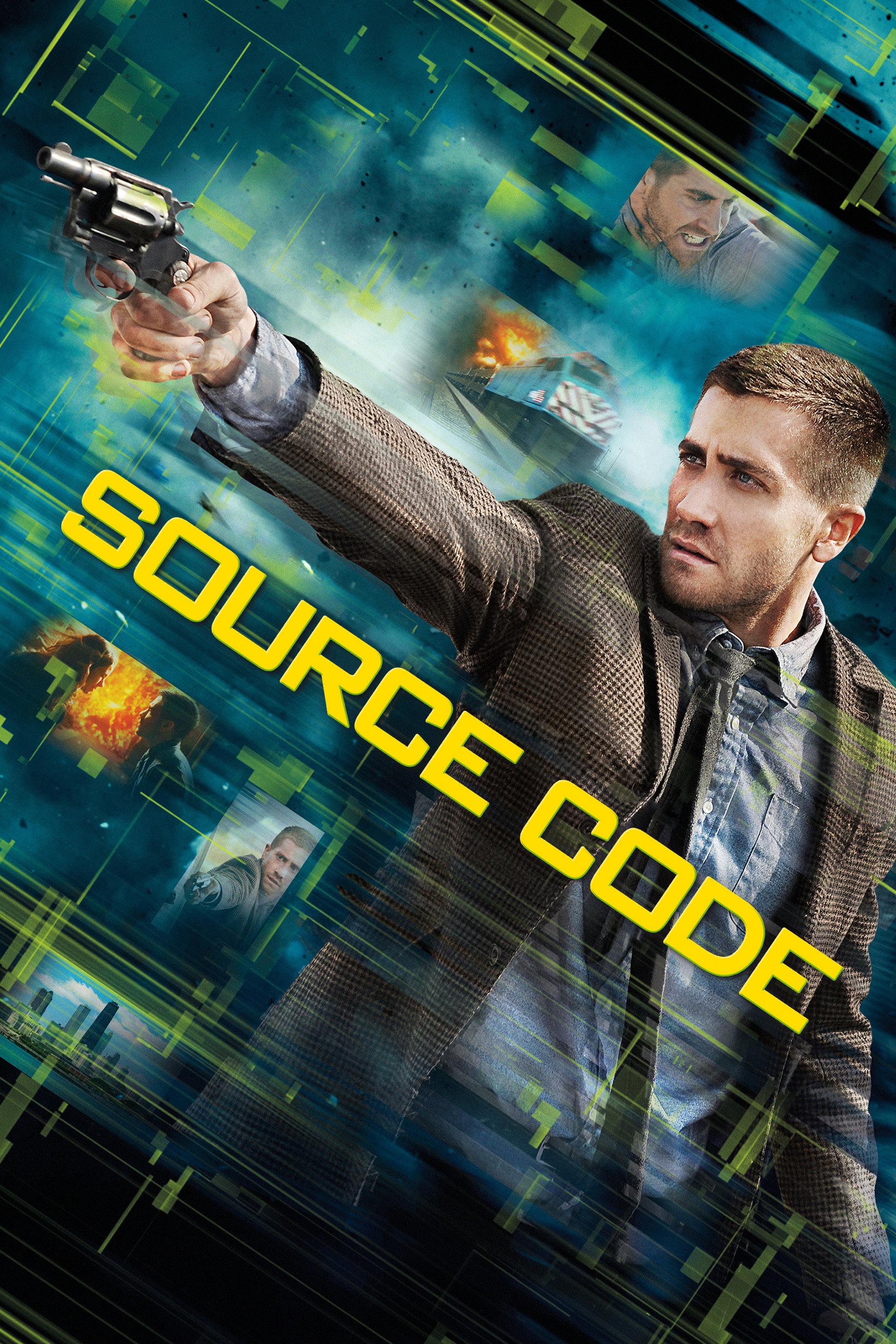
Added since this review first appeared: Duncan Jones followed Moon with Source Code (2011), another tight, idea-led science fiction film that confirmed the debut was no accident, before the studio scale of Warcraft (2016) pulled him in a different direction. Moon has held its standing as one of the best low-budget science fiction films of its decade and a benchmark for what a contained premise and a committed lead performance can achieve. It is widely available on Blu-ray and 4K, and streams on the usual platforms depending on region.
BBFC content advice
Rated 15 by the BBFC for strong language. The notes below may contain spoilers.
Violence: There is a fight scene in which a man applies a choke hold to another man.
Threat and horror: There is an unsettling tone throughout as a man becomes increasingly paranoid and isolated.
Language: There is use of strong language (‘fk’, ‘motherfker’) throughout, as well as milder terms such as ‘bastard’, ‘shit’ and ‘crap’.
Sex: The film also contains a mild sexual scene, in which a man removes a woman’s top before moving on top of her. There are also some mild sex references, including to ‘getting laid’.
Drugs: There is a brief reference to what a man is smoking, when it’s suggested he’s not coping.
Injury detail: There are some gory images, including when an injured man vomits up blood.
Nudity: There is brief buttock nudity as a man showers.
Source: British Board of Film Classification (bbfc.co.uk).