
- UK release: October 2025
- Director: Joachim Rønning · Writers: Jesse Wigutow, Jack Thorne
- Studio / distributor: Walt Disney Pictures; Sean Bailey Productions
- Genre: Cyberpunk science fiction action · Runtime: 119 minutes (BBFC 12A)
- Main cast: Jared Leto (Dallas Buyers Club, Blade Runner 2049) as Ares; Greta Lee (Past Lives) as Eve Kim; Evan Peters (X-Men: Days of Future Past, Mare of Easttown) as Julian Dillinger; Gillian Anderson (The X-Files, The Crown) as Elisabeth Dillinger; Jeff Bridges (Tron, The Big Lebowski) as Kevin Flynn
- IMDb: 6.2 / 10 · Rotten Tomatoes: 55% critics / 84% audience · My rating: 8 / 10
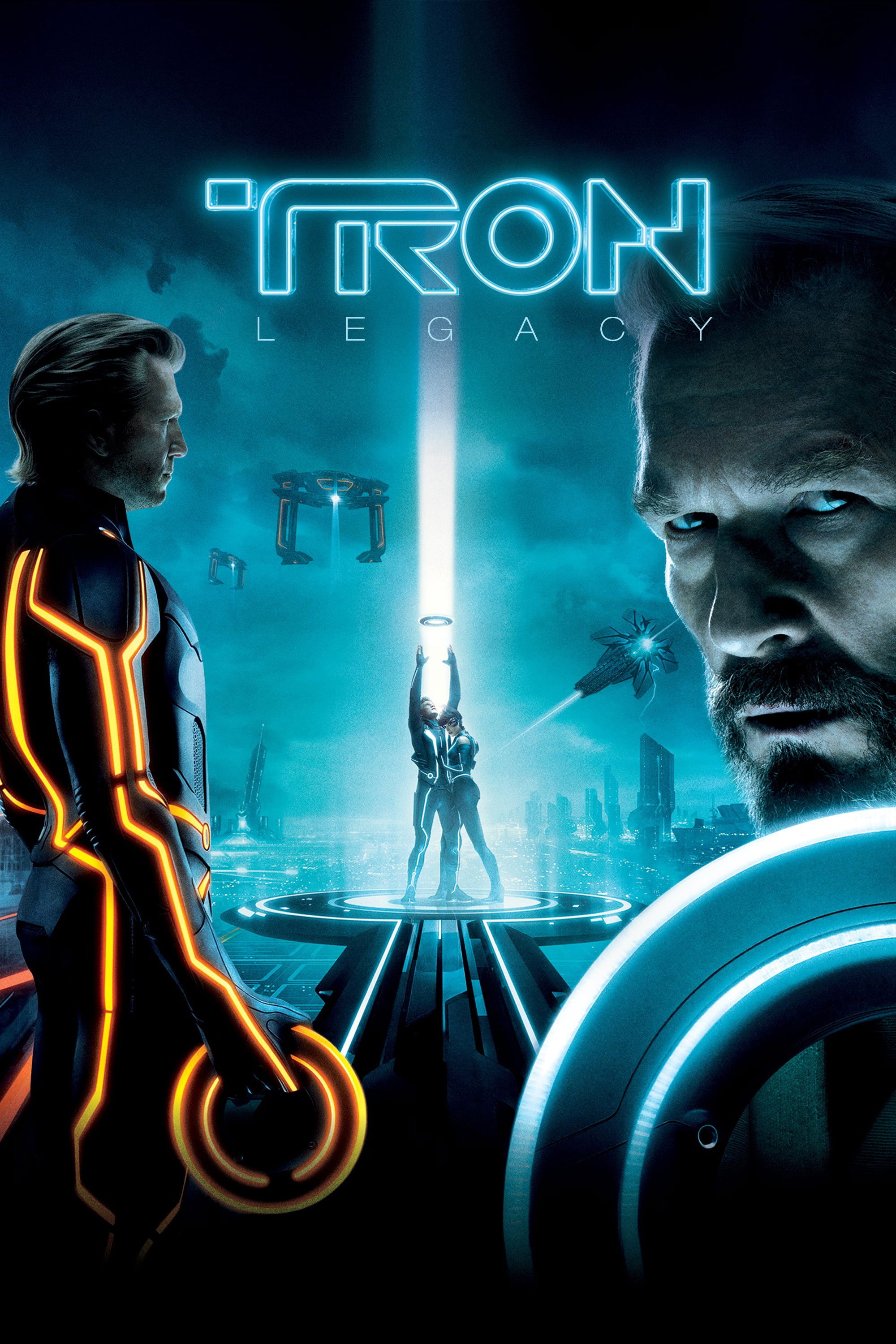
It has been fifteen years since Tron: Legacy took a property nobody much remembered and turned it into the most beautiful argument for a soundtrack ever bolted onto a thin script. That film lived and died on Daft Punk and the way light moved across black; the plot was an afterthought, and it did not stop me watching it more times than I would admit to. Tron: Ares arrives with the same gamble loaded and a different play. This time the Grid does not pull a human in. It sends one of its own out, into our world, with Nine Inch Nails handling the noise. The question is whether a Tron film survives leaving the one place it has ever looked at home.
The setup
Ares (Jared Leto) is a programme, a digital soldier of frightening capability, dispatched out of the digital world and into reality as two technology companies race for a piece of code that would let an artificial being hold together in our world for longer than a few minutes. Eve Kim (Greta Lee) runs one of those companies and has reasons of her own to want the breakthrough; Julian Dillinger (Evan Peters), heir to the surname that has shadowed this franchise since 1982, wants it for colder ends, with his mother Elisabeth (Gillian Anderson) presiding over the family firm. What follows is a chase for permanence, a thing that thinks it is alive trying to stay that way, with the Dillinger and Flynn legacies still grinding against each other in the background.
The cast
Leto is well cast as a being learning what it is, all stillness and watchfulness, a machine working out the rules of a world it was not built for, and he resists the temptation to oversell the awakening. Greta Lee, fresh from the quiet precision of Past Lives, gives Eve more interior life than the screenplay strictly provides, and grounds the film whenever it threatens to float off into pure surface. Evan Peters enjoys himself as the entitled corporate heir without quite tipping into pantomime. Gillian Anderson lends her few scenes the cold authority she can summon in her sleep. Jeff Bridges returns as Kevin Flynn, the thread back to the original, and his presence is more benediction than role, a reminder of where all this neon came from.
The craft
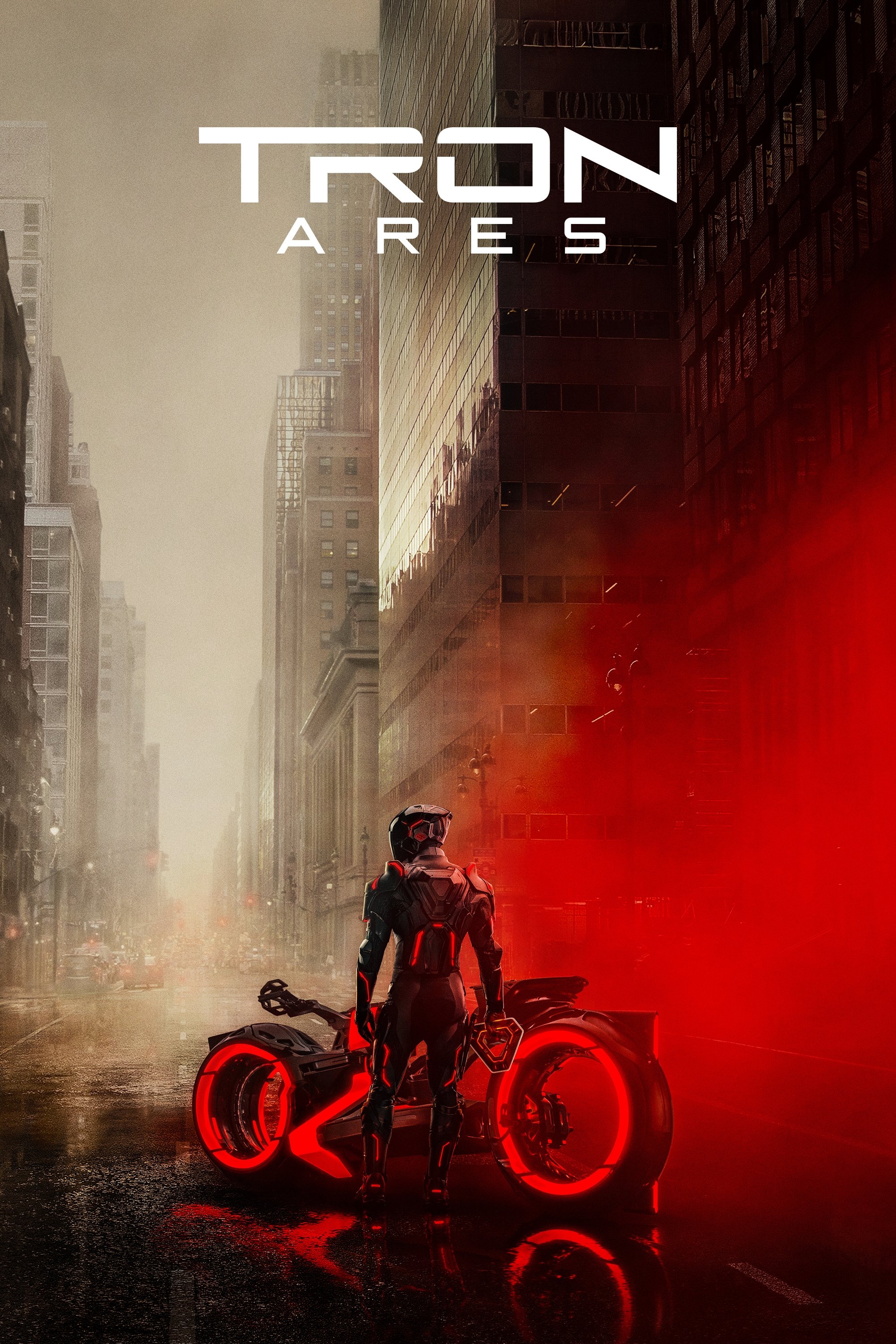
This is where the film earns its keep. Jeff Cronenweth shoots it with real weight, and the central inversion, dragging the Grid’s glow out onto rain-slicked night streets, gives the design team something new to do rather than another circuit-board horizon. The light-cycles and the angular, hard-edged hardware look superb in motion, and a chase that splits a car cleanly in two is the kind of image this series exists to deliver. Above all there is the Nine Inch Nails score, an industrial throb that does for Ares what Daft Punk did for Legacy, carrying scenes the dialogue cannot and giving the whole thing a pulse. Turn it up, sit close, and the film works on you below the level of plot.
How it stacks up
The obvious measure is Tron: Legacy, and Ares shares its DNA exactly: gorgeous, sonically intoxicating, narratively undernourished. It reaches for the company of better company than it keeps, Blade Runner 2049 for the rain and the melancholy machines, Ex Machina and The Matrix for the questions about what a thinking program owes itself, and it does not have the script to stand among them. What it has instead is commitment to its own look and sound, and a willingness to take the franchise somewhere it has not been. As spectacle it sits a clear step above most of what passes for blockbuster science fiction this year.
Critics versus the rest of us
The split is stark and entirely predictable. Critics are sitting around the middle, near 55%, praising the visuals and the score while marking the film down for a thin story and the decision to spend so much of its time away from the Grid. Audiences are markedly warmer, in the eighties. I land with the crowd, and I know why. If you want a tight screenplay, the critics have a point and you should listen to them. If you want to be put inside a world that looks and sounds like nothing else on a cinema screen, the consensus is undervaluing what is in front of it.
Verdict
I am the target audience for this, and I will not pretend otherwise. I gave Legacy a nine for exactly these pleasures, and Ares delivers most of them: a world I want to live in for two hours, hardware I want to look at, and a score I will have on long after the film is back on the shelf. The story is the weak link, the emotional stakes never bite quite as hard as the cancer subplot wants them to, and that is what keeps it a notch below its predecessor. None of it stops me wanting to see it again on the biggest screen and the loudest speakers I can find. 8⁄10.
Availability: In UK cinemas now, in IMAX and 3D. See it loud.
Update
Added since this review first appeared: the verdict has settled roughly where it opened, a film whose audience scores comfortably outran its critics, remembered for its look and its Nine Inch Nails score more than its plot, much as Tron: Legacy is remembered for Daft Punk. It has since arrived on digital and disc and streams on Disney+, where it plays well at home with the volume up, though the scale of the cinema and IMAX presentation is the version worth chasing.
BBFC content advice
Rated 12A by the BBFC for moderate violence, threat. The notes below may contain spoilers.
Violence: Stylised fight scenes include impactful punches, kicks and use of bladed futuristic weapons. In one scene, a character is stabbed, resulting in bloodstained clothing. Artificially intelligent avatars disintegrate into blocks of non-organic matter as a result of fantastical violence.
Threat and horror: Characters fall from height and are threatened with gun violence. A car is lasered in half during a high-speed chase sequence. Panicked civilians flee and debris falls from crumbling skyscrapers during a fantastical attack. Scenes are intercut with comic moments and result in ultimately reassuring outcomes.
Language: Bad language includes uses of ‘shit’, ‘goddam’ and ‘hell’.
Theme: Upsetting scenes are centred on a person’s death from cancer.
Flashing/flickering lights: This work contains flashing images which may affect viewers who are susceptible to photosensitive epilepsy.
Source: British Board of Film Classification (bbfc.co.uk).