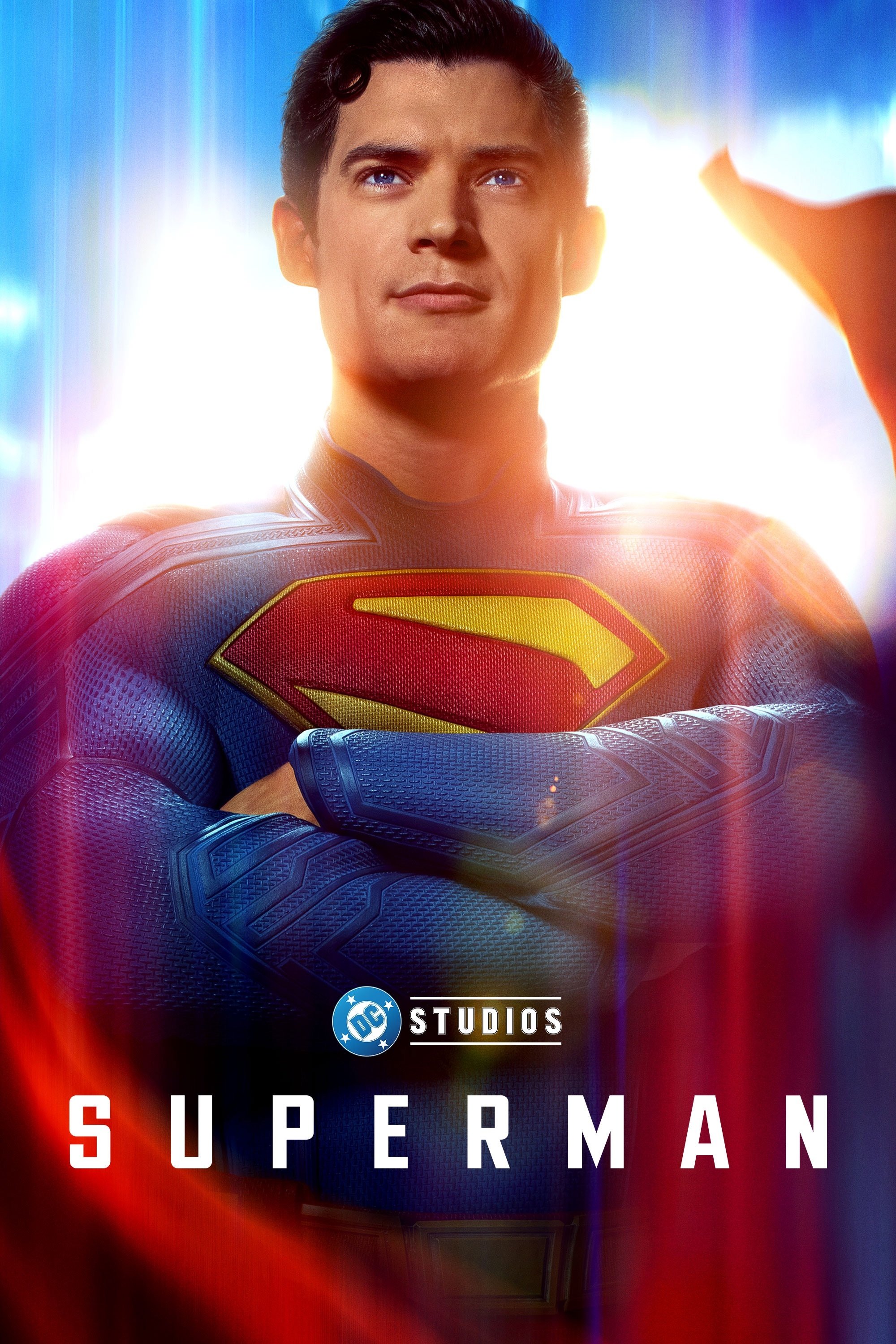

- UK release: July 2025
- Director: James Gunn · Writer: James Gunn
- Studio / distributor: DC Studios; Warner Bros. Pictures
- Genre: Superhero adventure / science-fiction fantasy · Runtime: 129 minutes (BBFC 12A)
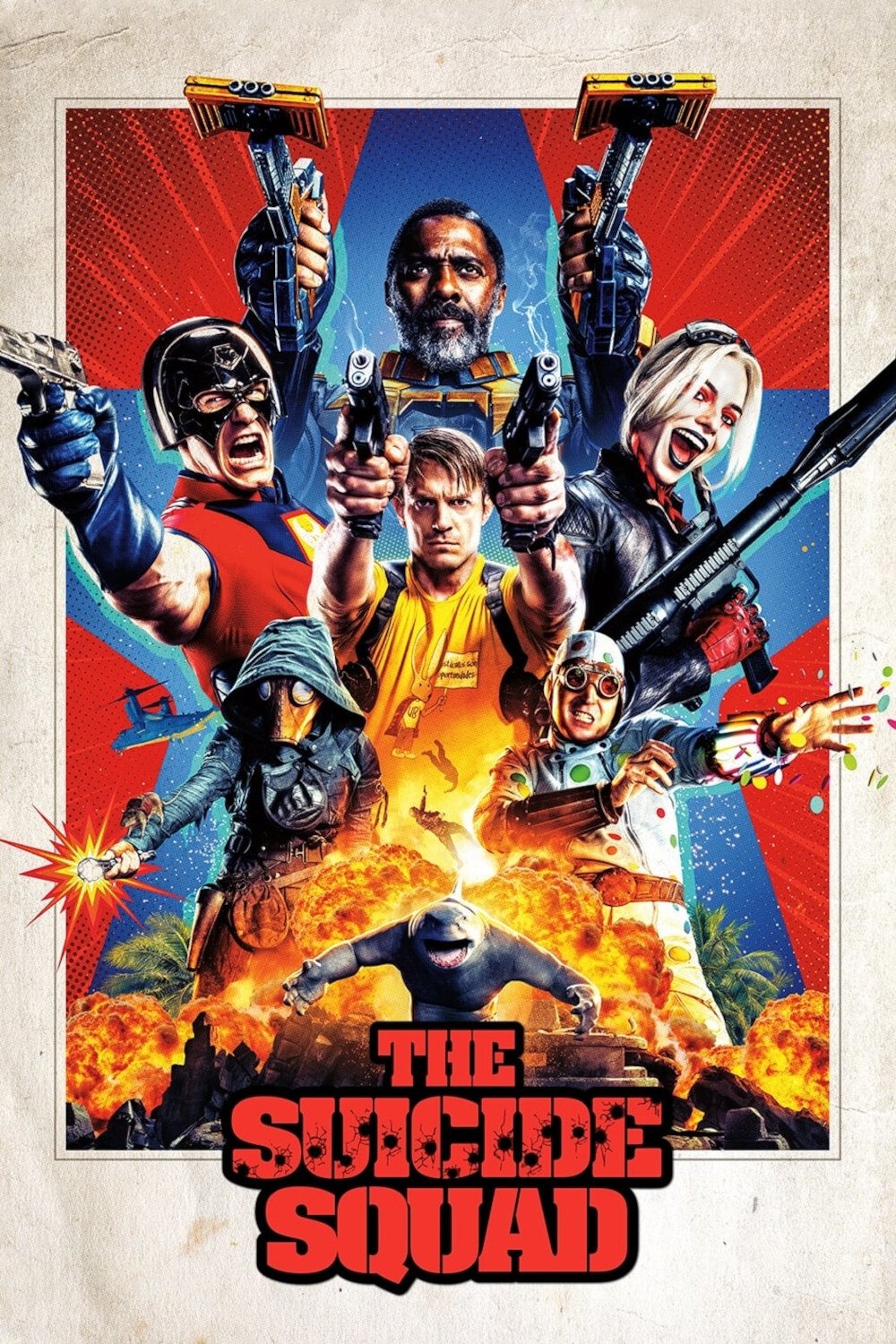
- Main cast: David Corenswet (Pearl) as Clark Kent / Superman; Rachel Brosnahan (The Marvelous Mrs. Maisel) as Lois Lane; Nicholas Hoult (Mad Max: Fury Road, The Menu) as Lex Luthor; Edi Gathegi (X-Men: First Class) as Mister Terrific; Nathan Fillion (Firefly, The Suicide Squad) as Guy Gardner
- IMDb: 7.0 / 10 · Rotten Tomatoes: 83% critics / 90% audience · My rating: 8 / 10
There is a particular pressure on the first film of a new universe, and Superman carries more of it than most. James Gunn, fresh from the Guardians of the Galaxy films and The Suicide Squad, has been handed the keys to the whole DC slate, and rather than ease in with a side character he has walked straight up to the most difficult hero in the canon. Superman is hard to write because he is almost impossible to threaten and almost impossible to make interesting while being good. The recent fashion, Zack Snyder’s Man of Steel most of all, was to make him brooding and reluctant and weighed down by the burden of being a god. Gunn’s answer is the opposite, and braver for it: he makes a Superman who simply wants to do the right thing, and dares you to find that uncool.
The setup
We skip the origin entirely. By the time we meet him, Clark Kent (David Corenswet) has been Superman for three years, is already in a relationship with Lois Lane (Rachel Brosnahan), and has just lost a fight, which is where the film opens. The world has not settled on whether it trusts him. He has intervened in a conflict between two nations without anyone asking him to, and that act of unilateral goodness is precisely what Lex Luthor (Nicholas Hoult) needs to turn public opinion against him. Luthor is not robbing banks here; he is running a campaign, weaponising distrust, fielding his own engineered metahumans and picking apart the idea that an alien with this much power should be allowed to decide what is right. The film is busy around the edges with other heroes and a city under threat, but the spine is simple: can a sincerely good man survive a cynical world that has learned to read sincerity as a threat.
The cast
Corenswet is the find. He plays Clark with an open, slightly bruised decency and never once winks at the camera, which is the trap most modern Supermans fall into. He looks the part without seeming carved from it, and he makes the kindness feel like a choice rather than a default setting. Brosnahan’s Lois is the equal the role has always needed, quick and sceptical, and the long interview scene where she presses Clark on his interventions is the best two-hander in the film. Hoult gives Luthor a thin-skinned, terminally online petulance under the genius, a man whose hatred is really wounded vanity, and it is a more modern and more frightening Luthor for it. Around them Gunn fields a deep bench, Edi Gathegi’s coolly competent Mister Terrific and Nathan Fillion’s gloriously obnoxious Guy Gardner among them, and the ensemble mostly earns its keep, though there are moments when the film feels like it is auditioning a roster as much as telling a story.
The craft
Gunn directs with the colour turned back up. Henry Braham’s photography gives Metropolis a bright, comic-book clarity that is a deliberate rebuke to the grey-blue palette superhero films have been stuck in for a decade, and the action has a legibility that the genre too often forgets, you can see who is hitting whom and why. The pacing is brisk to the point of breathless; at 129 minutes the film is doing the work of a launch pad and a standalone story at once, and you feel the join. The score, by John Murphy and David Fleming, knows when to quote the John Williams fanfare and when to hold back. There is real wit in the staging, and a flying dog called Krypto who could have been unbearable and instead becomes the film’s secret weapon, but the design and texture of this world, the gadgetry, the pocket-universe science fiction at the margins, is what makes it a place you would happily return to.
How it stacks up
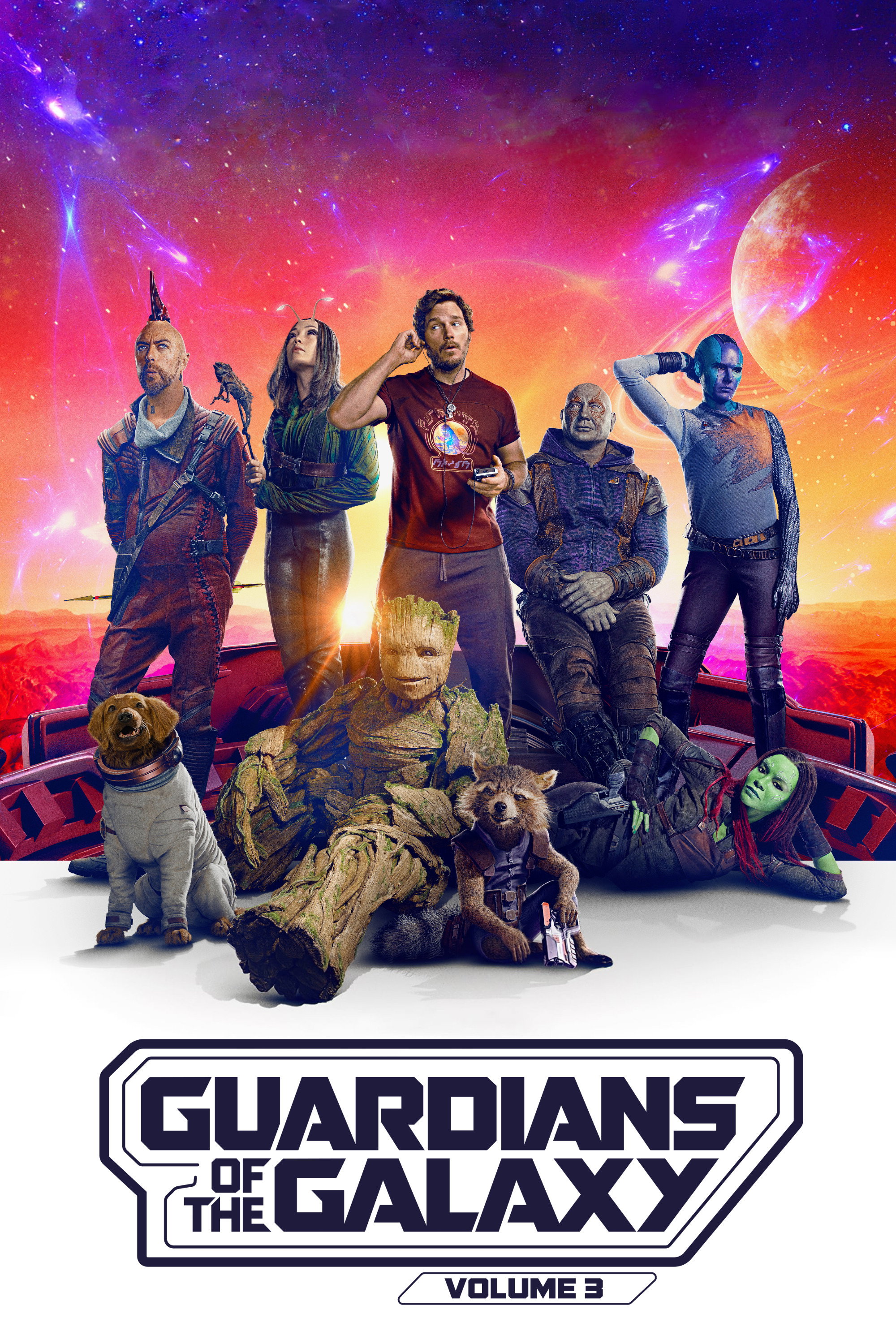
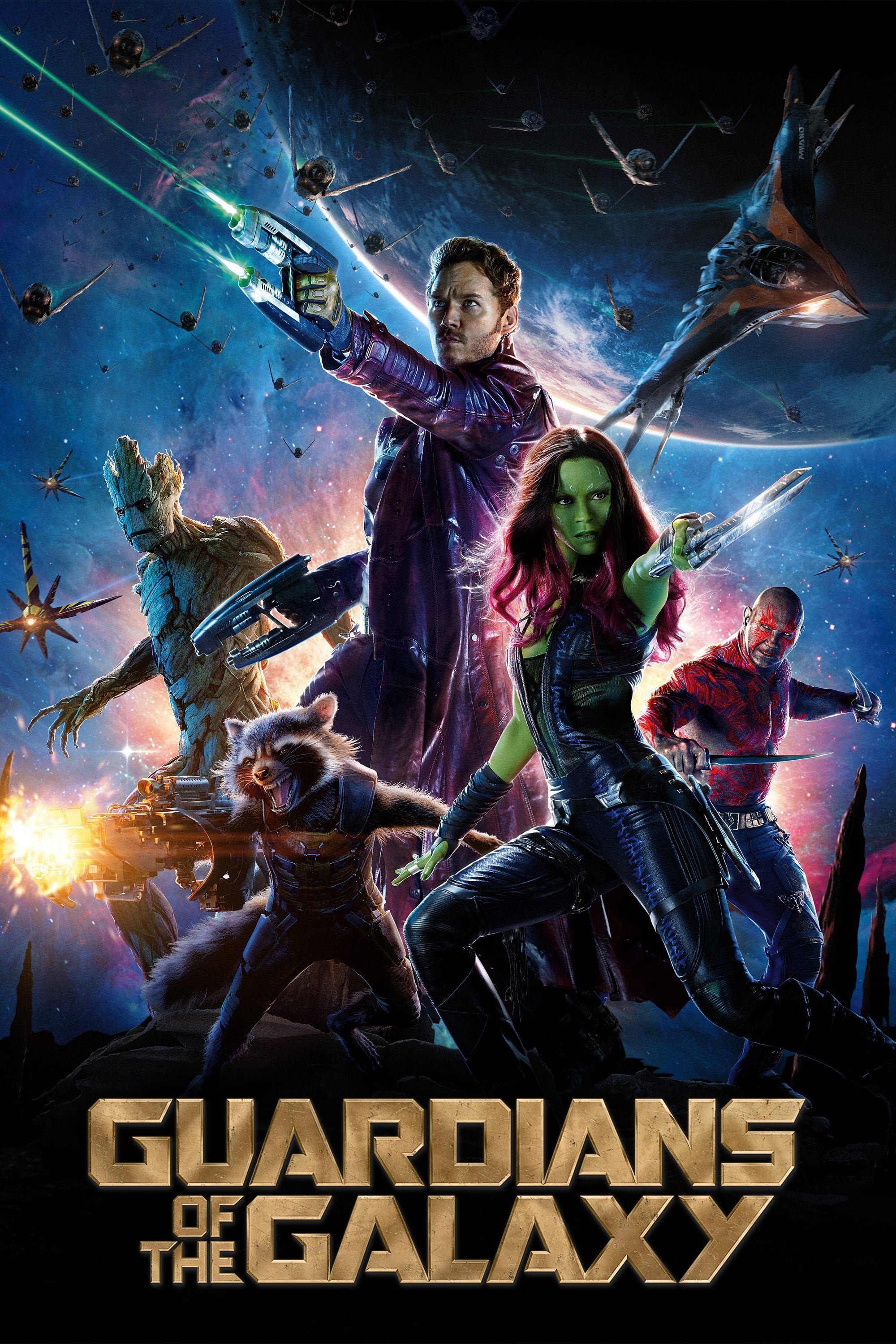
The obvious measure is Superman: The Movie, and Gunn is clearly reaching for that film’s earnest, hopeful register rather than Snyder’s gravity. Where Donner’s film took its time, this one sprints, and it trades some of that grandeur for energy and density. Against Man of Steel it is a clear corrective: warmer, funnier, more interested in why we want a Superman than in how much collateral damage he can cause. The closer comparison may be Gunn’s own Guardians films, a found-family ensemble run on sincerity and needle-drops, or even The Incredibles in its conviction that doing good openly is heroic rather than naive. It does not have the clean, iconic simplicity of the 1978 film, but it is the most likeable big-screen Superman since.
Critics versus the rest of us
The split is mild but telling. Critics are warm, around 83%, praising the sincerity and Corenswet, while flagging the crowded ensemble and the sense of a universe being assembled in real time around the story. Audiences are warmer still at 90%, which feels right: this is a film that plays better than it parses. The franchise scaffolding is a fair criticism, and there are stretches where the film is plainly doing setup. But the thing critics sometimes undervalue is on full display, a superhero film that is actually pleasant to watch, that wants you to leave the cinema hopeful rather than wrung out.
Verdict
This lands just below the very top tier for me, and the gap is the reboot machinery rather than the heart. The plot is occasionally a delivery system for a wider universe, and the breakneck pace costs it some weight. But Corenswet is the right Superman, the world is bright and inventive and worth revisiting, and Gunn has made the bravest possible choice by betting everything on the hero meaning it. It is funny, it is kind, it is rewatchable, and it sends you out lighter than you came in. As the first step of a new universe it could hardly have set a better tone. 8⁄10.
Availability: On general release in UK cinemas now, including IMAX. Worth the big screen for the flight sequences.
Update
Added since this review first appeared: this is the opening film of Gunn and Peter Safran’s rebooted DC Universe, and it should be watched as the foundation stone for what follows rather than a standalone. It is now available to buy and rent digitally, with a disc release for collectors, and reaches streaming in due course on the Warner platform. Its reputation has settled as the reset DC needed, the film that finally got Superman’s optimism right after a decade of trying to make him grim.
BBFC content advice
Rated 12A by the BBFC for moderate violence, threat, injury detail, language. The notes below may contain spoilers.
Violence: Moderate fantastical violence involves characters with superpowers, monsters and androids; these feature heavy blows, body slams, the use of bladed weapons, energy blasts, stranglings and the undetailed breaking and dislocation of fingers and limbs. A person is fatally shot, but without strong detail.
Threat and horror: Occasionally intense and sustained scenes of threat feature a fire-breathing creature menacing people, who are also endangered by collapsing buildings and rifts ripping up city streets; however, superheroes intervene to save them. A superhero is painfully debilitated by a substance to which he is vulnerable. There is also moderate gun threat.
Language: Moderate bad language (‘bitch’) and an implied use (‘dick’) features, as well as milder terms such as ‘asshole’, ‘shit’, ‘piss’, ‘fricking’, ‘screw’, ‘jerk’, ‘damn’, ‘hell’, ‘God’, ‘Jesus’ are included.
Additional issues: This work contains flashing images which may affect viewers who are susceptible to photosensitive epilepsy.
Source: British Board of Film Classification (bbfc.co.uk).