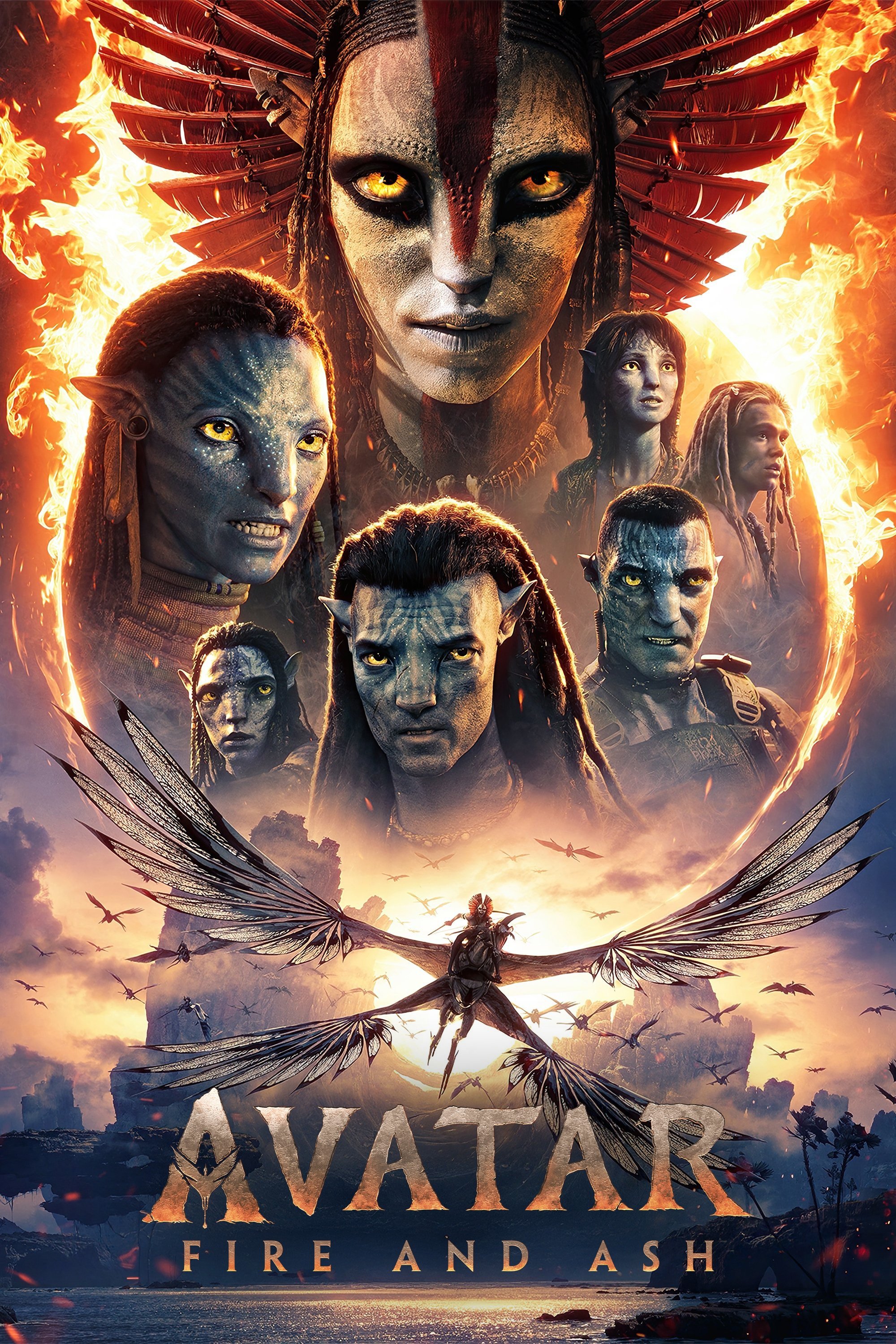

- UK release: December 2025
- Director: James Cameron · Writers: James Cameron, Rick Jaffa, Amanda Silver
- Studio / distributor: 20th Century Studios; Lightstorm Entertainment
- Genre: Science fiction adventure / ecological epic · Runtime: 197 minutes (BBFC 15)
- Main cast: Sam Worthington (Terminator Salvation, Avatar) as Jake Sully; Zoe Saldaña (Guardians of the Galaxy, Avatar) as Neytiri; Sigourney Weaver (Alien, Avatar: The Way of Water) as Kiri; Oona Chaplin (Game of Thrones, Taboo) as Varang; Stephen Lang (Tombstone, Avatar) as Colonel Miles Quaritch
- IMDb: 7.6 / 10 · Rotten Tomatoes: 66% critics / 90% audience · My rating: 8 / 10
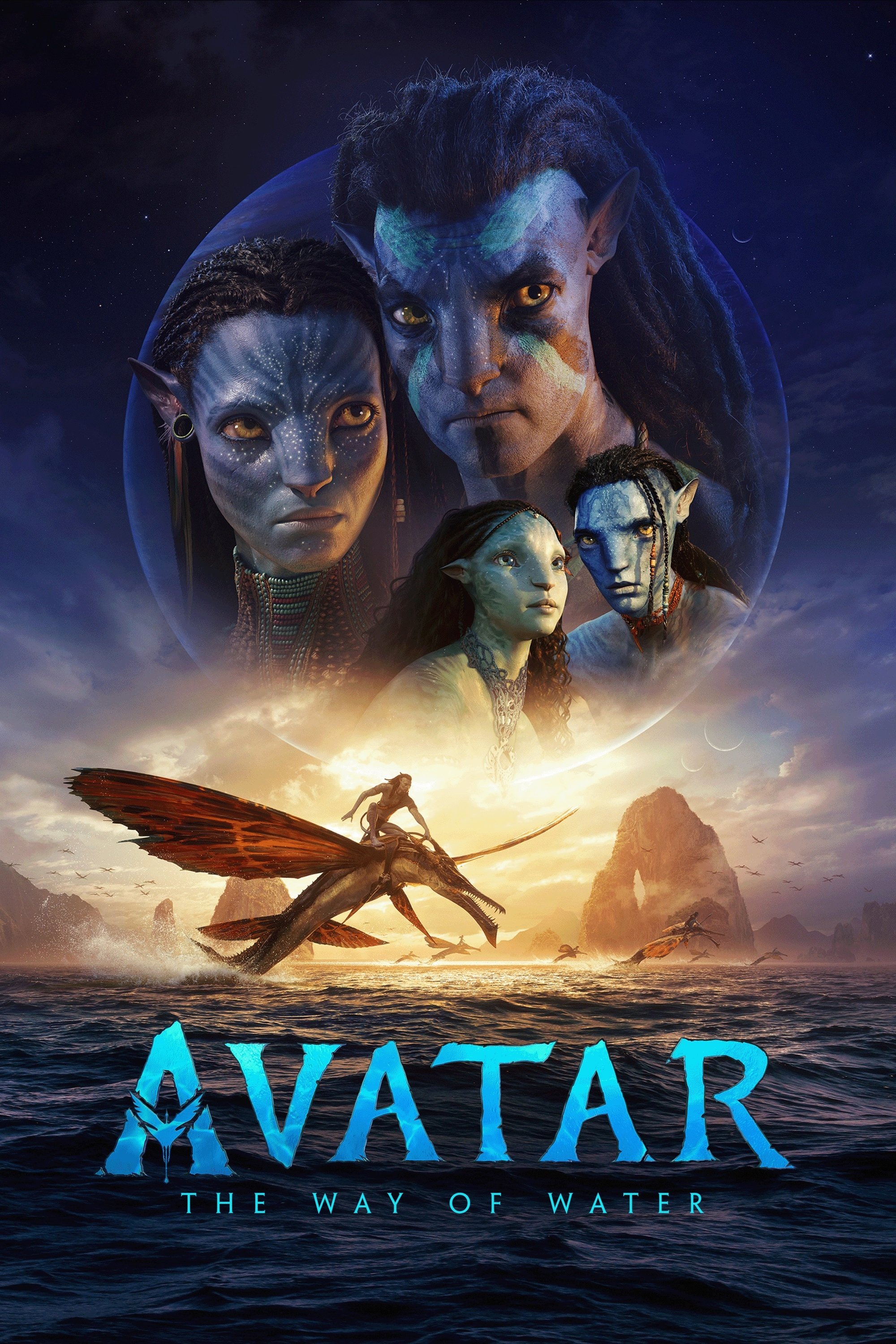
Three years on from Avatar: The Way of Water, James Cameron is back on Pandora with the third film in a sequence he has promised will run to five. The pattern by now is familiar: a new biome, a new branch of Na’vi culture, a new way for the camera to dissolve the line between live action and the entirely invented. What is different here is the temperature. The first two films sold paradise, oceans and forests rendered with a patience nobody else in the business can afford. Fire and Ash brings in a tribe who have lost their paradise, and it is the harder, angrier note in the trilogy so far.
The setup
The Sully family is still grieving. The losses of the last film hang over them, and the wider war for Pandora has not paused to let them mourn. Into that comes the Ash People, a Na’vi tribe led by Varang (Oona Chaplin), who live in a scorched volcanic country and have a far more combative relationship with Eywa, the planetary consciousness the forest clans treat as sacred. They are not simply villains imported to give Jake somebody to fight. They are a people shaped by hardship into something colder, and their quarrel is as much with the religion of the other Na’vi as with the humans. Quaritch (Stephen Lang), still walking around in a recombinant Na’vi body, is out there too, and the alliances are messier than the clean colonial set-up of the first film.
The cast
Worthington remains the dependable centre, less the audience’s wide-eyed entry point now and more a tired father holding a family together by force of will. Saldaña does the most affecting work; Neytiri’s grief and rage carry real weight, and the performance-capture has reached the point where you stop noticing it is a performance at all. Sigourney Weaver, playing Kiri rather than the scientist she was in the original, gives the spiritual strand its gravity, and it is a quietly strange thing to watch a veteran actor inhabit a teenage Na’vi without the seams showing. The newcomer is Oona Chaplin’s Varang, and she is the film’s best addition: proud, wounded, and convinced of her own righteousness, the rare antagonist in this series whose argument you can follow. Lang is reliably granite as Quaritch, though the script keeps trying to soften him and the film is sharper when it does not.
The craft
The craft is the reason these films exist, and on that count Cameron has not slipped. Russell Carpenter’s photography makes the ash country genuinely new, all embers and smoke and burnt-orange light, a deliberate break from the blues and greens we have come to expect from Pandora. The high frame rate is again used selectively rather than across the whole film, smoothing the action and leaving the quieter scenes alone. Simon Franglen’s score leans on the themes James Horner established without simply reprising them. At a few minutes past three and a quarter hours it is the longest of the three, and the length is the one place the spell wobbles: the middle act could lose a battle and a council scene without anyone missing them. When the film moves, though, it is as immersive as anything in cinemas.
How it stacks up
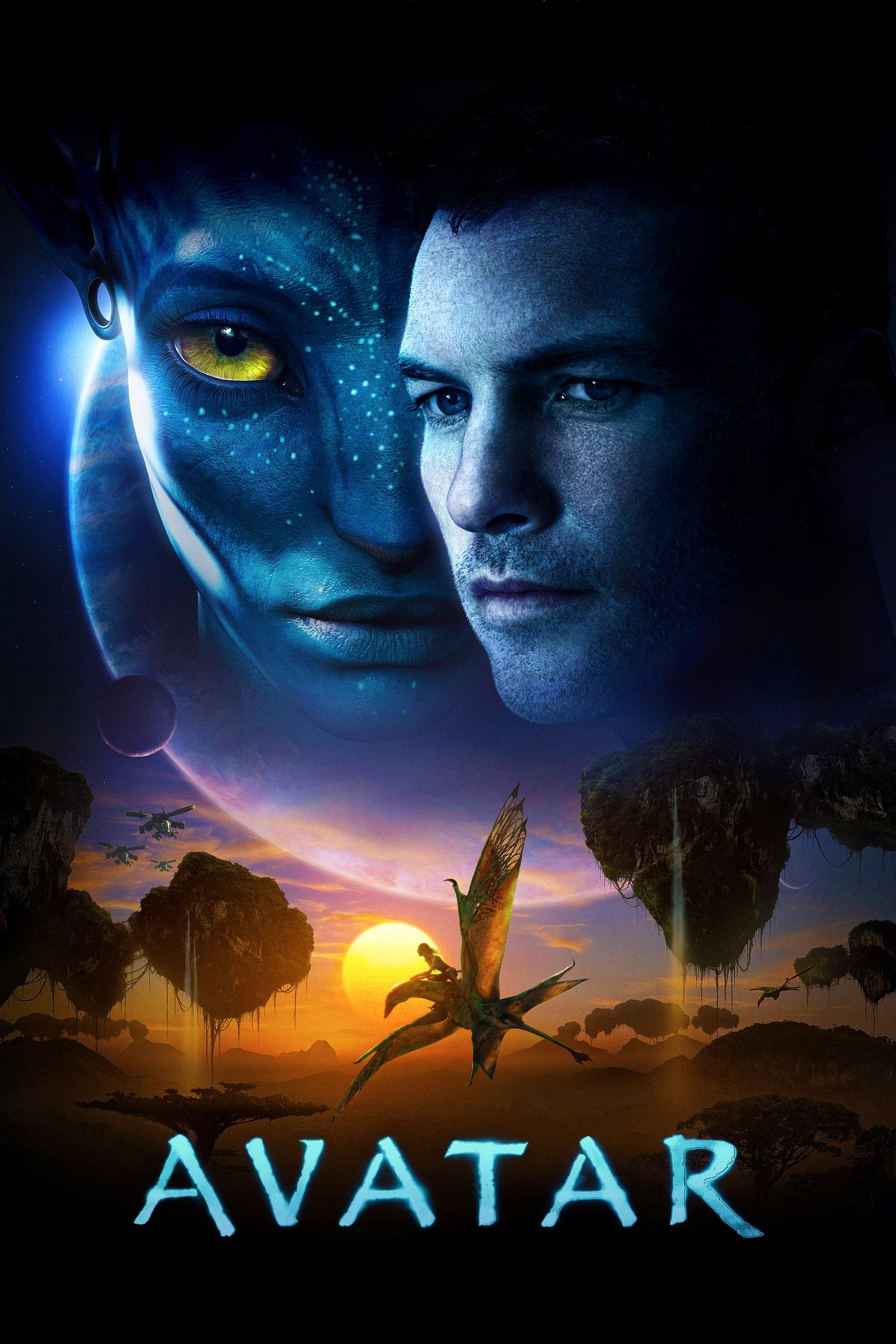
Set beside the first Avatar, the plotting is more ambitious and less clean; the simple parable has given way to a tangle of clans, faiths and grudges, which is the right direction even when it overreaches. Against The Way of Water it is the angrier, less serene picture, trading that film’s underwater calm for heat and conflict. The closest comparison outside the franchise is to Studio Ghibli’s Princess Mononoke, another story in which the spirits of a world and the people who exploit it are pulled into a war with no clean side, and Fire and Ash reaches for that moral murk more honestly than its predecessors did. It is not as tightly built as Dune, but it is doing something Dune does not, which is making an invented ecology feel inhabited rather than designed.
Critics versus the rest of us
The split is stark. Critics are sitting around 66%, the lowest the series has scored, with the familiar complaints about length and a story that rhymes too closely with what came before. Audiences are at 90%, one of the widest gaps the franchise has produced. I land closer to the crowd, while granting the critics their point about the running time. The reviews that call it overlong are not wrong; the ones that call it empty have not been paying attention to what Chaplin and the ash-country material are adding. This is the first Avatar film with a genuinely contested idea at its heart, even if it takes three hours to chew it.
Verdict
I value world-building, atmosphere and the kind of immersion that makes you forget the row of seats you are sitting in, and on all three this delivers. The grief gives it a weight the first film never had, Varang is the most interesting figure the series has produced, and the ash country is a real expansion of the world rather than a recolour. Against that, the length genuinely costs it, and the middle sags in a way the leaner first film never did. It is not quite the equal of the original for sheer novelty, but it is the most emotionally serious entry yet, and I will happily go back to Pandora for the next one. 8⁄10.
Availability: On general release in UK cinemas now. See it in 3D, HFR and on the largest IMAX screen you can reach; this is a film built for the biggest format available.
Update
Added since this review first appeared: as the third of a planned five-film sequence, Fire and Ash sets up threads, particularly Varang’s people and the fate of the Ash country, that the next instalment is expected to pay off. It will reach 4K disc and digital in the usual window after its theatrical run, and is expected to land on Disney+ thereafter, region depending. The wide critics-versus-audience gap noted above has held as the standard line on the film.
BBFC content advice
Rated 15 by the BBFC for violence, threat, injury detail, brief suicide references, drugs, language. The notes below may contain spoilers.
Violence: There are extended battle scenes in which combatants use guns, knives, bows and arrows, spears, sticks and other weapons to shoot, slash and stab one another. Hand-to-hand fighting includes punches, kicks, elbow and knee blows and head butts. People and vehicles are attacked by large fantastical creatures, sometimes resulting in explosions. Captured characters are briefly shown being beaten.
Threat and horror: Sustained sequences of threat include characters wielding both firearms and bladed weapons and chasing and capturing others, including children. Knives are held at people’s throats and characters are held at gunpoint. Characters experience a fantastical form of torture at the hands of their captor, but their suffering is not dwelt upon. A boy repeatedly experienced breathing difficulties.
Language: There is infrequent strong language (‘f***k’) along with milder terms such as ‘bitch’, ‘prick’, ‘shit’, ‘piss’, ‘ass’, ‘asshole’, ‘bastard’, ‘fricking’, ‘butt’, ‘damn’ and ‘hell’. There is also use of the middle finger gesture.
Sex: Characters occasionally make undetailed sexually suggestive comments to one another, and it is implied a couple shown in bed together have had sexual relations. Characters are shown kissing.
Drugs: A character is made to ingest a fantastical substance which causes him to experience hallucinogenic effects, which are expressed visually.
Injury detail: Blood and wounds are sometimes visible in the aftermath of battle, but detail is discreet. A man tends to a wound caused by an arrow in his leg. Characters suffer burn injuries during battles. Clouds of blood are briefly visible in water when fantastical marine creatures are attacked by hunters and there are brief shots of animal carcasses being butchered.
Suicide and self-harm: There are brief references to suicide.
Sexual violence and sexual threat: A female character is briefly subjected to verbal sexual harassment from a group of men; she responds to their behaviour defiantly.
Theme: Characters grieve for lost loved ones.
Flashing/flickering lights: This work contains flashing images which may affect viewers who are susceptible to photosensitive epilepsy.
Source: British Board of Film Classification (bbfc.co.uk).