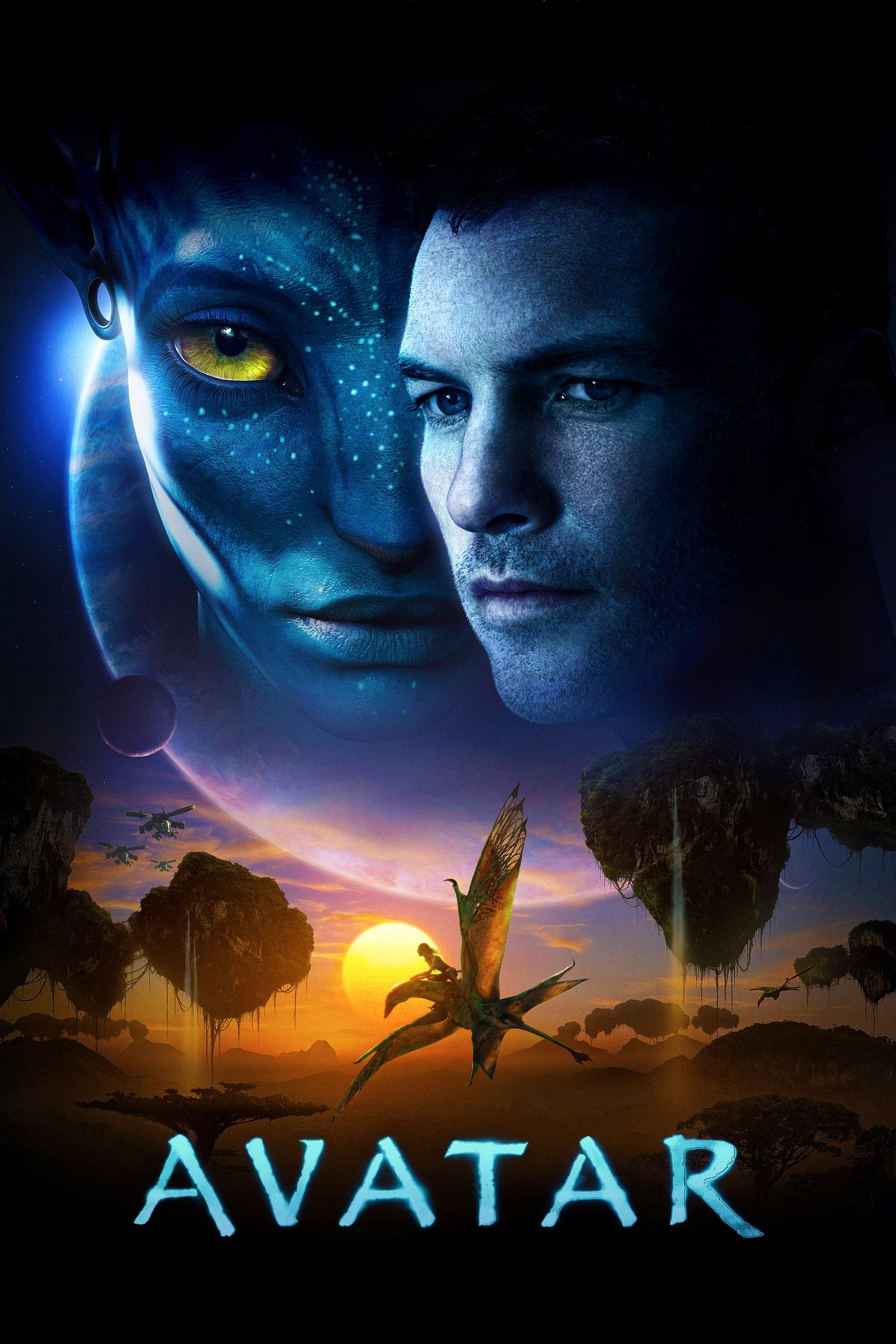


- UK release: December 2022
- Director: James Cameron · Writers: James Cameron, Rick Jaffa, Amanda Silver
- Studio / distributor: 20th Century Studios; Lightstorm Entertainment
- Genre: Science fiction adventure / ecological epic · Runtime: 192 minutes (BBFC 12A)
- Main cast: Sam Worthington (Terminator Salvation, Avatar) as Jake Sully; Zoe Saldaña (Star Trek, Guardians of the Galaxy) as Neytiri; Sigourney Weaver (Alien, Aliens) as Kiri; Stephen Lang (Tombstone, Avatar) as Colonel Quaritch; Kate Winslet (Titanic, Eternal Sunshine of the Spotless Mind) as Ronal
- IMDb: 7.5 / 10 · Rotten Tomatoes: 76% critics / 92% audience · My rating: 8.5 / 10
Thirteen years is a long time to keep a planet in a drawer. When Avatar opened in 2009 it made an absurd amount of money, settled the argument about 3D for a generation, and then more or less vanished from the conversation, the blockbuster everyone had seen and nobody seemed to quote. James Cameron took that as licence to disappear into the workshop again, and the studio took it as a reason to greenlight a sequel nobody was sure the world had been waiting for. The Way of Water arrives carrying that doubt, plus a runtime north of three hours, and the same open secret the first film carried: the story is not the reason to buy a ticket.
The setup
Some years on from the first film, Jake Sully (Sam Worthington) and Neytiri (Zoe Saldaña) have built a family among the forest Na’vi, and that quiet is broken when the sky people return and Colonel Quaritch (Stephen Lang) comes back wearing a new, Na’vi-shaped body and a very old grudge. To keep his children out of the firing line, Jake moves the family away from the forest and out to the reef clans, the Metkayina, whose entire way of living is built around the water. What follows is a long acclimatisation: a forest family learning to free-dive, to ride sea creatures, and to be tolerated by people who do not much want them, while the threat from above closes in by sea rather than by air. If that reads as the first film’s shape transplanted to the coast, it is, and I will come back to whether that matters.
The cast
Worthington has grown comfortably into Jake as a father rather than a convert, more weary patriarch than wide-eyed recruit, and the film leans on Saldaña’s Neytiri for its fiercest register, a mother whose protectiveness curdles into something frightening when her children are at risk. The interesting work, though, has shifted to the young cast and to Sigourney Weaver, who returns in an entirely new part as the teenage Kiri, a performance-capture role that asks a veteran to play a curious adolescent and somehow does not collapse into novelty. Stephen Lang’s Quaritch is the film’s neatest trick, a villain killed in the first film brought back with his memories intact and his certainties unshaken, which lets Lang play the same unrepentant company man with an added flicker of confusion about what he now is. Kate Winslet, reunited with her Titanic director, is almost unrecognisable as the reef leader Ronal, all watchful authority; it is a smaller part than the billing suggests, but she gives it weight.
The craft
This is where the thirteen years went. The underwater photography is the most convincing digital water yet committed to a screen, and Cameron, a genuine deep-sea obsessive off the clock, films it with the patience of someone who would happily cut the plot for another ten minutes of reef. The high frame rate, deployed selectively, gives the action a startling clarity and gives the slower passages an eerie, hyper-real calm. Russell Carpenter’s cinematography makes the Metkayina world legible in a way that a lesser film would have drowned in murk and bioluminescence. Simon Franglen’s score, picking up where the late James Horner left off, does the emotional carrying the dialogue cannot always manage. The famous problem is the length: 192 minutes is a serious sit, and the middle act, all swimming lessons and family friction, tests the patience even of a viewer who came for exactly this. And yet the back third, when the threat finally arrives by water, is sustained, legible, genuinely tense action of a kind few directors still bother to stage at this scale.
How it stacks up
The obvious comparison is the first Avatar, and The Way of Water is the rare sequel that repeats the formula without feeling cynical about it, because the formula was always the spectacle and the spectacle has genuinely advanced. The better comparison is to Cameron’s own The Abyss, the film where he first went underwater and first married hard engineering to a streak of mysticism about the deep; this is that impulse given a budget without limit. There is some Titanic in the disaster staging of the finale too, a ship going down with people trapped inside it, shot by the one director who has done it for real. Set beside the year’s other big science fiction outing, Dune, it is the less cerebral and more openly emotional of the two, less interested in politics than in the simple overwhelming fact of a world.
Critics versus the rest of us
The split here is telling. Critics are sitting around 76%, respectful rather than rapturous, and the recurring note is the familiar one: dazzling to look at, slight on the page, and far too long. Audiences are a good deal warmer at 92%, which matches the queues. The gap is the same gap the first film opened, and the same answer applies. Nobody walks out of The Way of Water talking about the screenplay. They talk about the reef, the tulkun, the underwater light, the last hour. The script is the least surprising thing in it, and that is a real limitation, not one to wave away. But the film is selling immersion, and on immersion it delivers more completely than almost anything else in cinemas.
Verdict
My number lands a notch below the first film, and the half-point I have docked is almost entirely the runtime. Avatar earned a 9 from me on the sheer shock of the new; the shock is gone, and three hours is a lot to ask of a story you can see coming. What it keeps is everything I value most in this kind of film: world-building of obsessive depth, atmosphere you can practically breathe, and action staged with real clarity. It is not quite as rewatchable as the first, if only because the length makes it an event rather than a casual revisit. But it is a tremendous thing to sit inside, and on the biggest, brightest screen you can find it is the easiest recommendation of the season. 8.5⁄10.
Availability: On general release in UK cinemas now. See it in 3D and at the highest frame rate your nearest screen offers; the format is doing real work here.
Update
Added since this review first appeared: The Way of Water went on to become one of the highest-grossing films ever made, comfortably vindicating the gamble on a long-delayed sequel, and Cameron has confirmed the saga will run to five films. It is now available on disc and digital and streams on Disney+ in most regions, though the underwater work and high frame rate lose a good deal away from a large screen. The next instalment, Avatar: Fire and Ash, continues the story.
BBFC content advice
Rated 12A by the BBFC for moderate violence, threat, injury detail, infrequent strong language. The notes below may contain spoilers.
Violence: There are extended battle scenes in which combatants use guns, knives, bows and arrows, spears and other weapons to shoot, slash and stab one another. However, bloody detail during fights is minimal. People are attacked by large fantastical creatures.
Threat and horror: There are extended scenes of threat, in which people are held at knife or gun point, evade gunfire and explosions, are almost drowned in a sinking vessel, and are pursued by large monsters. An extended hunting scene sees a large animal killed.
Language: There is infrequent strong language (‘f***k’), middle finger gestures, and milder terms including ‘bitch’, ‘shit’, ‘crap’, ‘son of a bitch’, ‘arsehole’, ‘ass’, ‘bastard’, ‘bloody’, ‘bugger’, ‘damn’, ‘butt’, ‘hell’ and ‘Jesus’.
Injury detail: There are occasional bloody images as wounds are inspected, and a man’s arm is brief severed as a boat is destroyed.
Sex: There are occasional sex references, including a reference to a person being ‘knocked up’ and a young woman calling a man a ‘perv’.
Rude humour: A child calls another ‘penis face’ as they bicker.
Suicide and self-harm: A girl hyperbolically says she would rather take her own life than have a particular person as a father.
Flashing/flickering lights: This work contains flashing images which may affect viewers who are susceptible to photosensitive epilepsy.
Source: British Board of Film Classification (bbfc.co.uk).