
- UK release: October 2011
- Director: Steven Spielberg · Writers: Steven Moffat, Edgar Wright, Joe Cornish
- Studio / distributor: Paramount; Columbia; Amblin and WingNut
- Genre: Animated adventure / mystery · Runtime: 107 minutes (BBFC PG)
- Main cast: Jamie Bell (Billy Elliot) as Tintin; Andy Serkis (The Lord of the Rings, King Kong) as Captain Haddock; Daniel Craig (Casino Royale, Layer Cake) as Sakharine; Nick Frost (Shaun of the Dead, Hot Fuzz) and Simon Pegg (Shaun of the Dead, Star Trek) as Thomson and Thompson
- IMDb: 7.3 / 10 · Rotten Tomatoes: 74% critics / 74% audience · My rating: 8 / 10
Steven Spielberg has been circling Hergé for the better part of thirty years, ever since French reviewers of Raiders of the Lost Ark told him his globe-trotting archaeologist owed a debt to a Belgian boy reporter he had never read. He read them, he bought the rights, and then the technology was not ready and the decades went by. What has finally unstuck the project is performance capture, the same digital puppetry Peter Jackson’s Weta built for Gollum, and Jackson is here as producer, itching to make the second film himself. The result is the most purely energetic thing Spielberg has directed since the Ark went into the warehouse.
The setup
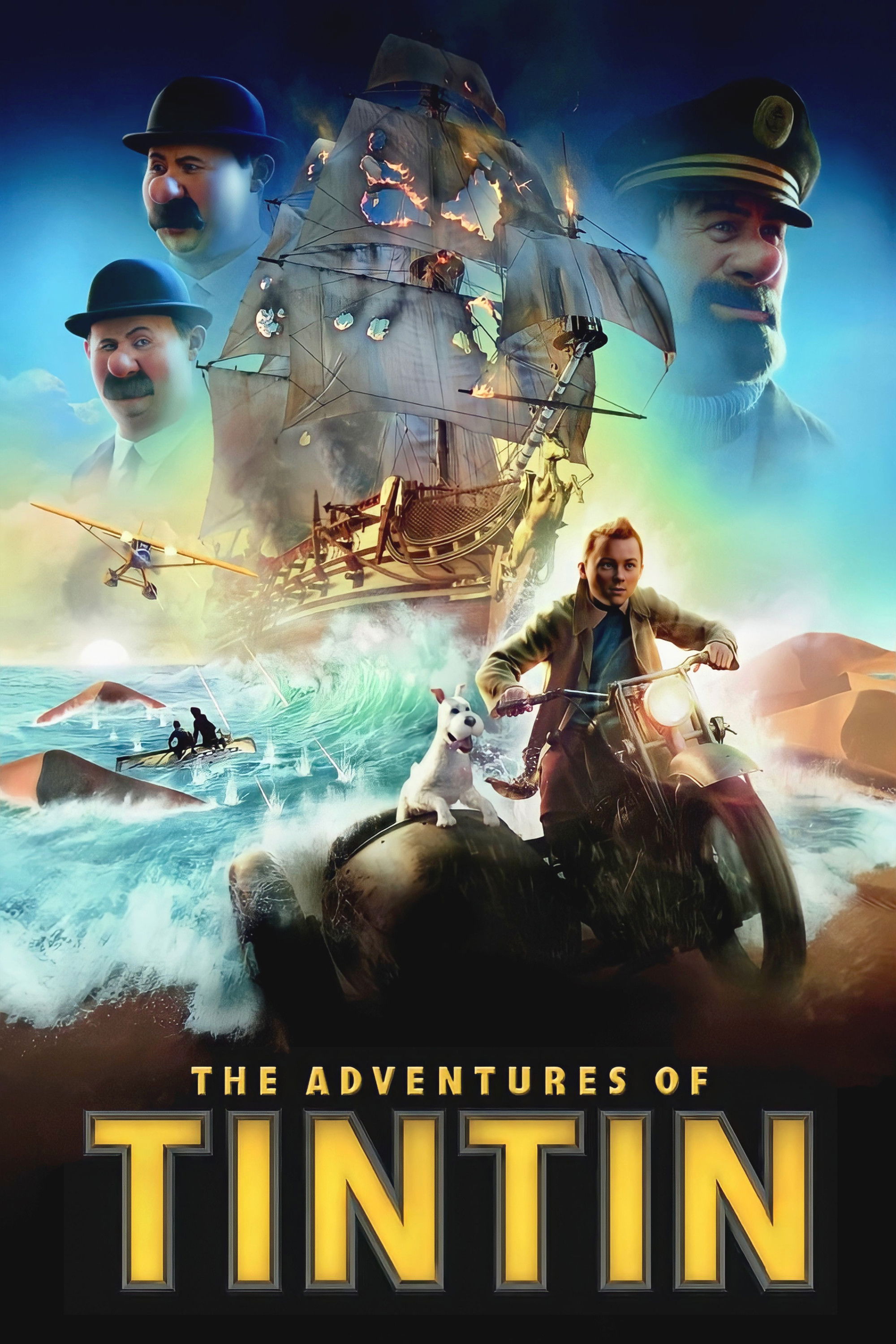
Tintin (Jamie Bell), a young reporter with a knack for being where the trouble is, buys a model of an old sailing ship called the Unicorn from a market stall, and is almost immediately offered double the price for it by two anxious strangers. The model hides a clue, the clue points to a sunken treasure, and within the hour Tintin has been burgled, kidnapped and bundled aboard a freighter. There he meets Captain Haddock (Andy Serkis), a marvellously sozzled old sailor whose own bloodline runs straight back to the Unicorn’s last voyage. The pursuit takes them across the sea and over the desert, one ship’s model and one bad memory at a time, with the silky Sakharine (Daniel Craig) always a step behind, or ahead.
The cast
Bell gives Tintin exactly the right quality, which is forward motion: this is a hero defined by curiosity rather than interiority, and Bell keeps him bright and unfussy without making him bland. The film belongs, though, to Serkis. Freed of the noble suffering he brought to Gollum and Kong, he plays Haddock as a glorious wreck, all hiccups, grievances and sudden surges of courage, and he supplies most of the warmth a story this fast could easily lack. Craig lends Sakharine a quiet, blade-thin menace that works better than a louder villain would. Frost and Pegg, as the identical detectives Thomson and Thompson, get the running gag of being comprehensively useless and clearly enjoy it. Snowy the dog, entirely digital, steals more scenes than any of them.
The craft
This is where the film earns its keep. Spielberg, working with the virtual camera the technology allows, stages set pieces that no live shoot and no hand-drawn cartoon could manage between them. A single unbroken chase through a Moroccan port town, a falcon, a motorbike, a tank of water and a roll of stolen parchment all tumbling downhill together, is the most exhilarating action sequence of the year, and he holds the shot long enough for you to register that he is showing off. Janusz Kamiński’s virtual lighting gives the world a burnished, golden-hour glow, and John Williams turns in a nimble, scampering score that knows it is scoring an adventure for children of all ages. The motion-capture faces remain the sticking point. The eyes are warmer than The Polar Express managed, but there is still a faint waxiness to the human characters that the gleeful staging mostly, not entirely, outruns.
How it stacks up
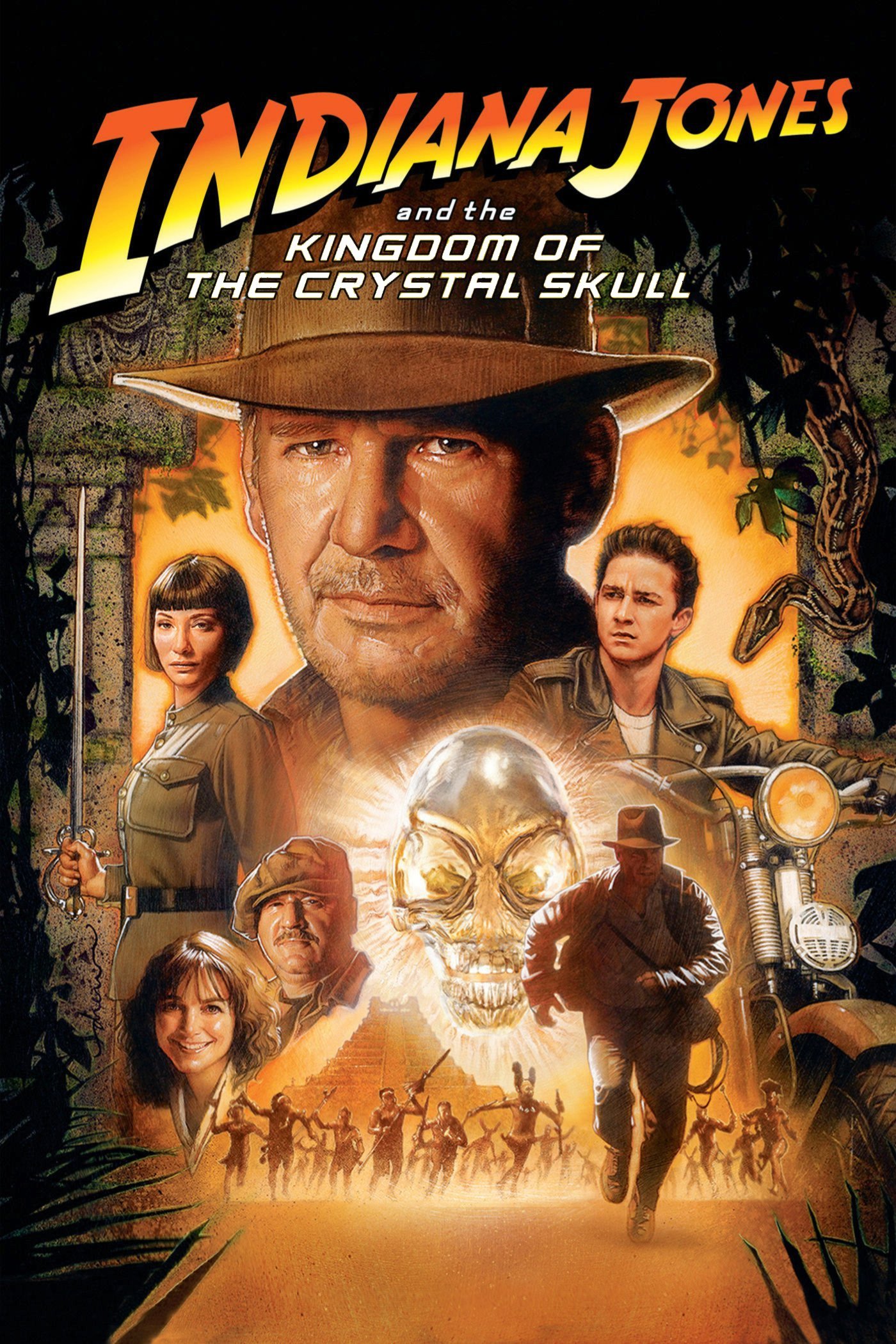
The obvious comparison is to Indiana Jones, and Spielberg leans into it: the maps, the artefacts, the cliff-edge timing, the sense that history is a treasure hunt with fists. Where Indy carried a weariness, Tintin carries none, which makes this lighter and faster but a little less felt. Against the Pirates of the Caribbean films, which chase the same swashbuckling money, this is far tighter and far better directed, with none of their bloat. And against Hergé’s albums it is a clever weld of three stories into one, faithful to their spirit if not their pace. It does what the best adventure serials did, which is to end each sequence by raising the stakes on the next.
Critics versus the rest of us
Critics and audiences have landed in the same place, both around 74%, which is rarer than it sounds and tells you the film is broadly liked rather than passionately defended. The praise is for the energy and the invention; the reservation, almost universally, is the uncanny valley, that the captured faces sit a fraction short of either real warmth or cartoon expressiveness. I think that reservation is real and overstated. You notice it in the first ten minutes and then the film simply moves too quickly for you to keep noticing. What nobody disputes is the craft of the action, and on a wet October afternoon that is most of what I came for.
Verdict
This is Spielberg in his lightest and most playful mode, making a film with no agenda beyond delight, and very nearly pulling it off without a seam showing. The plot is a clothesline for set pieces rather than a story that grips the heart, and the digital faces never quite stop being digital faces. Set against that, the Moroccan chase alone is worth the ticket, Serkis is a joy, and the whole thing is built to be watched again with a child or a drink to hand. It is not top-tier Spielberg, but it is a thoroughly rewatchable, beautifully made adventure that knows exactly what it is for. 8⁄10.
Availability: On general release in UK cinemas now, in both 2D and 3D. Worth seeking out the 3D, which Spielberg has actually designed the depth around rather than bolted on.
Update
Added since this review first appeared: the planned Peter Jackson-directed sequel, much discussed at release, has spent years in development limbo and has not materialised, which makes this strong first outing feel more like a one-off than the launch of a series. The film has settled into a quietly admired corner of Spielberg’s filmography, valued more by those who saw it than by the culture at large. It is now widely available on disc and digital, and turns up periodically on streaming services depending on your region.
BBFC content advice
Rated PG by the BBFC for moderate fight scenes. The notes below may contain spoilers.
Violence: There are several action scenes featuring the hero and his companions confronting criminals. Fights include blows to the head and body, a man being machine-gunned and using the blood from his wounds to help identify his killers before he dies, and one of the heroes throwing bottles at an opponent. The scenes are rapidly edited and the blows are implied rather than detailed.
Threat and horror: There are intense scenes in which characters are in danger but the emphasis is on excitement rather than scares.
Language: There is infrequent use of mild bad language (‘bloody’), as well as milder terms such as ‘hell’ and ‘damn’.
Sex: There is a scene featuring oblique mild innuendo when a man remarks that another man ‘was sacked as a shepherd on account of his animal husbandry’.
Injury detail: There is limited sight of blood in the aftermath of violence.
Alcohol and smoking: There is brief sight of a male character smoking. Tintin’s male companion is an older sea captain who often drinks alcohol.
Source: British Board of Film Classification (bbfc.co.uk).