- UK release: October 2016
- Director: Scott Derrickson · Writers: Jon Spaihts; Scott Derrickson; C. Robert Cargill
- Studio / distributor: Marvel Studios; Walt Disney Studios Motion Pictures
- Genre: Superhero fantasy / mystical adventure · Runtime: 115 minutes (BBFC 12A)
- Main cast: Benedict Cumberbatch (Sherlock, The Imitation Game) as Stephen Strange; Chiwetel Ejiofor (12 Years a Slave, Children of Men) as Mordo; Rachel McAdams (Spotlight, Sherlock Holmes) as Christine Palmer; Tilda Swinton (Michael Clayton, Snowpiercer) as The Ancient One
- Rotten Tomatoes: 89% critics / 86% audience · My rating: 8.5 / 10
Fourteen films in, Marvel has the origin story down to a process. Gifted, arrogant man suffers a reversal, finds a mentor, learns humility, fights a sky-beam, sets up the sequel. You can set your watch by it, and by now most of us have. So the interesting thing about Doctor Strange is not the shape of the story, which you could draw blindfold, but the two decisions Marvel made around it: hand the camera to Scott Derrickson, a man who has spent his career making people flinch in the dark, and build the whole thing on imagery borrowed less from comics than from a fractal screensaver having a breakdown. The result is the most visually adventurous thing the studio has put out, wrapped around its most predictable engine.
The setup
Stephen Strange is a neurosurgeon of genuine brilliance and intolerable self-regard, the sort of man who keeps a wall of watches and a head full of his own press. A car crash wrecks the nerves in his hands, and with them the only thing he values about himself. Western medicine fails him, his money runs out chasing it, and a rumour of a miraculous recovery sends him to Kathmandu, to a hidden order led by the Ancient One. There he is shown that reality is rather larger and stranger than the operating theatre suggested, that there are other dimensions pressing against this one, and that something inside the order has gone looking to let one of them in.
That is as far as I will take it. The film keeps its more enjoyable turns in reserve, and they are worth arriving at cold.
The cast
Cumberbatch is the reason the familiar parts go down so easily. He has played clever and insufferable before, and he knows exactly how much charm to leave switched on so that you stay with Strange while he is still being awful. The American accent is fine, not a distraction, and the arc from preening to humbled is sold by the small things, the moment the hands fail, the flash of fear under the bravado. He makes a man you would not want to share a lift with into someone you will happily follow for two hours.
Around him the casting is richer than the genre usually bothers with. Tilda Swinton gives the Ancient One a serene, unreadable authority that keeps you guessing about whose side wisdom is really on. Chiwetel Ejiofor’s Mordo is the film’s quiet ballast, a true believer whose rigid sense of the rules matters more than it first appears. Rachel McAdams is handed the thankless role of the life Strange left behind and does more with it than the script deserves, grounding the cosmic nonsense in a hospital corridor. Only the villain feels short-changed, an able actor given motivation enough for a single scene and not much room beyond it. It is the recurring Marvel tax, and it is paid here as usual.
The craft
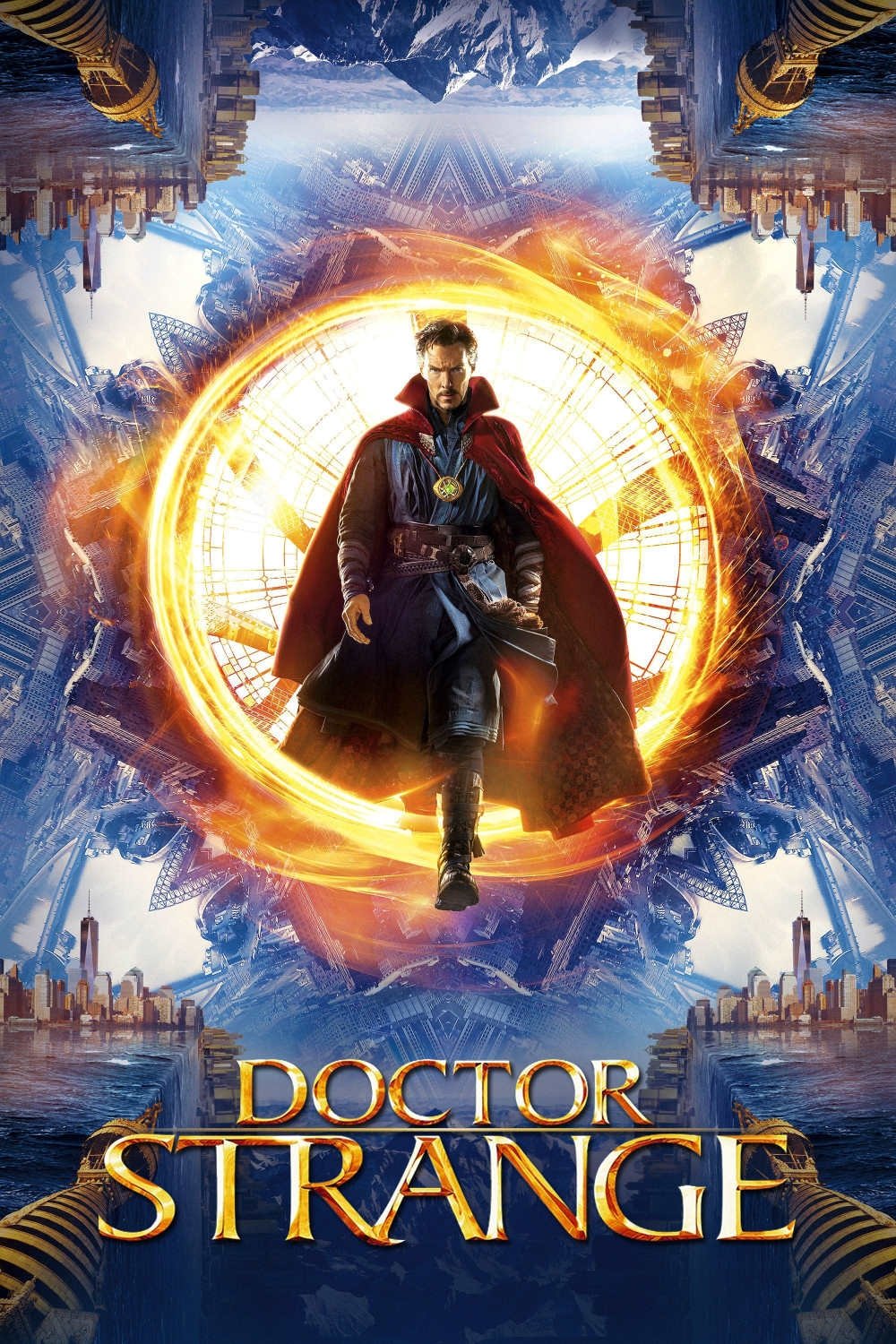
The craft is where the film earns its keep. Derrickson and his effects teams take the folding-city idea that Inception introduced and push it past architecture into something closer to a kaleidoscope you can fall through, corridors turning inside out, cities hinging shut like books, fights that run up walls and across ceilings while the geometry keeps rearranging underneath them. In good 3D and on a big screen it is genuinely disorientating, in the way the best spectacle should be. There is a late confrontation that resolves not with a bigger explosion but with a clever idea, and it is the most satisfying climax Marvel has staged precisely because it trusts wit over scale. Michael Giacchino’s score leans on harpsichord and a slightly off-kilter sense of the mystical, and the whole thing has a texture the house style usually sands away.
How it stacks up
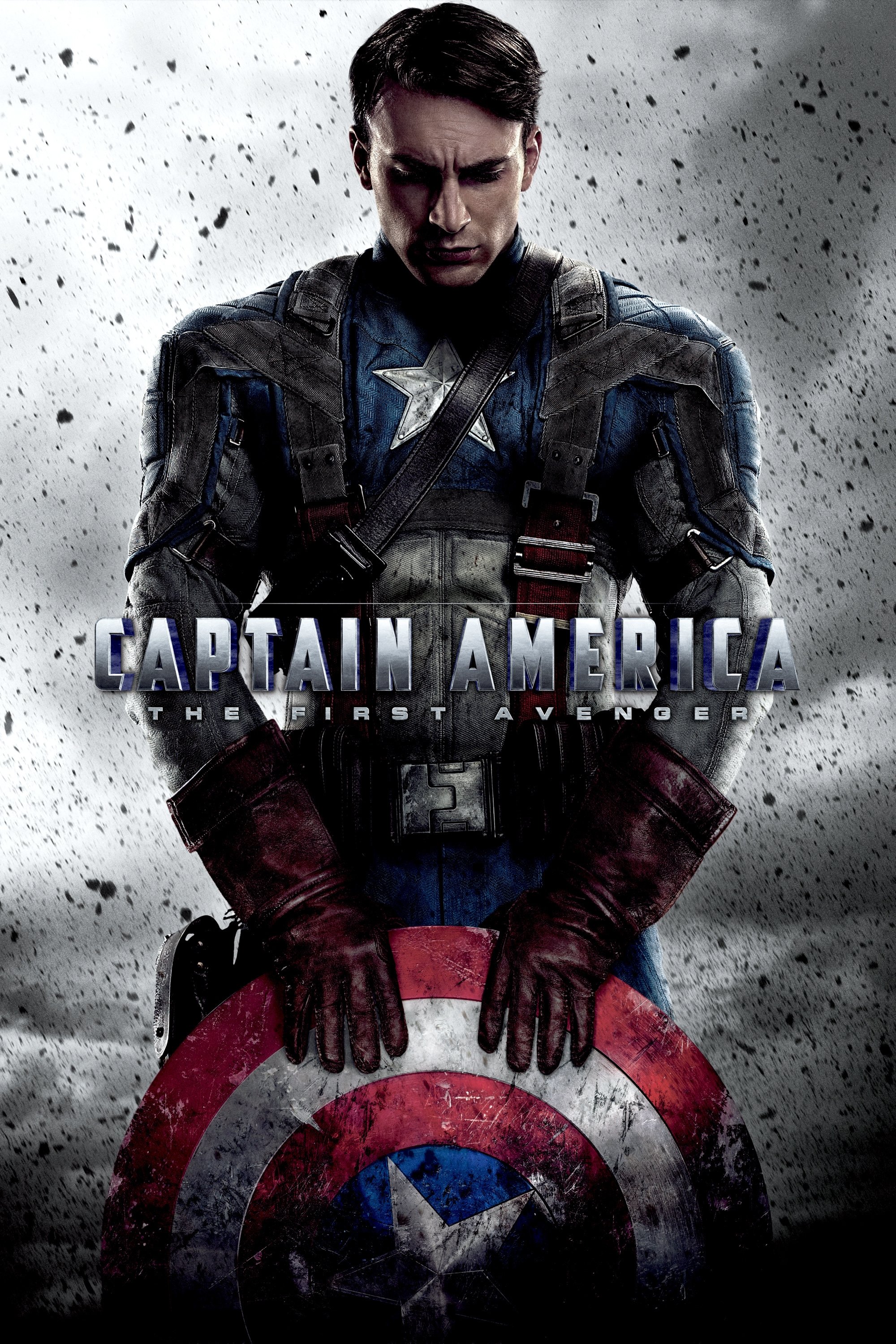
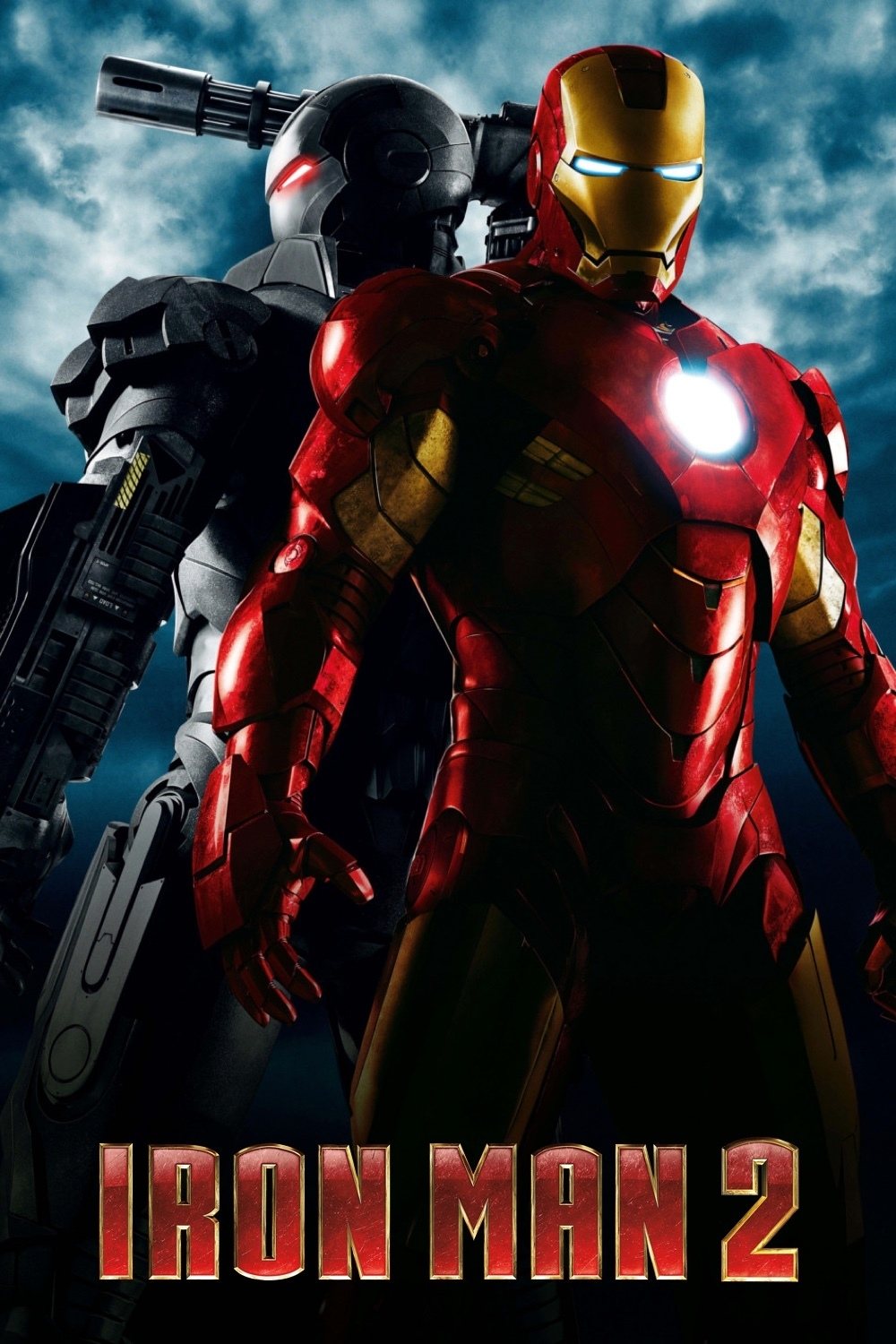
The obvious touchstone is Inception, and the film knows it, but the bending here is decorative where Christopher Nolan’s was load-bearing. The closer comparison within Marvel’s own house is Iron Man: the same template of a brilliant, vain man broken and remade, the same reliance on a magnetic lead to carry a thin supporting bench. Reach back further and you find the seventies and eighties paperbacks this whole strand of Marvel grew out of, the cosmic, drug-tinged stuff that Guardians of the Galaxy started mining and that Doctor Strange takes somewhere stranger. As mind-bending cinema it is not in the league of The Matrix, which had ideas the action was actually about. As a spectacle that finally lets Marvel look weird, it goes further than anything the studio has tried.
Critics versus the rest of us
Critics are warm, sitting around 89%, with audiences close behind at 86%, and the split in the praise is the predictable one. Almost everyone admires the visuals and Cumberbatch, and almost everyone notes that the origin scaffolding is the same scaffolding Marvel has used a dozen times. The casting of Swinton in a role written as Tibetan in the source has drawn its own argument, and that conversation is a fair one to have. None of it greatly changes the experience in the cinema, which is a handsome, witty, often startling film doing a very familiar job with unusual style.
Verdict
I came for the world-building and the strangeness, which are exactly the things I prize most in this kind of cinema, and on both counts the film delivers more than its template had any right to. The story is the one you have seen, and the villain is forgettable, and I am not going to pretend otherwise. But the imagery is the most inventive Marvel has managed, Cumberbatch is perfectly cast, and the climax is clever rather than merely loud. It rewards a rewatch on a good screen, where the folding worlds still impress once the plot holds no surprises. The most visually alive film in the franchise, carried by a lead who makes arrogance a pleasure to watch. 8.5⁄10.
Availability: On general release in UK cinemas now. Worth the upgrade to 3D or IMAX for the reality-bending set pieces; this is one of the rare Marvel films where the format adds something.
Update
Added since this review first appeared: Strange went on to anchor a run of the franchise’s biggest films, and the character’s reality-warping powers became central to where the wider story headed. The promised solo sequel eventually arrived as Doctor Strange in the Multiverse of Madness (2022), which leaned much harder into the horror instincts Derrickson brought to the first film. Doctor Strange is now on disc in 4K and streams on Disney+ depending on your region.
BBFC content advice
Rated 12A by the BBFC for moderate fantasy violence, injury detail. The notes below may contain spoilers.
Violence: There are frequent fight scenes containing crunchy kicks and punches. The violence is fantastical and many of the blows are covered by showers of sparks. Several characters are stabbed with magical weapons, and a character is kicked from a high building and seen hitting the ground below.
Injury detail: There is sight of blood and bruising on a character’s face in the aftermath of an accident. Another scene contains sight of multiple surgical pins protruding from a character’s hands. There are also brief close-up shots of a small, bloody wound and of some blood dripping onto the floor in the aftermath of a stabbing.
Additional issues: A moderately intense car crash scene, mild fantasy threat, and mild bad language including ‘shit’, ‘ass’ and ‘asshole’.
Source: British Board of Film Classification (bbfc.co.uk).