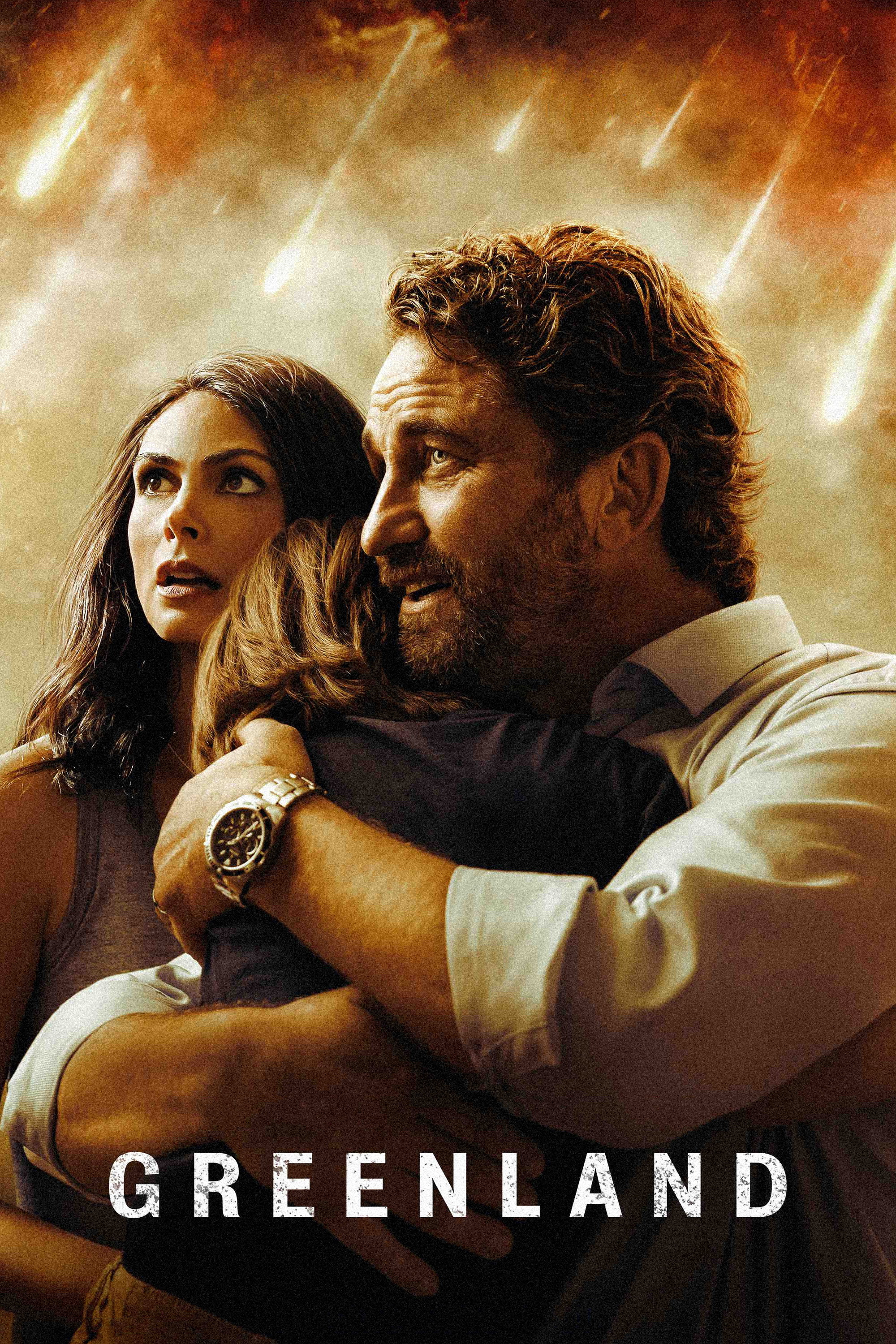

- UK release: February 2021 (Amazon Prime Video)
- Director: Ric Roman Waugh · Writer: Chris Sparling
- Studio / distributor: STXfilms; Thunder Road Pictures; G-BASE
- Genre: Disaster thriller / survival drama · Runtime: 119 minutes (BBFC 15)
- Main cast: Gerard Butler (300, Olympus Has Fallen) as John Garrity; Morena Baccarin (Deadpool) as Allison Garrity; Roger Dale Floyd as Nathan Garrity; Scott Glenn (The Right Stuff, The Silence of the Lambs) as Dale
- Rotten Tomatoes: 78% critics / 63% audience · My rating: 8 / 10
The disaster film usually works in the plural. It needs a President in a bunker, a scientist nobody listens to, an everyman in the wrong city, a dog, an airport, and a dozen strands cut together so that the camera can always be pointed at something exploding. Greenland does something quietly unusual for the genre: it picks one family and refuses to leave them. Ric Roman Waugh, who steered Gerard Butler through Angel Has Fallen, reunites with his star for something far more disciplined than the title or the marketing suggest. This is a disaster film that would rather make you anxious than make you gasp.
The setup
John Garrity (Gerard Butler) is a structural engineer in Atlanta, recently separated from his wife Allison (Morena Baccarin) and trying to hold the household together for the sake of their young son Nathan. A comet called Clarke is passing close to Earth, and the news has framed it as a spectacle, fragments burning up harmlessly, neighbours gathering in gardens to watch. Then John’s phone buzzes with an automated government alert telling him his family, and only his family, has been selected for emergency shelter. The first fragment that was supposed to vanish over the Atlantic takes out Tampa instead. From there the film is a single, tightening question: can three people reach a departure point before the doors close, and what does selection do to everyone left off the list. The threat is cosmic; the action is entirely domestic, and the obstacles are queues, checkpoints, paperwork and other frightened people.
The cast
Butler has spent a decade being the man who saves the building, the plane or the head of state, and the smart move here is to take all of that away from him. John Garrity is competent but not heroic; he is a father improvising, and Butler plays the panic and the guilt without reaching for the action-star register. Baccarin, who has tended to be the cool, watchful presence in Deadpool and on television, does the heavier emotional lifting, and the film leans on her for its best sequence, a separation at a chaotic airfield that turns the loudest set piece into the most personal one. Roger Dale Floyd is asked to carry a great deal as Nathan, a diabetic child whose medication becomes a ticking clock, and he avoids the usual disaster-movie cuteness. Scott Glenn arrives late as Allison’s father Dale and brings an immediate, weathered gravity; he has been the steady older hand in films since The Right Stuff, and a few minutes of him recalibrates the whole tone.
The craft
Dana Gonzales shoots the catastrophe in a flat, news-footage grey rather than the burnished orange of the genre’s glossier entries, and Waugh keeps the camera at human height, in cars and corridors and queues, so that the disaster arrives as rumour and interruption before it arrives as fireball. The effects are used sparingly and land harder for it; a sky full of falling embers reads as beautiful for a beat before you understand what it means. David Buckley’s score stays out of the way, more pulse than melody, and the editing keeps the runtime taut at just under two hours. The film’s real subject is logistics, the cold machinery of who gets a seat and who does not, and Waugh treats it with a seriousness most disaster films cannot spare from the spectacle budget.
How it stacks up
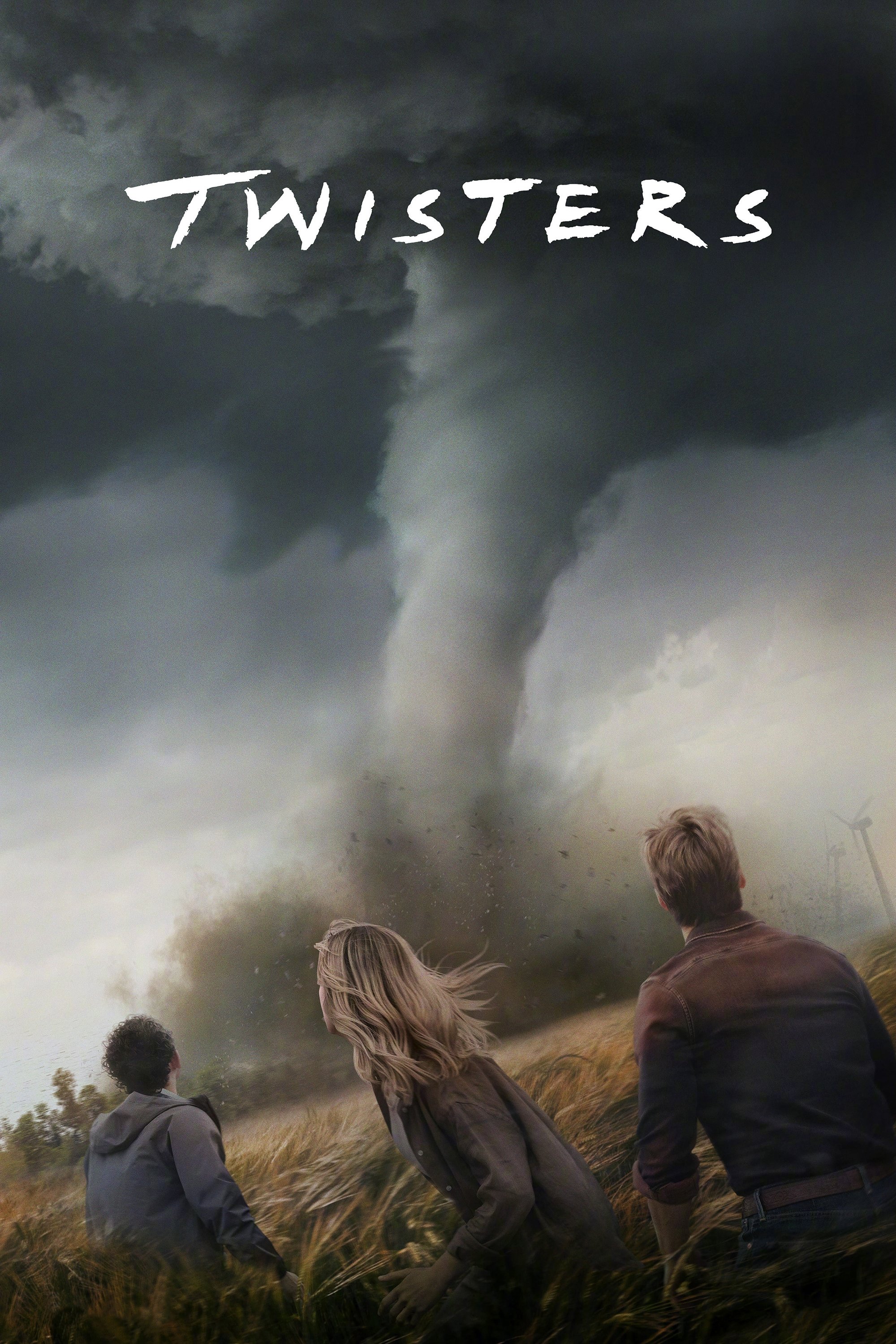
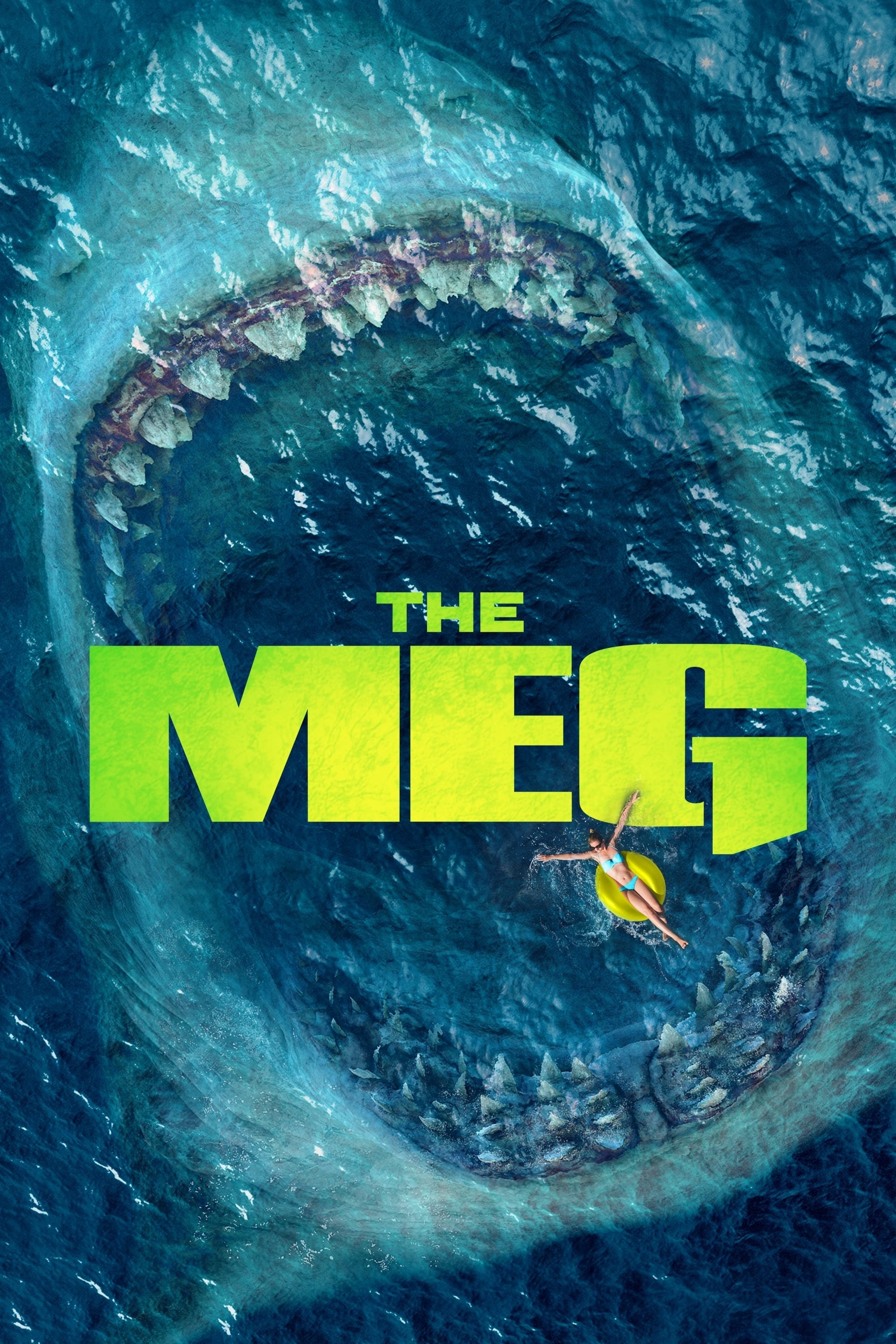
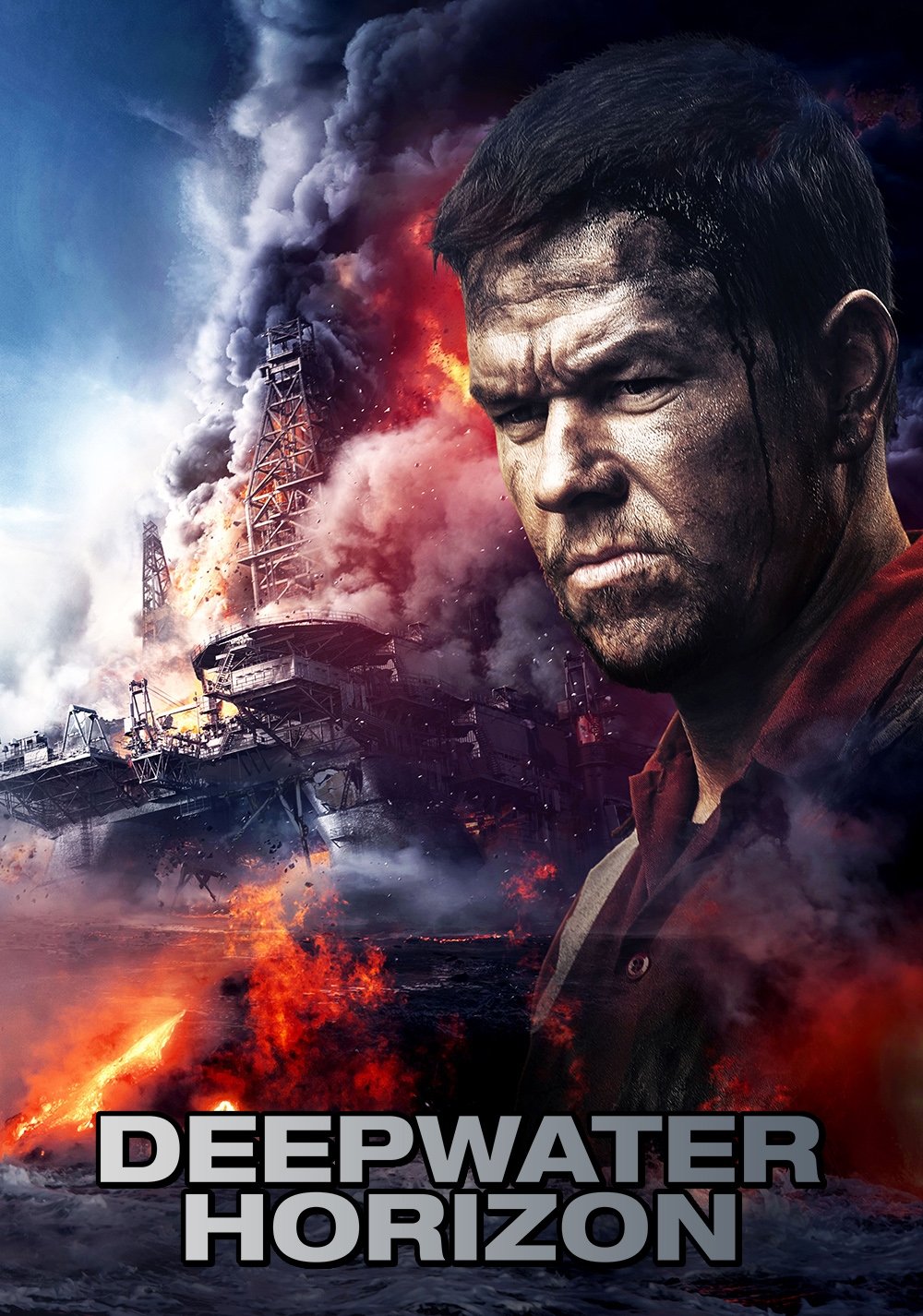
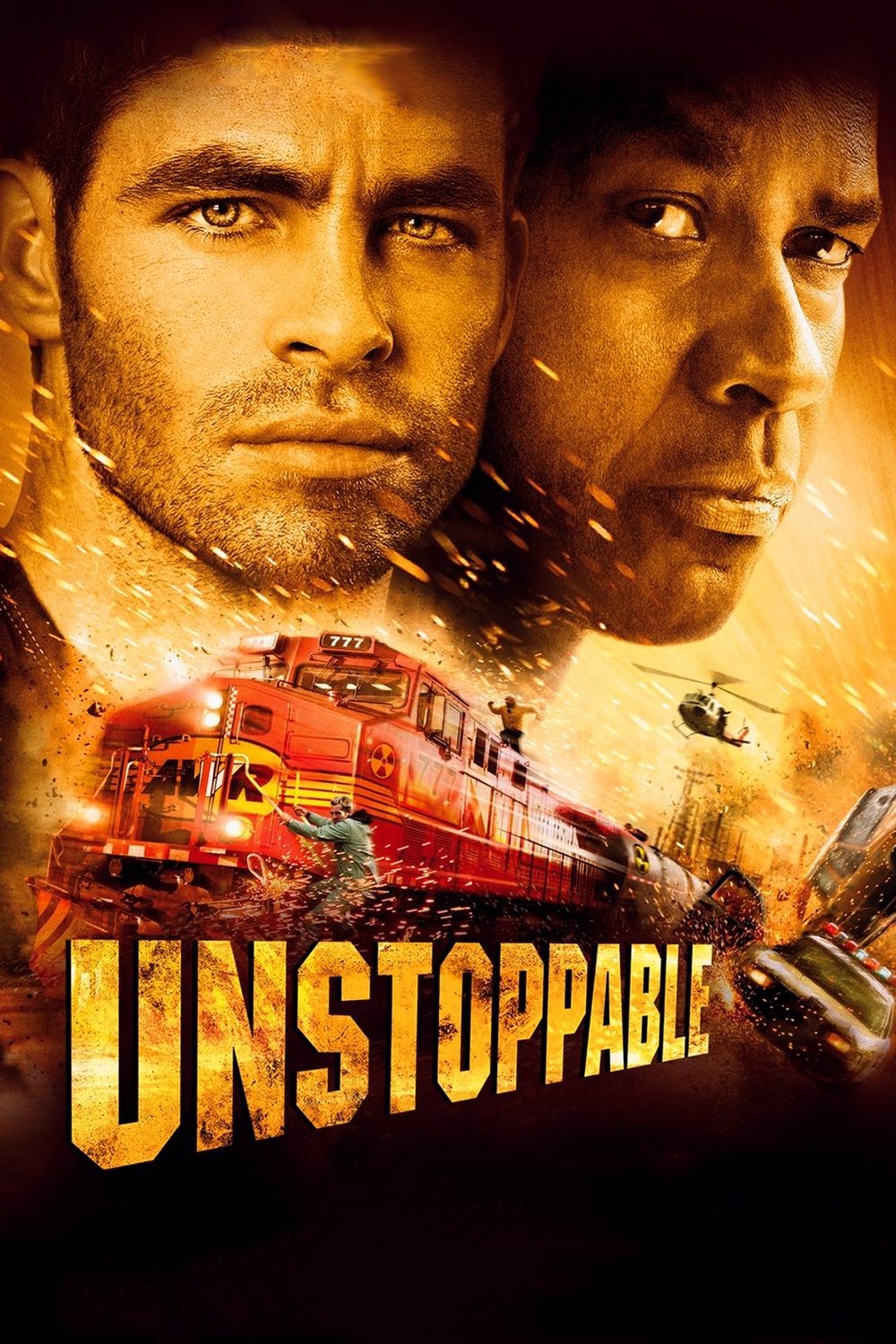
The obvious shelf-mates are Deep Impact, 2012 and War of the Worlds. Greenland is closest in spirit to Spielberg’s War of the Worlds, which also locked its catastrophe to one fracturing family and let the wider apocalypse stay at the edge of frame. Where 2012 delights in the architecture of destruction, John Cusack outrunning the crust of the Earth in a limousine, Greenland is interested in the social collapse a real warning would cause: looting, kidnapping, the queue that turns into a stampede. It shares some DNA with A Quiet Place too, in the way it narrows a global threat down to whether these particular parents can keep this particular child alive. It is less inventive than that film but more grounded than most of its disaster peers.
Critics versus the rest of us
The critical reception has been warmer than the genre usually attracts, sitting around 78%, with reviewers surprised by how seriously the film takes its premise and how much it trusts character over carnage. Audiences are a touch cooler at 63%, and the gap is easy to read: viewers who came for the destruction porn of a 2012 find the spectacle rationed, and the bleaker passages of human cruelty are not what a Friday-night disaster crowd is always after. I land closer to the critics. The restraint is the appeal, and the moments that disappoint the audience score, the ugliness of frightened people, are the moments that make the film feel like it means it.
Verdict
This is a leaner, more anxious film than its poster promises, and it rewards the lower expectations the genre invites. It is not flawless: the third act softens, and a couple of escapes lean on convenient timing. But the central performances are honest, the dread is sustained, and Waugh’s decision to keep the lens on one family pays off in tension where a wider film would have settled for noise. It holds up to a rewatch better than most disaster thrillers because the suspense comes from people rather than pixels. A grounded, well-built, properly nerve-wracking survival film that does more with one family than most of its rivals manage with a whole planet. 8⁄10.
Availability: Streaming on Amazon Prime Video in the UK from 5 February 2021, where it has launched as an Amazon exclusive rather than reaching cinemas during the closures.
Update
Added since this review first appeared: the closing stretch in the Greenland bunkers always read as a setup, and it duly produced a sequel, Greenland: Migration, picking the family up in the aftermath. The original has settled into a reputation as one of the better-regarded disaster films of its moment, helped along by the way its premise of a sudden, unequal emergency landed in 2020 and 2021. It remains available on Amazon Prime Video and on disc and digital.
BBFC content advice
Rated 15 by the BBFC for brief strong violence, threat. The notes below may contain spoilers.
Violence: Scenes include shootings, fistfights, and a sequence in which a hammer is embedded in a man’s head, although bloody detail is minimal throughout.
Threat and horror: Scenes include people fleeing explosions, falling debris, and armed gunmen. There is also a kidnapping scene in which a mother and child are separated.
Additional issues: There is infrequent strong language (‘f**k’) and milder terms including ‘shit’ and ‘pissed’.
Source: British Board of Film Classification (bbfc.co.uk).