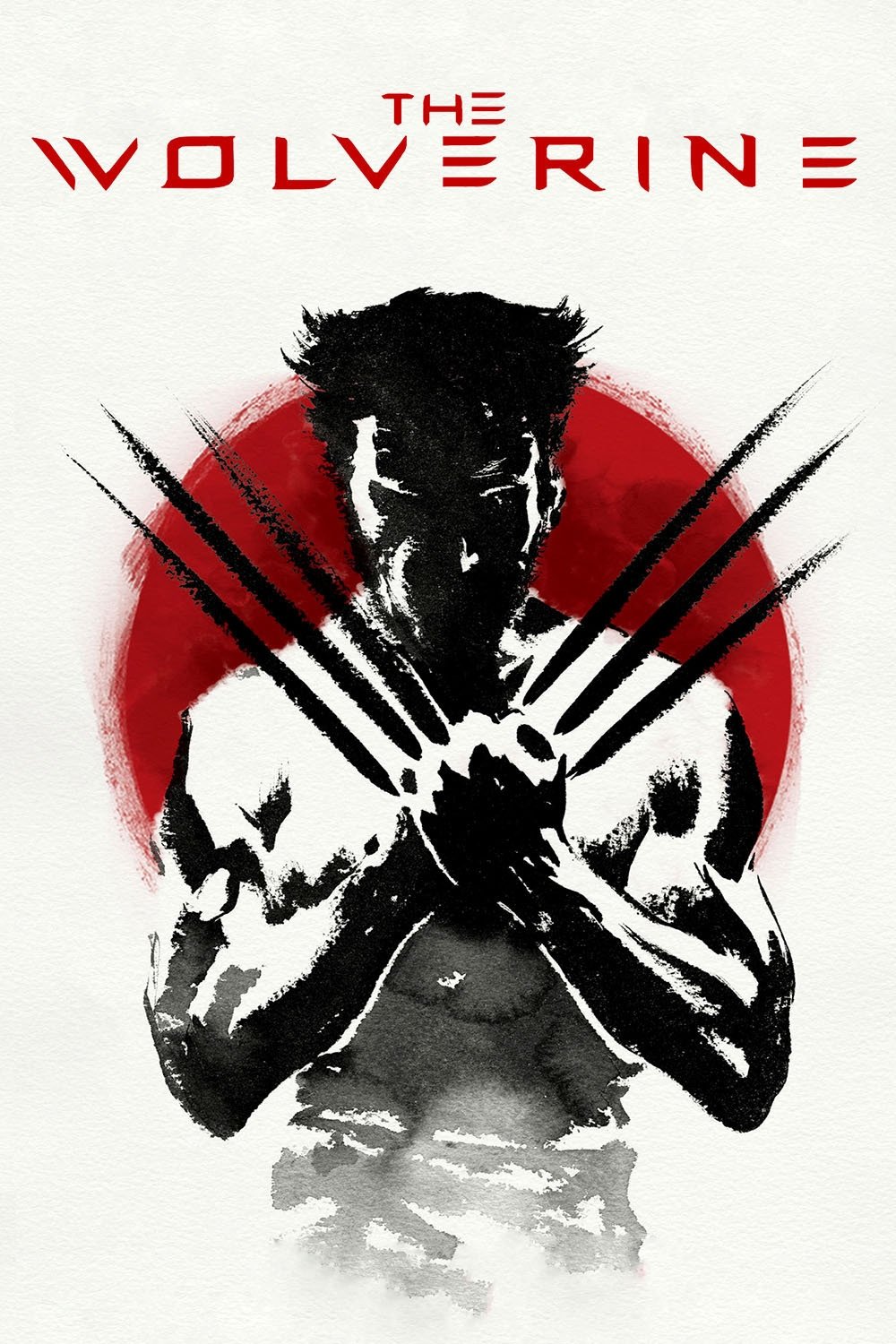
- UK release: July 2013
- Director: James Mangold · Writers: Mark Bomback; Scott Frank
- Studio / distributor: 20th Century Fox; Marvel Entertainment
- Genre: Superhero action thriller / samurai-influenced adventure · Runtime: 126 minutes (BBFC 12A)
- Main cast: Hugh Jackman (X-Men, X2) as Logan / Wolverine; Hiroyuki Sanada (The Last Samurai) as Shingen Yashida; Tao Okamoto as Mariko Yashida; Rila Fukushima as Yukio
- IMDb: 6.7 / 10 · Rotten Tomatoes: 71% critics / 69% audience · My rating: 8 / 10
Three years ago X-Men Origins: Wolverine did the near-impossible: it took the most reliably watchable character in the franchise, gave him his own film, and made him boring. So the bar for a second solo outing is somewhere around the floor, which is the most useful thing that could have happened to it. James Mangold, who made Walk the Line and the 2007 3:10 to Yuma remake, is not an obvious blockbuster hire, and that is the point in his favour. What he has delivered is the smallest X-Men film yet, a character study with claws, set almost entirely in Japan and far more interested in what is wrong with Logan than in what he can punch through.
The setup
Logan (Hugh Jackman) is living rough in the Yukon, haunted by the woman he was forced to kill and sick of an immortality that has only ever cost him the people he loves. A messenger named Yukio brings him to Tokyo, where a dying industrialist he saved at Nagasaki in 1945 wants to repay the debt by offering, of all things, a way out: a chance to give up his healing factor and grow old like an ordinary man. Logan refuses, then finds himself drawn into a Yashida family succession war, protecting the old man’s granddaughter Mariko from yakuza and ninja while discovering that his wounds have, for the first time in living memory, started to stay open. A superhero stripped of the one thing that makes him a superhero is a sound idea, and the film knows it.
The cast
Jackman has played this part six times now, and there is a weariness in him here that feels earned rather than acted, the look of a man who has run out of reasons. Stripped of the regenerating safety net, he gets to play hurt, frightened and mortal, and it suits him. The Japanese cast is the film’s other great asset. Hiroyuki Sanada, who brought real swordsman’s gravity to The Last Samurai, lends Shingen Yashida a cold dynastic menace, and Tao Okamoto gives Mariko more interior life than the standard imperilled love interest. The standout, though, is Rila Fukushima’s Yukio, a red-haired, sword-carrying bodyguard with precognition and a dry sense of humour, who walks off with every scene she is in and deserves a film of her own.
The craft
Mangold shoots Japan as a real place rather than a postcard, all neon, rain, love hotels and snowbound mountain villages, and Ross Emery’s camera keeps the action legible in a way the genre too often forgets. The centrepiece, a brawl on top of a bullet train doing three hundred kilometres an hour, is a genuinely inventive set piece that uses physics as a weapon. Marco Beltrami’s score stays restrained, and the whole film carries a grown-up, grounded tone closer to a yakuza thriller than to a costumed team-up. For most of its length this is a confident, adult piece of work that trusts the audience to sit with grief and silence.
How it stacks up
The obvious touchstones are the samurai pictures the story openly courts, the wandering ronin who arrives in town and becomes entangled in another family’s honour, and the film wears that influence well. Against the X-Men films themselves it is the most self-contained and the least cluttered, with none of the roster-management that bogs down the ensemble entries. It also sits comfortably beside Blade, another comic-book film that worked by narrowing its focus to one hard, solitary figure rather than widening the universe. The comparison it cannot quite survive is with itself: the lean character thriller of the first ninety minutes gives way to a climax involving a giant adamantium robot that belongs in a more ordinary film.
Critics versus the rest of us
Critics are running warmer than for any previous Wolverine outing, sitting around 71%, with audiences a touch behind at 69%, and the consensus is fair: praise for the Japan setting, for Jackman, and for Mangold’s restraint, tempered by disappointment at a finale that trades the film’s hard-won grounding for genre boilerplate. I would put it slightly higher than the critics and well above the IMDb crowd. The third act is a real flaw, not a quibble, but it is a third act, and the two acts before it are the best superhero filmmaking the series has managed.
Verdict
For an hour this is close to the film the franchise has been promising for a decade: small, sad, beautifully placed, built around a hero who finally has something to lose. Then the robot turns up and it settles for being merely good. I do not mind. I value the unhurried character work, the texture of the setting and Fukushima’s Yukio far more than I mind a clumsy ending, and this is one I will happily watch again, fast-forwarding the last twenty minutes if I must. The strongest Wolverine film yet, and proof the character works best when the world around him shrinks. 8⁄10.
Availability: In UK cinemas now, including 3D and IMAX screens, though the extra dimension adds little here.
Update
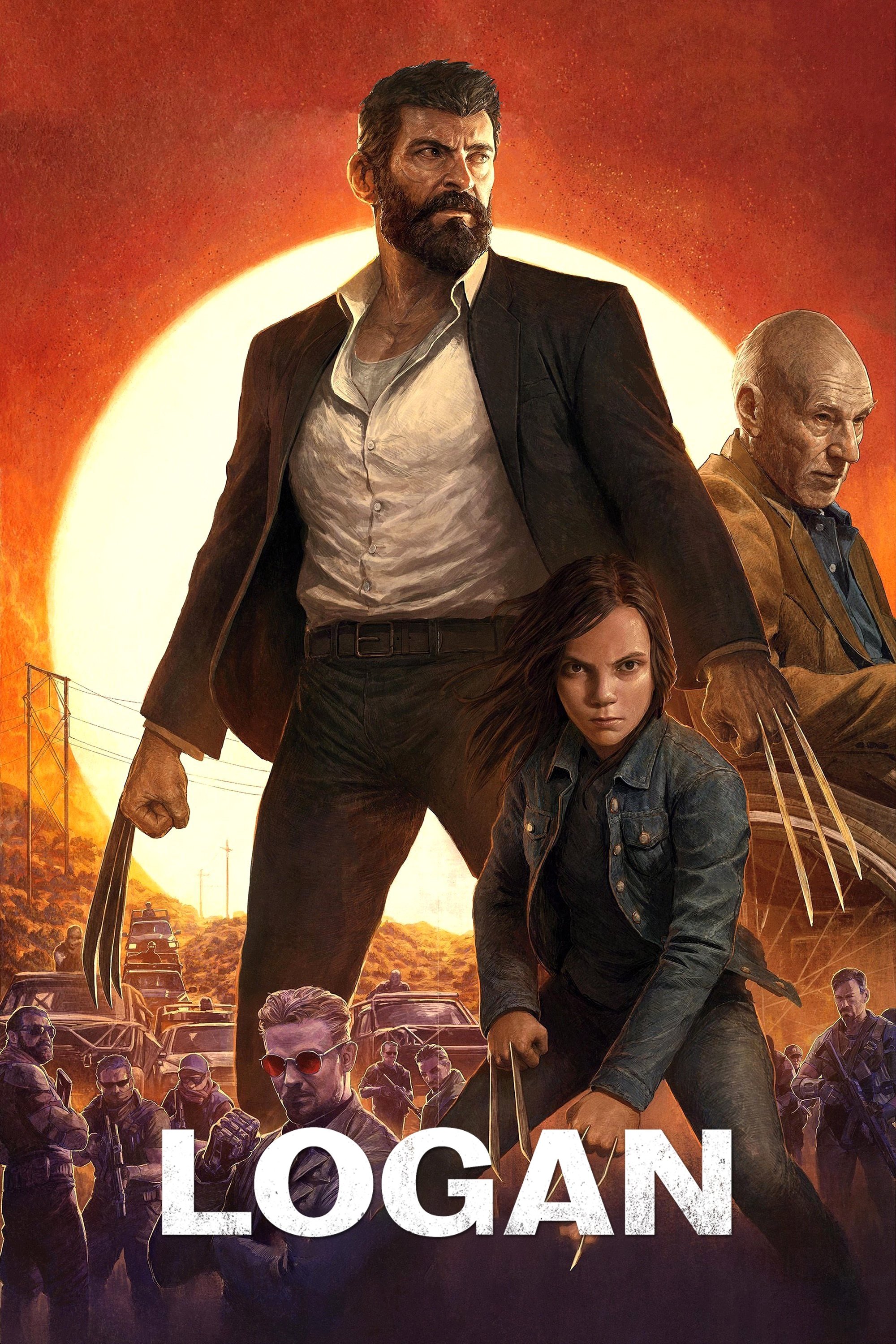
Added since this review first appeared: Mangold and Jackman reunited for Logan (2017), which took everything this film does well, the mortality, the grief, the grounded violence, and built a far harder, R-rated western around it, fulfilling the promise the Japanese chapter only gestured at. An “Unleashed” extended cut of The Wolverine later appeared on disc with more graphic violence. The film now streams on Disney+ in most regions and is available on Blu-ray and 4K, where it sits as the clear warm-up act for the send-off that followed.
BBFC content advice
Rated 12A by the BBFC for moderate action violence and one use of strong language. The notes below may contain spoilers.
Violence: The moderate action violence is mostly seen during battles between the mutant Wolverine and human and mutant opponents. The action is often intense, and includes scenes in which Wolverine’s metal claws emerge from the back of his fingers and slash or stab his opponents. However, there is little sight of injuries and very little bloodshed. In some scenes Wolverine is cut and in one scene he removes a robotic parasite from inside his body. However, his wounds heal rapidly. There are also scenes in which characters are shot with arrows or commit ritual suicide. In some scenes a villainess spits poison in men’s faces and their skin briefly blisters. These brief moments do not focus on injury.
Language: There is one use of strong language during a scene in which Wolverine tells an opponent to ‘Go f**k yourself, pretty boy’. There is also some moderate and mild bad language, for example, ‘bitch’, ‘shit’, ‘bullshit’, ‘balls’, ‘assholes’ and ‘damn’.
Source: British Board of Film Classification (bbfc.co.uk).