- UK release: November 2019 (UK title Le Mans ‘66)
- Director: James Mangold · Writers: Jez Butterworth, John-Henry Butterworth, Jason Keller
- Studio / distributor: 20th Century Fox; Chernin Entertainment
- Genre: Motorsport drama / true-story sports film · Runtime: 152 minutes (BBFC 12A)
- Main cast: Matt Damon (The Martian, The Bourne Identity) as Carroll Shelby; Christian Bale (The Dark Knight, The Fighter) as Ken Miles; Jon Bernthal (Wind River, Baby Driver) as Lee Iacocca; Caitríona Balfe (Outlander) as Mollie Miles
- IMDb: 8.1 / 10 · Rotten Tomatoes: 92% critics / 98% audience · My rating: 8 / 10
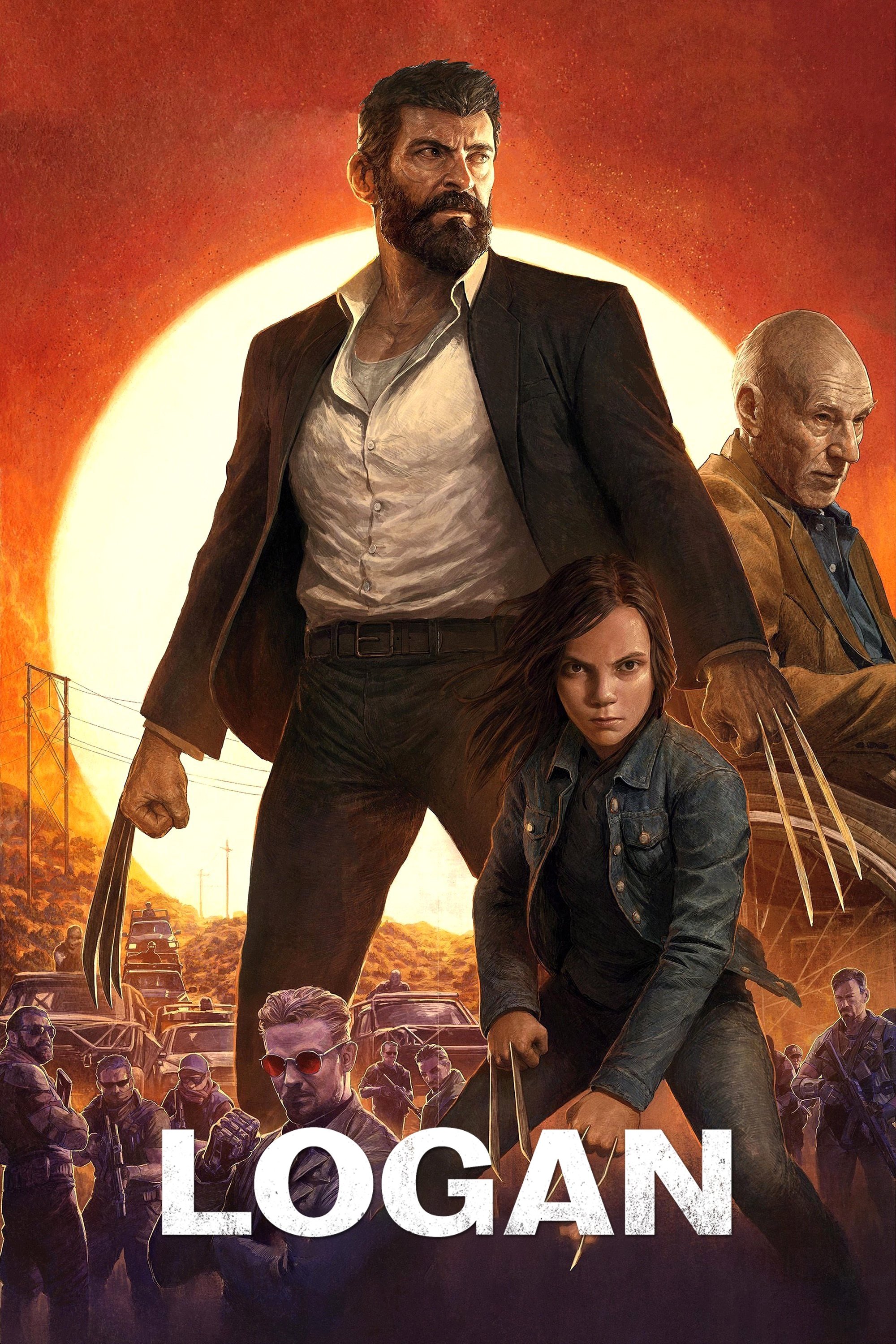
The big studio race-against-the-clock picture, the kind built around men, machines and a deadline, has been an awkward sell for a while now. Rush managed it in 2013, but motorsport on screen mostly belongs to documentaries and the odd vanity project. So there is something faintly old-fashioned, in the way you would mean it as a compliment, about James Mangold turning a 1960s boardroom grudge into a 152-minute crowd-pleaser and trusting that engine noise and two well-matched leads will carry it. Mangold has form for this sort of square, well-built film, from Walk the Line to 3:10 to Yuma, and most recently Logan, where he proved he could find real feeling inside a genre exercise. Here he does it again, and the surprise is how much of the pleasure comes from the parts that are not the racing.
The setup
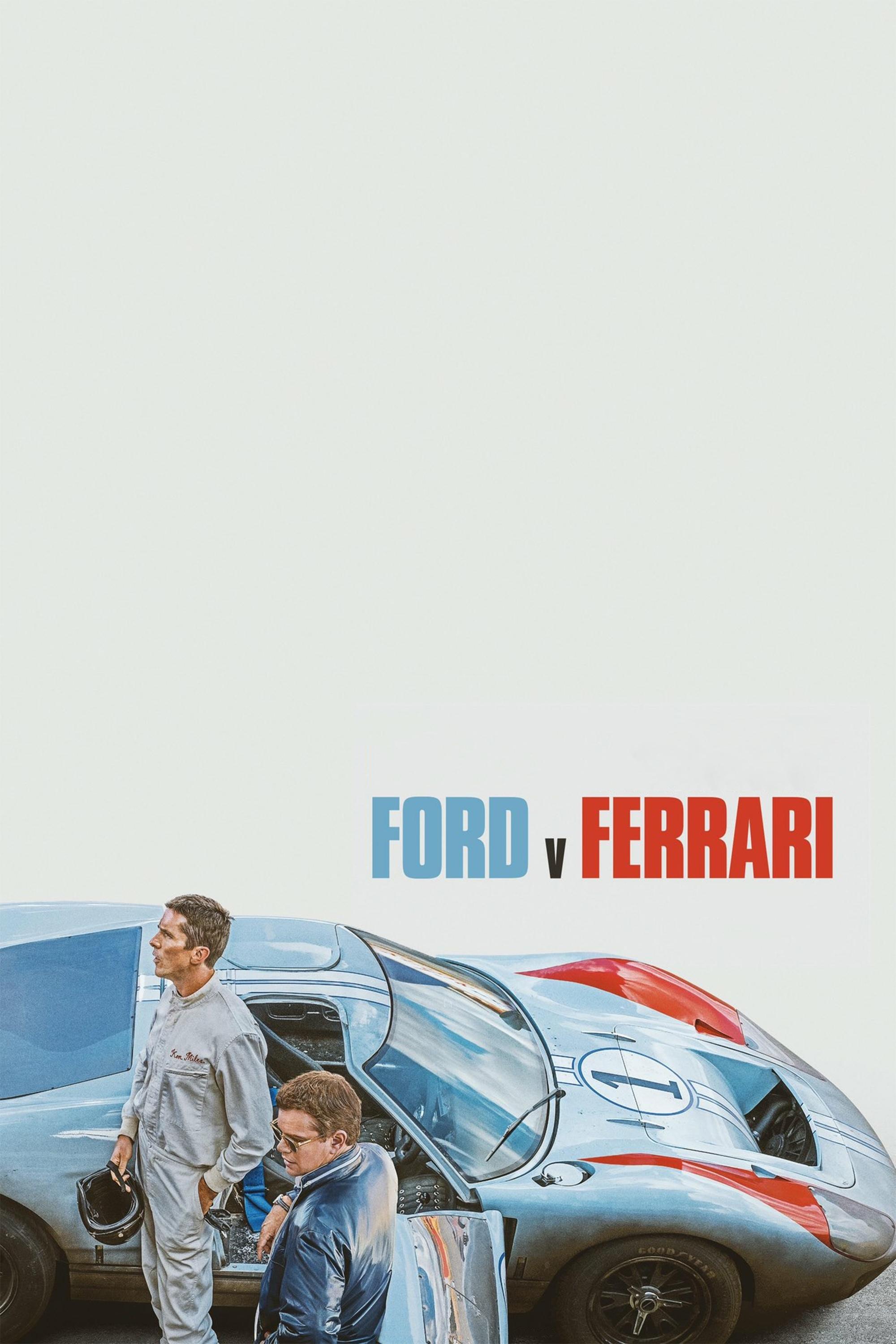
Ford, stung by a failed attempt to buy Ferrari outright, decides the way to wound Enzo where it hurts is to beat him at Le Mans, the one race his cars own. The job of building something that can actually do it falls to Carroll Shelby (Matt Damon), a former driver turned constructor whose heart will no longer let him race, and the job of driving it falls to Ken Miles (Christian Bale), a gifted, prickly Englishman whom Ford’s marketing men cannot stand. The car is the GT40. The opponent is Ferrari. The real opponent, it turns out, is the company writing the cheques.
That tension, between the men who understand the machine and the executives who own it, is what the film is built around, and it gives a story everyone already knows the ending of a genuine spine. You are not really watching to see whether Ford wins. You are watching to see what it costs the two men who have to deliver it.
The cast
Bale is the engine of the thing. He has the showier role, all twitchy energy, blunt Brummie contempt and sudden tenderness, and he plays Miles as a man who is only fully himself at speed. It would tip into caricature in lesser hands; Bale keeps finding the human underneath. Damon is the quieter, harder trick, playing Shelby as the diplomat who has to manage the driver, the executives and his own ruined health all at once, and he holds the centre without ever grandstanding. The two of them have the kind of bristling, affectionate chemistry the script keeps reaching for, including a front-lawn brawl that is the most purely enjoyable scene in the film.
Around them, Jon Bernthal gives Lee Iacocca more warmth than the corporate-suit role needs, and Caitríona Balfe, as Miles’s wife Mollie, is sharper and funnier than the genre’s usual worried-spouse part. She is allowed to be in on it, which matters.
The craft
The racing is excellent, and you can feel that Mangold and his cinematographer Phedon Papamichael shot it for clarity rather than chaos. You always know where Miles is on the track, how far back the Ferraris are, what is going wrong under the bonnet. The sound design does enormous work: the GT40 has a voice, and the film lets you hear it. Le Mans at night, headlights swallowing the dark at 200 miles an hour, is genuinely thrilling, and the editing knows when to sit inside the car and when to pull back. Marco Beltrami and Buck Sanders keep the score lean and largely out of the way, which is the right call when the machinery is making this much music of its own.
If there is a craft complaint, it is length. At two and a half hours the film takes its time getting to the track, and a subplot or two of Ford-versus-Ford politics could go without anyone missing it. But the racing repays the patience.
How it stacks up
The obvious comparison is Rush, Ron Howard’s Hunt-and-Lauda film, and the two make an interesting pair: Rush is the more dangerous, more European, more about the men who race; Ford v Ferrari is the more American, more about the people who build and pay. Tonally it sits closer to Apollo 13, another true story about engineers solving an impossible problem against a deadline, and to Moneyball, which similarly found drama in clever people fighting an institution that does not understand them. Mangold is working in that honourable tradition of the well-made studio picture about competence under pressure, and he is good at it.
Critics versus the rest of us
Critics are warm, sitting around 92%, and audiences warmer still near 98%, which is the gap you would expect for a film this easy to enjoy. The praise is for exactly the right things: the performances, the racing, the old-school confidence of the whole enterprise. The mild reservations are about familiarity and length, and they are fair. Nobody is claiming it reinvents the form. The audience score is the truer reading here, because this is a film made to be liked, and it is liked.
Verdict
This is a film I would happily put on again, which for me counts for a lot. It is handsome, well-acted, genuinely exciting when the cars are running, and built on a friendship worth spending time with. It is also fifteen minutes too long and tells you nothing about people or institutions you did not already suspect. But it does the hard, unfashionable thing well: it takes a story whose ending is on the record and makes you care about the men living through it. A satisfying, rewatchable, properly made piece of studio entertainment, and a reminder of how good that can be. 8⁄10.
Availability: On general release in UK cinemas now, under the title Le Mans ‘66. See it somewhere with a sound system that can do the engines justice.
Update
Added since this review first appeared: the film went on to win Academy Awards for Best Film Editing and Best Sound Editing, and Bale’s performance as Miles has aged into one of the best-regarded of his run. It is now widely available on disc and digital, and streams on Disney+ in the UK. The title split persists, sold as Le Mans ‘66 here and Ford v Ferrari almost everywhere else.
BBFC content advice
Rated 12A by the BBFC (as Le Mans ‘66) for infrequent strong language, moderate threat. The notes below may contain spoilers.
The BBFC release page was unavailable at the time of writing, so the full category-by-category Content Advice could not be retrieved. The age rating and the short consumer advice line above are confirmed from the film’s UK classification and listings; the detailed Violence, Threat and Language breakdowns will be added once the BBFC page is reachable.
Source: British Board of Film Classification (bbfc.co.uk).