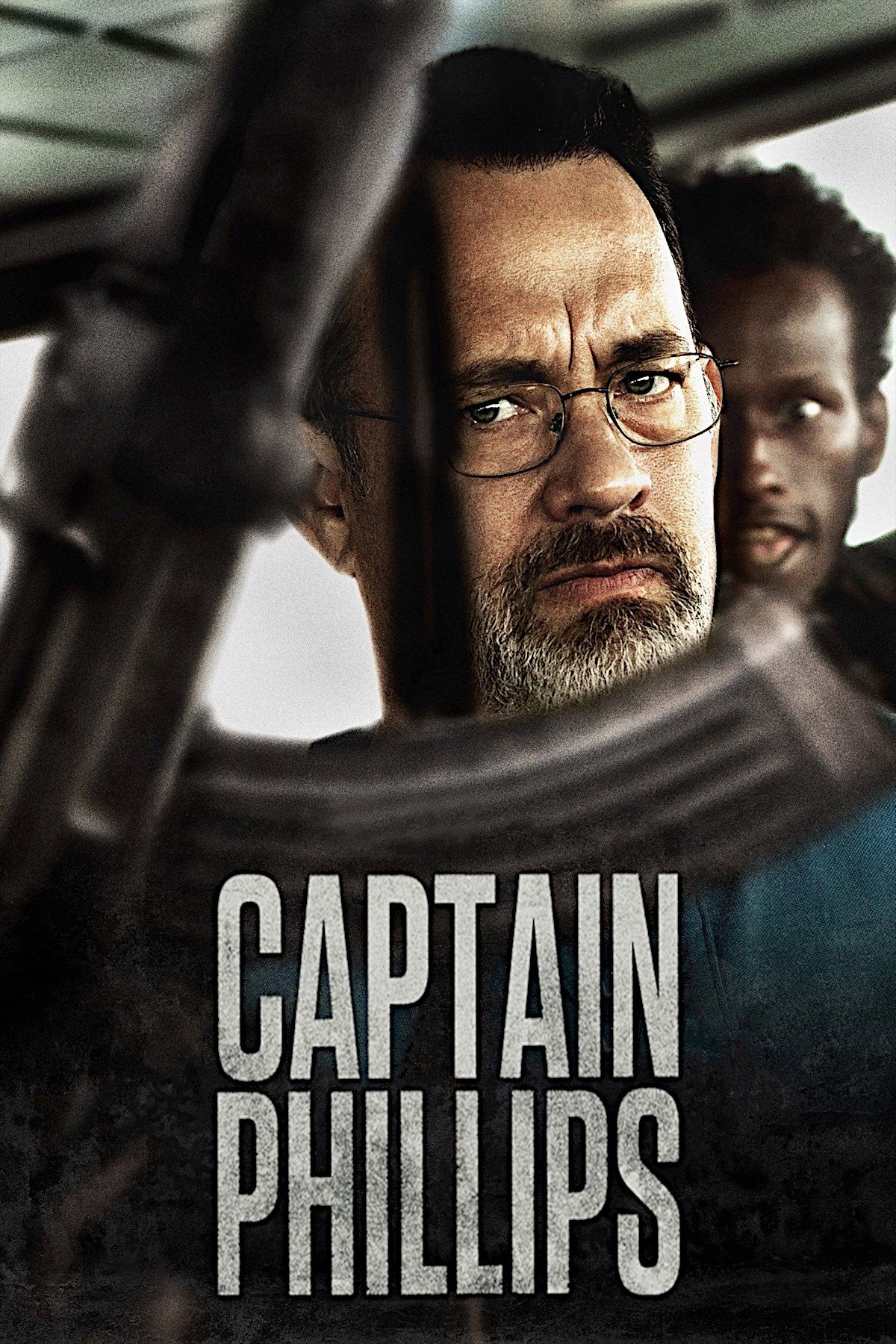

- UK release: October 2013
- Director: Paul Greengrass · Writer: Billy Ray
- Studio / distributor: Columbia Pictures; Sony Pictures Releasing
- Genre: Biographical survival thriller / hostage drama · Runtime: 134 minutes (BBFC 12A)
- Main cast: Tom Hanks (Forrest Gump, Cast Away) as Richard Phillips; Barkhad Abdi as Abduwali Muse; Barkhad Abdirahman as Bilal; Faysal Ahmed as Najee
- IMDb: 7.9 / 10 · Rotten Tomatoes: 93% critics / 89% audience · My rating: 8.5 / 10
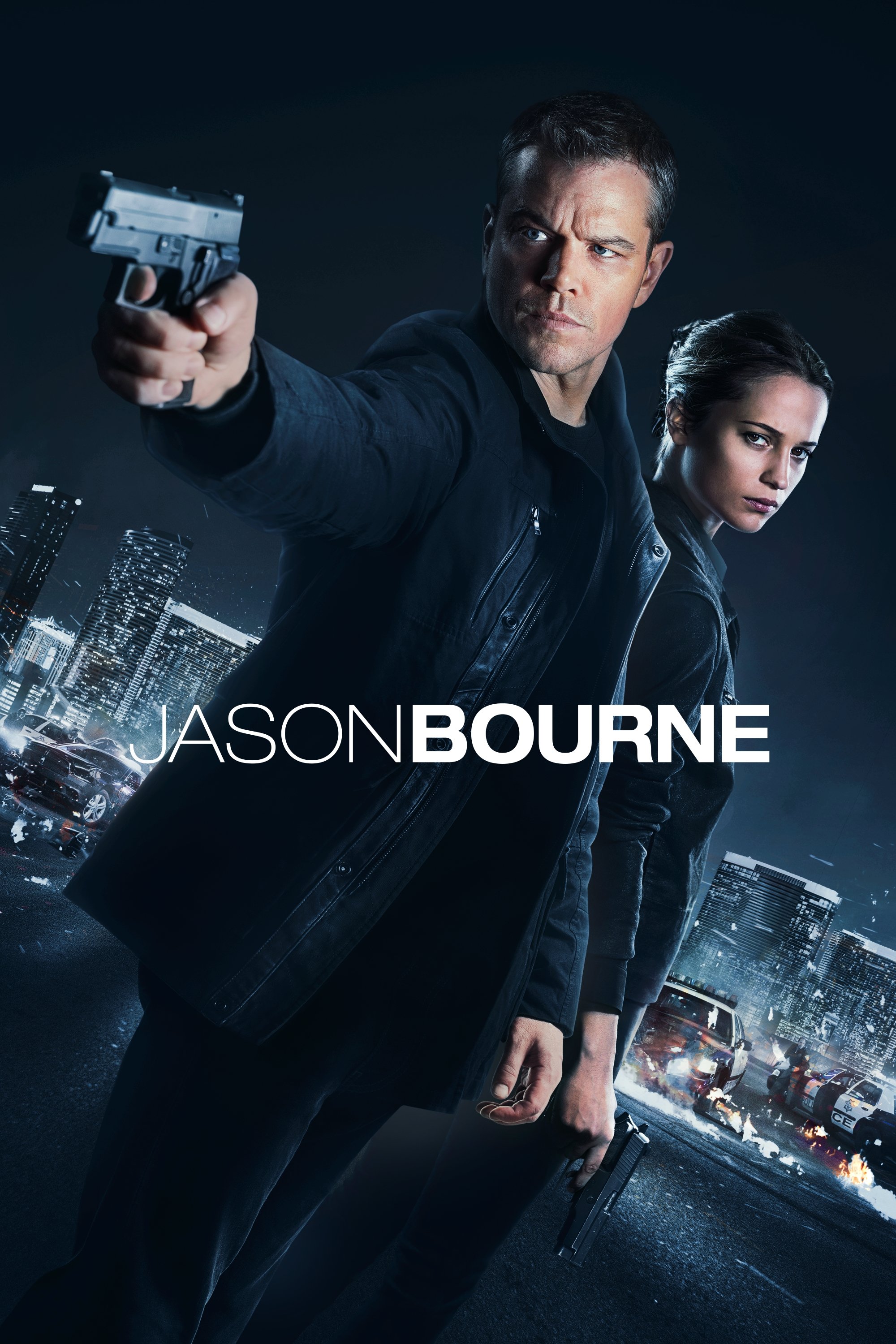
Paul Greengrass has spent the past decade working out how to film panic. He did it with the shaky, on-the-ground horror of United 93, and he carried the same nervous handheld energy into the Bourne sequels, where it turned a spy franchise into something that felt like it was happening to you. Captain Phillips opens the BFI London Film Festival as the logical next step: a true story he can shoot in close, in tight corridors, with the camera never quite settling. The trick this time is that there is no chase to fall back on. The ship cannot outrun anything. The tension has to come from people in a confined space making decisions under pressure, and that is exactly where Greengrass is strongest.
The setup
In April 2009 the Maersk Alabama, an American container ship, is making the run round the Horn of Africa when it is spotted by a skiff of armed Somali men a long way out to sea. Richard Phillips (Tom Hanks) is the merchant captain, a careful, unglamorous professional who runs drills and reads the radar and knows the odds are not in his favour. When four pirates get aboard with assault rifles, the standoff is no longer about distance. It becomes a negotiation, a bluff, a slow contest of nerve between a captain trying to protect a crew he has hidden below decks and a young man named Muse (Barkhad Abdi) who has staked everything on this catch. The first half is the ship; the second half tightens to a single orange lifeboat adrift on the ocean, where the stakes narrow to who gets off it alive.
The cast
Hanks does something here that is easy to undervalue because he makes it look like competence rather than acting. For most of the film Phillips is calm, watchful, managing, and Hanks plays the small calculations of a man working the problem. Then the last scene arrives, after the ordeal is over, and the mask comes off all at once. It is the best few minutes of screen work he has done in years, shock arriving late and physically, and it reframes everything steady that came before it.
The discovery is Barkhad Abdi, a first-time actor cast off the street in Minneapolis, who walks aboard and announces “Look at me, I am the captain now” with a quiet, hungry authority that should not be possible from someone who has never acted. Muse is not a cartoon villain. Abdi gives him pride, calculation, and a flicker of dawning panic as the situation slips beyond anything he planned. The supporting pirates, Barkhad Abdirahman and Faysal Ahmed among them, supply the volatility that makes every scene feel one wrong word from going off.
The craft
Barry Ackroyd shoots it the way he shot The Hurt Locker, close and restless, the lens jostling for a clear view as though it too is trapped on the ship. Christopher Rouse, who cut the Bourne films, edits the second half into a procedural countdown as the US Navy closes in, cross-cutting between the sweating lifeboat and the cool professionalism of the warship until the two worlds are pulled into the same unbearable frame. Henry Jackman’s score stays low and pulsing, more pressure than melody. Greengrass keeps the docu-realist style honest: no hero shots, no swelling speeches, just procedure piling on procedure until it becomes genuinely hard to breathe. At 134 minutes it has no slack in it.
How it stacks up
The obvious near comparison is A Hijacking, the Danish film from a year earlier that took almost the same premise and played it as a cold boardroom negotiation drama. Greengrass goes the other way, all immediacy and physical fear, and the two make a fascinating double bill. Against his own work it sits closest to United 93: the same real event reconstructed minute by minute, the same refusal to editorialise, the same way of generating dread from things you already know the outcome of. And it shares DNA with Zero Dark Thirty from the same season, another procedural about American force projection that trusts the audience to sit with discomfort rather than be told how to feel. Where it edges ahead of most of them is the human scale: two captains, both responsible for crews, both out of their depth, watching the machinery of nations grind toward them.
Critics versus the rest of us
Critics are close to unanimous, sitting around 93%, praising the suspense, Greengrass’s grip on procedure, and the Hanks and Abdi pairing. Audiences are a touch cooler at 89%, and the reservation tends to be about how faithful the film is to what really happened, with some of the real crew disputing the captain’s portrayal. That argument is worth having, but it is a question about the source rather than the film in front of you. As a piece of suspense engineering it does everything it sets out to do, and the final scene is the kind of thing that wins people over even when they walked in sceptical.
Verdict
This is high-grade adult thriller film-making, the sort that has quietly become rare: no superpowers, no twist, just craft, nerve, and two performances holding the centre. It loses a fraction for being more admirable than rewatchable. Once you know how the lifeboat ends, some of the unbearable pressure leaks out of a second viewing, and the realism that makes it gripping also makes it heavy going to put on casually. But the direction is immaculate, the tension is real, and that last collapse from Hanks is worth the price on its own. A genuinely good film that earns its reputation. 8.5⁄10.
Availability: On general release in UK cinemas now, following its opening-night gala at the BFI London Film Festival.
Update
Added since this review first appeared: Greengrass and Hanks would not stay apart for long. Hanks went on to play another real captain under pressure for Clint Eastwood in Sully (2016), the Hudson River landing told in the same restrained, procedural register, which makes an interesting companion piece to this. Barkhad Abdi, plucked from obscurity for Muse, earned a BAFTA and an Oscar nomination for it and built a real career off the back of the role. The film has settled comfortably into its standing as one of the strongest mainstream thrillers of its decade. It is now widely available on disc, in 4K, and on digital, and streams on the major platforms depending on region.
BBFC content advice
Rated 12A by the BBFC for moderate violence, threat. The notes below may contain spoilers.
Violence: Actual physical violence is brief and generally undetailed. There is sight of bloody injuries that have been sustained accidentally, such as when a man steps on broken glass, but these are not focussed upon. In one scene, blood is seen to splash onto a man’s face when other men are shot, but there is no strong detail of the actual violence.
Threat: When the pirates take over the ship, crew members are threatened with guns and with other forms of physical force. There is further threat when the ship’s captain is isolated and taken away by the pirates in a lifeboat vessel. Although these scenes are intense and give a powerful impression of the fear felt by the crew, the sense of threat is not unduly sustained and is broken up by other action.
Language: The film includes mild bad language, including uses of ‘hell’, ‘Jesus’, ‘shit’, ‘ass’, ‘asshole’, ‘goddamn’, ‘screwed up’ and ‘piss’.
Source: British Board of Film Classification (bbfc.co.uk).