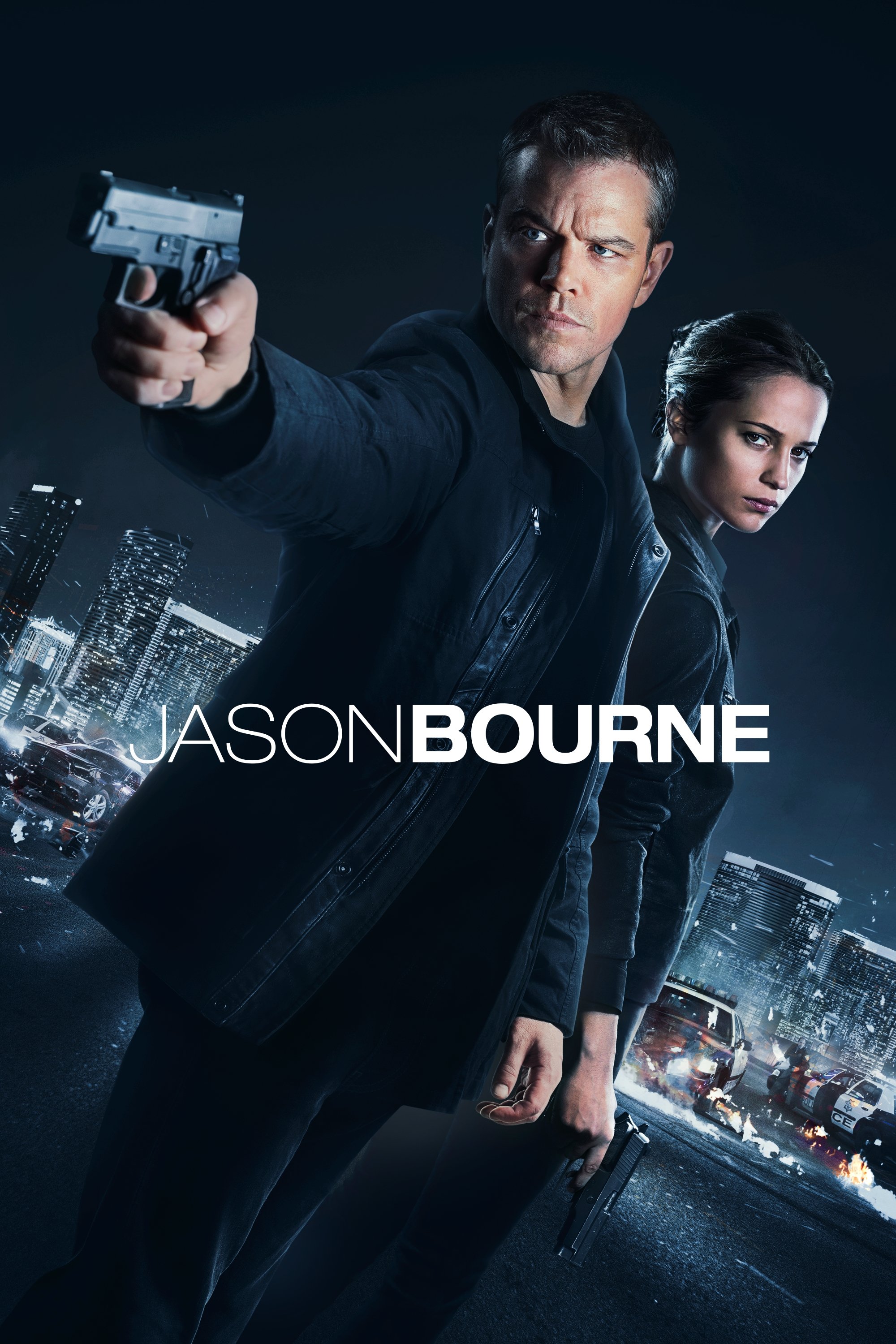

- UK release: July 2016
- Director: Paul Greengrass · Writers: Paul Greengrass, Christopher Rouse
- Studio / distributor: Universal Pictures
- Genre: Espionage action thriller · Runtime: 123 minutes (BBFC 12A)
- Main cast: Matt Damon (The Bourne Ultimatum, The Martian) as Jason Bourne; Alicia Vikander (Ex Machina) as Heather Lee; Tommy Lee Jones (The Fugitive, No Country for Old Men) as Robert Dewey; Vincent Cassel (La Haine, Black Swan) as the Asset
- Rotten Tomatoes: 54% critics / 55% audience · My rating: 8 / 10
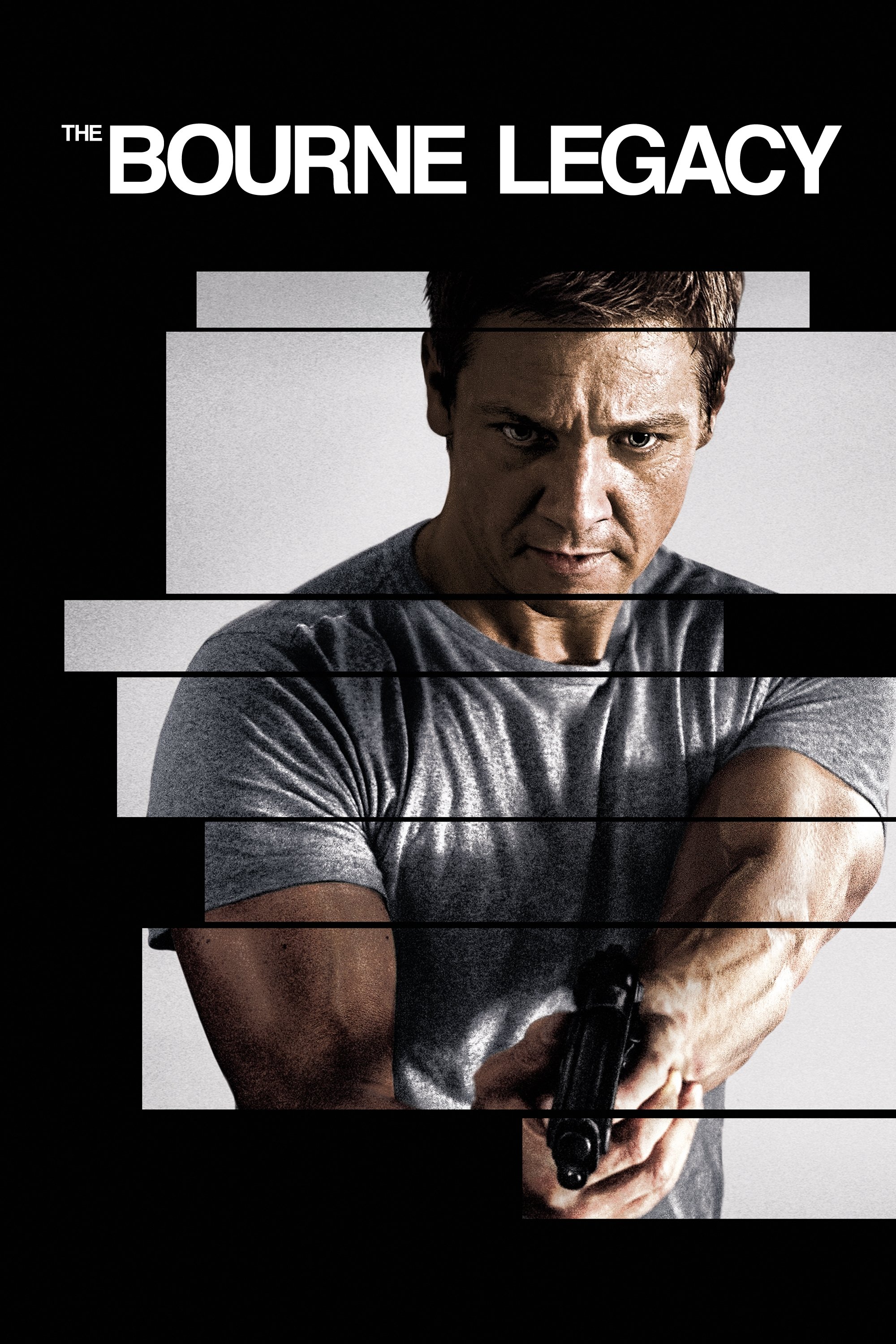
When Paul Greengrass and Matt Damon walked away after The Bourne Ultimatum in 2007, they did it from the high ground, with the cleanest finish any modern action franchise had managed. Then Universal tried to keep the lights on without them, handing the world to Jeremy Renner in The Bourne Legacy, a film I liked rather more than most. But the studio always wanted the original pairing back, and here they are, nine years on, returning to a character who supposedly had nowhere left to go. The question hanging over Jason Bourne is whether there is a real reason to reopen the file, or whether this is the band reuniting for the money.
The setup
Bourne has spent the years since Treadstone collapsed living off the grid, surfacing only to take bare-knuckle fights on the Greek and Albanian borders. He remembers who he is now, which removes the engine of the first three films, so the script reaches back instead of forward: a cache of stolen CIA files surfaces, brought to him by an old ally, and they point at his father and at how a damaged young man was first recruited into the programme. That drags the agency back onto his trail, and the chase is on again, this time wired through phone taps, satellite feeds and a Silicon Valley surveillance deal the CIA would very much like to keep quiet.
Inside Langley, the new director Robert Dewey (Tommy Lee Jones) wants Bourne dead, while his ambitious cyber chief Heather Lee (Alicia Vikander) thinks he can be brought back in. Pursuing all of them is the Asset (Vincent Cassel), a Treadstone-era killer with a personal grudge.
The cast
Damon slots back into the role as though he never vacated it. He has always understood that Bourne is a part built on watchfulness rather than speech, a man reading exits and angles while everyone around him talks, and at this point he can do the cornered-animal stillness in his sleep. He barely has fifty lines of dialogue and does not need them. Vikander, fresh from Ex Machina, brings a cool, screen-lit calculation to Heather Lee that gives the film its one genuinely modern note: the operative who fights with metadata rather than a Glock. Tommy Lee Jones does world-weary institutional menace better than almost anyone, and slots straight into the lineage of Bourne handlers, even if the script gives him little Brian Cox or David Strathairn never did. Cassel makes the Asset more than a silhouette, a man with his own reasons to want Bourne gone, though the personal-grudge angle is the most worn thing in the picture.
The craft
This is where the film justifies itself. Greengrass and his editor and co-writer Christopher Rouse still cut action better than the people imitating them, and the set pieces are genuinely thrilling: a riot in Athens shot in choking handheld chaos, a rooftop foot chase, and a Las Vegas finale built around an armoured SWAT van ploughing down the Strip that is as brutal and tactile as anything in the series. The handheld style, so often blamed for the shaky-cam plague that followed, is in the right hands here a precision instrument, putting you inside the panic without losing the geography. David Buckley and John Powell keep Powell’s propulsive Bourne pulse running underneath. The surveillance material, screens watching screens, faces pulled from CCTV in real time, taps neatly into the Snowden-era anxieties the series has always circled, and gives the old formula a contemporary charge.
How it stacks up
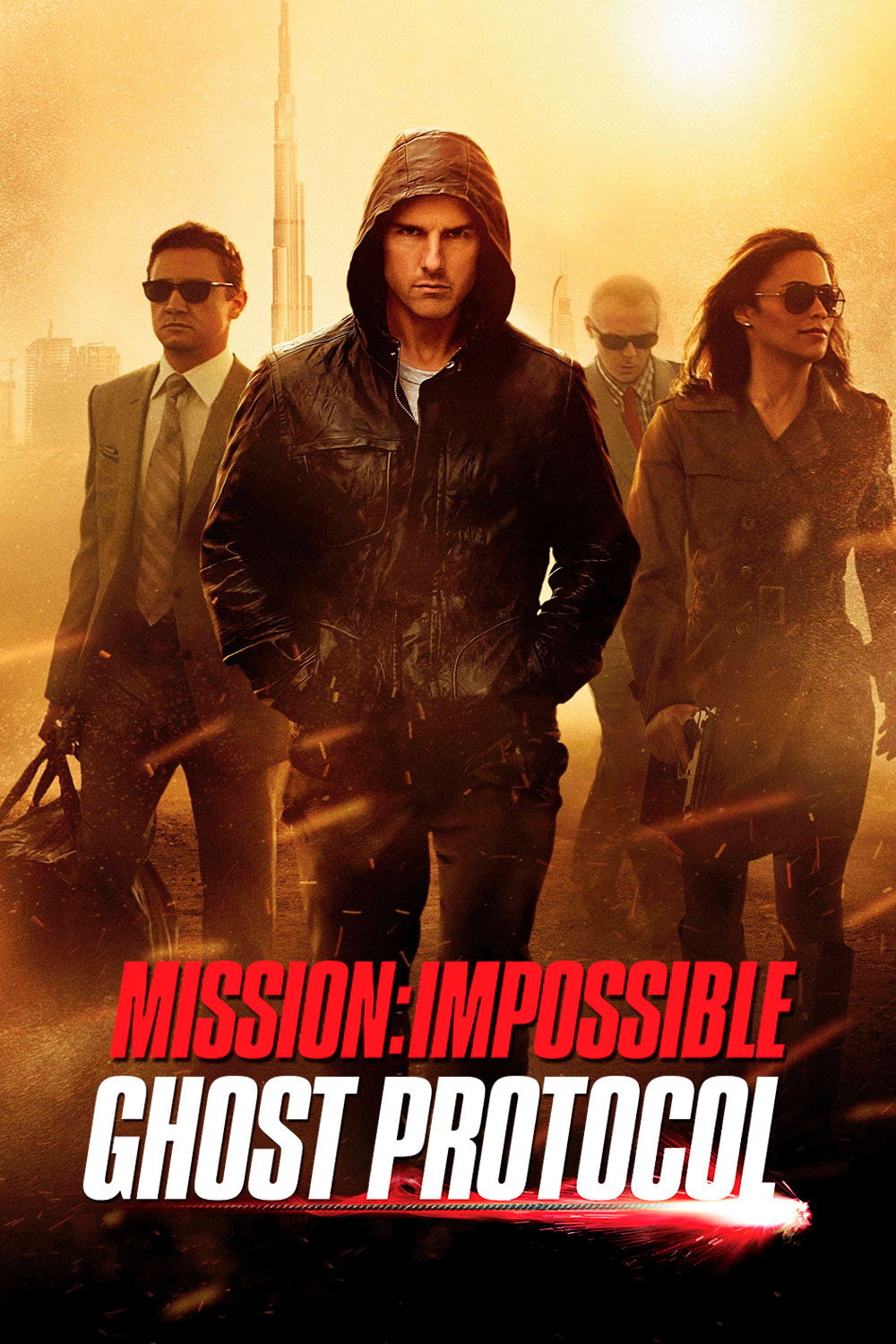
Measured against The Bourne Ultimatum, this is the lesser film, and it knows it. The plotting is thinner and the emotional stakes feel manufactured, a father’s-secret reveal bolted on because the amnesia well had run dry. But measured against the wider field of 2016 spy cinema it stands up well. It is leaner and angrier than the increasingly cartoonish Mission: Impossible outings, and it has a grubby, real-world texture the Bond films had largely traded away for glamour. I would put it a notch below Legacy, which had the advantage of a genuinely fresh angle, but the craftsmanship on display here is of a higher order.
Critics versus the rest of us
The reviews are decidedly mixed, with critics sitting at 54% and audiences barely warmer at 55%. The recurring complaint is fair: the story is a retread, a fourth lap of a track we have run before, with diminishing narrative returns. I take the point and largely agree with it. Where I part company is on what that costs the film. A Bourne picture lives or dies on momentum, paranoia and the kinetic conviction of its action, and on all three this delivers exactly what the badge promises. The plot being familiar matters less to me than whether the thing moves, and it moves like few action films this year.
Verdict
So my number sits comfortably above the consensus, and I am not embarrassed about it. I love this series, I value espionage, surveillance themes and rewatchable, well-built action, and Jason Bourne serves all of that even as it coasts on a story it has told before. It is not the equal of the original trilogy’s peak, the script reaches for a personal reveal it does not really earn, and Vikander deserved a sharper part. None of that stops it being a tense, propulsive, supremely well-cut thriller that I will happily watch again on a wet evening. 8⁄10.
Availability: On general release in UK cinemas now.
Update
Added since this review first appeared: this remains, for now, the last theatrical Bourne film, with Universal pivoting instead to the prequel television series Treadstone (2019) before that too was cancelled. Talk of a further Damon and Greengrass entry has circled for years without landing. The film has settled into its reputation as a solid but inessential coda to the trilogy, the one fans rate higher than critics. It is widely available on disc and digital, and streams across the usual platforms depending on your region.
BBFC content advice
Rated 12A by the BBFC for moderate violence. The notes below may contain spoilers.
Violence: There are frequent scenes of moderate violence in which people engage in hand-to-hand combat, and use improvised weapons or firearms. Although heavy blows are landed, little is shown in terms of injury detail, with the focus instead placed on action. Notable moments include shootings resulting in limited bloodshed, and a prolonged fight scene featuring heavy blows and an implied neck break.
Threat and horror: There are some intense action scenes, including a car chase.
Language: There is a single use of moderate bad language when a man is referred to as a ‘prick’. Milder bad language includes ‘shit’, ‘son-of-a-bitch’, ‘crap’, ‘Jesus Christ’, ‘damn’, ‘hell’ and ‘God’.
Injury detail: There is limited sight of blood in the aftermath of violence, as well as sight of scars.
Source: British Board of Film Classification (bbfc.co.uk).