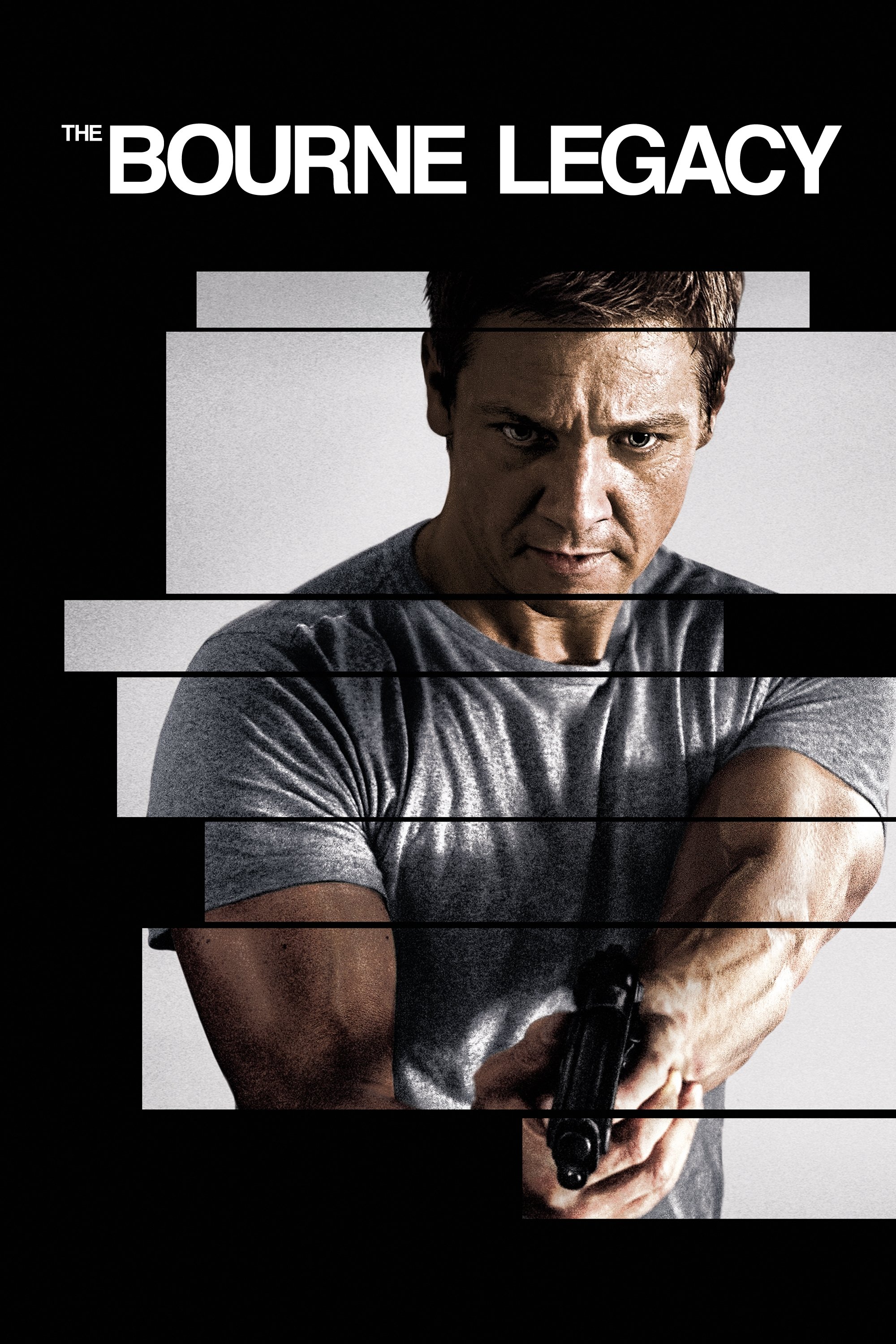

- UK release: August 2012
- Director: Tony Gilroy · Writers: Tony Gilroy, Dan Gilroy
- Studio / distributor: Universal Pictures; Relativity Media; The Kennedy/Marshall Company
- Genre: Espionage action thriller · Runtime: 135 minutes (BBFC 12A)
- Main cast: Jeremy Renner (The Hurt Locker) as Aaron Cross; Rachel Weisz (The Constant Gardener, The Mummy) as Dr Marta Shearing; Edward Norton (Fight Club, Primal Fear) as Eric Byer; Joan Allen (The Contender) as Pamela Landy; Oscar Isaac as Outcome #3
- IMDb: 6.7 / 10 · Rotten Tomatoes: 55% critics / 58% audience · My rating: 9 / 10
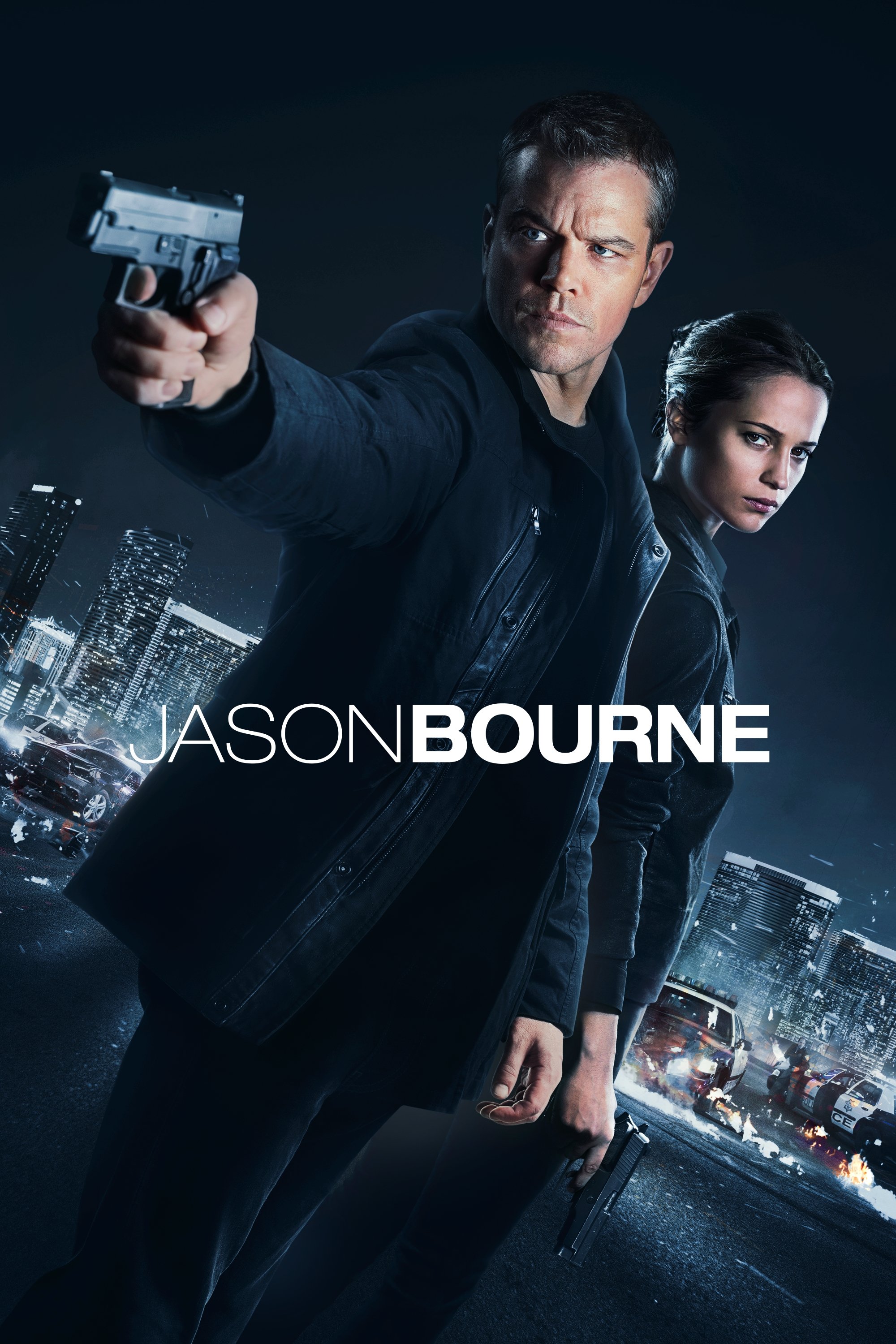
The trick that no spy franchise had quite pulled off until now is to lose its hero and keep its world. Matt Damon and Paul Greengrass walked away after The Bourne Ultimatum, and the obvious move was to recast Jason Bourne and pretend nothing had happened. Universal did something braver. It handed the keys to Tony Gilroy, the screenwriter who built the architecture of all three previous films, and asked him to open a second door into the same building. The result is a Bourne film with no Bourne in it, which sounds like a contradiction until you watch how carefully Gilroy threads it into the events you already know.
The setup
While Jason Bourne is tearing the agency apart in the closing weeks of Ultimatum, the people who run the programmes that made him decide the safest course is to burn everything down. Aaron Cross (Jeremy Renner) is an operative on a parallel scheme, kept sharp and stable by a regime of pills, and when the order goes out to liquidate the whole network he becomes a problem to be solved. His survival depends on Dr Marta Shearing (Rachel Weisz), one of the scientists who designed the chemistry he runs on, now a loose end herself. What follows is a chase that runs from the Alaskan wilderness to the rooftops of Manila, with Cross trying to stay one dose ahead of the men erasing him.
The cast
Renner has the hardest job in the film, which is to make you forget the actor everyone came to see. He does it by playing Cross as something colder and more curious than Damon’s haunted Bourne: a man who knows exactly what he is and is quietly terrified of losing it. After The Hurt Locker he already had the watchful, coiled quality this needs, and he carries the picture without strain. Weisz gives Shearing real fear rather than the standard imperilled-scientist competence; her panic in the early laboratory scenes is the most frightening thing in the film. Edward Norton, all clipped reason behind a bank of monitors, is the institution made flesh, the sort of man who orders terrible things in a level voice. Joan Allen returns as Pamela Landy to stitch this story to the others, and Oscar Isaac makes a single early scene land harder than its length suggests.
The craft
Gilroy is a writer first, and it shows in the best way: this is a thriller that trusts you to follow a plot built out of procedure, jargon and institutional cowardice. Robert Elswit shoots it cleaner and steadier than Greengrass ever did, trading the handheld shudder of the earlier films for something more composed, which suits a story about people watching screens. James Newton Howard inherits the franchise’s nervy pulse and gives it a touch more melancholy. The Manila sequences are the standout, a long foot-and-motorbike pursuit through markets and back alleys that keeps the geography legible while the tension climbs. Two and a quarter hours is a lot to ask of a chase, and the middle stretch in the wild does sag, but Gilroy keeps finding texture in the machinery of how a government decides to disappear its own people.
How it stacks up
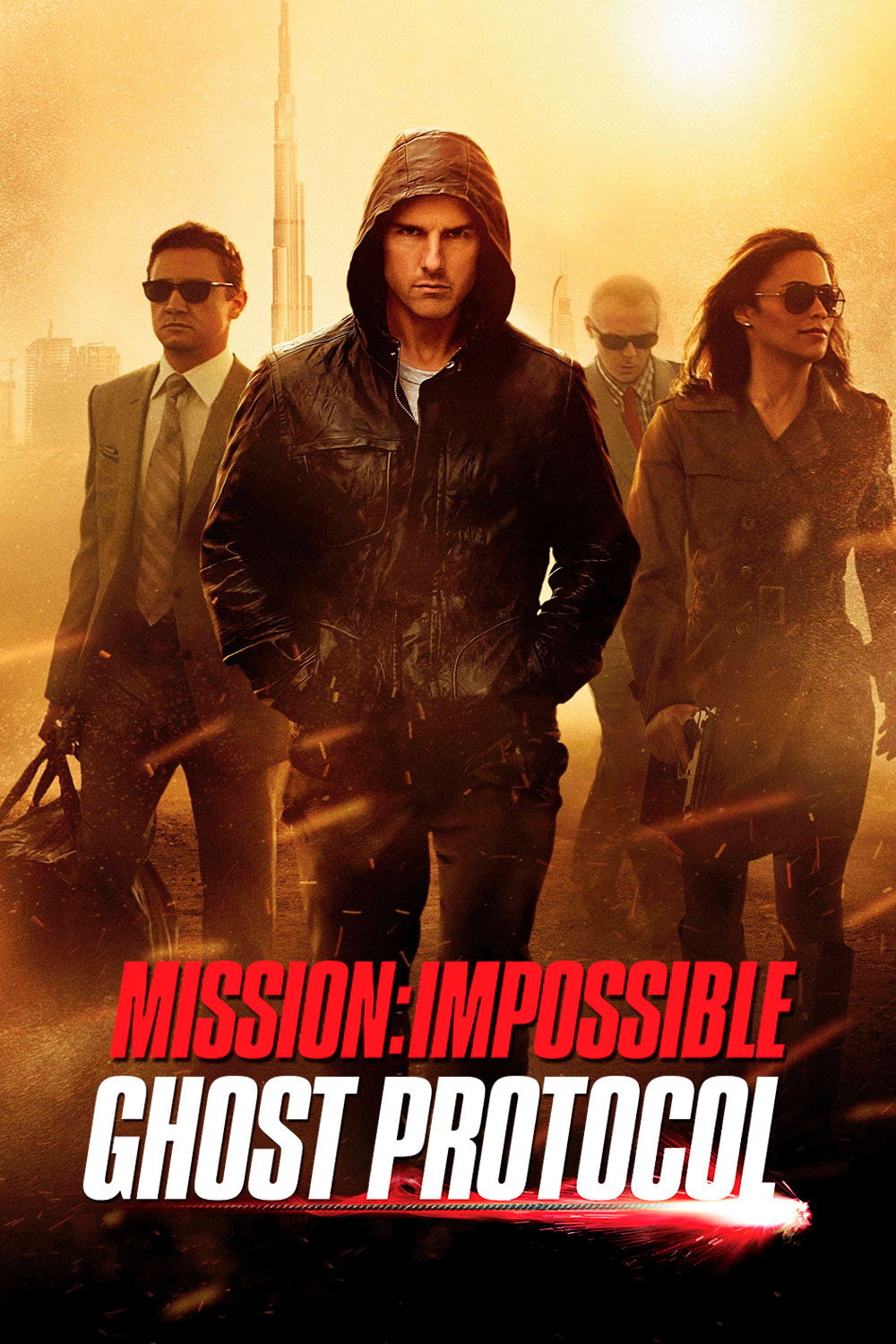
Set beside The Bourne Supremacy and The Bourne Ultimatum, this is the talkier, more deliberate cousin, less interested in the next collision than in the system that produces it. That will frustrate anyone who wanted a straight swap of one running man for another. As an espionage picture it sits closer to Gilroy’s own Michael Clayton than to the Greengrass films, more concerned with the rot inside an organisation than with fists. The obvious rival on screens right now is Mission: Impossible - Ghost Protocol, which is the more purely fun ride; Legacy is the one with more on its mind. There are flavours of Hanna too in its lab-made operative learning what was done to them.
Critics versus the rest of us
Reviews are split, and the recurring complaint is fair on its own terms: this is a Bourne film that lacks Bourne’s urgency, and it stops rather than ends. Critics sit around 55%, audiences a shade higher at 58%, and a good deal of the disappointment is really grief that Damon has gone. The praise, where it lands, is for Renner and for the audacity of expanding the world sideways instead of rebooting it. I think the mixed verdict undersells what Gilroy has built. The film is not trying to be louder than its predecessors; it is trying to show you the wiring behind them, and on that count it is the most interesting entry since Supremacy.
Verdict
My number is well above the consensus, and I will defend it. I have watched the Bourne films more times than is reasonable, and this is the one I reach for most often, precisely because of the things critics docked it for: the procedural patience, the institutional menace, the sense of a whole hidden apparatus glimpsed at the edges. Renner is a genuine lead, Weisz grounds it, the Manila chase is as good as anything in the series, and the espionage detail rewards a second and third viewing. Yes, the ending is abrupt and the wilderness section drags. Neither costs it much. It is intelligent, atmospheric, endlessly rewatchable franchise filmmaking, and the cleverest thing any blockbuster has done with a missing star in years. 9⁄10.
Availability: On general release in UK cinemas now, and worth catching on a big screen for the Manila sequence alone.
Update
Added since this review first appeared: the proposed Aaron Cross sequel never materialised, and the franchise instead brought Matt Damon and Paul Greengrass back for Jason Bourne (2016), quietly setting Cross aside. Tony Gilroy went on to create Andor (2022) for Disney, where his fascination with the machinery of covert systems found its fullest expression, which makes Legacy read in hindsight as a warm-up for that. The film has settled into a reputation as the franchise’s odd one out, more admired in retrospect than at release. It is widely available on disc and digital, and streams on Netflix or Now depending on your region.
BBFC content advice
Rated 12A by the BBFC for moderate violence. The notes below may contain spoilers.
Violence: There are a number of scenes of moderate violence, which generally occur during fast-paced fights or shoot-outs. Although there are heavy blows and some bullet impacts, little is shown in terms of injury detail, with the focus instead placed on action and drama or the abilities of the characters involved.
Threat and horror: There are intense action and chase sequences.
Injury detail: There is sight of blood in the aftermath of violence, as well as a scene in which a character cuts their own skin to remove a transmitter.
Language: There is use of mild bad language, including ‘ass’, ‘hell’, ‘Jesus’, ‘screwed’ and ‘shit’.
Source: British Board of Film Classification (bbfc.co.uk).