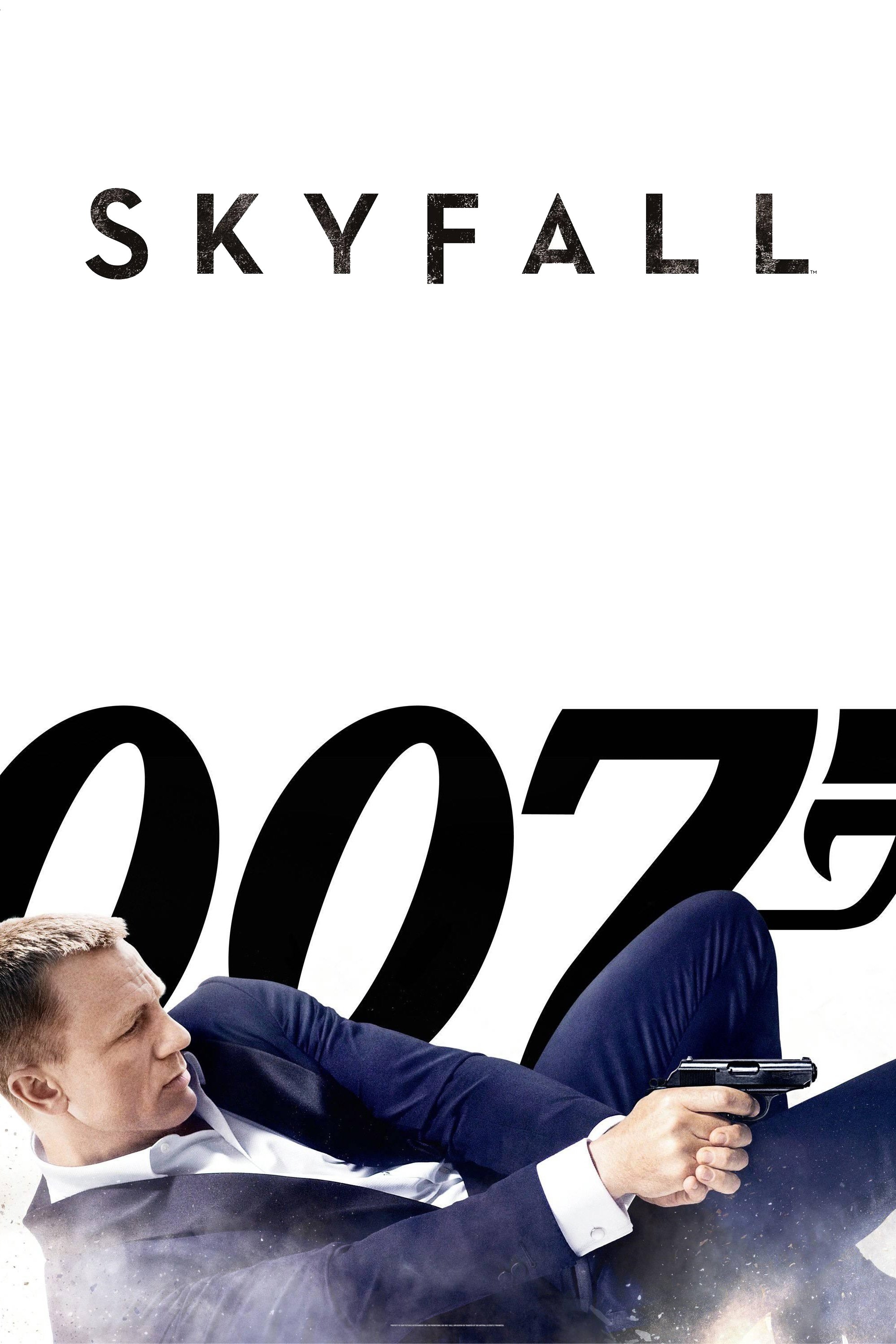
- UK release: October 2012
- Director: Sam Mendes · Writers: Neal Purvis, Robert Wade, John Logan
- Studio / distributor: Eon Productions; MGM; Columbia Pictures
- Genre: Espionage action thriller · Runtime: 143 minutes (BBFC 12A)
- Main cast: Daniel Craig (Casino Royale, Layer Cake) as James Bond; Judi Dench (Shakespeare in Love, Notes on a Scandal) as M; Javier Bardem (No Country for Old Men) as Raoul Silva; Naomie Harris (28 Days Later) as Eve; Ralph Fiennes (The English Patient, Schindler’s List) as Gareth Mallory; Ben Whishaw (Perfume) as Q
- Rotten Tomatoes: 92% critics / 86% audience · My rating: 8 / 10
The Bond series turns fifty this year, and the smart move would have been a lap of honour: a clip reel, a couple of winking callbacks, a safe pair of hands. Instead Eon has handed the keys to Sam Mendes, a director with an Oscar for American Beauty and no previous interest in cars that drive themselves, and asked him to make a Bond film that takes the character seriously as a man with a past. After the lean reboot of Casino Royale and the muddled Quantum of Solace, this is the entry that decides whether the Craig experiment can carry weight as well as momentum. It can.
The setup
A mission in Istanbul goes wrong. A drive containing the identities of every NATO agent embedded in terrorist organisations is stolen, a field operation collapses on a moving train, and Bond pays for it. When he resurfaces, MI6 is under attack from someone who knows the building, the protocols and, more dangerously, M herself. The threat is not a man with a satellite or a private army; it is a former insider with a grievance aimed straight at the woman who runs the service. Bond comes back to defend her, and the film becomes an argument about whether the old way of doing things, human agents, judgement, loyalty, still has a place in a world that thinks it can be run from a laptop.
The cast
Three films in, Craig has stopped having to prove he is Bond and can start showing the cost of it. He plays this one bruised, slower, a fraction past his best, and lets you see the effort behind the recovery. It is the most interior performance the part has had in years. Judi Dench finally gets a Bond film built around her rather than parked in an office: M is the emotional centre here, and Dench gives her steel and exhaustion in the same breath. Javier Bardem arrives late and walks off with the picture. His Raoul Silva is theatrical, wounded and unsettlingly intimate, a villain who flirts as readily as he threatens, and his introduction, a single unbroken approach across a vast empty room, is the best entrance the series has staged in a generation. Around them, Naomie Harris gives Eve real field credibility and an easy rapport with Craig, Ben Whishaw reboots Q as a young man more comfortable with code than firearms, and Ralph Fiennes brings the right bureaucratic menace as the politician circling M’s job.
The craft
This is where the film separates itself from everything around it. Roger Deakins shoots Bond the way Bond has never been shot: a Shanghai skyscraper fight staged entirely in silhouette against shifting neon, a Macau casino lit like a jewel box, the grey Scottish moorland of the final act drained of all glamour. It is, frankly, one of the best-looking films of the year in any genre, not just the best-looking Bond. Thomas Newman replaces the series’ usual brassy bombast with something cooler and more textured, and Adele’s title song does the classic thing of sounding instantly like it has always existed. Mendes paces it like a thriller with a pulse rather than a stunt reel, and the action is legible: you always know where everyone is and what it costs. The last act, when the film abandons gadgets entirely for an improvised siege in a remote house, is a genuine surprise, an espionage blockbuster that ends with a couple of people defending a building with whatever is to hand.
How it stacks up
The obvious comparison is Casino Royale, still the high-water mark of the Craig run for sheer narrative drive, and Skyfall does not quite match its forward motion: the middle sags a little once the chase becomes a hunt. The more interesting comparison is GoldenEye, the last Bond film this preoccupied with whether the character is a relic, except that this one means it. And it is impossible to watch Bardem’s Silva, with his theatrical menace and his plan that depends on being caught, without thinking of The Dark Knight, the film that taught every blockbuster how to build a villain who is always three moves ahead. Skyfall borrows that lesson intelligently. What it adds back is everything the reboot had stripped out: the gun barrel, the right car, Q, Moneypenny, a sense that this is a series with a memory.
Critics versus the rest of us
Critics have been close to unanimous, sitting around 92%, with most calling it the best Bond in decades and reserving particular praise for Mendes, Deakins and Bardem. Audiences are a touch cooler at 86%, and I think that gap is honest. The film is a beautiful piece of work, and the plot does not entirely hold up to a second look: Silva’s scheme relies on a chain of events too neat to survive scrutiny, and the much-discussed parallels with Home Alone in the finale, a man booby-trapping a house against intruders, are not wrong. None of that stops it being the most satisfying night out the franchise has offered in years.
Verdict
I admire this one slightly more than I love it, and the score reflects that honestly. As craft it is close to flawless, the best-directed and best-shot film in the series, with the strongest villain since the 1960s and a real emotional throughline for M. As pure rewatchable Bond it sits a half-step behind Casino Royale, because the plot creaks where the earlier film’s never did, and the middle hour asks for patience. But it is handsome, intelligent, properly felt, and it makes the fiftieth anniversary mean something rather than merely marking it. A film that respects its own history without being trapped by it. 8⁄10.
Availability: In UK cinemas now, and worth the biggest screen you can find for Deakins’ photography alone. A DVD and Blu-ray release will follow in the new year.
Update
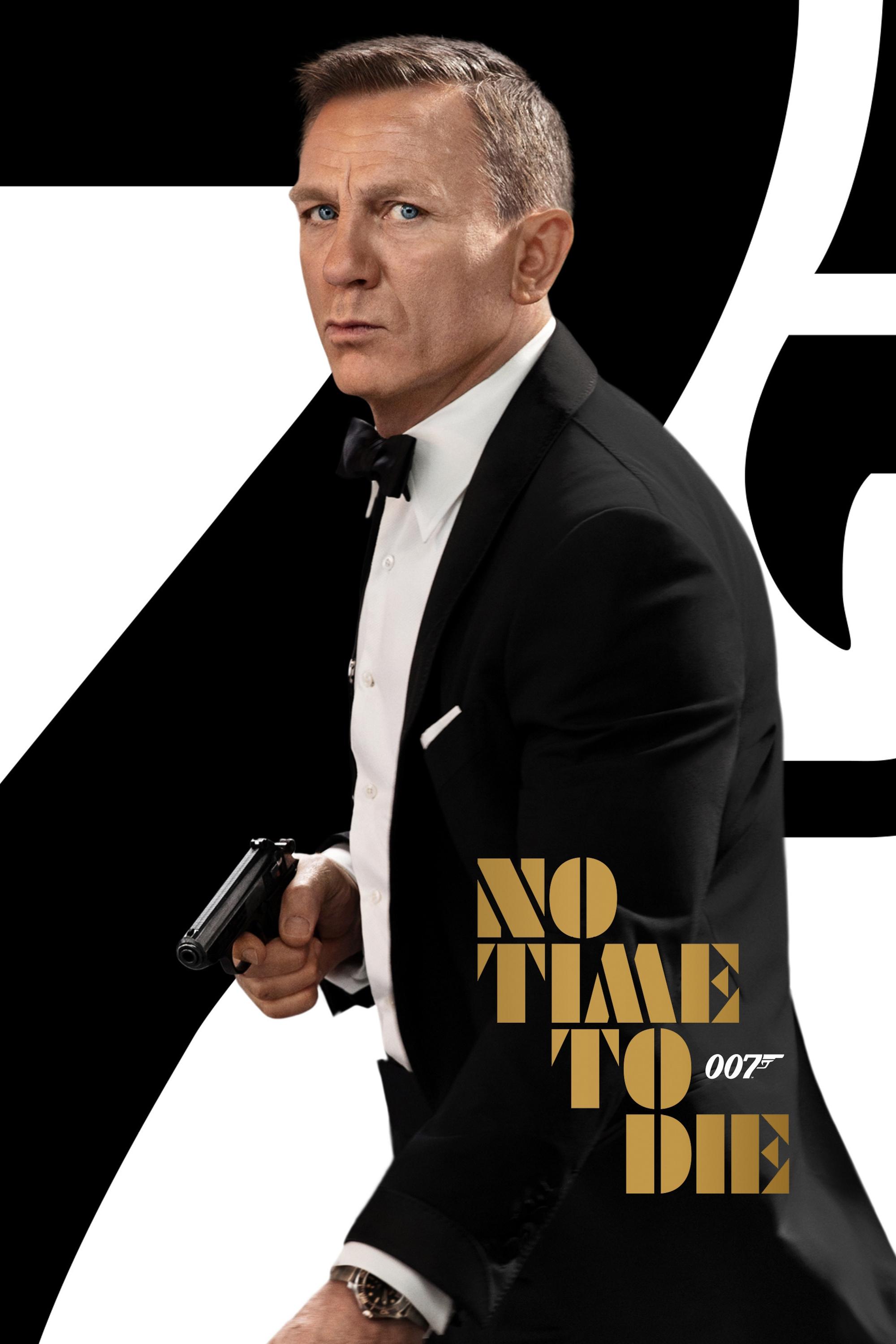
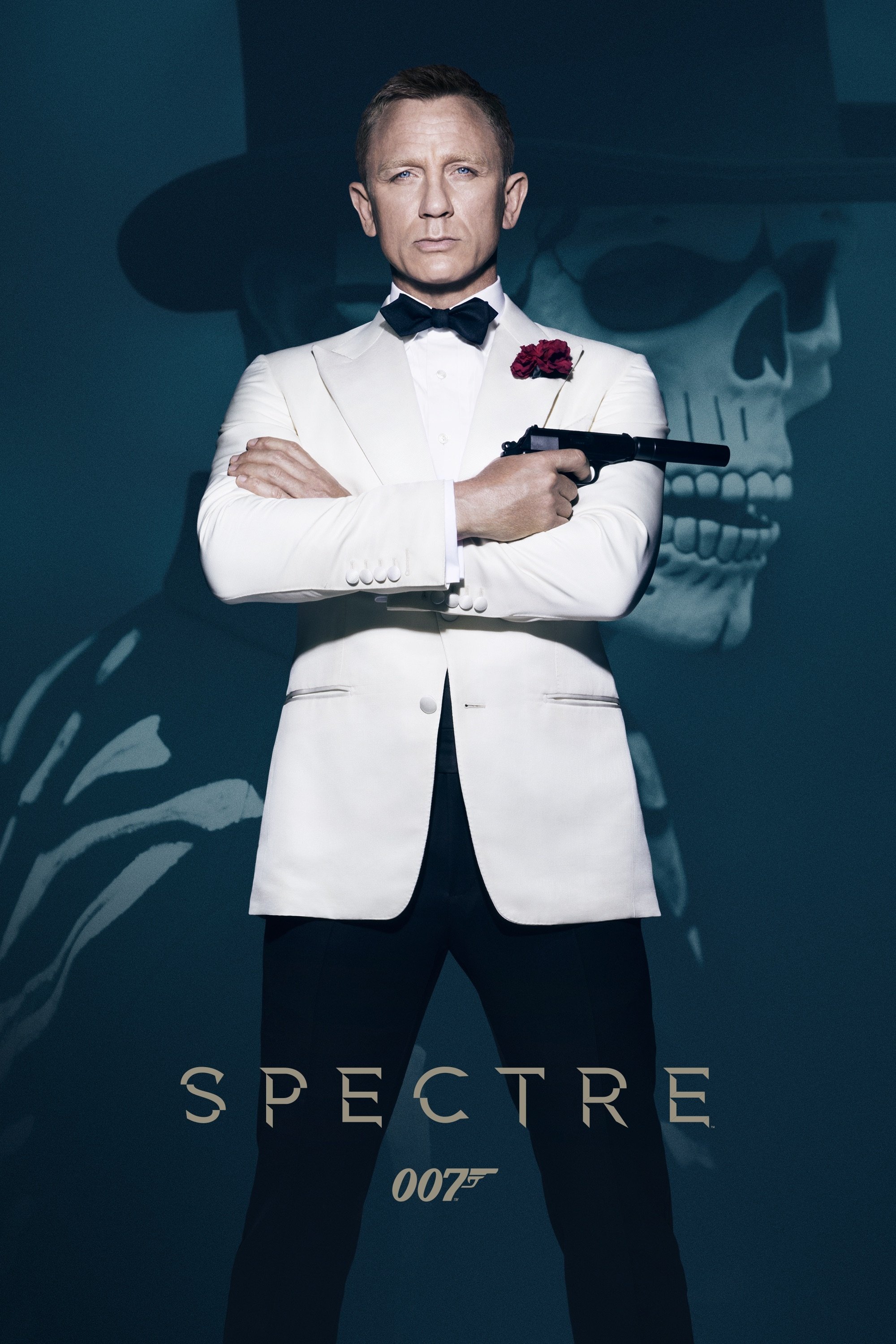
Added since this review first appeared: Skyfall went on to become the first Bond film to pass a billion dollars at the box office, and Adele’s title song took the Academy Award, the series’ first. Mendes returned for Spectre (2015), a bigger and less disciplined film that confirmed how well judged this one was, and the Craig era closed with No Time to Die (2021). With hindsight, Skyfall reads as the moment the reboot grew up and made its peace with the franchise’s past. It now streams across the various Bond rights homes depending on region and is a fixture of the 4K Bond box sets.
BBFC content advice
Rated 12A by the BBFC for moderate action violence, one use of strong language. The notes below may contain spoilers.
Violence: The moderate action violence includes several fight scenes, shoot-outs and chases. There are rapid exchanges of punches and other blows, without any focus on injury, and when characters are shot there is little clear detail of blood or injury. There is sight of bloodied clothing and faces, and a scene in which a man extracts bullet fragments from his own chest.
Language: There is a single use of strong language (‘f**k’), alongside milder terms including ‘bitch’, ‘bloody’, ‘buggered’, ‘shit’, ‘hell’, ‘damned’, ‘Christ’ and ‘God’.
Additional issues: There is a passionate shower scene and implied nudity in the opening titles. Smoking is shown. A London Underground explosion derails an empty train without visible harm to passengers.
Source: British Board of Film Classification (bbfc.co.uk).