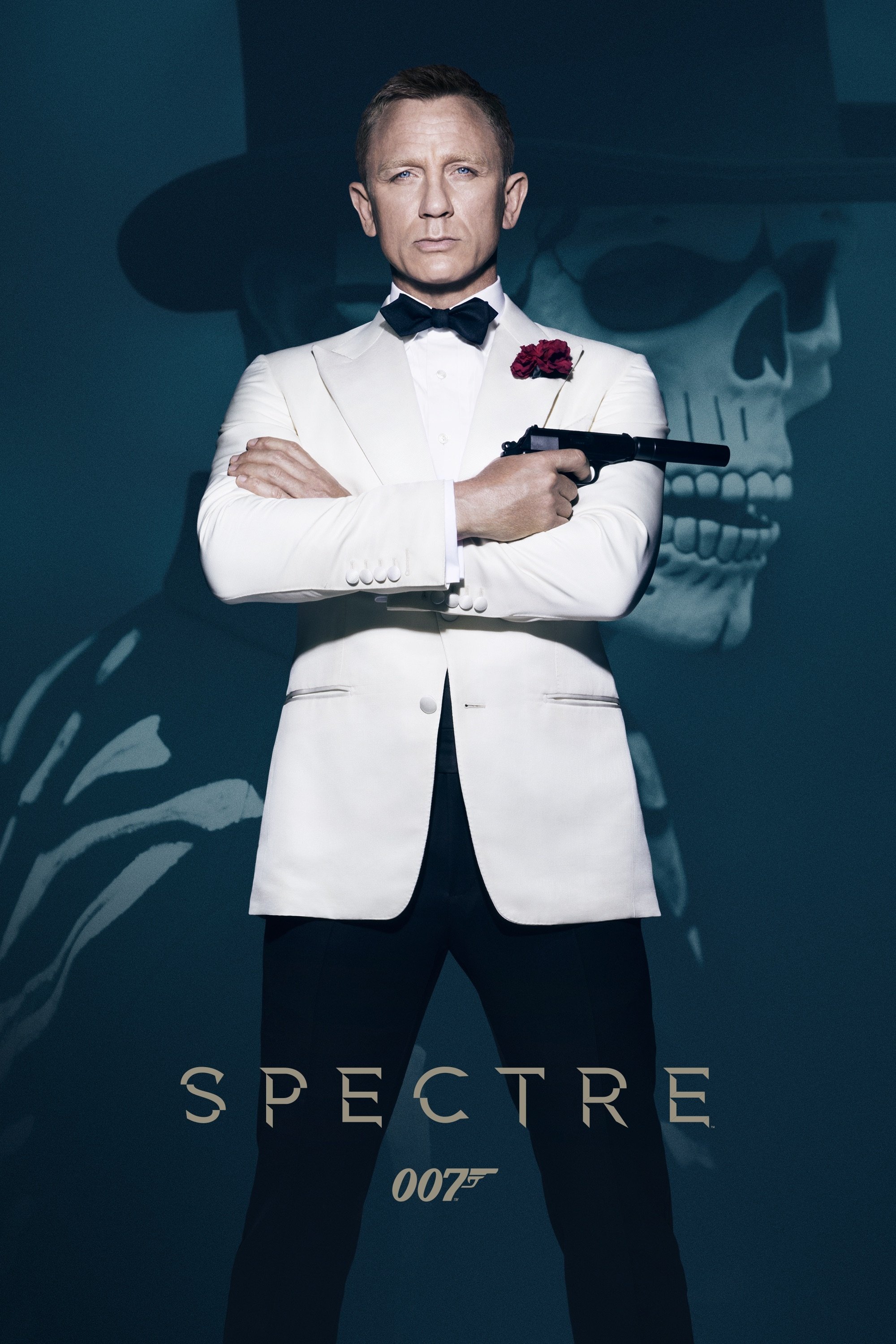

- UK release: October 2015
- Director: Sam Mendes · Writers: John Logan, Neal Purvis, Robert Wade, Jez Butterworth
- Studio / distributor: Eon Productions; Sony Pictures Releasing
- Genre: Espionage action thriller · Runtime: 148 minutes (BBFC 12A)
- Main cast: Daniel Craig (Casino Royale, Layer Cake) as James Bond; Christoph Waltz (Inglourious Basterds) as Oberhauser; Léa Seydoux (Blue Is the Warmest Colour, Midnight in Paris) as Madeleine Swann; Ralph Fiennes (Schindler’s List, The English Patient) as M
- IMDb: 6.8 / 10 · Rotten Tomatoes: 63% critics / 61% audience · My rating: 8 / 10
After Skyfall, the most successful Bond film ever made and the one that finally married the series to a director with real intent, Sam Mendes had nothing to prove and a great deal to lose by coming back. He came back anyway, and Spectre is the sound of a man trying to tie three previous films into one design while keeping the same gloss. The villainous organisation that the Connery films treated as furniture is restored, named on the poster, and handed to Christoph Waltz. The question is whether that bit of housekeeping was worth the reach, and for me, against the grain of a slightly sniffy reception, the answer is mostly yes.
The setup
A posthumous message from Bond’s past points him, off the leash and against orders, towards a meeting in Mexico City and then towards a shadow that has been standing behind every misfortune of the Craig era. While he chases it across Rome, the Austrian Alps and Tangier, back in London the double-0 programme is itself under threat: a smooth Whitehall operator wants the field agents retired in favour of a global surveillance network that would make M and his people obsolete. The two strands are the same argument from opposite ends, one about a man who refuses to stop, the other about an institution being told it is finished, and the pleasure of the film is watching them close on each other.
The cast
Craig is now four films into the role and entirely comfortable in it, which means he can play the weariness as well as the violence. This is a Bond who looks faintly tired of his own legend, and Craig lets that show without ever softening the menace. Waltz, doing the courteous-monster routine he perfected in Inglourious Basterds, is a fine choice for a villain who enjoys an audience, even if the script keeps him in reserve longer than it should. Léa Seydoux gives Madeleine Swann more spine than the franchise usually allows its leads, wary and intelligent rather than decorative. Around them the London bench does sturdy work: Ralph Fiennes settling into M with dry authority, Ben Whishaw’s Q given a proper field outing, Naomie Harris’s Moneypenny treated as a colleague. Dave Bautista’s near-silent enforcer is the best pure-muscle henchman the series has fielded in years.
The craft
Mendes and his new cinematographer Hoyte van Hoytema open with a single long take through a Day of the Dead crowd that is as good as anything in the series, a swaggering bit of showing-off that earns its swagger. The film is beautiful throughout: amber Roman nights, a white Austrian clinic, a train across the desert lit like a memory. Thomas Newman’s score does the brooding heavy lifting, and the action is staged for weight rather than chaos, with crunchy, legible fights and a car chase through Rome played half for laughs. At 148 minutes it is long, and the middle stretch sags where the plotting strains to connect the dots, but the craft never wavers. This is an expensive film that looks every penny.
How it stacks up
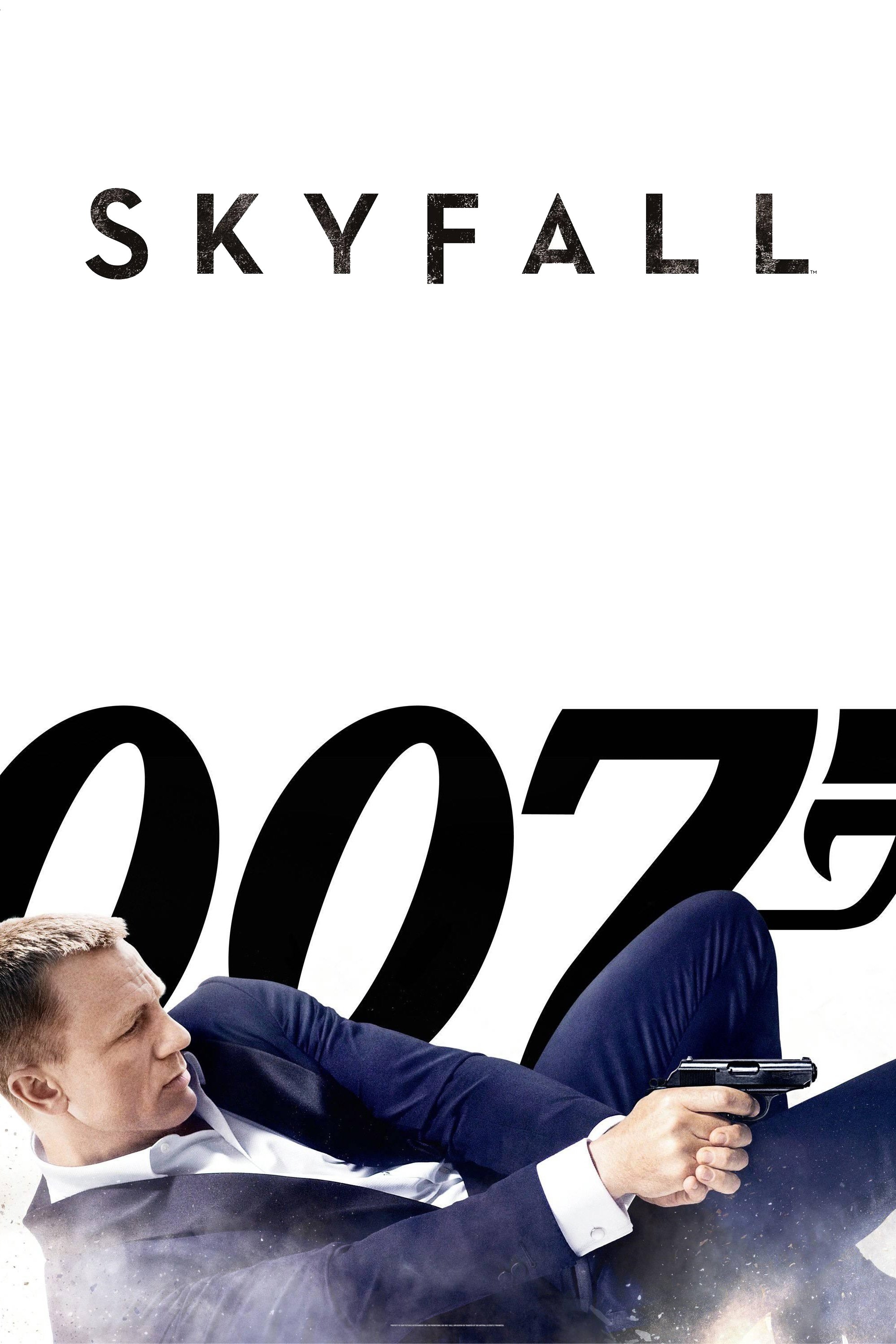
The honest comparison is with Skyfall, and Spectre loses it. That film had a cleaner spine, a more frightening villain in Javier Bardem, and an emotional payload this one cannot match. Reach back further to Casino Royale and you find the same thing: a leaner, hungrier picture. What Spectre is doing instead is something the Craig films had avoided, openly courting the baroque mythology of the Connery and Moore era, the secret headquarters, the cat-stroking mastermind, the gadget-laden car. It wants to be a classical Bond film with modern technique, and on that ambition it largely delivers. The surveillance subplot, meanwhile, is the most timely thing in it, a franchise built on a single licensed killer arguing for the human agent against the all-seeing database.
Critics versus the rest of us
The critical line is cool, around 63%, with audiences barely warmer at 61%. The recurring complaints are fair: the attempt to retrofit the previous three films into one grand scheme creaks, and Waltz’s villain is underused after such a build-up. I take the point and still land higher. Reviews of this kind weigh the disappointment of not being Skyfall; I weigh the thing in front of me, which is a gorgeous, confident, genuinely entertaining spy film with espionage, surveillance themes, real locations and a score I would happily sit through again. The reputation undersells it.
Verdict
Spectre is not the best Bond of the Craig run and does not try hard enough to hide the seams in its grand unifying plot. But it is handsome, witty, propulsive and built on exactly the things I value in the genre: tradecraft, atmosphere, a surveillance argument with some bite, and the sheer rewatchable pleasure of a series doing its most expensive version of itself. It is a film I will return to, and that counts for a great deal. 8⁄10.
Availability: On general release in UK cinemas now, in standard and IMAX. A DVD and Blu-ray release will follow in the new year.
Update
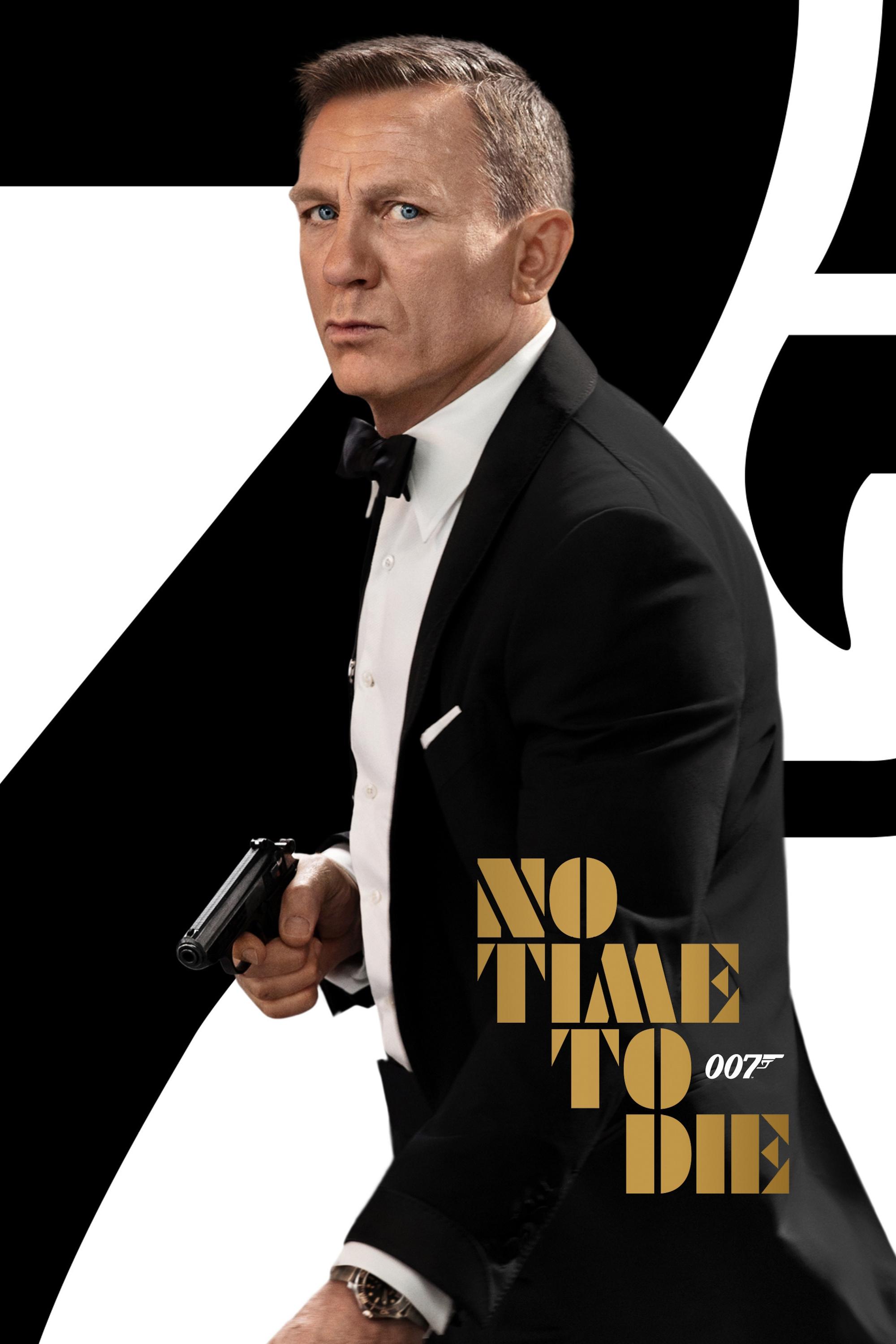
Added since this review first appeared: Spectre turned out to be the penultimate chapter of Craig’s tenure rather than a fresh start, with No Time to Die (2021) closing his run and carrying Madeleine Swann’s story to its end. The grand-unifying-villain experiment has aged into the most divisive thing about the Craig era, and the consensus has hardened that Skyfall and Casino Royale remain the high points. It is now widely available on disc and digital, and streams on Prime Video depending on your region.
BBFC content advice
Rated 12A by the BBFC for moderate violence, threat. The notes below may contain spoilers.
Violence: There is a scene of torture, although there is only limited detail and the character in question is not seriously harmed. There is also a brief moment of eye-gouging, with limited detail, and a scene in which a man shoots himself in the head, although the bullet impact is not shown on screen. There are a number of scenes of moderate action violence, including crunchy blows and shootings, but these lack any focus on detail. There is occasional sight of injuries resulting from violence, including cuts and grazes, as well as sight of blood on faces, hands and clothing.
Threat and horror: There are a number of scenes in which characters are threatened or in danger, including some sustained chase sequences.
Additional issues: The film also contains scenes in which couples embrace, kiss and begin to undress, although these scenes cut away before any sex is shown. There are verbal references to various criminal activities, including the trafficking of women, and some mild bad language (‘bloody’, ‘bastard’, ‘shit’, ‘moron’, ‘asshole’, ‘Jesus’, ‘Christ’, ‘hell’).
Source: British Board of Film Classification (bbfc.co.uk).