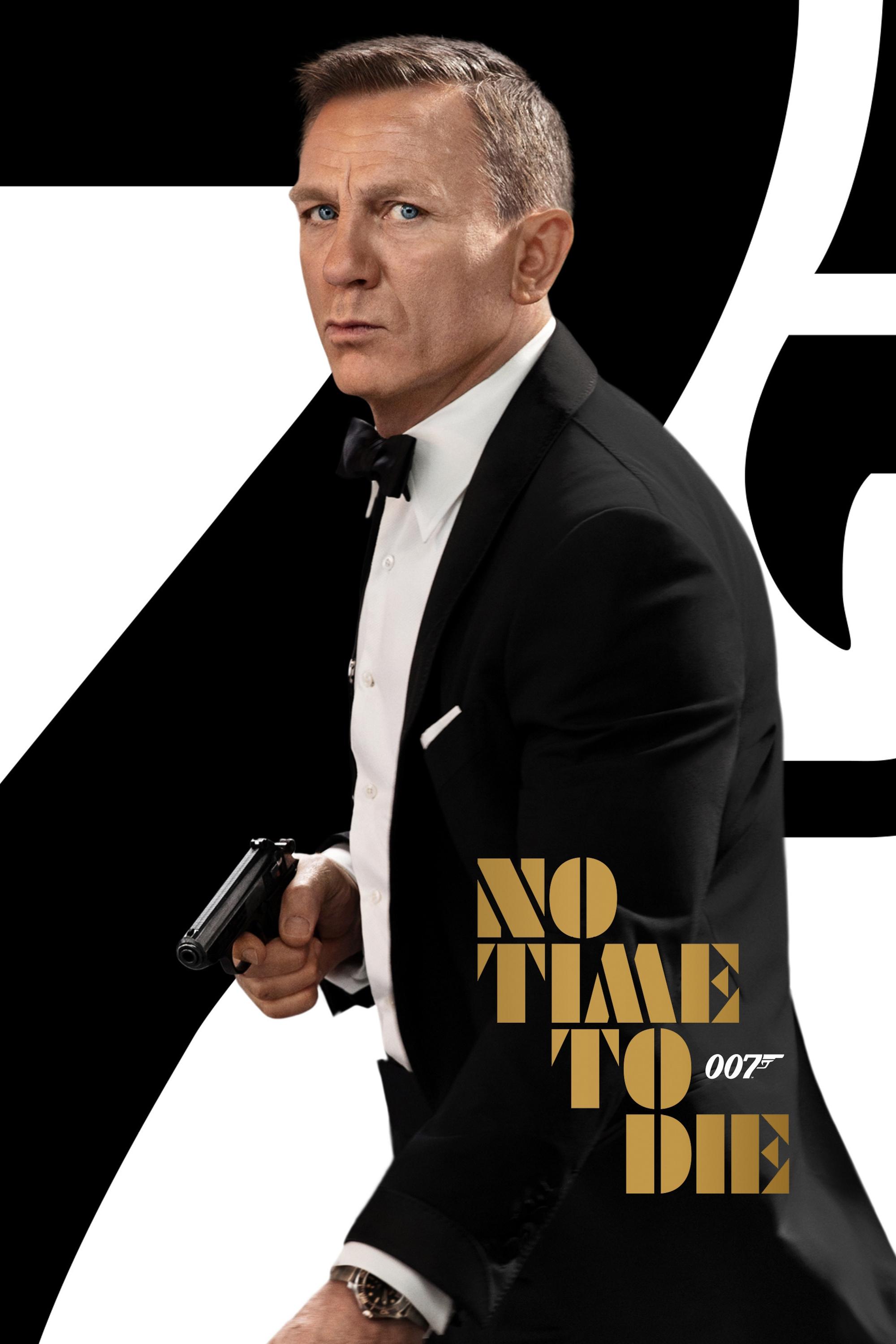

- UK release: September 2021
- Director: Cary Joji Fukunaga · Writers: Neal Purvis, Robert Wade, Cary Joji Fukunaga, Phoebe Waller-Bridge
- Studio / distributor: Eon Productions; MGM; Universal Pictures
- Genre: Espionage action thriller / franchise farewell · Runtime: 163 minutes (BBFC 12A)
- Main cast: Daniel Craig (Casino Royale, Skyfall) as James Bond; Léa Seydoux (Spectre) as Madeleine Swann; Rami Malek (Bohemian Rhapsody) as Lyutsifer Safin; Lashana Lynch (Captain Marvel) as Nomi; Ralph Fiennes (Skyfall) as M
- IMDb: 7.3 / 10 · Rotten Tomatoes: 83% critics / 88% audience · My rating: 8 / 10
When Daniel Craig walked back into Bond after Spectre, he famously said he would rather slash his wrists than do another one. Six years and a global delay later, here he is anyway, and the wonder of No Time to Die is how thoroughly that reluctance has been turned into the film’s subject. This is the fifth and final Craig Bond, the longest 007 ever made, and the first one built around the idea that the man might actually want out. It is a farewell that knows it is a farewell, and it plays the whole thing for keeps.
The setup
We open with Bond retired and off the grid in Jamaica, the wreckage of Spectre behind him and Madeleine Swann (Léa Seydoux) somewhere in his past. An old friend from the CIA, Felix Leiter, pulls him back in over a kidnapped scientist and a stolen weapon: a programmable nanobot agent that can be coded to a single bloodline and kill on contact. MI6 has moved on without him, the 007 number now belongs to a younger agent, and the trail runs towards a scarred recluse named Safin (Rami Malek) whose grievance reaches further back than Bond expects. The plot is dense with returning faces and unfinished business, but the question underneath it is simpler: whether a man this defined by the job can ever put it down.
The cast
Craig has spent five films sanding the gloss off Bond, and here he goes further than he ever has, playing weariness, suspicion and something close to tenderness without losing the cruelty that makes the character work. It is the most emotionally exposed Bond performance the series has, and he carries it. Seydoux is given far more to do than Spectre allowed, and the relationship finally has weight rather than the assertion of weight. Lashana Lynch’s Nomi is a genuine spark, prickly and funny and entirely uninterested in being impressed by him, and Ana de Armas, in a single Cuban sequence, walks off with the most purely enjoyable stretch in the film. Ralph Fiennes, Naomie Harris and Ben Whishaw settle into the familiar MI6 furniture with real warmth. The weak link is the villain. Malek plays Safin quiet and damaged, but the writing keeps him at arm’s length, a soft-spoken abstraction more than a presence, and a Bond film can only be as good as the person Bond is up against.
The craft
Cary Joji Fukunaga is the first American to direct an official Bond, and he brings the patient, textured eye of True Detective to it. The Norway and Faroes locations are bleak and beautiful, Linus Sandgren shoots them with real depth, and the set pieces are clean and legible in a way modern action often is not. A long single-take stairwell assault near the end is the kind of thing the series rarely attempts. Hans Zimmer’s score leans hard on the Bond motifs and on Louis Armstrong’s We Have All the Time in the World, borrowed from the one previous Bond film this one most wants to be measured against. At 163 minutes it is undeniably long, and the middle act sags under the weight of everything it is trying to resolve, but Fukunaga earns the running time more often than he wastes it.
How it stacks up
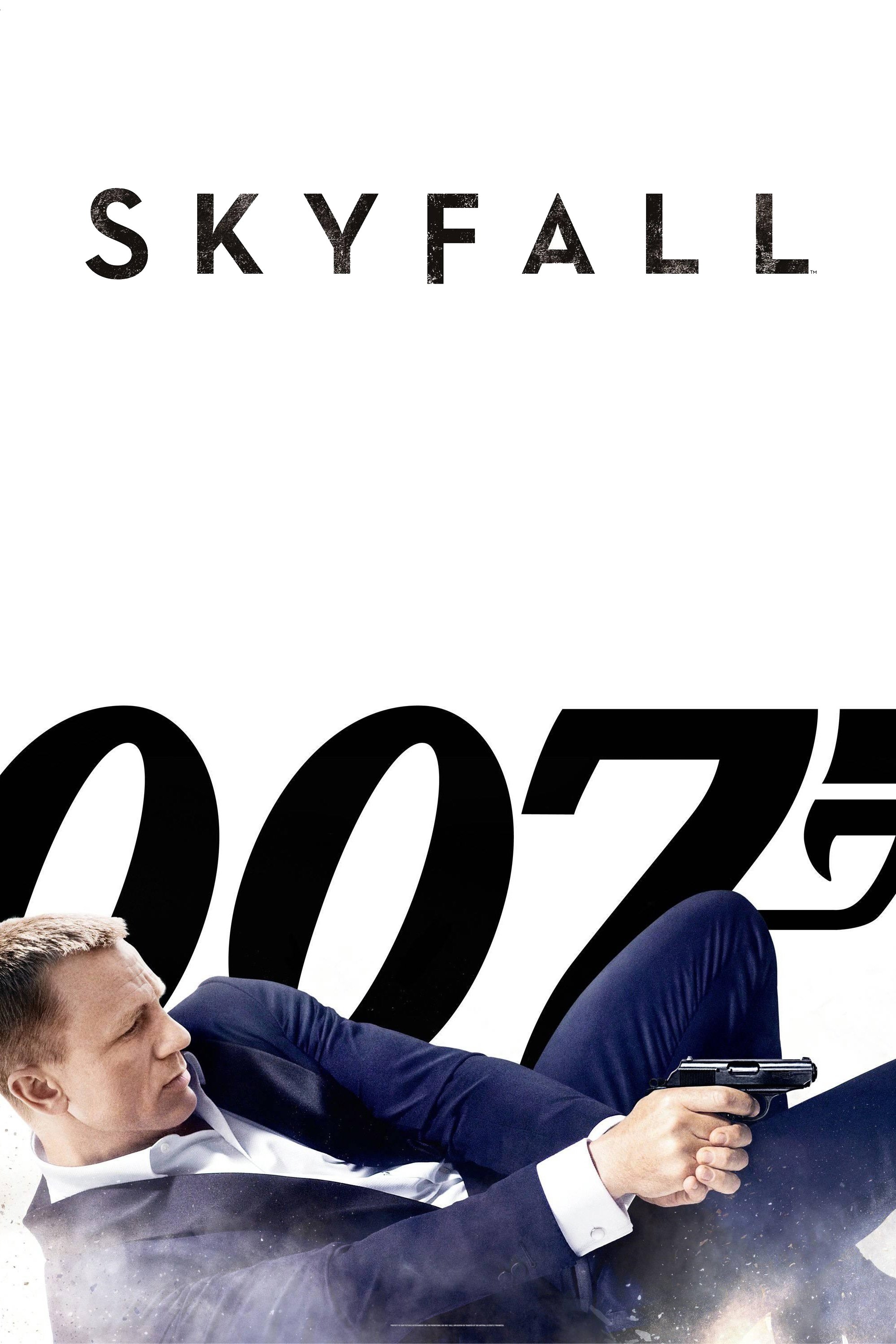
The obvious comparison is Skyfall, still the high point of the Craig run, and No Time to Die does not have that film’s lean inevitability or its perfect villain. It is messier and more sentimental. The braver comparison, and the one the film invites itself, is On Her Majesty’s Secret Service, the 1969 outlier that dared to give Bond a marriage and a heart and then broke it. Craig’s run has always been a long argument with that film, and this is where it pays the debt off. There is some Logan in the DNA too: the same instinct to take a worn-out icon, strip away the invulnerability, and let an ending actually mean something. Bond films do not usually carry consequences from one to the next. This one is the consequence.
Critics versus the rest of us
Critics are broadly won over, sitting around 83%, with audiences a notch higher at 88%, and the split in the reviews is predictable. The praise is for Craig, for the emotional ambition and for the willingness to commit to a real ending. The complaints are the length and the underpowered villain, both fair. A few longtime fans bristle at how far the film pushes Bond from the unattached killing machine of the Connery era. I land on the warm side of that argument. The reviewer in me values espionage that carries a pulse and an ending that costs something, and on both counts this delivers more than I expected from a fifth entry that nobody quite needed.
Verdict
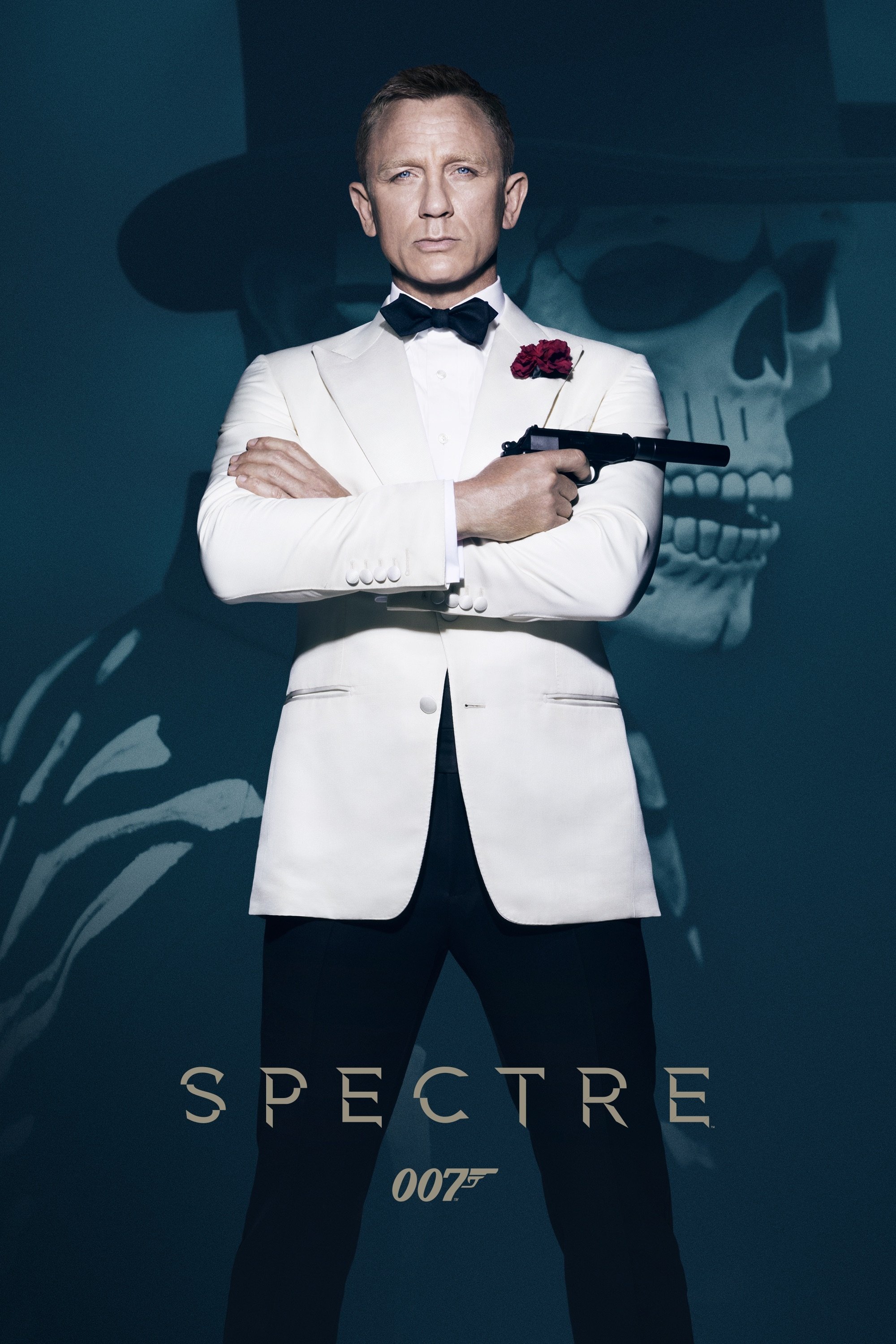
This is not the best Craig Bond, Skyfall still holds that, and it is too long and too in love with its own melancholy to be the most rewatchable. But it is the bravest, and it is the only one that treats fifteen years of buildup as a debt to be paid rather than a brand to be protected. The villain underwhelms, the middle drags, and none of that quite survives how completely Craig and Fukunaga commit to the goodbye. It is a Bond film with real stakes and a real heart, and it sends the era off on exactly the note it deserves. 8⁄10.
Availability: In UK cinemas now, and worth the big screen for the Norway and Cuba sequences. A 4K, Blu-ray and digital release will follow.
Update
Added since this review first appeared: No Time to Die closed the Craig era for good, and the question of who and what comes next remains open, with Eon and the franchise’s new owners yet to name a successor. Its reputation has settled roughly where it landed at release, admired for its nerve and its ending, argued over for its length, and generally placed just below Skyfall and Casino Royale in the Craig rankings. It now streams on Prime Video in the UK depending on the window, and is widely available on 4K UHD, Blu-ray and digital.
BBFC content advice
Rated 12A by the BBFC for moderate violence, infrequent strong language. The notes below may contain spoilers.
Violence: There are a number of scenes of violence, including crunchy blows, an arm-break and shootings, but these lack any focus on detail. The film features an extended opening sequence depicting a home invasion and murder, along with intense car chases, scenes of hand-to-hand combat and shoot-outs, with graphic depictions minimised and key violent acts occurring off-screen or shown only in aftermath.
Language: There is a single use of strong language (‘f**k’), as well as other milder terms.
Threat and horror: The threat is sustained across action sequences and the central bioweapon plot, in keeping with audience expectations of the series.
Detailed BBFC content advice for this release was only partially retrievable; the categories above are drawn from the BBFC’s published classification and case study for the film. Source: British Board of Film Classification (bbfc.co.uk).