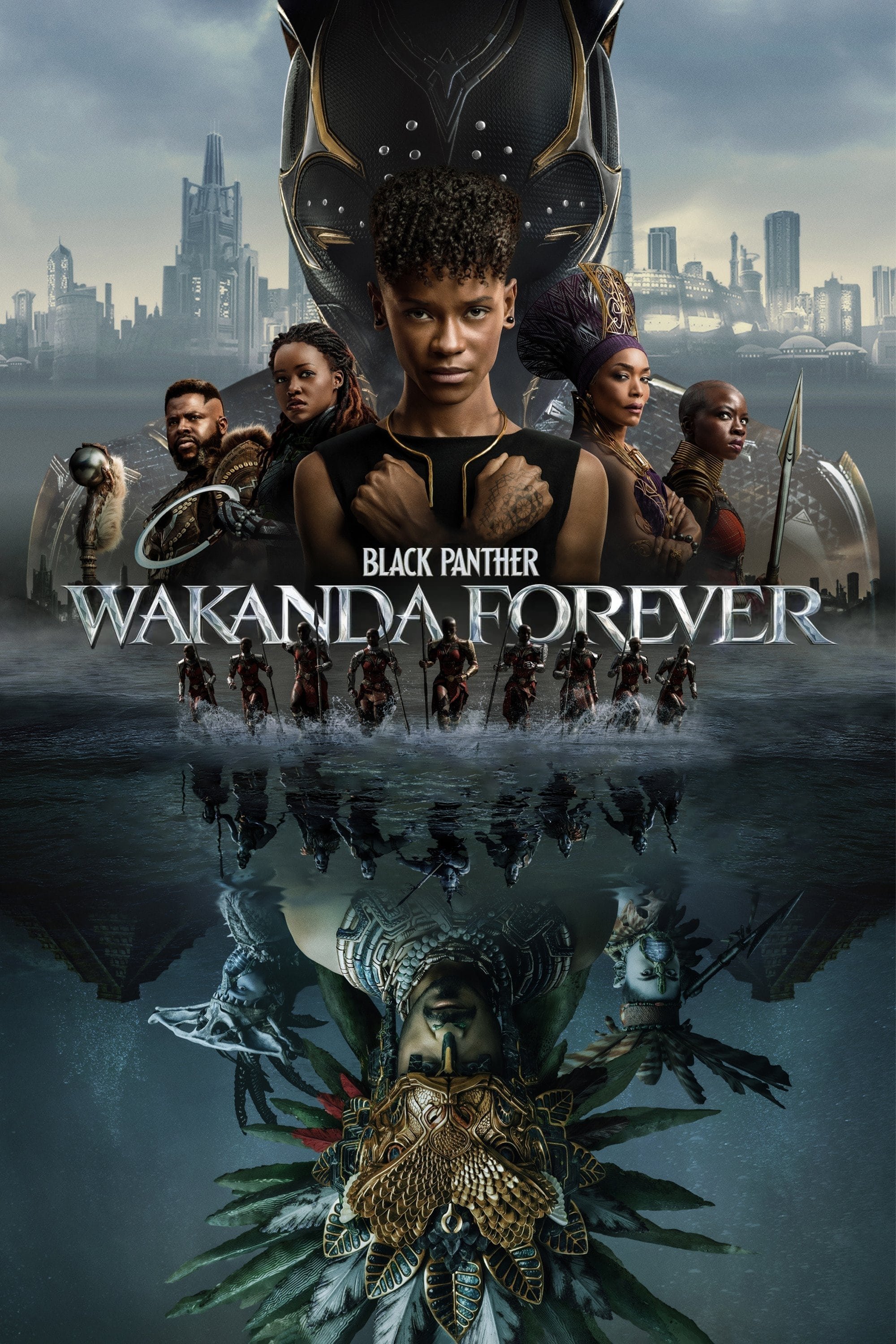

- UK release: November 2022
- Director: Ryan Coogler · Writers: Ryan Coogler, Joe Robert Cole
- Studio / distributor: Marvel Studios; Walt Disney Studios
- Genre: Superhero drama / Afrofuturist adventure · Runtime: 161 minutes (BBFC 12A)
- Main cast: Letitia Wright (Black Panther, Ready Player One) as Shuri; Angela Bassett (What’s Love Got to Do with It, Strange Days) as Ramonda; Tenoch Huerta Mejía (Narcos: Mexico) as Namor; Lupita Nyong’o (12 Years a Slave, Us) as Nakia; Danai Gurira (The Walking Dead) as Okoye
- IMDb: 6.7 / 10 · Rotten Tomatoes: 84% critics / 94% audience · My rating: 8 / 10
No Marvel sequel has ever been asked to do what this one is. Black Panther in 2018 was the rare comic-book film that broke out of its own genre, a billion-dollar cultural moment built around Chadwick Boseman’s quiet authority as T’Challa. Boseman’s death in 2020, kept private until the end, left Ryan Coogler with a film he could no longer make and a decision no screenwriter is trained for: whether to recast, to digitally resurrect, or to write the loss into the story itself. He chose the hardest of the three, and Wakanda Forever carries the weight of that choice in every frame.
The setup
T’Challa is gone. The opening minutes dispatch the king off-screen to illness, and Wakanda is left grieving in public while the world’s powers circle, convinced that a nation sitting on the only known supply of vibranium must be vulnerable now its protector has fallen. Into that vacuum comes a second hidden civilisation, the undersea kingdom of Talokan, ruled by the winged, ankle-feathered Namor (Tenoch Huerta Mejía), who has his own vibranium and his own long memory of what surface colonisers do to peoples they discover. He offers Wakanda an alliance against a shared enemy, on terms that amount to a threat. Caught in the middle are Queen Ramonda (Angela Bassett) and her surviving child, the scientist Shuri (Letitia Wright), who would rather build than rule and is about to be handed both a war and a throne.
The cast
The film leans on its women, and they hold it up. Angela Bassett gives Ramonda a fury under the grace that the rest of the film orbits around; her address to a smug Western delegation is the single best-acted scene in any Marvel picture to date, and it is not close. Letitia Wright has the harder job, carrying a lead role that was written for someone else’s absence. Shuri was comic relief and gadget-maker in the first film; here Wright has to turn that brightness inward into anger and mourning, and she manages the shift even when the script asks her to do it too quickly. Tenoch Huerta Mejía’s Namor is the best Marvel antagonist since Killmonger, a ruler whose grievance is entirely legible and whose cruelty is the considered kind. Lupita Nyong’o and Danai Gurira return to give Nakia and Okoye their due, and Nyong’o in particular reminds you the franchise has quietly built up a deep bench.
The craft
Coogler directs grief the way most blockbusters direct action, patiently and with full attention. The opening funeral, white-clad against Wakandan colour, sets a register the film mostly keeps. Ludwig Göransson’s score is again the secret weapon, threading Mesoamerican textures into the Wakandan palette so that Talokan feels invented from the ground up rather than borrowed from Atlantis. The underwater kingdom is the year’s most convincing piece of world-building, a sunlit blue civilisation with its own logic of breath, language and ritual. Where the film strains is the join between the mourning and the machine: 161 minutes is a long time, and the obligations of a shared universe, the table-setting, the new-suit montage, the franchise housekeeping, sit awkwardly against a story that wants to be about a daughter burying her family.
How it stacks up
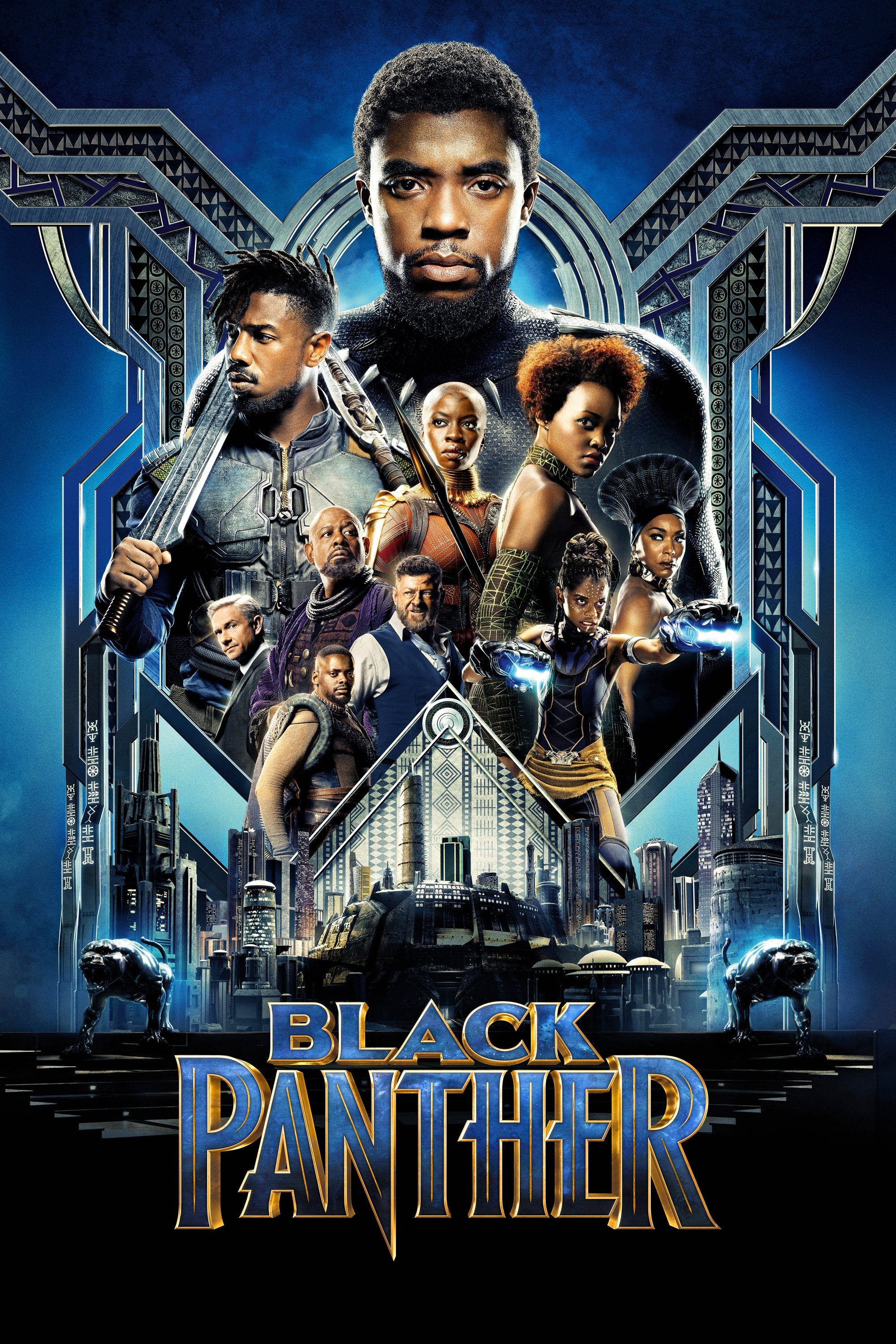
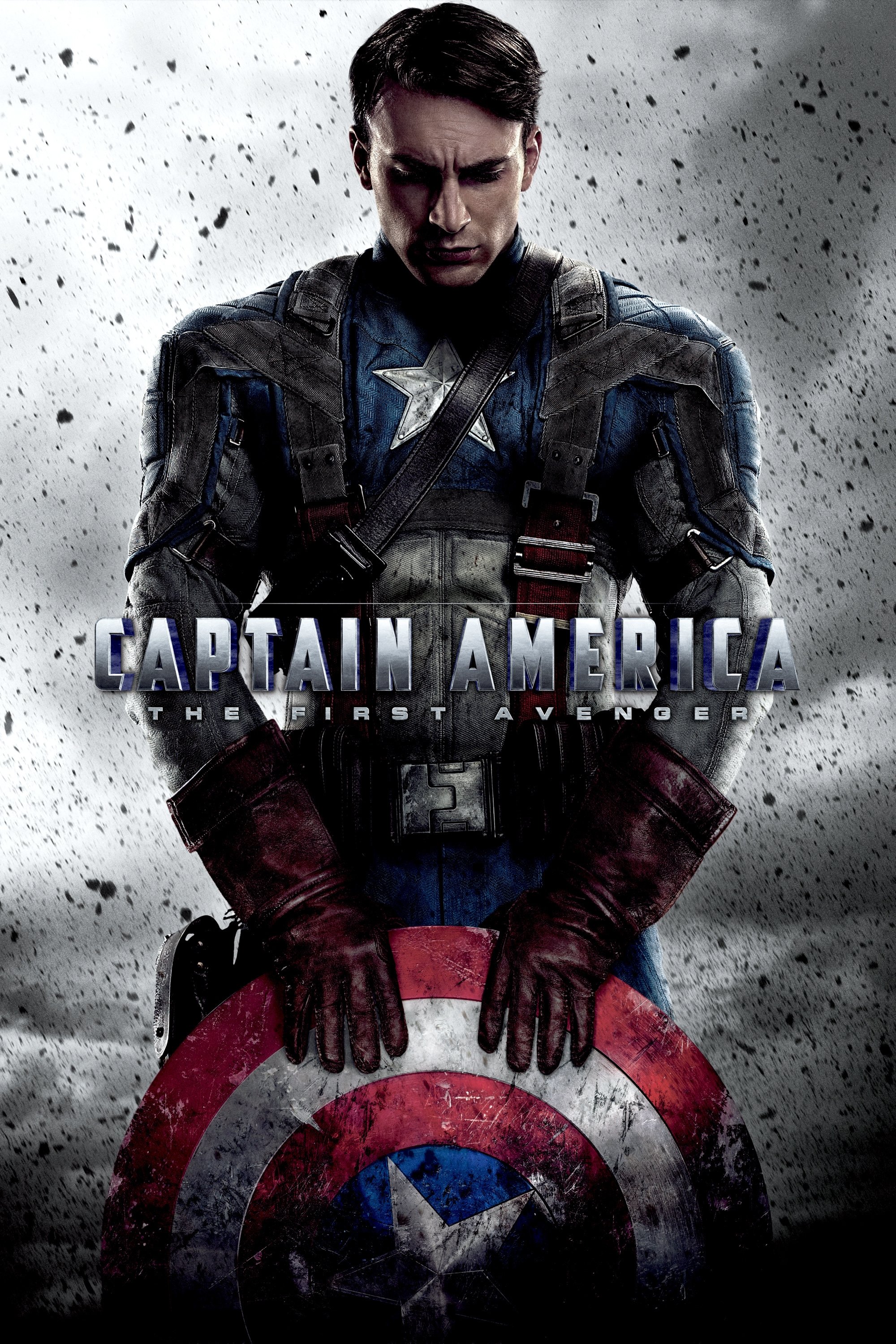
The obvious comparison is the first Black Panther, and Wakanda Forever is the heavier, slower, sadder film. It trades the clean Shakespearean shape of T’Challa versus Killmonger for something more diffuse, two wounded nations talking past each other. The other comparison is Captain America: Civil War, another Marvel film about two parties who are each half right; Namor belongs in that company of antagonists you can argue for. Set against the run of recent Marvel product, churned out and weightless, this is a reminder of what the studio can still do when a real director is given room to make a real film rather than an instalment.
Critics versus the rest of us
The split here is telling. Critics sit around 84%, with the recurring complaint that the film is overlong and bent out of shape by franchise duty, both fair. Audiences are markedly warmer at 94%, and I think they are closer to right. The bagginess is real, but it is the bagginess of a film trying to honour something, not of one going through the motions. The grief is not a marketing texture; it is the load-bearing element, and the audience response suggests viewers felt that and forgave the running time.
Verdict
This is a flawed, moving, overstuffed film that had every excuse to be a disaster and is instead one of the better things Marvel has put out. Bassett and Huerta give it real performances, the Talokan world-building is genuinely new, and Coogler treats his late star and his audience as adults. It loses a point to length and to the franchise machinery clanking in the background, and it is, by design, less rewatchable than its predecessor, because mourning is not the mood you reach for twice in a year. But it earns its emotion honestly, and the world it builds underwater is worth the dive. 8⁄10.
Availability: In UK cinemas now, including IMAX. A home release on disc and Disney+ will follow in the new year.
Update
Added since this review first appeared: Wakanda Forever settled in as the strongest of the post-Endgame Marvel films, with Angela Bassett’s performance earning a Golden Globe and an Academy Award nomination, a rarity for the genre. Namor is set up for a return, and the wider arc now points toward Avengers films still to come. The film streams on Disney+ and is widely available on 4K and Blu-ray.
BBFC content advice
Rated 12A by the BBFC for moderate violence, threat, injury detail. The notes below may contain spoilers.
Violence: Fight scenes feature crunchy blows, gunfire, and use of weapons that function as electro-shock batons. People are stabbed, slashed or impaled with spears, without bloody detail. Other people are hypnotised by strange music which causes them to throw themselves into the sea. A short flashback sequence shows 16th century Spanish colonists striking enslaved Indigenous people, without strong detail.
Threat and horror: People are seen fleeing in panic from explosions and rushing flood waters during an invasion. Further threat occurs during ambush sequences, car chases featuring vehicular collisions, and a short helicopter crash sequence.
Injury detail: A man is clawed across the face during battle, leaving thin cuts on his cheek, and in another scene an explosion results in brief sight of moderate burn wounds on a person’s back. A person who has been speared through the abdomen removes the spear by pulling it through their body, but the wound heals instantly and does not bleed.
Language: Bad language includes ‘shit’, ‘bullshit’, ‘piss off’, ‘ass’, ‘hell’ and ‘God’.
Theme: There are scenes of bereavement and emotional upset.
Source: British Board of Film Classification (bbfc.co.uk).