
- UK release: October 2021
- Director: Denis Villeneuve · Writers: Jon Spaihts, Denis Villeneuve, Eric Roth
- Studio / distributor: Legendary Pictures; Warner Bros.
- Genre: Epic science fiction / space opera · Runtime: 155 minutes (BBFC 12A)
- Main cast: Timothée Chalamet (Call Me by Your Name, Lady Bird) as Paul Atreides; Rebecca Ferguson (Mission: Impossible - Rogue Nation) as Lady Jessica; Oscar Isaac (Ex Machina, Star Wars: The Force Awakens) as Duke Leto; Jason Momoa (Game of Thrones, Aquaman) as Duncan Idaho; Stellan Skarsgård (Good Will Hunting, Chernobyl) as Baron Harkonnen
- IMDb: 8.1 / 10 · Rotten Tomatoes: 83% critics / 90% audience · My rating: 9.5 / 10
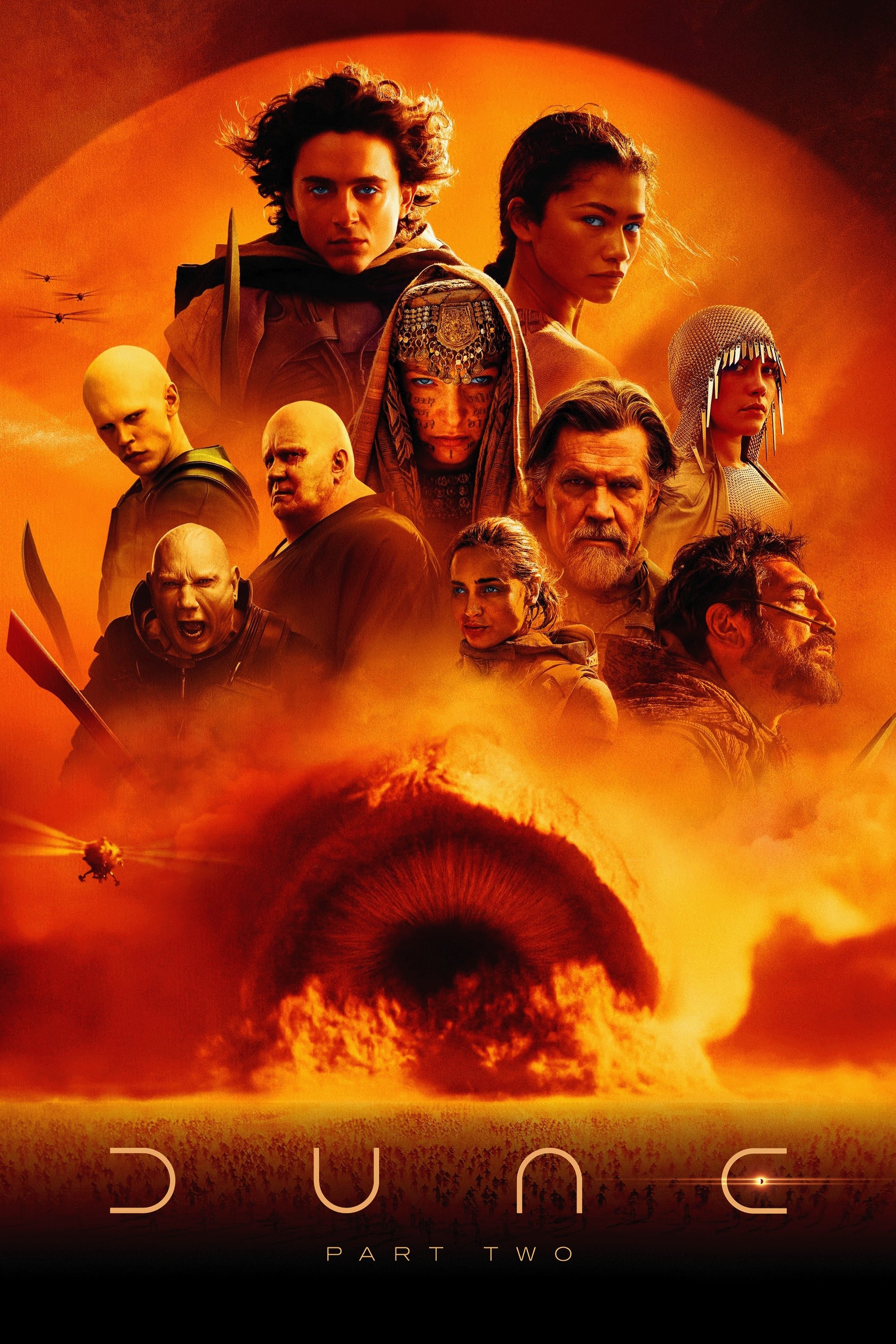
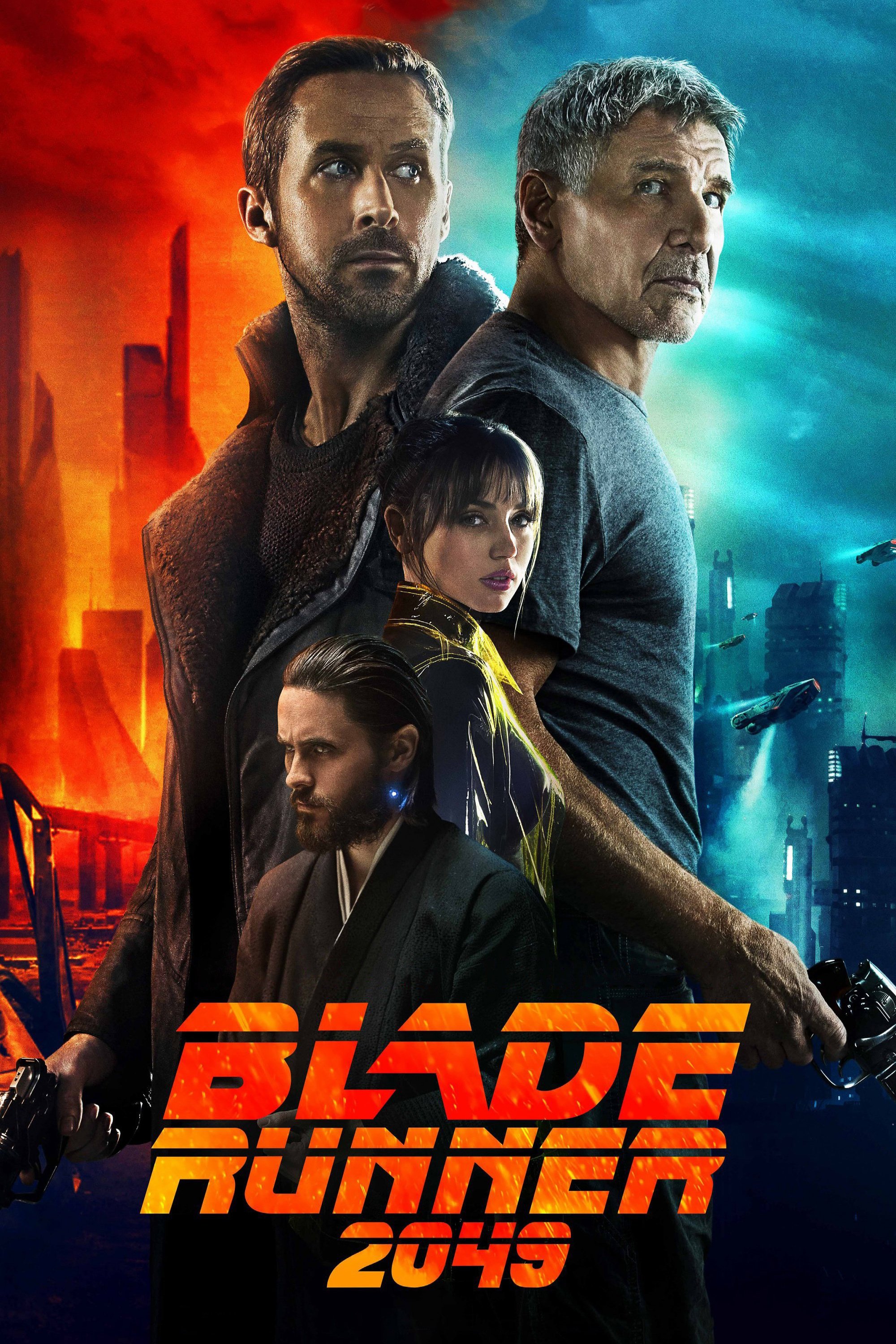
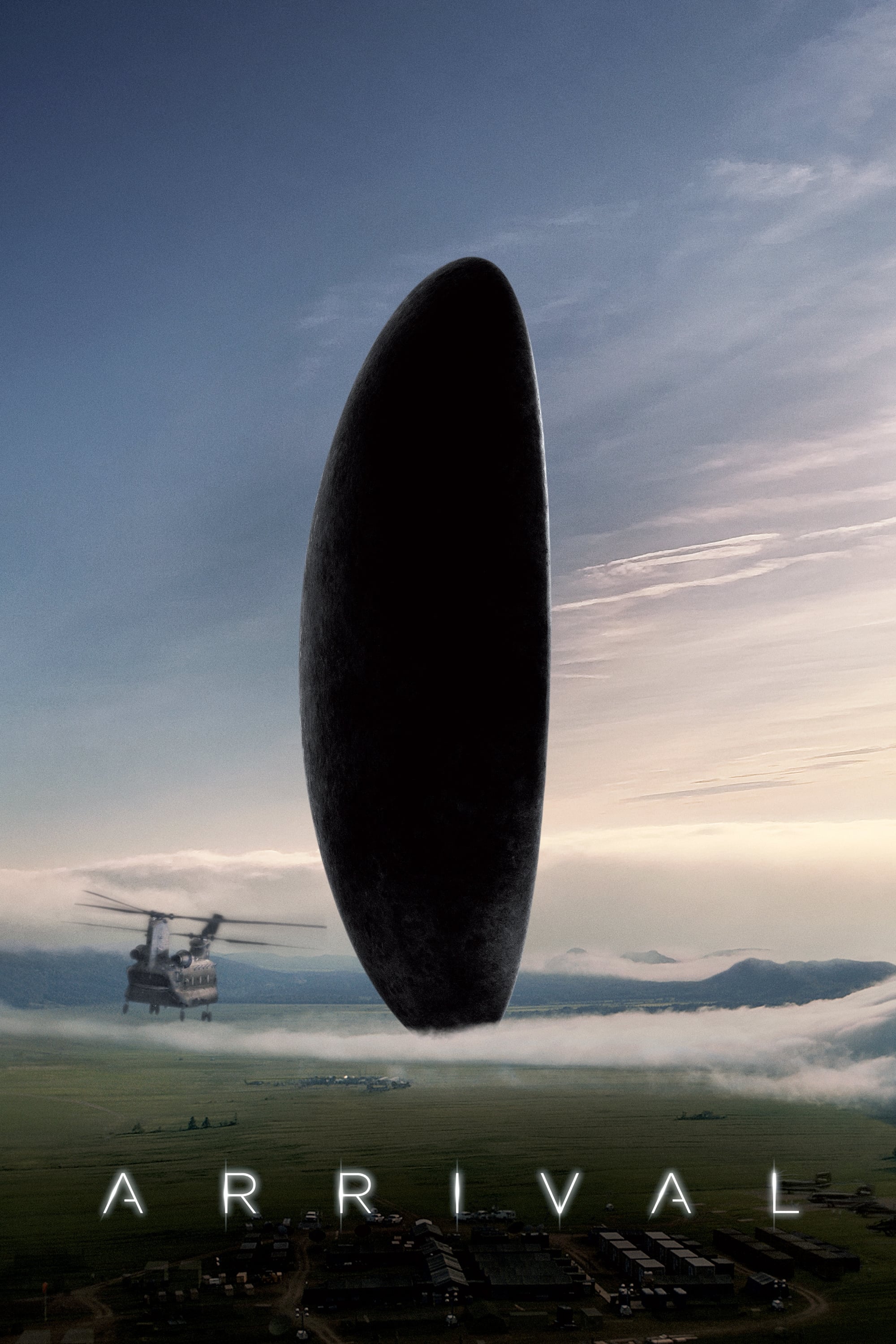
Frank Herbert’s Dune has spent decades wearing the label “unfilmable”, and the label has earned itself. Alejandro Jodorowsky tried and never shot a frame. David Lynch tried in 1984 and disowned the result. The novel is dense with internal monologue, ecological theory and invented religion, and it does not lend itself to a two-hour adventure. So the news that Denis Villeneuve, fresh from Arrival and Blade Runner 2049, had been handed the keys, and had insisted on splitting the book in two rather than compressing it, felt less like a gamble and more like the first person to read the problem correctly. He has made the calm, monumental version everyone said could not exist, and he has only filmed half of it.
The setup
The Emperor strips the spice-rich desert world of Arrakis from the brutal House Harkonnen and hands its stewardship to House Atreides, an honour that smells of a trap from the moment it is announced. Duke Leto (Oscar Isaac) takes his family and his soldiers to a planet where the indigenous Fremen want the off-worlders gone, where giant sandworms make the surface lethal, and where the most valuable substance in the universe has to be clawed out of the dunes. His son Paul (Timothée Chalamet), heir to the house and the unfinished product of a long Bene Gesserit breeding scheme, arrives already troubled by visions of a desert girl and a future he cannot read. When the trap closes, he and his mother are left to survive a planet that is trying to kill them and a prophecy that may be using them.
The cast
Chalamet is a clever piece of casting. Paul begins as a slight, uncertain teenager, all watchfulness and no swagger, and the slow hardening of him across the film is the spine of the story. Chalamet plays the uncertainty without making the boy weak, which matters, because the swagger is meant to come later. Rebecca Ferguson is the film’s quiet engine as Lady Jessica, a mother and a trained political weapon at the same time, holding terror and control in the same expression. Isaac gives Leto exactly the weary nobility a doomed good man needs, and Jason Momoa brings welcome warmth and physical ease as Duncan Idaho, the one character allowed to enjoy himself. Stellan Skarsgård, buried under prosthetics and floating through his scenes, makes Baron Harkonnen a slab of pure appetite. Around them Josh Brolin, Javier Bardem and Zendaya are given little to do yet, which is the honest cost of filming only the first half.
The craft
This is where the film is overwhelming. Greig Fraser’s photography treats Arrakis as a real and indifferent place, all bleached light and brutalist shadow, and the sense of scale is constant: ornithopters like dragonflies against ships the size of cities, soldiers reduced to specks beneath a worm. Villeneuve trusts silence and stillness the way few blockbuster directors dare, letting a scene breathe until the size of the thing lands on you. Hans Zimmer’s score abandons conventional melody for throat-singing, wailing voices and percussion that you feel in the floor, and it is inseparable from the atmosphere. The production design is heavy, tactile and humourless in the best sense. There is no winking here, no apology for taking itself seriously, and the seriousness is precisely what makes the world feel inhabited rather than assembled.
How it stacks up
The obvious comparison is Blade Runner 2049, Villeneuve’s other patient, painterly piece of science fiction, and Dune is the more confident film, freed from the obligation to honour somebody else’s classic. Reach further back and the lineage is Lawrence of Arabia, another epic of empire, desert and a young man pulled towards a destiny he half wants, shot with the same respect for vast empty space. Against Star Wars, which lifted half its furniture from Herbert in the first place, Dune is the slower, graver original, less interested in fun and more interested in dread. The fair criticism is structural: this is a film with a beginning and a long middle and no ending, and you leave knowing the real climax is being held back for a sequel that has not yet been confirmed.
Critics versus the rest of us
Critics are admiring, sitting around 83%, with the recurring reservation being exactly that half-a-story problem and a coolness that some find airless. Audiences are warmer, near 90%, which fits a film that rewards surrender to its scale rather than analysis of its plotting. I am with the audience and then some. The complaint that it is only half a story is true and, for me, almost beside the point, because what is here is so completely realised that I want to live in it for a while before the rest arrives. The charge of airlessness reads to me as the film refusing to flatter the viewer, and I would rather that than the alternative.
Verdict
I value intelligent science fiction, dense world-building, atmosphere and a score that does real work, and Dune delivers all four at a level I rarely see on this scale. It is patient without being slow, vast without being empty, and faithful to a difficult book without becoming a lecture. The unfinished shape is the only real mark against it, and it is not enough to pull the film down, because the half we have is among the most immersive things the genre has produced. I will be seeing it again, on the largest screen I can find, and I expect to keep returning to it. 9.5⁄10.
Availability: On general release in UK cinemas now. See it in IMAX if you possibly can; the sound and scale are built for it.
Update
Added since this review first appeared: the sequel was confirmed shortly after release, and Dune: Part Two (2024) duly arrived to deliver the climax this film withholds, broadening the canvas and giving Zendaya, Bardem and the Fremen the screen time the first part could not. The pair now play as one long film, and the gamble of splitting the book looks vindicated. Dune swept the technical categories at the Academy Awards, including cinematography, score, sound, editing and visual effects. It is now on 4K Blu-ray and digital, and streams on the Warner platform depending on your region.
BBFC content advice
Rated 12A by the BBFC for moderate violence, threat, bloody images. The notes below may contain spoilers.
Violence: Scenes include close-quarters combat with bladed weapons, including slashes and stabbings resulting in brief sight of blood. There is occasional focus on bloodied blades, or blood on hands and clothes. Other sequences depict large scale attacks in which ships and buildings are bombed and explode, and a number of deaths caused by toxic gas.
Threat and horror: Scenes of threat include characters being pursued and attempting to escape giant worms, flying through a sandstorm, fleeing from explosions, being held at knife point, and being targeted by remote devices that inject poison. A character is left paralysed by poison, and his body is seen naked in a chair as his enemies mock him.
Additional issues: There are occasional mild sex references, including in a sequence in which men’s comments suggest threatening intent towards a woman. There is use of mild bad language (‘ass’) and milder terms including ‘God’, ‘hell’, and ‘damn’. Occasional reference is made to the hallucinogenic properties of a fictional substance.
Source: British Board of Film Classification (bbfc.co.uk).