
- UK release: October 2019
- Director: Todd Phillips · Writers: Todd Phillips, Scott Silver
- Studio / distributor: Warner Bros.; DC Films
- Genre: Psychological thriller / comic-book character study · Runtime: 122 minutes (BBFC 15)
- Main cast: Joaquin Phoenix (Gladiator, Her) as Arthur Fleck; Robert De Niro (Taxi Driver, The King of Comedy) as Murray Franklin; Zazie Beetz (Deadpool 2) as Sophie Dumond; Frances Conroy (Six Feet Under) as Penny Fleck
- IMDb: 8.3 / 10 · Rotten Tomatoes: 68% critics / 88% audience · My rating: 8.5 / 10
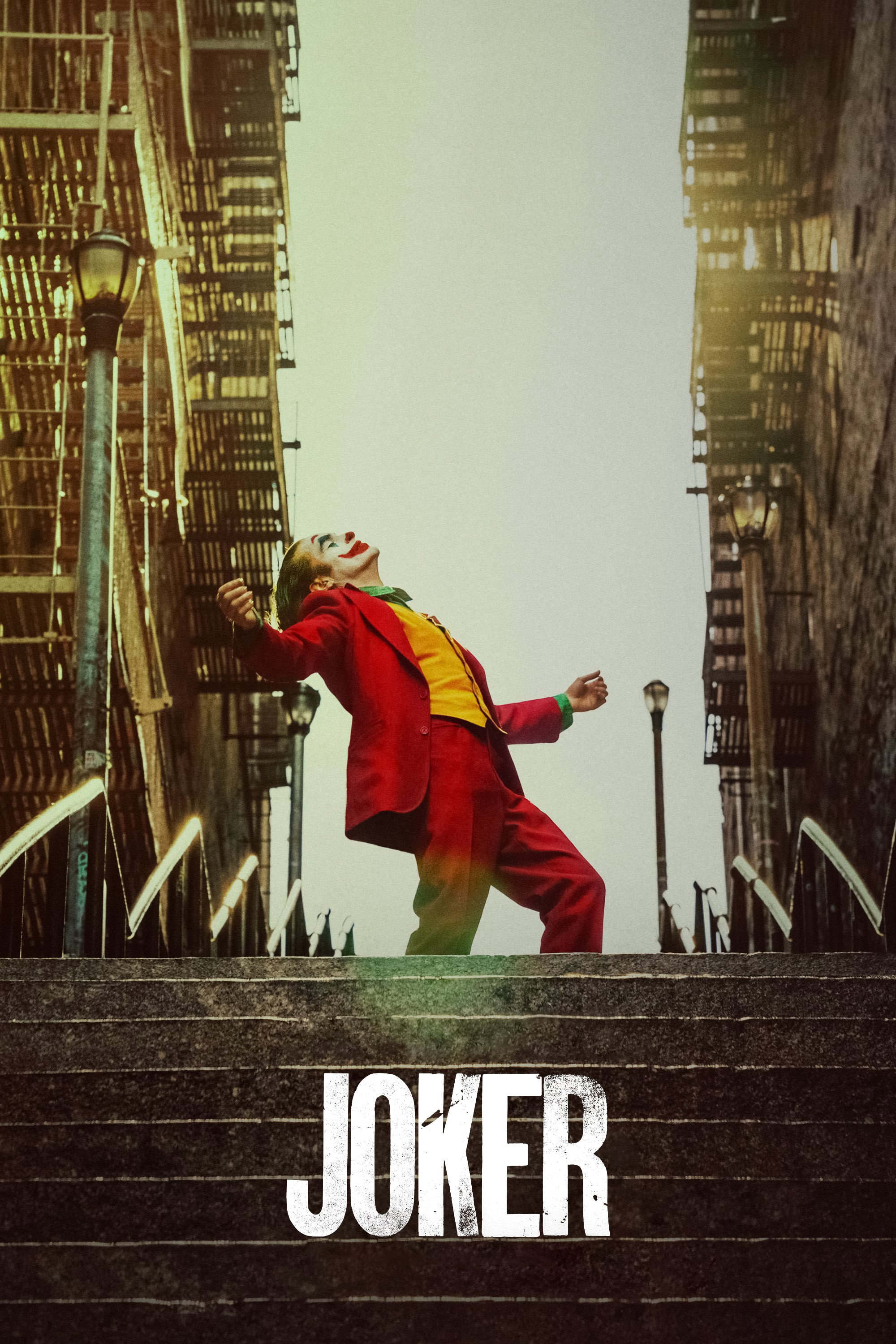
The man who made The Hangover has now made a film that wants to be Taxi Driver. That sentence has been getting a lot of nervous laughter since Joker took the top prize at Venice, and the nerves are not unreasonable. A studio handing a comic-book villain an origin story is one thing; handing it to a director best known for crude ensemble comedy, then letting him cast Robert De Niro as a chat-show host in plain homage to Scorsese, is a gamble that could have curdled into a student-film tribute act. It has not. What Todd Phillips has actually delivered is a grim, controlled, unfashionably slow character study, and the reason it holds together is standing in almost every frame.
The setup
Arthur Fleck (Joaquin Phoenix) is a clown-for-hire and would-be stand-up in a Gotham that looks like New York in its worst decade: bin strikes, broken services, a city visibly turning on itself. He lives with his ailing mother, takes seven kinds of medication, and suffers from a condition that makes him laugh, helplessly and at the wrong moments, when he is in pain or under stress. He is beaten in the street, mocked on stage, cut loose by the agencies meant to help him, and slowly worn down by a society with no use for him. The film tracks his descent from put-upon nobody into the painted figure Gotham will come to fear. It keeps the worst of it off the table, but the direction is never in doubt.
The cast
Phoenix is the film, and he carries it with a commitment that borders on the alarming. He has lost a frightening amount of weight, and uses the new sharpness of his own body as an instrument: a back that twists, a laugh that doubles him over, a dance that arrives like a symptom. It is a performance built from physical detail rather than speeches, and it earns sympathy and unease in the same breath, often in the same shot. De Niro, cast as the smug late-night host Murray Franklin, is the film’s wink at its own ancestry, and he plays it straight enough that the joke does not swallow the scene. Zazie Beetz brings warmth as a neighbour Arthur fixes on, and Frances Conroy gives his mother a frail evasiveness that quietly poisons the whole backstory.
The craft
Phillips and cinematographer Lawrence Sher shoot Gotham as a city of sodium light, stained tile and grime, and the period dressing is convincing without tipping into pastiche. The standout craft element is Hildur Guðnadóttir’s score: a low, dragging cello that follows Arthur down every staircase and gives the film a physical heaviness the images alone would not reach. Phillips paces it slowly and deliberately, holding on Phoenix far longer than a comic-book film would dare, and trusting the performance to fill the silence. It is a more disciplined piece of direction than anything in his back catalogue, even if the writing leans on its influences more than it should.
How it stacks up
The reference points are not subtle, and Phillips does not pretend otherwise. This is Taxi Driver and The King of Comedy run through a Gotham filter, down to the casting of De Niro in the seat Jerry Lewis and Rupert Pupkin once occupied. It shares DNA with Falling Down too, the story of an ordinary man tipping into violence as the city fails him. Against The Dark Knight, the obvious comic-book comparison, it could hardly be more different: no caped hero, no plot machinery, no spectacle, just one damaged man and the question of who made him. Where Heath Ledger’s Joker arrived fully formed as an agent of chaos, this one is assembled in front of you, brick by miserable brick.
Critics versus the rest of us
The critical conversation is more divided than the festival prize suggests. Reviewers are split, sitting around 68%, with the praise going almost entirely to Phoenix and the score, and the doubts circling the film’s politics and whether it is responsible to make its violence this sympathetic. Audiences are far warmer, up near 88%, and the gap is telling. The unease is real, but a fair amount of it is aimed at what people fear the film might do rather than what is on screen. Strip away the discourse and you have a well-made, superbly acted descent narrative that takes its central performance seriously.
Verdict
I admire this more than I expected to, and the score reflects that. It is not a comfortable watch and it is not, for me, a natural rewatch in the way a good genre adventure is; the bleakness is the texture, not a phase you pass through. But the craft is real, the atmosphere is suffocating in the way it intends, and Phoenix gives one of the performances of the year, the kind you turn over in your head for days. It borrows heavily and it knows it, yet it makes the borrowing feel earned. As a character study wearing a comic-book costume it works almost completely. 8.5⁄10.
Availability: On general release in UK cinemas now, certificate 15.
Update
Added since this review first appeared: Phoenix’s performance carried the film all the way to the Academy Award for Best Actor, and Hildur Guðnadóttir’s score won Best Original Score, the rare comic-book film to convert prestige buzz into the major awards. A sequel, Joker: Folie à Deux (2024), reunited Phillips and Phoenix and added Lady Gaga, taking the story into musical territory to a far frostier reception than the original. Joker is now widely available on disc and digital, and streams on the Warner platforms depending on region.
BBFC content advice
Rated 15 by the BBFC for strong bloody violence, language. The notes below may contain spoilers.
Violence: Scenes of strong violence include stabbings and shootings, with accompanying bloody injury detail. In one scene a man is repeatedly stabbed in his eye with scissors and in another scene a man is shot in his head, resulting in sight of brain matter.
Language: There is strong language (‘f**k’) throughout, as well as milder terms such as ‘prick’, ‘asshole’ and ‘shit’.
Sex: There is sight of marquees outside sex cinemas with suggestive film titles.
Discrimination: Stand-up routines contain some mild discriminatory references.
Drugs: There are innocuous references to drug misuse.
Nudity: There are some briefly glimpsed images of models posing naked.
Theme: The film deals with issues of mental illness in a manner some viewers might find upsetting. The film also includes elements showing civil unrest and terrorism, which viewers might find disturbing.
Alcohol and Smoking: There is sight of adults smoking.
Source: British Board of Film Classification (bbfc.co.uk).