
- UK release: March 2015
- Director: Neill Blomkamp · Writers: Neill Blomkamp, Terri Tatchell
- Studio / distributor: Columbia Pictures; Sony Pictures Releasing
- Genre: Science fiction action drama / AI fable · Runtime: 120 minutes (BBFC 15)
- Main cast: Sharlto Copley (District 9, The A-Team) as Chappie; Dev Patel (Slumdog Millionaire) as Deon; Hugh Jackman (X-Men, Les Misérables) as Vincent; Sigourney Weaver (Alien, Aliens) as Michelle Bradley
- Rotten Tomatoes: 33% critics / 56% audience · My rating: 8 / 10
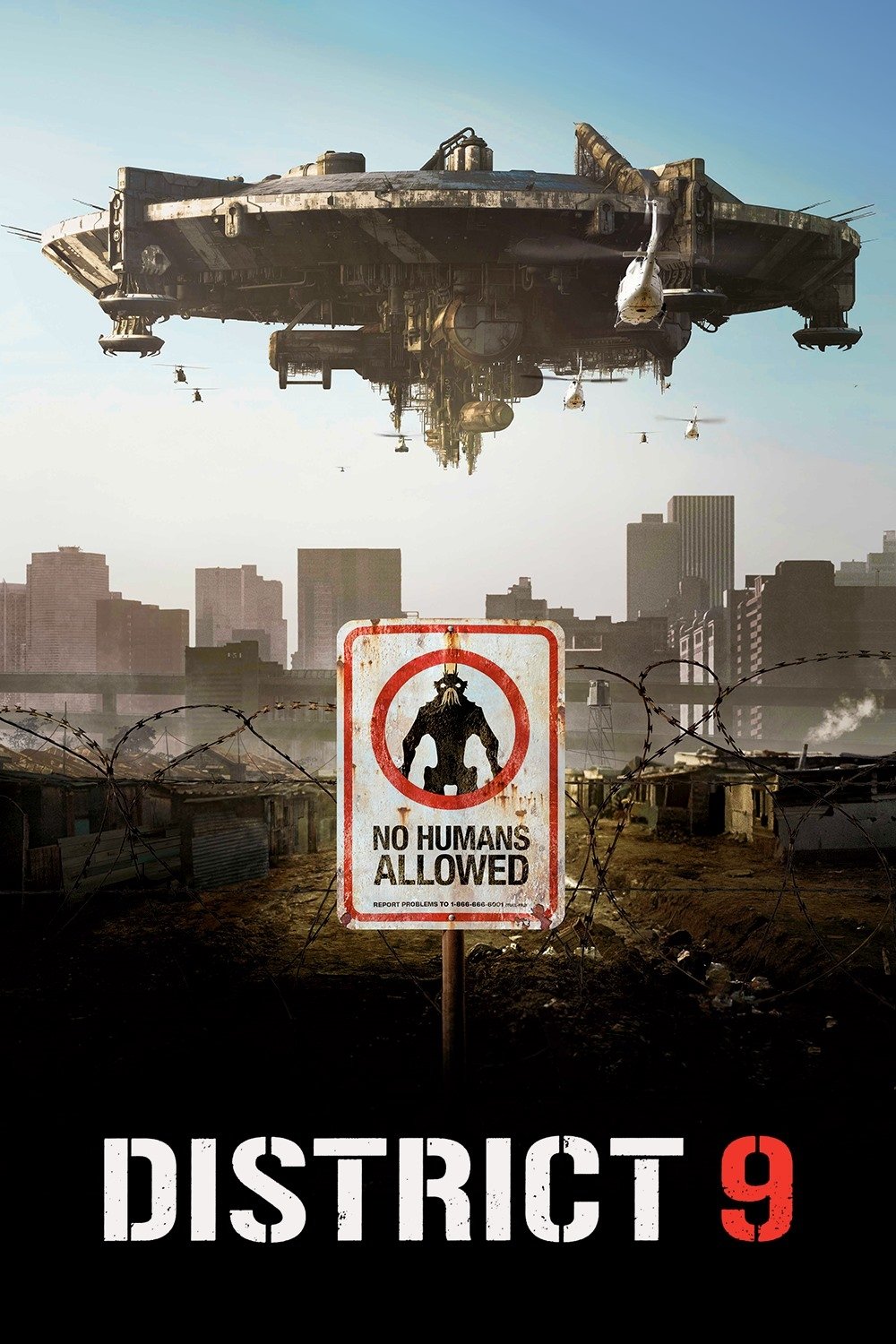
Neill Blomkamp arrives at his third feature with a reputation he half-earned and half-borrowed. District 9 announced him as the most exciting science fiction director in a decade, a man who could weld grimy social allegory onto first-rate effects on a modest budget. Elysium then spent a fortune restating the same politics with less wit. Chappie is the film where you find out which Blomkamp you are actually dealing with, and the answer turns out to be both of them at once: the inventive one and the undisciplined one, sharing a frame. The critics have already decided this is the strike. I think they have misread what kind of film it is.
The setup
Johannesburg has handed its policing to a fleet of armed droids built by a weapons firm and designed by Deon Wilson (Dev Patel), a young engineer with grander ambitions than crowd control. On his own time Deon cracks the problem nobody has solved, a genuinely conscious machine mind, and loads it into a written-off droid earmarked for the scrapheap. Before he can do anything sensible with it, both engineer and robot are snatched by a trio of small-time gangsters who want a thinking machine of their own for a heist. So the most advanced artificial intelligence on earth wakes up with the mental age of a child and three criminals for parents, while Deon’s jealous colleague Vincent (Hugh Jackman) schemes to see the whole programme burn.
That premise, a newborn mind raised badly in a violent world, is the spine of the film, and it is a stronger idea than the heist plot wrapped around it.
The cast
Sharlto Copley plays Chappie himself, entirely through motion capture, and it is the performance the film lives or dies on. He gives the robot a wholly convincing arc from terrified newborn to swaggering adolescent to something close to a soul, all in a tinny accented voice and a body of dented metal. It is the most expressive digital character since the Na’vi, and it carries real feeling. Patel is sympathetic as the idealist who cannot control what he has made. The boldest swing is casting the South African rap-rave duo Die Antwoord, playing versions of themselves as the gangster guardians, which is either the film’s most authentic texture or its most baffling indulgence depending on the scene. Jackman, against type as a mulleted ex-soldier with a rival killer robot, is broad and a little wasted. Sigourney Weaver, as the firm’s chief executive, is barely given a part to play.
The craft
Blomkamp shoots Johannesburg as a real, sun-blasted, rubbish-strewn place, and the integration of the droids into it is seamless. Chappie is a triumph of design and effect, a believable object you forget is not there. Trent Opaloch’s photography keeps the grime and the grandeur in the same shot, and Hans Zimmer’s score, more electronic and abrasive than his usual register, suits the world. Where the craft wobbles is the tone, which lurches from sincere meditation on consciousness to cartoonish gangster comedy to a hard-R action climax, sometimes inside a single scene. A steadier director would have chosen. Blomkamp refuses to, and the film is rougher and stranger for it.
How it stacks up
The obvious ancestor is Short Circuit, the gentle 1986 comedy about a military robot that gains a conscience and a personality, and Chappie is essentially that story with the safety off. There is RoboCop in the corporate weapons satire and the man-machine pathos, and a clear line back to Blomkamp’s own District 9 in the handheld Johannesburg realism and the sympathy for the thing everyone else wants to destroy. It is less controlled than any of them. It is also more ambitious about the actual question of machine consciousness than the genre usually bothers to be, taking seriously what it would mean for a mind to be born blank and learn the world from whoever happens to be holding it.
Critics versus the rest of us
The critical reception is harsh, sitting around a third positive, and the complaints are not wrong on their own terms: the tone is all over the place, the gangsters grate, the plot creaks, the ending reaches for ideas it cannot quite hold. Audiences are notably warmer, and I am with them. The reviewers are marking down a film for being uneven that I am marking up for being alive. So much science fiction this size is focus-grouped into a smooth nothing. This one has a real idea, a genuinely moving central character, and the courage to be peculiar, and I will take that over polished and forgettable every time.
Verdict
This is exactly the kind of flawed, sincere, idea-driven genre film I forgive a great deal for. The questions it raises about consciousness and parenting and what we owe the things we make stayed with me longer than slicker films have. Chappie himself is one of the most affecting robots the genre has produced. Yes, it is tonally chaotic, the Die Antwoord casting will not be for everyone, and the third act overreaches. None of that stops it being one of the most interesting and rewatchable science fiction films of the year. It is messier than District 9 and twice as warm-hearted, and I would rather watch it again than half the better-reviewed films around it. 8⁄10.
Availability: In UK cinemas now. A 3D presentation is on offer in some screens, though the film was shot flat and gains little from it.
Update
Added since this review first appeared: Chappie turned out to be Blomkamp’s last feature for some years, and his rumoured Alien project with Sigourney Weaver, talked about around this release, was quietly shelved in favour of Ridley Scott’s own continuation of the series. The film has aged into a minor cult favourite, valued for exactly the messy sincerity the reviews punished it for. It is now widely available on disc and digital and rotates through the major streaming platforms.
BBFC content advice
Rated 15 by the BBFC for strong language, bloody violence. The notes below may contain spoilers.
Violence: There are frequent moments of strong bloody violence, during gunfights, and brief sight of a man being torn in half by a robot.
Language: There is frequent use of strong language (‘fk’ and ‘motherfker’).
Additional issues: The criminal gang are occasionally seen in possession of an unnamed narcotic in pill form, but there are no scenes of drug use. There is also brief sight of sexualised breast nudity on a television screen.
Source: British Board of Film Classification (bbfc.co.uk).