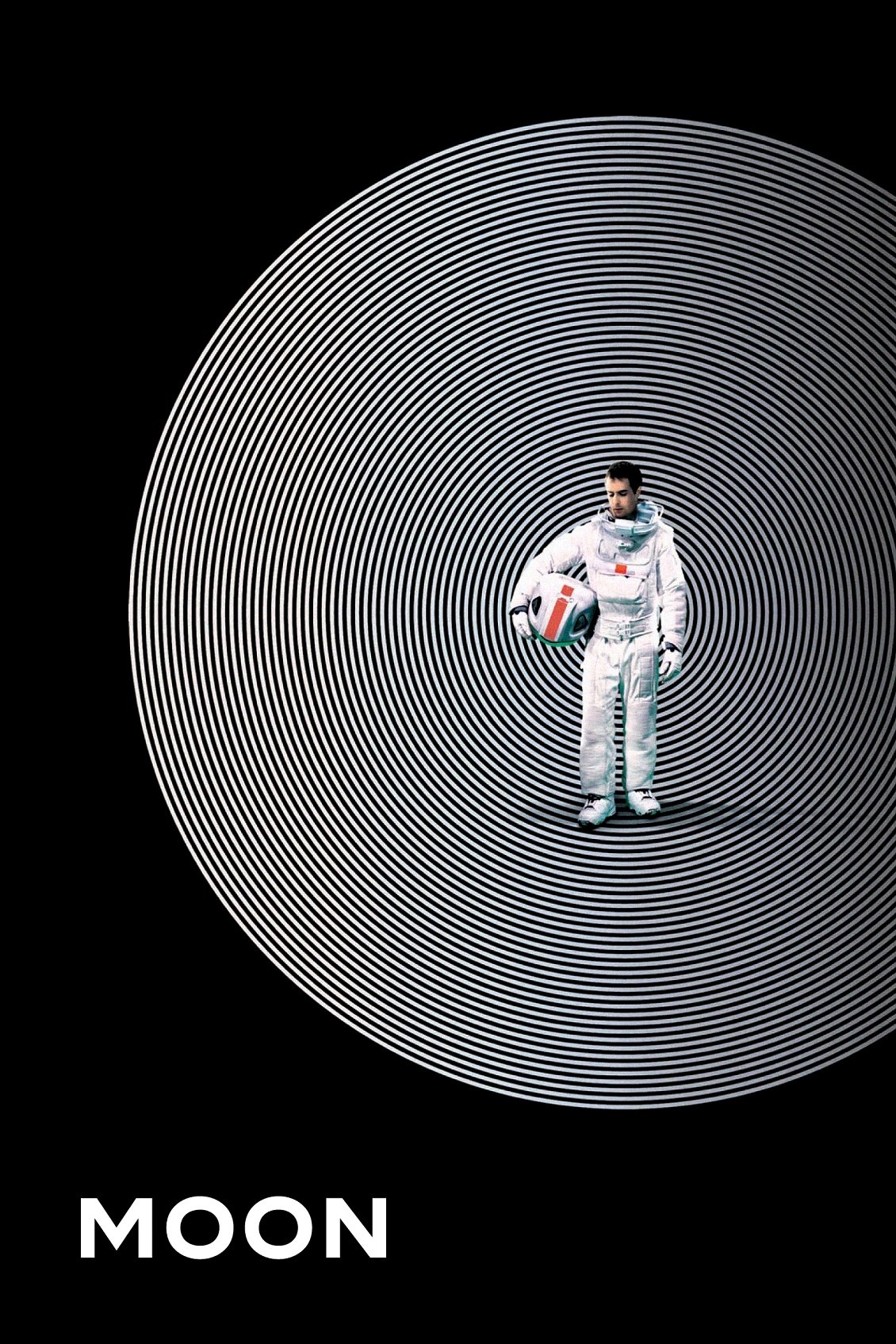


- UK release: August 2013
- Director: Neill Blomkamp · Writer: Neill Blomkamp
- Studio / distributor: TriStar Pictures; Media Rights Capital; QED International
- Genre: Dystopian science fiction action / social allegory · Runtime: 109 minutes (BBFC 15)
- Main cast: Matt Damon (The Bourne Identity, Good Will Hunting) as Max Da Costa; Jodie Foster (The Silence of the Lambs, Contact) as Delacourt; Sharlto Copley (District 9) as Kruger; Alice Braga (I Am Legend, City of God) as Frey
- IMDb: 6.6 / 10 · Rotten Tomatoes: 65% critics / 58% audience · My rating: 8 / 10
Four years ago Neill Blomkamp arrived more or less out of nowhere with District 9, a found-footage-flavoured alien-apartheid film made for a fraction of what it looked like it cost, and earned a Best Picture nomination for the trouble. Elysium is the difficult second album: more money, bigger stars, the same eye for grime and improvised hardware, and the same instinct for turning a social argument into a piece of hard science fiction. The question hanging over it is whether Blomkamp can scale up without sanding off the texture that made him interesting, and the answer is mostly yes, with one large reservation about the writing.
The setup
It is 2154, and the human race has sorted itself into two tiers. The poor are left on a baked, overcrowded Earth, policed by robots and patched up in overflowing clinics. The rich have decamped to Elysium, a manicured ring-shaped station hanging in orbit, where every home has a Med-Bay that cures anything, ageing included. Max Da Costa (Matt Damon) is a Los Angeles factory worker and reformed car thief who takes a lethal dose of radiation on the job and is given five days to live. The only cure is up there, behind a border that shoots down anything that approaches without a citizen’s barcode. To get to it, Max signs on for one last criminal job and has a crude exoskeleton bolted to his spine, which puts him on a collision course with Elysium’s iron defence secretary, Delacourt (Jodie Foster), and the off-the-books mercenary, Kruger (Sharlto Copley), she keeps on a long leash.
The cast
Damon is well used here. He plays Max as tired rather than heroic, a man who has already decided the system is rigged and is only fighting it because he has run out of time, and that weariness keeps the film honest when the plot wants to turn him into a saviour. Foster is the odder piece of casting: she gives Delacourt a clipped, glacial control and a strange Euro-inflected accent that some will find brittle, though the icy bureaucratic menace lands. The performance everyone will come out talking about is Sharlto Copley’s. Having played the meek bureaucrat in District 9, he flips entirely into Kruger, a feral, bearded sleeper-agent who is genuinely frightening, all sing-song threat and sudden violence. Alice Braga gives the underwritten role of Frey, a nurse with a sick child, more warmth than the script earns, and provides the human stakes Max is supposedly fighting for.
The craft
This is where Blomkamp is on home turf. Working again with cinematographer Trent Opaloch, he builds a future that feels lived in and second-hand: dusty Mexico City standing in for a decayed Los Angeles, droids assembled like white goods, weapons and ships that look welded together in a yard. The exoskeleton drilled into Max’s body is a horrible, brilliant piece of design, and the orbital station is a clean, green inversion of everything below it, the contrast doing the film’s arguing for it before a line of dialogue is spoken. The action is visceral and occasionally hard to follow, with the handheld camera getting in close during the fights, and Ryan Amon’s heavy, percussive score keeps the pressure up. At 109 minutes it does not outstay its welcome.
How it stacks up
The obvious comparison is District 9, and Elysium loses that one. The earlier film smuggled its politics in sideways through a specific, strange premise; here the allegory is right on the surface, with the haves and have-nots labelled and underlined. It sits in good company otherwise. There is a lot of Children of Men in the worn-out future and the border anxiety, a little of Verhoeven’s RoboCop and Total Recall in the satirical hardware and corporate cruelty, and an echo of In Time, which played the same eat-the-rich card a couple of years back and rather fumbled it. Blomkamp’s world-building is a class above any of those recent imitators even when his storytelling is not.
Critics versus the rest of us
Critics are coming in around 65%, audiences a touch cooler at 58%, and the split is easy to read. The reviews admire the craft and the ambition, then dock it for a message delivered with a sledgehammer and a final act that collapses into a fairly conventional punch-up. That is a fair charge. The healthcare-and-immigration metaphor has no subtlety to it, and the script keeps reaching for a clean fix to problems it has spent an hour showing to be enormous. Audiences who turned up for the District 9 director hoping for the same sleight of hand have a point. None of it stops the film working as a piece of grimy, propulsive science fiction.
Verdict
What carries Elysium over the line for me is the thing I most value in this genre: a future you can believe in and want to spend time in, even when it is a misery to live there. The world-building, the design, the texture and Copley’s gleeful villainy are all top drawer, and the bluntness of the message bothers me far less than its narrative shortcuts do. It is not the equal of Blomkamp’s debut, and the writing keeps it off the very top shelf, but it is intelligent, good-looking, properly entertaining science fiction that I would happily put on again. 8⁄10.
Availability: On general release in UK cinemas now, in standard and IMAX. A DVD and Blu-ray release will follow later in the year.
Update
Added since this review first appeared: Blomkamp’s third feature, Chappie (2015), confirmed the pattern, a fertile imagination and striking design paired with a script that does not quite hold, and the critical line on him hardened accordingly. Elysium has settled as the middle child of his run, less admired than District 9 but a long way from a write-off, and it reads now as an early entry in the wave of inequality science fiction that Snowpiercer, released around the same time, did with more wit. It is widely available on disc and digital, and turns up on the major streaming services depending on region.
BBFC content advice
Rated 15 by the BBFC for strong language, bloody violence and gory images. The notes below may contain spoilers.
Violence: There are some scenes featuring strong bloody violence and gory images. In one fight, a man’s face is blown off, whilst in another scene a woman’s throat is cut, followed by sight of blood flowing over her hand. There are also brief scenes showing a man exploding, a man’s shattered and bloody face, which is rapidly healed during a medical procedure, and a medical procedure in which a man has implants placed inside his body. The film also contains scenes in which people fight, featuring heavy blows and kicks to the head and body, and some of which feature men fitted with metal exoskeletal body suits.
Language: The film contains frequent use of strong language (‘fk’ and ‘motherfker’).
Source: British Board of Film Classification (bbfc.co.uk).