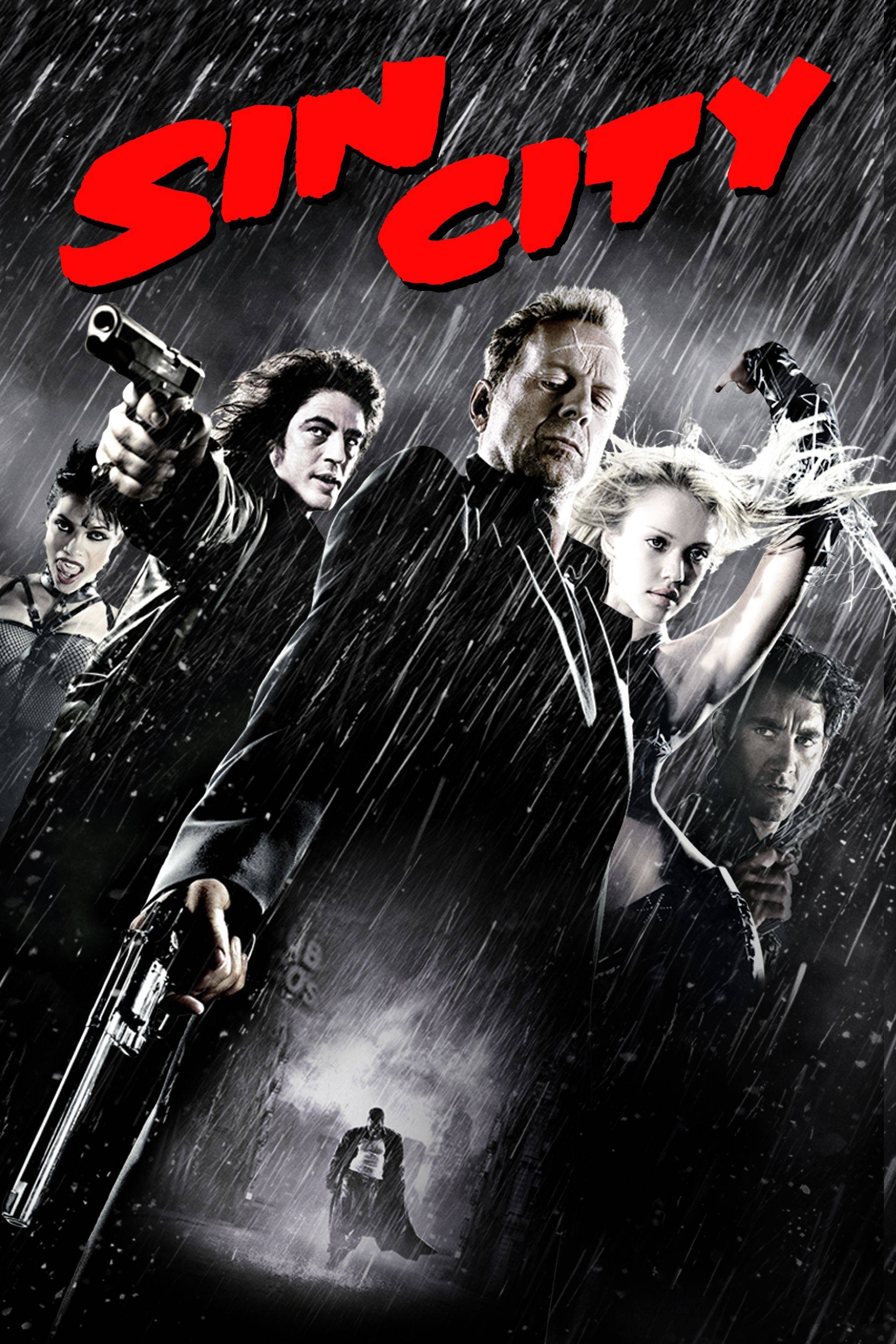
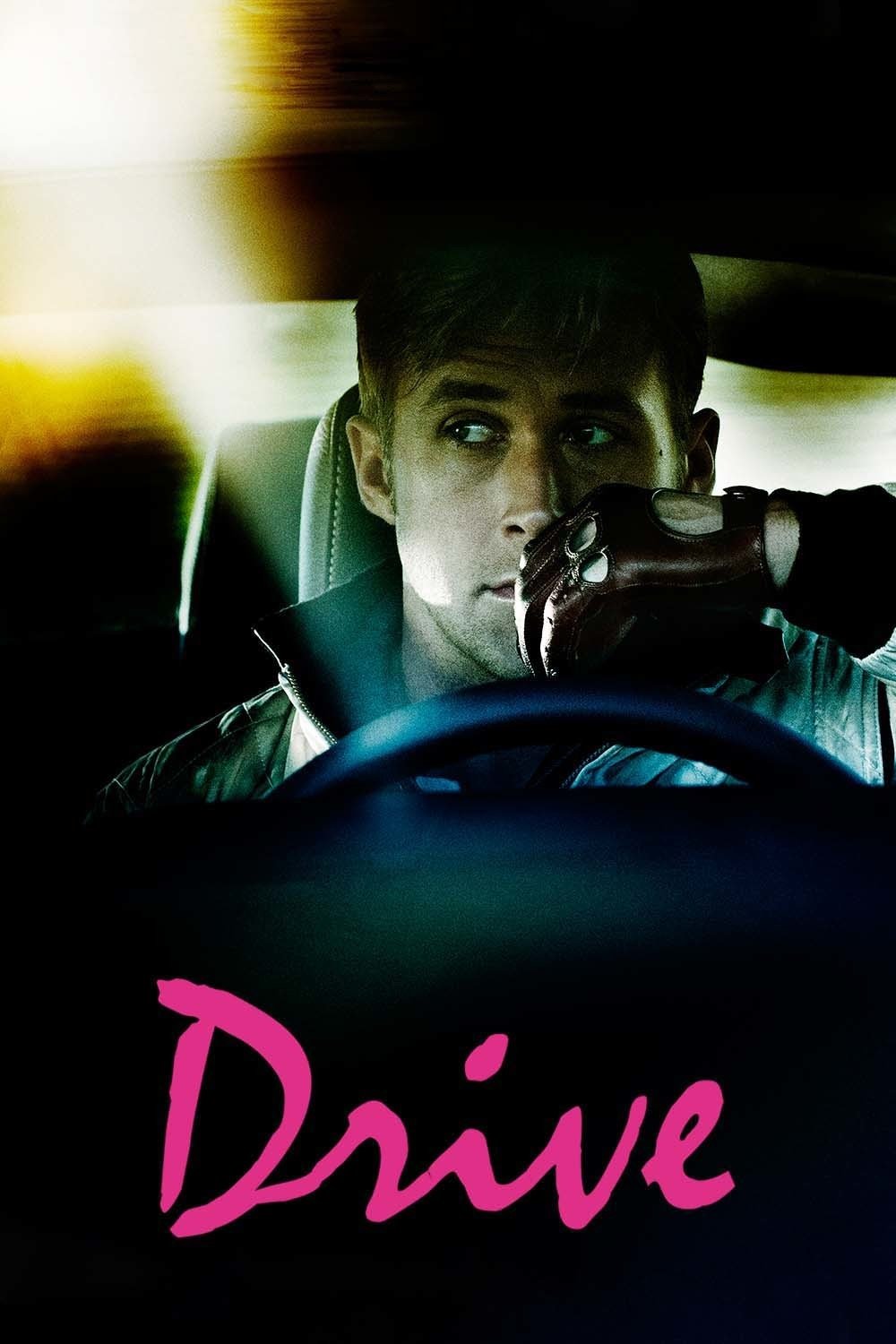

- UK release: September 2011
- Director: Nicolas Winding Refn · Writer: Hossein Amini (from the novel by James Sallis)
- Studio / distributor: FilmDistrict; Bold Films; OddLot Entertainment
- Genre: Neo-noir crime thriller · Runtime: 100 minutes (BBFC 18)
- Main cast: Ryan Gosling (Half Nelson, Blue Valentine) as the Driver; Carey Mulligan (An Education) as Irene; Bryan Cranston (Little Miss Sunshine) as Shannon; Albert Brooks (Broadcast News) as Bernie Rose
- Rotten Tomatoes: 92% critics / 79% audience · My rating: 8 / 10
The trailers for Drive are selling a car film, all engine noise and tyre smoke, and a fair few people are going to walk out cross that they did not get one. What Nicolas Winding Refn has actually made, off the back of the brutal Bronson and his Pusher films, is a neo-noir that idles where you expect it to race. The Danish director takes a lean piece of Los Angeles pulp and shoots it like a European art film, all held glances and pooled neon, and then drops moments of violence into it so abrupt they make the whole audience flinch. It is the sort of swerve that wins the director’s prize at Cannes and splits a Friday-night crowd straight down the middle.
The setup
Ryan Gosling plays a man with no name, a Hollywood stunt driver and garage mechanic who hires himself out after dark as a getaway wheel for whoever can pay. His rule is simple: five minutes, anywhere in the city, and what happens inside those five minutes is the client’s business, not his. The arrangement holds until he falls for Irene (Carey Mulligan), the young mother who lives down the corridor, and her small son. When Irene’s husband comes home from prison owing the wrong people, the Driver offers to help with one last job to clear the debt, and the job goes wrong in the way these jobs always do. From there the film tightens into a chase to keep two people he has barely spoken to alive.
The cast
Gosling builds the Driver almost entirely out of stillness. He can hold a scene on a half-smile and a long silence, and the film trusts him to, so that when the calm finally breaks it lands like a slap. It is a real piece of star control, the kind that makes you lean in to read a face giving almost nothing away. Carey Mulligan plays Irene with a bruised softness that gives the romance its weight without a word of speechifying; much of their courtship happens in glances across a lift. The supporting bench is where the film really sings. Bryan Cranston’s Shannon is a limping, hopeful hustler forever one bad deal from disaster, and Albert Brooks, a comic actor by trade, plays the mob financier Bernie Rose cast hard against type, all reasonable tone and sudden, businesslike cruelty. He is the most quietly frightening thing in the film.
The craft
This is where Drive earns its keep. Refn and his cinematographer Newton Thomas Sigel turn night-time Los Angeles into a pink-and-blue dreamscape, the city shot as a set of glowing surfaces rather than a real place. The pacing is deliberately patient, long stretches of quiet broken by violence that is short, graphic and over before you have braced for it, and the contrast does more work than any amount of sustained action could. Holding it all together is Cliff Martinez’s electronic score, threaded through with synth-pop songs that turn the title sequence and the lift scenes into something close to music video, in the best sense. The pink cursive credits and the Driver’s scorpion jacket already feel destined for student bedroom walls. The film knows exactly how cool it looks, which is a charge you can level at it, but the surface is so beautifully controlled that it mostly gets away with it.
How it stacks up
The reference points are not American car movies so much as the lonely-professional thrillers of an earlier age. The whole film is in conversation with Walter Hill’s The Driver and Michael Mann’s Thief, and behind both of those stands Jean-Pierre Melville’s Le Samourai, with its silent, ritualistic hit man. Refn borrows that tradition’s central figure, the quiet expert with a private code, and the existential cool that goes with it. There are flickers of Mann’s Collateral in the after-dark city, and of Bullitt in the handful of driving scenes that actually deliver. Where Drive differs is in how little it cares about the mechanics of the heists. It is a mood and a face, set to a soundtrack, far more than it is a plot.
Critics versus the rest of us
Critics have fallen hard, with reviews sitting around 92% and the praise landing on the style, the score, the control and Gosling. Audiences are notably cooler, closer to 79%, and you can see the fault line. Some of that gap is the mis-sold trailer, but some is genuine: this is a slow, withholding film with bursts of grisly violence, and if you came for a getaway thriller the long silences read as the film simply refusing to get going. Both reactions are honest. The film is a triumph of mood and a frustration of momentum at the same time.
Verdict
I sit closer to the critics than the crowd here, but not all the way. Drive is one of the most striking-looking and best-scored films of the year, a genuine atmosphere piece that lingers, and the soundtrack alone guarantees I will put it on again. What keeps me a notch below the rave is the same coolness that makes it work: the film holds you at arm’s length, more interested in surface and silence than in giving its characters much interior life, and the violence, while never gratuitous in intent, is strong enough to narrow the audience. As a piece of style and sound it is close to flawless. As a film to feel something at, it stays just behind the glass. Memorable, rewatchable, and built to last. 8⁄10.
Availability: On general release in UK cinemas now, certificate 18. Worth catching in a proper auditorium for the sound design and that score; a DVD and Blu-ray release will follow.
Update
Added since this review first appeared: the scorpion jacket, the pink script and the Kavinsky and College songs have only grown as cult signifiers in the years since, and the soundtrack now stands as one of the most influential of its decade. The clearest later contrast is Edgar Wright’s Baby Driver (2017), which took the same getaway-driver-with-a-playlist premise and ran it as bright, propulsive entertainment, throwing into relief just how withholding and cold Refn’s film chooses to be. Refn and Gosling reunited for the far more divisive Only God Forgives (2013), which pushed the style to a point most of Drive’s admirers would not follow. Drive itself is now widely available on disc and digital and rotates through the streaming services.
BBFC content advice
Rated 18 by the BBFC for strong gory violence. The notes below may contain spoilers.
Violence: A woman is shot in the head and it explodes in slow motion, resulting in large sprays of blood and brain matter. A man’s head is repeatedly stamped on with strong gory detail. There are also strong bloody shootings.
Additional issues: There is strong language (‘f**k’).
Source: British Board of Film Classification (bbfc.co.uk).