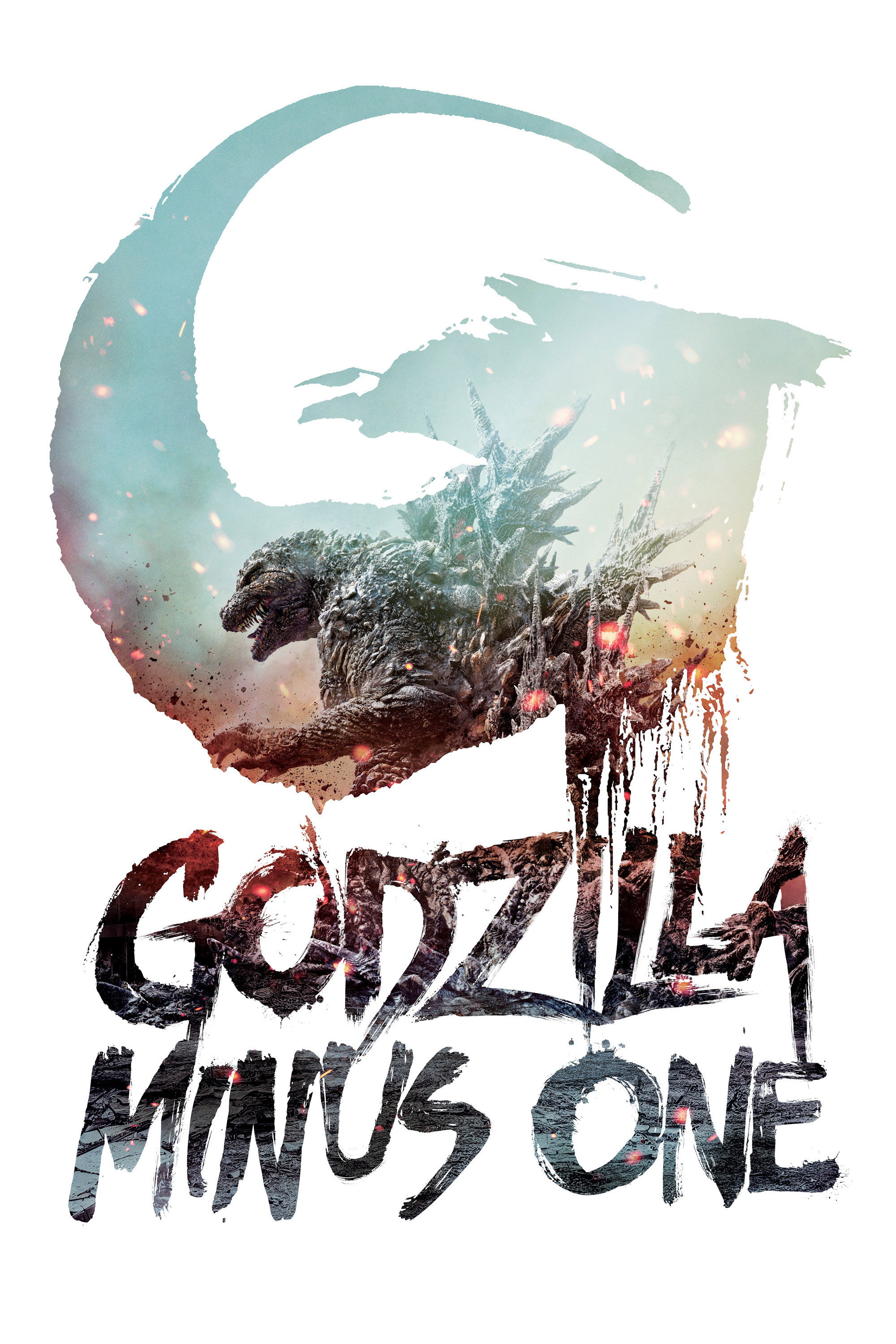

- UK release: December 2023
- Director: Takashi Yamazaki · Writer: Takashi Yamazaki
- Studio / distributor: Toho Studios; Robot Communications
- Genre: Kaiju disaster drama / post-war monster film · Runtime: 125 minutes (BBFC 12A)
- Main cast: Ryunosuke Kamiki (Your Name, The Great War of Archimedes) as Kōichi Shikishima; Minami Hamabe (Let Me Eat Your Pancreas) as Noriko Ōishi; Yuki Yamada (Tokyo Revengers) as Shirō Mizushima; Hidetaka Yoshioka (Always: Sunset on Third Street) as Kenji Noda
- IMDb: 7.7 / 10 · Rotten Tomatoes: 99% critics / 98% audience · My rating: 8.5 / 10
Seventy years after the original Godzilla walked out of the rubble of Tokyo as a barely disguised mushroom cloud, Toho has decided to take the creature back to where he started. Where the Hollywood films of the last decade have turned the monster into a wrestling promotion, all city-flattening title bouts and corporate lore, Takashi Yamazaki sends him home to the months just after the war, to a country that has already lost everything and now has to watch the last of it stamped flat. The surprise is not that the monster is frightening. It is how much the film makes you care about the people running from him.
The setup
Kōichi Shikishima (Ryunosuke Kamiki) is a kamikaze pilot who could not make himself die. He sets down his aircraft on a remote island engineering base claiming a fault, and on that island he and the mechanics meet a creature the locals call Godzilla, still dinosaur-sized, before the bomb tests at Bikini make him something worse. Shikishima freezes. Men die. He carries it home to a Tokyo of ash and ration queues, where he falls into an unlikely household with Noriko (Minami Hamabe) and an orphaned baby, neither of them his, none of it spoken about. Then the creature returns, taller, irradiated, and walking towards the city, and the man who would not fire his guns has to decide whether he is finally willing to.
The cast
The film rests on Kamiki, and he carries it. Shikishima is a study in survivor’s guilt, hollowed out and flinching, and Kamiki plays the shame without ever tipping into self-pity. It is the most demanding role the series has handed an actor, and he treats the monster as a thing to be feared rather than fought, which is the correct instinct. Hamabe gives Noriko a stubborn warmth that keeps the domestic scenes from going soft, and the two of them build a fragile, unspoken family you genuinely want to see survive. Around them, Hidetaka Yoshioka’s weapons engineer supplies the plan and the closest thing the film has to hope, and Yuki Yamada’s young deckhand carries the anger of a generation handed a ruined country. These are recognisable people, not disaster-film furniture, and the script gives every one of them a reason to be on the boat at the end.
The craft
What Yamazaki achieves on the budget is the headline, and it deserves to be. He has built effects houses on Japanese films for twenty years, going back to Always: Sunset on Third Street, and Godzilla Minus One was made for a fraction of what a single American sequel costs. None of that thrift shows. The monster has real weight and real menace, his atomic breath staged not as a light show but as a small detonation, complete with the cold pause and the falling fallout afterwards. A sequence with Godzilla pursuing a wooden minesweeper across open water owes an honest debt to Jaws, and earns it. Naoki Satō’s score knows when to deploy Akira Ifukube’s original 1954 theme and, more importantly, when to hold it back. Above all the film is composed and patient, willing to spend long stretches in kitchens and harbours so that the destruction, when it lands, costs something.
How it stacks up
The obvious comparison is Shin Godzilla (2016), Toho’s previous reboot, which read the monster as a bureaucratic crisis and spent its energy in committee rooms. Minus One goes the other way entirely, towards melodrama and the family table, and is the warmer and more moving film for it. Against the original 1954 Godzilla it stands up without embarrassment, restoring the creature as a wound left by the war rather than a franchise mascot. And as a piece of staging it sits closer to a film like Dunkirk (2017) than to any recent kaiju picture: small craft, civilian courage, a nation improvising its own rescue with no cavalry coming. That is rare company for a man in a rubber suit’s distant descendant to be keeping.
Critics versus the rest of us
Reception is close to unanimous, which for this series is its own kind of news. Critics are sitting at 99% and audiences at 98%, the strongest numbers the franchise has ever posted, and the praise lands on the same point every time: a monster film that took its human story seriously. I am almost entirely with the room. The only thing keeping my own number a notch below the rapture is a streak of sentiment in the final act that leans harder on coincidence than the careful first hour does, and a couple of speeches that say out loud what the faces had already told you. Small complaints against a film that gets so much right.
Verdict
This is a monster film that remembers monsters are supposed to mean something. It is tense, beautifully staged, and unexpectedly tender, and it pulls off the trick the Hollywood versions keep fumbling: making you dread the creature because you are frightened for the people, not the skyline. The post-war atmosphere is its own reward, the effects punch far above their cost, and the central performance is the best the series has had. It rewards a second watch, the human scenes deepening once you know where they are heading. A few soft notes near the end stop it short of perfect, but not by much. 8.5⁄10.
Availability: In UK and Ireland cinemas now, on over 400 screens, including IMAX, 4DX and Dolby, in Japanese with English subtitles.
Update
Added since this review first appeared: Toho released a stark monochrome cut, Godzilla Minus One/Minus Color, which sharpens the link back to the 1954 original and is worth seeking out if you can. The film went on to win the Academy Award for Best Visual Effects, a first for the franchise and astonishing given the budget, and its reputation as the high-water mark of modern Godzilla has only hardened. It is now widely available on disc and digital, and streams on Netflix in many regions.
BBFC content advice
Rated 12A by the BBFC for moderate threat, violence, brief bloody images. The notes below may contain spoilers.
Violence: A giant monster bites, claws and treads on people, although injury detail is minimal. Sequences of devastation evoke the detonation of atomic bombs, with city-wide destruction.
Threat and horror: There are scenes in which a giant monster attacks an airfield, ships and cities. Sequences include buildings being demolished, vehicles being destroyed, and scared people fleeing in panic.
Language: There is infrequent mild bad language (‘bugger’) and milder terms (‘damn’, ‘hell’, ‘screwed’).
Injury detail: Following an explosion a man is seen bleeding from a head wound, and in the aftermath of an attack a number of dead bodies are laid out on the ground, some slightly bloodied. A large monster sustains a gory head wound, which quickly heals.
Suicide and self-harm: A Japanese pilot who did not complete a ‘kamikaze’ mission is chastised and mocked by others as being a coward. He becomes intent on taking his own life in the context of a ‘suicide mission’ to battle a creature, but ultimately learns the value of living.
Sex: A woman defensively states that she is not a ‘harlot’, and some questions are raised about the parentage of a child, who is later revealed to be an orphan.
Theme: There are upsetting scenes in which people grieve lost loved ones.
Source: British Board of Film Classification (bbfc.co.uk).