
- UK release: July 2010
- Director: Christopher Nolan · Writer: Christopher Nolan
- Studio / distributor: Warner Bros.; Legendary Pictures; Syncopy
- Genre: Science-fiction heist thriller · Runtime: 148 minutes (BBFC 12A)
- Main cast: Leonardo DiCaprio (Titanic, The Departed) as Dom Cobb; Joseph Gordon-Levitt ((500) Days of Summer) as Arthur; Elliot Page (Juno) as Ariadne; Tom Hardy (Bronson) as Eames; Marion Cotillard (La Vie en Rose) as Mal; Ken Watanabe (The Last Samurai) as Saito
- Rotten Tomatoes: 87% critics / 91% audience · My rating: 9.5 / 10
A new Christopher Nolan film no longer arrives quietly. After Memento turned a man’s broken memory into the shape of the story itself, after The Prestige built a magic trick the audience was inside, and after The Dark Knight dragged the superhero film somewhere darker and more grown-up than anyone expected, the question with Nolan was never whether he could deliver spectacle but whether the studio would let him spend two hundred million dollars on an idea this strange. They did. Inception is an original science-fiction thriller, not a sequel and not an adaptation, dropped into the middle of July with no source novel and no built-in audience, asking you to follow a story told across four layers of dream at once. That it works at all is remarkable. That it works as a piece of pure entertainment is the part worth talking about.
The setup
Dom Cobb (Leonardo DiCaprio) is a thief with an unusual speciality: he steals secrets from people’s minds while they sleep, walking into their dreams and lifting whatever his clients have paid for. It has cost him a home and a way back to his children. Then a powerful businessman offers him the job that could clear the slate, but it runs the trade backwards. Rather than extracting an idea, Cobb has to plant one, deep enough that the target believes he thought of it himself. Inception, the team calls it, and most of them think it cannot be done. Cobb assembles a crew, descends through layer after layer of constructed dreams, and finds that the deeper they go the less stable the ground becomes, partly because something he has buried keeps following him down. I will leave the specifics there; this is a film that rewards walking in without the map.
The cast
DiCaprio carries the emotional weight, and he is the right choice for it. Cobb could have been a cold technician; DiCaprio plays him as a man held together by guilt, and that ache is what stops the film becoming a lecture on its own rules. Around him Nolan assembles a genuinely enjoyable team. Joseph Gordon-Levitt’s Arthur is the precise, unflappable second who gets the film’s most memorable set piece, a fight in a corridor where gravity has stopped behaving. Tom Hardy’s Eames brings swagger and a welcome streak of humour, the man who treats impossible danger as a mild inconvenience. Elliot Page, as the young architect Ariadne, is the audience’s way in, asking the questions we need answered without ever feeling like a plot device. Ken Watanabe lends the mission its gravity, and Marion Cotillard, as the figure haunting Cobb’s subconscious, supplies the grief and the threat that give the heist its pulse.
The craft
This is filmmaking of real control. Wally Pfister’s cinematography keeps the dream worlds solid and tactile rather than soft and woozy, which matters: the dreams have rules, and the look respects them. Nolan favours practical effects wherever he can, and you feel it, most obviously in that rotating corridor and in a Paris street folding over on itself like a closing book. Lee Smith’s editing cuts between four collapsing timelines in the final stretch and somehow never loses you. And then there is Hans Zimmer’s score, all that low brass and slowed-down dread, which has already escaped the film and become the sound of every trailer that wants to feel important. The whole thing is paced like a thriller, not a tone poem; for a film built on an abstract premise, it moves.
How it stacks up
The obvious touchstone is The Matrix, another effects-led science-fiction film that asked a mainstream audience to question which reality it was watching, and Inception shares that appetite for big ideas wearing an action film’s clothes. But it owes as much to Dark City and its shifting architecture, and to Satoshi Kon’s Paprika, which played in the same dream-invasion sandbox. Structurally it is a heist, pure Ocean’s Eleven: the assembled crew, the specialist roles, the plan explained then watched as it goes wrong. And it is unmistakably a Nolan film, sharing with Memento and The Prestige a fascination with the unreliable mind and a refusal to hand you a tidy resolution. What lifts it above homage is the marriage of all of it: the heist scaffolding makes the science fiction legible, and the science fiction makes the heist feel like nothing else in cinemas.
Critics versus the rest of us
The reception is strong and the gap between critics and audiences is small, with both sitting in the high eighties to low nineties. The praise lands on Nolan’s ambition, the practical spectacle and Zimmer’s score. The dissent, where it appears, calls the film over-explained and emotionally cool, a beautiful machine that tells you the rules rather than letting you feel them. I understand the first complaint more than the second. Yes, there is a lot of exposition, because a film inventing its own physics has to teach you as it goes. But the charge of coldness misses Cotillard and DiCaprio entirely, and it underrates how much fun the thing is moment to moment. Most of the people walking out are not debating whether it moved them; they are arguing about what they just saw, which is its own kind of compliment.
Verdict
This is the sort of film I will happily watch again, and then again, finding another thread each time. It satisfies almost everything I look for at once: intelligent science fiction that respects the audience, a world built with real internal logic, a heist structure I never tire of, and a score that lodges in the memory. The exposition is the price of admission and a fair one. The spectacle is practical and so it ages well in the mind. Most of all it is endlessly rewatchable, which for me counts for a great deal. Nolan has made the rare blockbuster that is genuinely about something and still races by. 9.5⁄10.
Availability: On general release in UK cinemas now, in both standard and IMAX. Seek out the IMAX screening if you can; the scale suits it.
Update
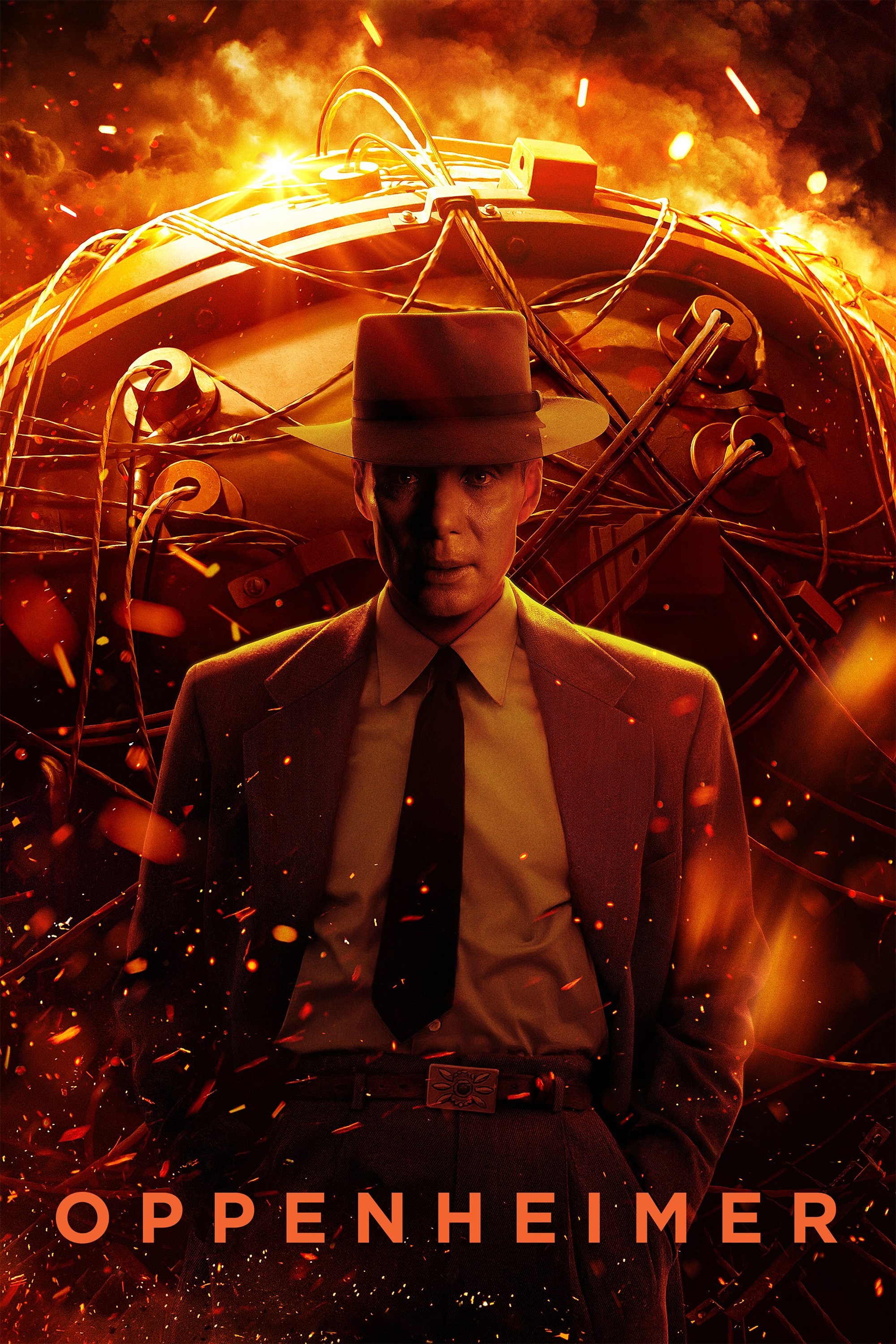
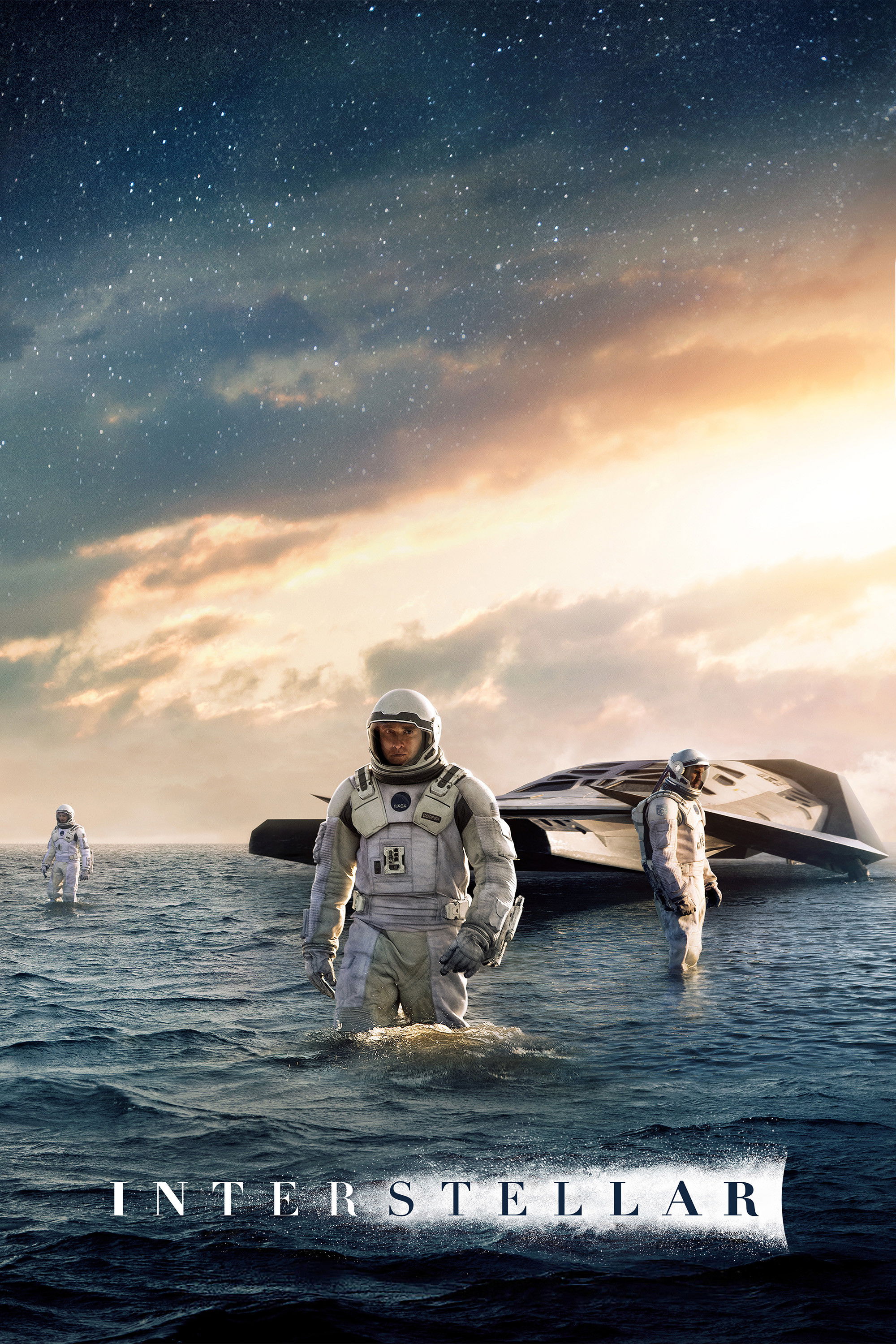
Added since this review first appeared: Inception has settled into its reputation as the film that proved a major studio could bankroll an original, demanding science-fiction blockbuster and see it pay off, and its DNA shows up in everything from later puzzle-box thrillers to the Zimmer-style “braam” that took over film trailers for a decade. Nolan went on to push the same ambition further with Interstellar and, later, Oppenheimer. The famous final shot is still argued over. It is now widely available on disc and digital, with periodic IMAX re-releases, and streams on various platforms depending on your region.
BBFC content advice
Rated 12A by the BBFC for moderate violence. The notes below may contain spoilers.
Violence: Scenes of moderate violence include gunfights and fistfights, occasionally resulting in brief sight of blood.
Threat and horror: There are scenes of threat in which people run from explosions, as well as vehicle crashes.
Language: There is use of mild bad language, such as ‘crap’ and ‘shit’.
Sex: There are some brief and undetailed references to sex, such as a reference to being a lover.
Injury detail: There is some sight of blood in the aftermath of violence.
Suicide and self-harm: There are occasional references to suicide, when a woman believes she and her husband should end their lives together. In one scene she throws herself from a building, and in another she and her partner lie on a railway line as a train approaches. The context of these scenes is fantastical, involving layers of dreams and the need to die in order to wake up from the dream.
Alcohol and smoking: Adult characters drink.
Source: British Board of Film Classification (bbfc.co.uk).