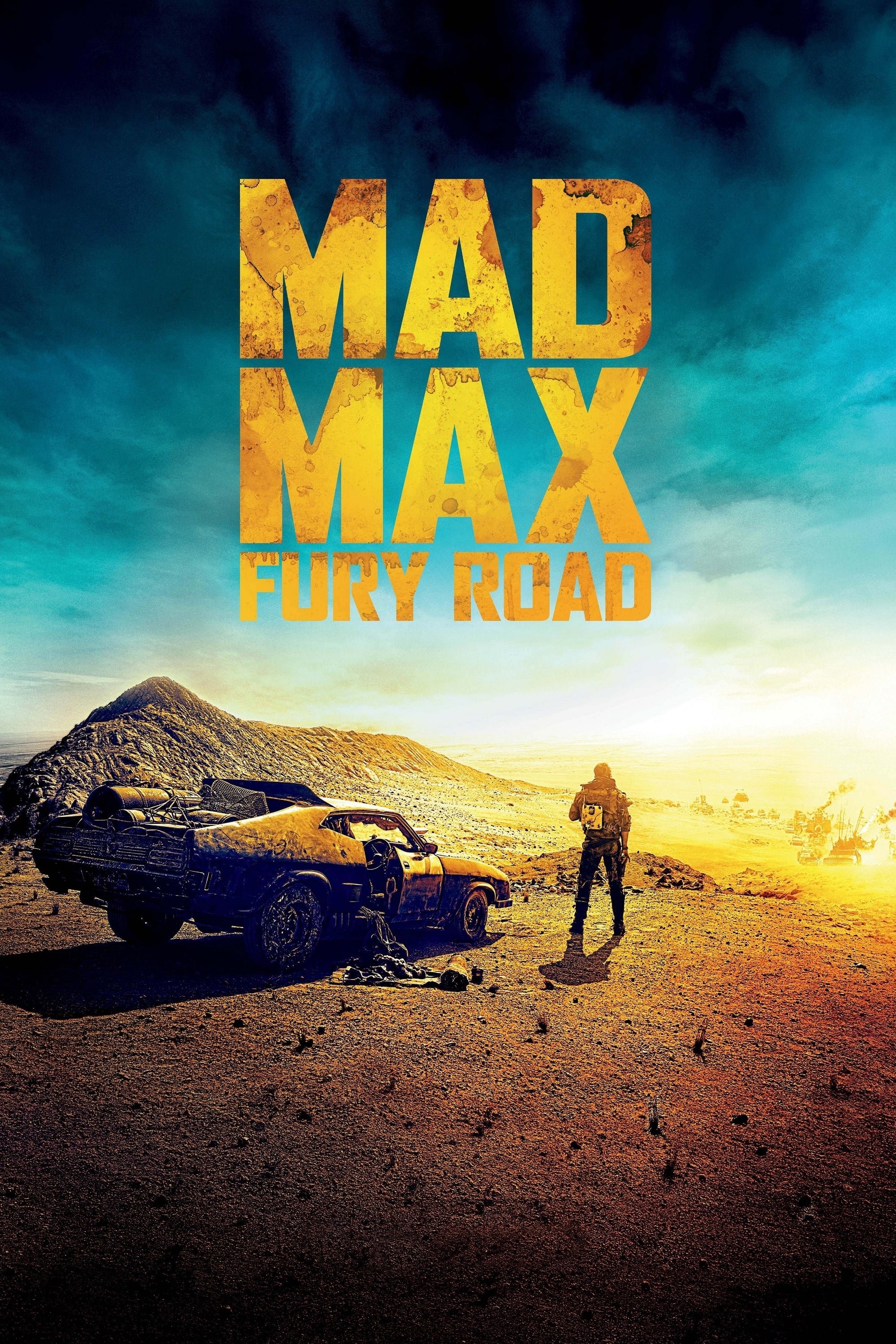

- UK release: May 2015
- Director: George Miller · Writers: George Miller, Brendan McCarthy, Nico Lathouris
- Studio / distributor: Warner Bros; Village Roadshow Pictures
- Genre: Post-apocalyptic action adventure · Runtime: 120 minutes (BBFC 15)
- Main cast: Tom Hardy (Bronson, Warrior) as Max Rockatansky; Charlize Theron (Monster, Aeon Flux) as Imperator Furiosa; Nicholas Hoult (A Single Man, Warm Bodies) as Nux; Hugh Keays-Byrne (Mad Max) as Immortan Joe
- IMDb: 8.1 / 10 · Rotten Tomatoes: 97% critics / 85% audience · My rating: 8.5 / 10
George Miller has not directed a Mad Max film since Beyond Thunderdome in 1985, and in the thirty years between he has made talking pigs and dancing penguins. So the first surprise of Fury Road is simply that it exists, and the second is that a seventy-year-old with that CV has come back and shamed every younger director currently bolting action sequences together in a computer. This is a film made by someone who remembers what a stunt is for, and who has waited a very long time to do it at this scale.
The setup
Max (Tom Hardy) is captured in the opening minutes by the war-boys of Immortan Joe, a warlord who controls the water and farms his own people for blood and labour. He is barely a free agent for most of what follows. The actual driver of the story is Furiosa (Charlize Theron), one of Joe’s trusted lieutenants, who takes a war rig off its fuel run and points it at the horizon with five of Joe’s captive wives hidden aboard. Joe gives chase with his entire army, Max is dragged along strapped to the bonnet of a pursuing car, and the film becomes one enormous escape across the desert and, eventually, back again. That is close to the whole of it. There is almost no plot in the conventional sense, and the film is stronger for refusing to stop and explain itself.
The cast
Hardy inherits a role Mel Gibson made famous, and wisely does not try to out-charm him. His Max is a near-mute, haunted, animal presence who communicates in grunts and the occasional flat line of dialogue, and Hardy has the physical heft to make that read as competence rather than sulking. The clever decision is that the film is not really his. Theron’s Furiosa is the lead in everything but the title, a shaven-headed, grease-streaked driver carrying a private grief and a fierce protectiveness, and Theron plays her with a stillness that holds the centre of a very loud film. Nicholas Hoult is the other standout as Nux, a dying war-boy raised to believe death in battle buys him paradise, whose slow turn is the closest the film comes to an arc. Hugh Keays-Byrne, who played the villain in the original 1979 Mad Max, returns behind a grille mask as Immortan Joe and makes a genuinely grotesque monster of him.
The craft
This is where the film justifies its reputation. Miller and cinematographer John Seale shoot the chases with a clarity that has gone missing from the genre: the camera is centred, the geography is legible, and you always know who is where and how fast they are closing. The stunt work is overwhelmingly practical, real vehicles and real bodies flung across real desert, and the pole-cats swinging over the convoy on long bending masts are the kind of image you do not forget. The editing is relentless without becoming incoherent, which is a much harder trick than it looks. Junkie XL’s percussion-and-guitar score is welded to the action, helped by the flame-throwing guitarist Joe straps to the front of his war party, a detail so absurd it loops back round to brilliant. The colour grade, deep orange days and cold blue nights, gives the wasteland a storybook vividness rather than the usual grey murk.
How it stacks up
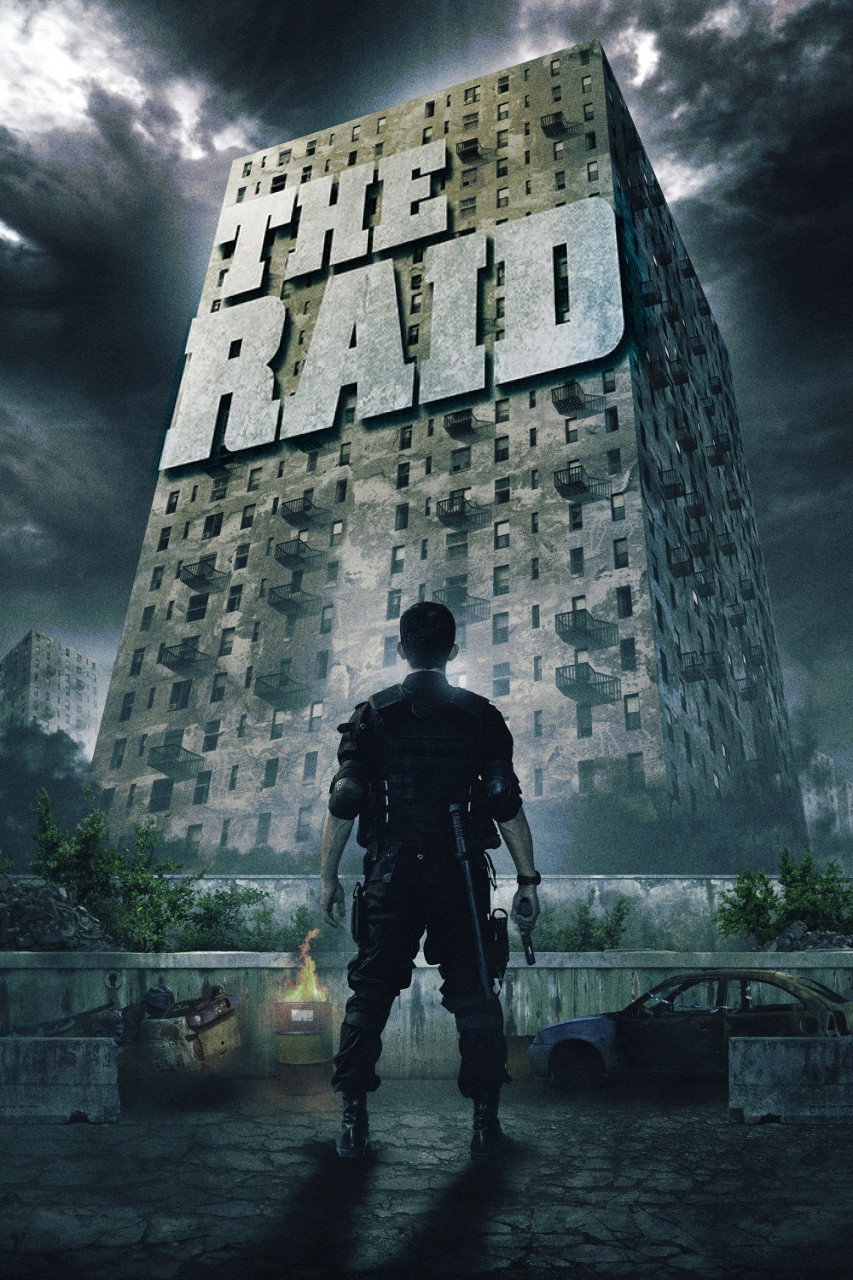
The obvious comparison is back to Miller’s own The Road Warrior, still the high-water mark for vehicular carnage, and Fury Road is essentially that film rebuilt with three decades of budget and ambition. It also sits naturally beside the recent run of lean, brutal action films that trust their craft over their plot: Dredd and The Raid both stripped the genre down to a single forward motion and let the staging carry it, and Fury Road does the same on a vastly bigger canvas. What separates it is the world-building. The wives, the blood-bags, the seed-keepers, the entire grotesque economy of Joe’s citadel is delivered in passing, through design and behaviour rather than exposition, and it leaves you with the sense of a fully imagined place glimpsed at speed.
Critics versus the rest of us
Critics have gone close to unanimous, sitting at 97%, hailing it as a benchmark for action cinema and singling out the practical stunts and Furiosa’s central role. Audiences are warm but more divided, around 85%, and the gap is easy to read: viewers who came for a Mad Max film and got a two-hour car chase with a hundred lines of dialogue were always going to split. I land nearer the critics, though not all the way. The thinness of plot that lets the film fly is also a ceiling on it; there is not much to chew on once the engines cool, and the emotional stakes belong almost entirely to Furiosa rather than to the man whose name is on the poster.
Verdict
What I value most here is the craft and the rewatchability, and on both this is near the top of its class. It is a film built to be put on again, dipped into for a sequence, admired for the sheer physical audacity of how it was made. It is not the deepest thing in the genre and it does not pretend to be, but as a piece of pure, beautifully engineered action spectacle it is about as good as the form gets. The fact that it was made largely for real, with cranes and cars and stunt performers rather than a render farm, only makes it more impressive. 8.5⁄10.
Availability: On general release in UK cinemas now. Worth the largest screen you can find; this is a film that loses something on a laptop.
Update
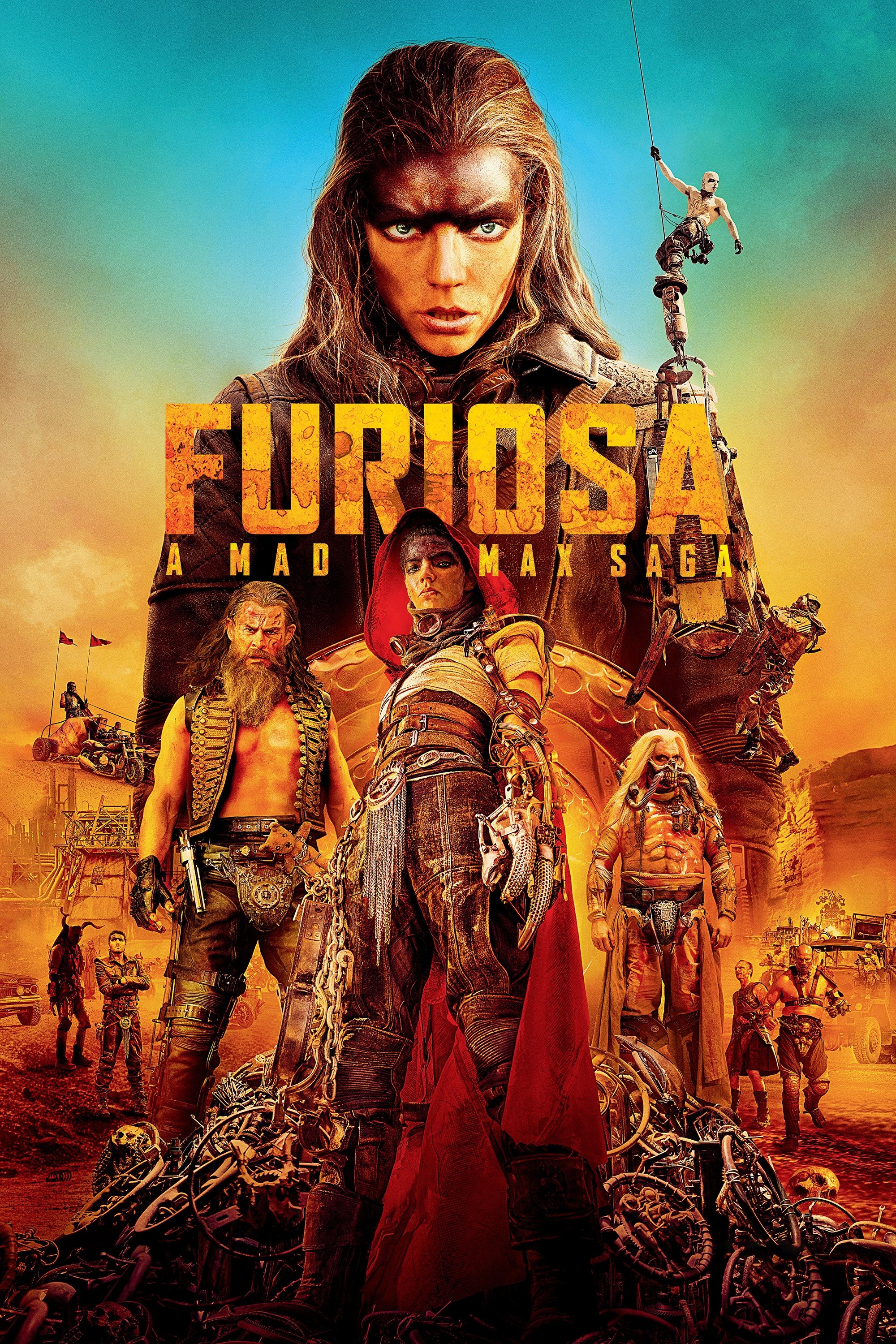
Added since this review first appeared: Miller returned to the wasteland with Furiosa: A Mad Max Saga (2024), a Theron-free prequel handing the role to Anya Taylor-Joy and filling in the backstory the original wisely left to a glance. Fury Road has only grown in standing, routinely cited as one of the defining action films of its decade, and it picked up six technical Academy Awards. A black-and-white “Black and Chrome” edition exists as Miller’s preferred version. It is now widely available on disc, including 4K, and streams on the major platforms depending on region.
BBFC content advice
Rated 15 by the BBFC for strong violence, threat. The notes below may contain spoilers.
Violence: Frequent scenes of violence and threat include sustained vehicular chase scenes. These include scenes where people fight, are shot and stabbed, or run over by vehicles. However, injury detail is limited. There is also a scene in which a man is struck on the chest by a chainsaw, which is followed by a brief blood spurt. In another scene a man’s mask is ripped from his face, and there is a brief gush of blood.
Additional issues: A woman has a baby cut from her body. The cutting occurs below frame and is followed by sight of a man handling the placenta. There is also brief non-sexualised female nudity and mild bad language (‘bollocks’, ‘shite’).
Source: British Board of Film Classification (bbfc.co.uk).