
- UK release: January 2010
- Director: Albert and Allen Hughes · Writer: Gary Whitta
- Studio / distributor: Alcon Entertainment; Silver Pictures; Warner Bros.
- Genre: Post-apocalyptic action drama / neo-western · Runtime: 118 minutes (BBFC 15)
- Main cast: Denzel Washington (Training Day, Man on Fire) as Eli; Gary Oldman (Léon, The Dark Knight) as Carnegie; Mila Kunis (Forgetting Sarah Marshall) as Solara; Ray Stevenson (Rome, Punisher: War Zone) as Redridge
- IMDb: 6.8 / 10 · Rotten Tomatoes: 47% critics / 64% audience · My rating: 8 / 10
The Hughes brothers have been gone a long time. Their last feature, From Hell, came out in 2001, and before that they were the young pair who made Menace II Society look like the work of directors twice their age. The Book of Eli is their return, and it is a curious choice of comeback: a lean, sun-scorched walk across a dead America, wrapped around a parable so old-fashioned that half the audience will roll their eyes at it and the other half will lean in. It is the kind of film that knows exactly what it wants to be and refuses to apologise for it, which is rarer than it sounds.
The setup
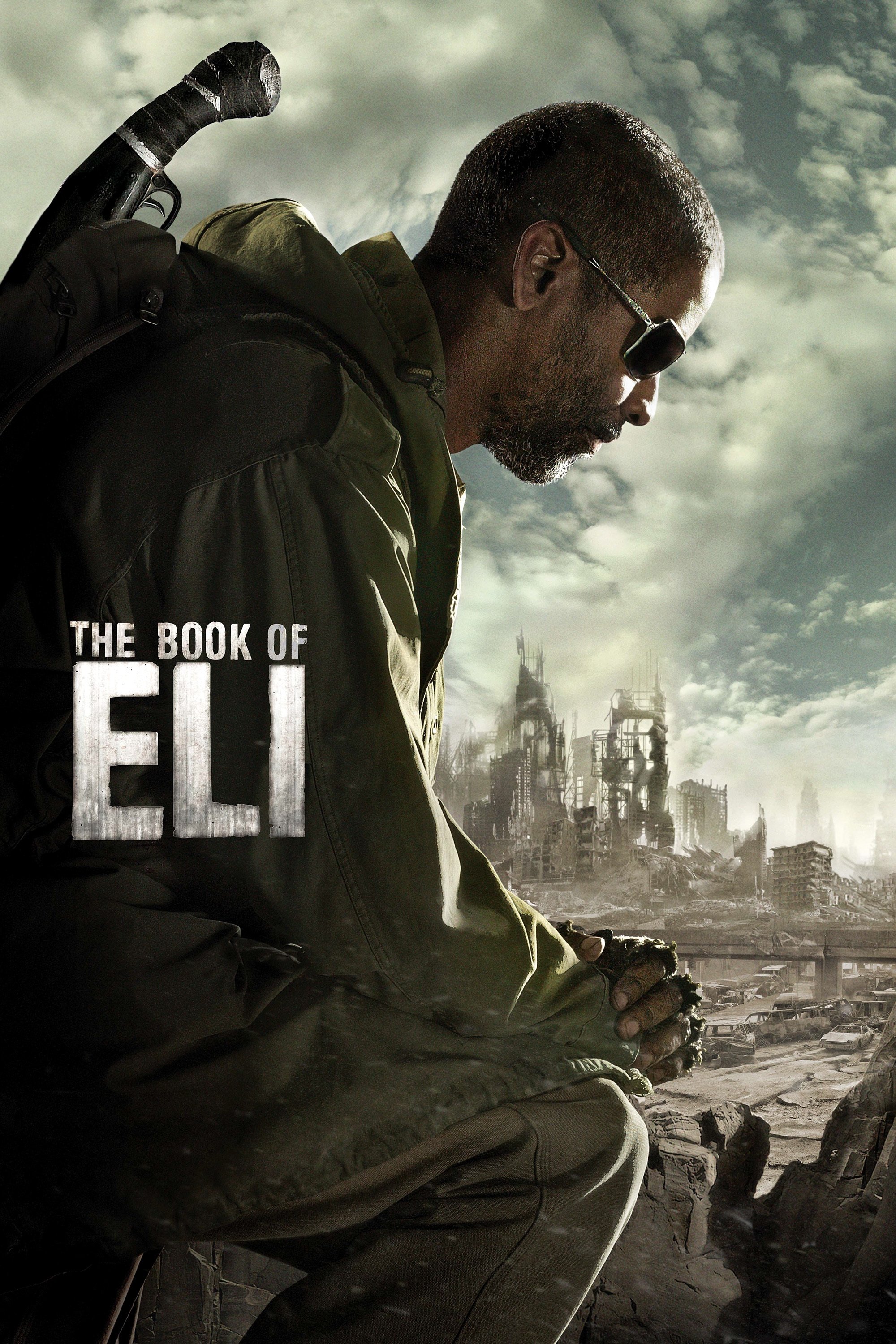
Some thirty years after a war that burned the sky out, Eli walks west. He is alone, lethal, and carrying a book he believes he was told to protect and deliver, a book he will kill to keep. The land between him and the coast is a scatter of ruined towns, hijackers and cannibals, and water is worth more than gold. In one of those towns he runs into Carnegie, a literate, ruthless man who has worked out that the right book in the right hands is the only real power left, and who has been sending illiterate thugs to scour the wasteland for the very one Eli is carrying. From there it is a contest of wills, with a young woman named Solara caught between them and slowly choosing a side. I will leave the ending where it belongs, because the film has a turn near the close that is worth meeting cold.
The cast
Denzel Washington holds the whole thing together by doing very little. Eli is watchful, courteous, and only briefly explosive, and Washington plays the stillness as a kind of discipline rather than blankness, the same controlled authority he brought to Man on Fire but stripped of its rage. You believe this man has been walking and surviving for thirty years. Opposite him, Gary Oldman gives Carnegie a relish that the film badly needs, a small-town tyrant who quotes scripture and reads Mussolini and clearly enjoys hearing himself reason. After his buttoned-down Gordon in The Dark Knight it is good to see Oldman let the lid off again. Mila Kunis, best known to most as the sitcom face from That ‘70s Show and the comic foil of Forgetting Sarah Marshall, is the weak link, not bad so much as too contemporary for the dust she is standing in. Ray Stevenson, all muscle and menace as Carnegie’s enforcer, does what Rome and Punisher: War Zone taught him to do, which is loom convincingly.
The craft
Where the film really works is in how it looks and sounds. Don Burgess shoots the wasteland in a bleached, desaturated near-monochrome, all bone-white skies and long flat horizons, and the Hughes brothers frame Eli as a lone figure crossing it like a gunslinger in a Leone western with the colour drained out. There is a single-take ambush on a roadside house, the camera prowling in and out and around the building as the bullets fly, that is the best-staged action of the film and announces directors who have been thinking about this for a decade. The fights are clipped and brutal, more silhouette than spray. Atticus Ross and his collaborators score it with a low industrial hum that sits under the silence rather than filling it, and the silence is the point of the world they have built: this is a quiet film, and it trusts you to sit in the quiet.
How it stacks up
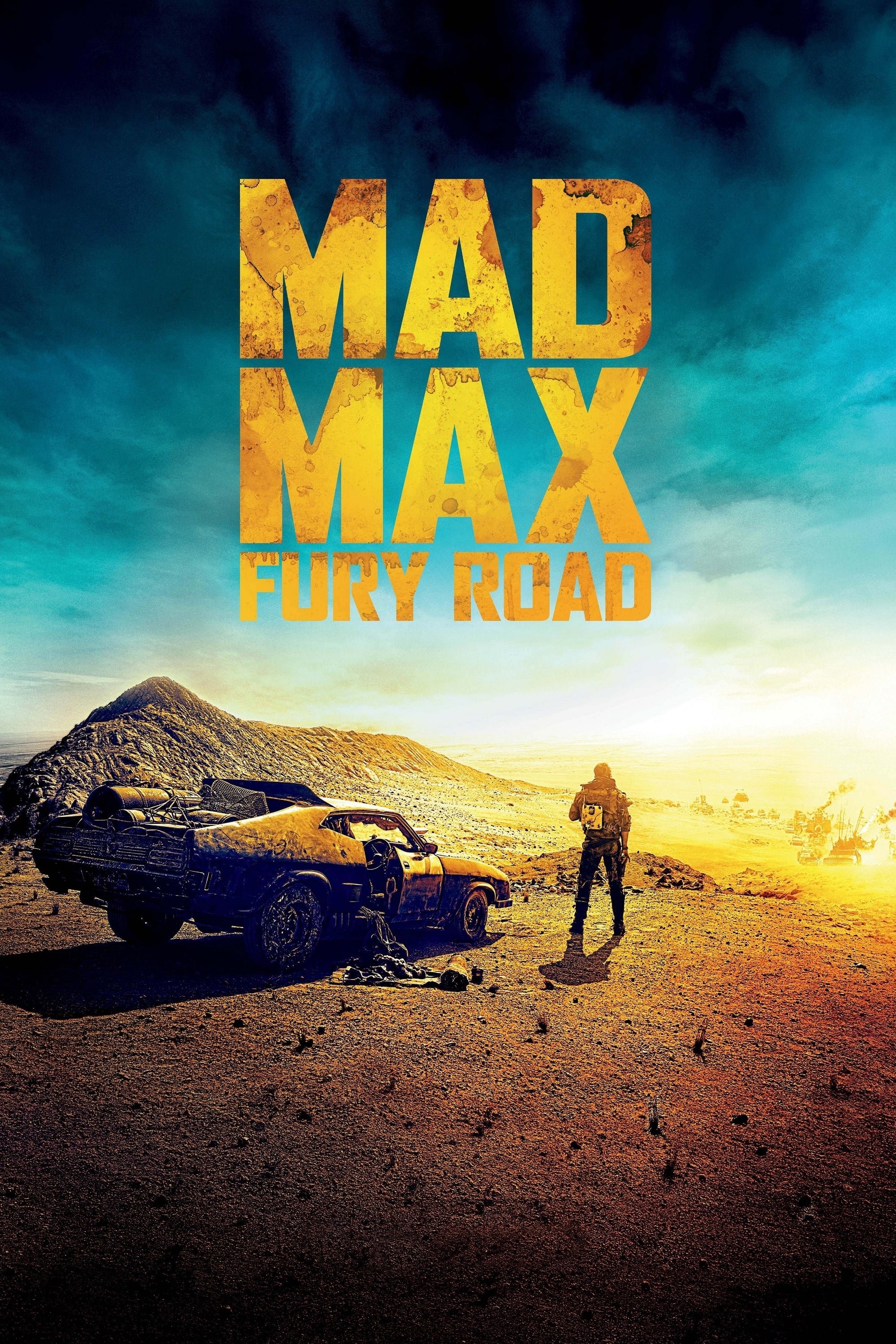
The obvious neighbours are the ones every post-apocalypse film now lives next to. It has the road-warrior bleakness of Mad Max without the petrolhead glee, and it shares a great deal of DNA with The Road, which reached cinemas at almost the same moment: the same ash-grey palette, the same long trudge, the same question of whether anything decent is worth carrying through hell. Where The Road is unrelieved grief, The Book of Eli is closer to a western with a Bible in its saddlebag, and it has more in common with the lone-stranger pictures of Eastwood than with most modern science fiction. It is not as intelligent a film as Children of Men, which used its ruined Britain to say something larger. But it is more purely entertaining than either, and it never bores.
Critics versus the rest of us
Critics are split down the middle and slightly sour, sitting around 47%, with the recurring complaint that the story is thin and the religious symbolism heavy-handed, and that the late twist tips the whole thing over into solemn nonsense. Audiences are warmer, nearer two thirds approving, and I am with the audiences. The faith angle does not bother me, partly because the film treats the book as an object of power rather than a sermon, and partly because the genre has always run on myth. The objection that it is simple is fair; the objection that being simple makes it bad is not. What the critics are marking down is more or less what I am marking up.
Verdict
This is a handsome, confident, deliberately old-fashioned film that knows what it is and delivers it without flab. Washington is excellent, Oldman is having a fine time, the world is beautifully realised, and the craft on display tells you the Hughes brothers have not lost a step in their years away. It is not flawless: Kunis is miscast, the middle sags once or twice, and the final reveal asks you to forgive a fair bit on the walk back through it. None of that stops it being the kind of film I will happily put on again, for the look of it, the quiet of it and the pleasure of watching Denzel Washington walk into a bar and warn everyone exactly once. It clears its own bar comfortably. 8⁄10.
Availability: On general release in UK cinemas now. A DVD and Blu-ray release should follow later in the year.
Update
Added since this review first appeared: the Hughes brothers split as a directing team not long after this, with Allen Hughes going on to Broken City and Albert to Alpha, which makes The Book of Eli one of their last films together. Its reputation has settled roughly where it opened, a divisive cult favourite that fans defend for its mood and its single-take action and detractors still find heavy-handed. It is now widely available on disc and digital, and turns up on streaming platforms on rotation depending on region.
BBFC content advice
Rated 15 by the BBFC for strong violence and language. The notes below may contain spoilers.
Violence: There is a scene in which a man’s hand is cut off. There are also scenes in which men are slashed and stabbed, or shot with guns or arrows, some of which are accompanied by blood spurts and injury detail.
Language: The film contains some strong language (eg ‘f**k’).
Additional issues: There is also some moderate threat, and a scene in which a woman is briefly threatened with rape by two men who are killed before they can assault her. There are also infrequent moderate sex references.
Source: British Board of Film Classification (bbfc.co.uk).