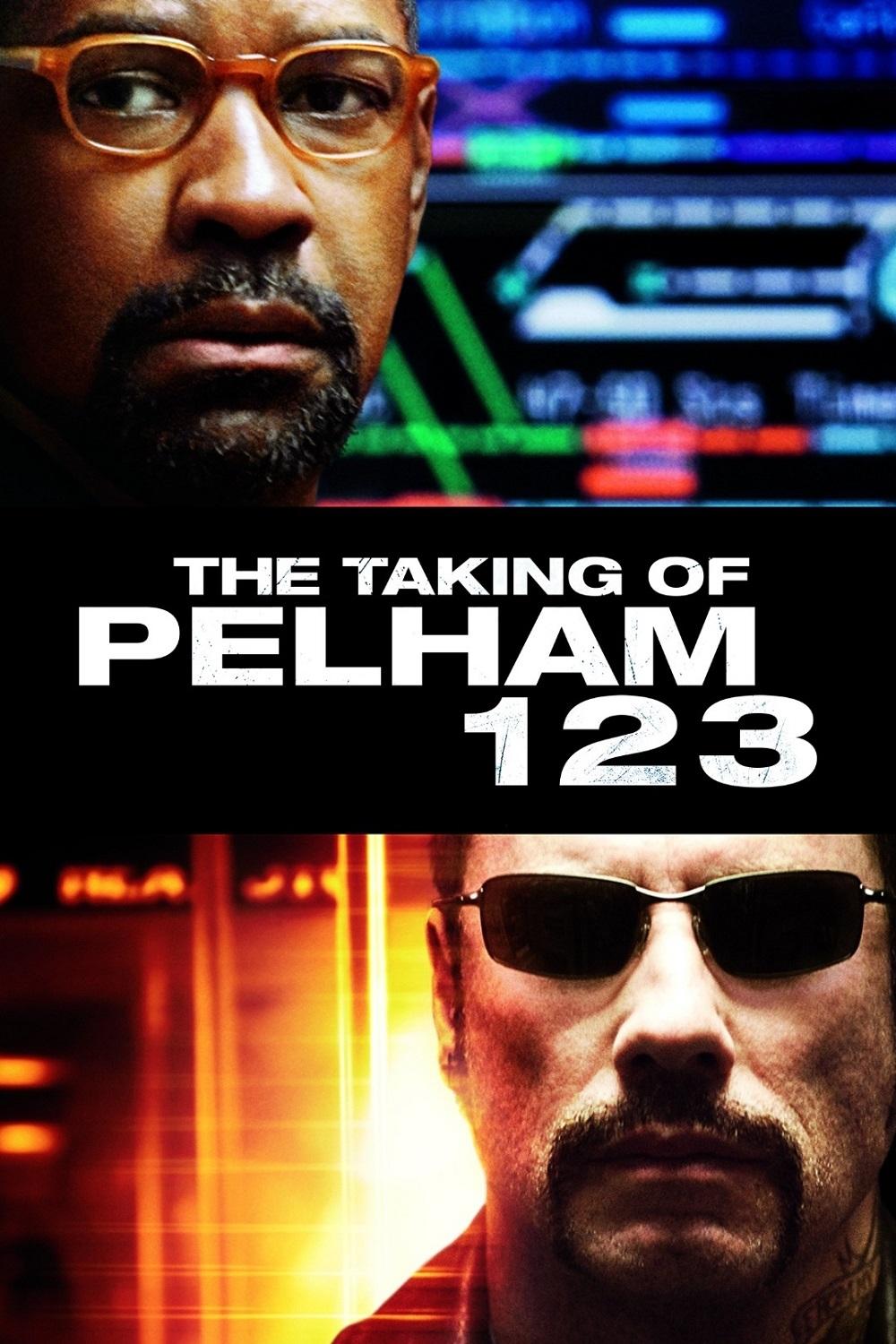

- UK release: August 2009
- Director: Tony Scott · Writer: Brian Helgeland
- Studio / distributor: Columbia Pictures; MGM; Scott Free; Escape Artists
- Genre: Hostage thriller · Runtime: 106 minutes (BBFC 15)
- Main cast: Denzel Washington (Training Day, Man on Fire) as Walter Garber; John Travolta (Pulp Fiction, Face/Off) as Ryder; John Turturro (Barton Fink, The Big Lebowski) as Lieutenant Camonetti; Luis Guzmán (Traffic, Boogie Nights) as Phil Ramos; James Gandolfini (The Sopranos) as the Mayor
- IMDb: 6.4 / 10 · Rotten Tomatoes: 51% critics / 52% audience · My rating: 7.5 / 10
Remaking The Taking of Pelham One Two Three is a curious thing to attempt. The 1974 original, with Walter Matthau in a brown suit and Robert Shaw running the heist in a bowler hat, is one of those lean, sour, perfectly engineered New York thrillers that needed no improving. So the question hanging over this version is the one that hangs over every Tony Scott picture: not whether it can match the model, but whether the man who made Crimson Tide and Man on Fire can do enough with colour, noise and momentum to make you forget that a quieter, tighter film already exists. He mostly can.
The setup
A southbound number 6 train, the Pelham 123 of the title, is stopped dead in the tunnel and one of its cars uncoupled and seized by four armed men. Their leader, who calls himself Ryder, gets on the radio and names his price: ten million dollars, delivered within the hour, or he starts shooting hostages. The man who happens to pick up the call is Walter Garber, a transit dispatcher with a demotion hanging over him and a bribery investigation circling his name. Garber is no negotiator and never wanted to be one, but Ryder decides he likes talking to him, and the city’s response to the crisis ends up routed through a tired civil servant at a console. The clock and the cash do the rest.
The cast
Denzel Washington plays Garber thickened, greying and slightly defeated, a long way from his sharper screen heroes, and that choice anchors the film. He spends most of it sitting down, talking into a microphone, and he makes that compelling, which not many actors could. Across the line is John Travolta, who attacks Ryder with everything he has: neck tattoos, a walrus moustache, a torrent of profanity and a philosophy-of-the-markets monologue that nearly runs away from him. It is a big, theatrical, occasionally silly performance, and the film lives or dies on whether Washington’s restraint can hold it down. It can. John Turturro brings a watchful weariness as the police negotiator sidelined by the dispatcher Ryder actually trusts, Luis Guzmán adds grimy texture to the crew, and James Gandolfini’s harried mayor supplies the political weather. The cast is plainly stronger than the material, and the film is wise to let them carry it.
The craft
This is Tony Scott in full late-period mode, and your tolerance for the film tracks fairly closely with your tolerance for that style. The camera never settles, the colour grade is pushed to orange and steel, captions stamp the screen, the edit punches between angles, and Harry Gregson-Williams lays down a propulsive score under all of it. When the ransom money is rushed across Manhattan by police convoy, Scott turns a simple errand into a car-chase set piece, complete with a pile-up the plot did not strictly need. Some of this is showing off. But the energy is real, the geography of the underground stand-off stays clear, and the 106 minutes move. After the airless drift of some hostage thrillers, a director this committed to forward motion is no bad thing.
How it stacks up
The 1974 film is the obvious yardstick, and on tautness and bleak wit the original wins. Joseph Sargent’s version trusted silence and a colder ending; this one would rather you never had a quiet second. Set against Scott’s own catalogue, it sits a notch below Crimson Tide and Man on Fire, sharing their star and their appetite for pressure but lacking their stakes. The better recent comparison is Inside Man, where Washington also worked a siege from the outside in, and Speed, another single-location countdown built on a transport system and a madman’s deadline. Pelham has less wit than the first and less novelty than the second, but it belongs in their company as a competent, watchable example of the form.
Critics versus the rest of us
Reviews are split down the middle, with Rotten Tomatoes parking critics and audiences both around the halfway mark. The recurring complaint is fair enough: the remake trades the original’s lean menace for hyperactive surface, and Travolta’s villain is louder than he is frightening. I take the point and still rate it higher than the consensus does. The film knows what it is, it is anchored by two actors clearly enjoying the duel, and it never bores. For a city-under-pressure thriller meant to be devoured on a wet evening, those are the things that count.
Verdict
This is not the equal of the film it is remaking, and it is not pretending to be. What it offers is Denzel Washington doing a great deal with very little, John Travolta cheerfully chewing the scenery opposite him, and Tony Scott driving the whole thing forward with more craft than the script deserves. It is loud, glossy, a touch overcooked, and genuinely entertaining, the sort of thriller that holds you the first time and rewards a second, lazier watch. 7.5⁄10.
Availability: In UK cinemas now, with a DVD and Blu-ray release to follow later this year.
Update
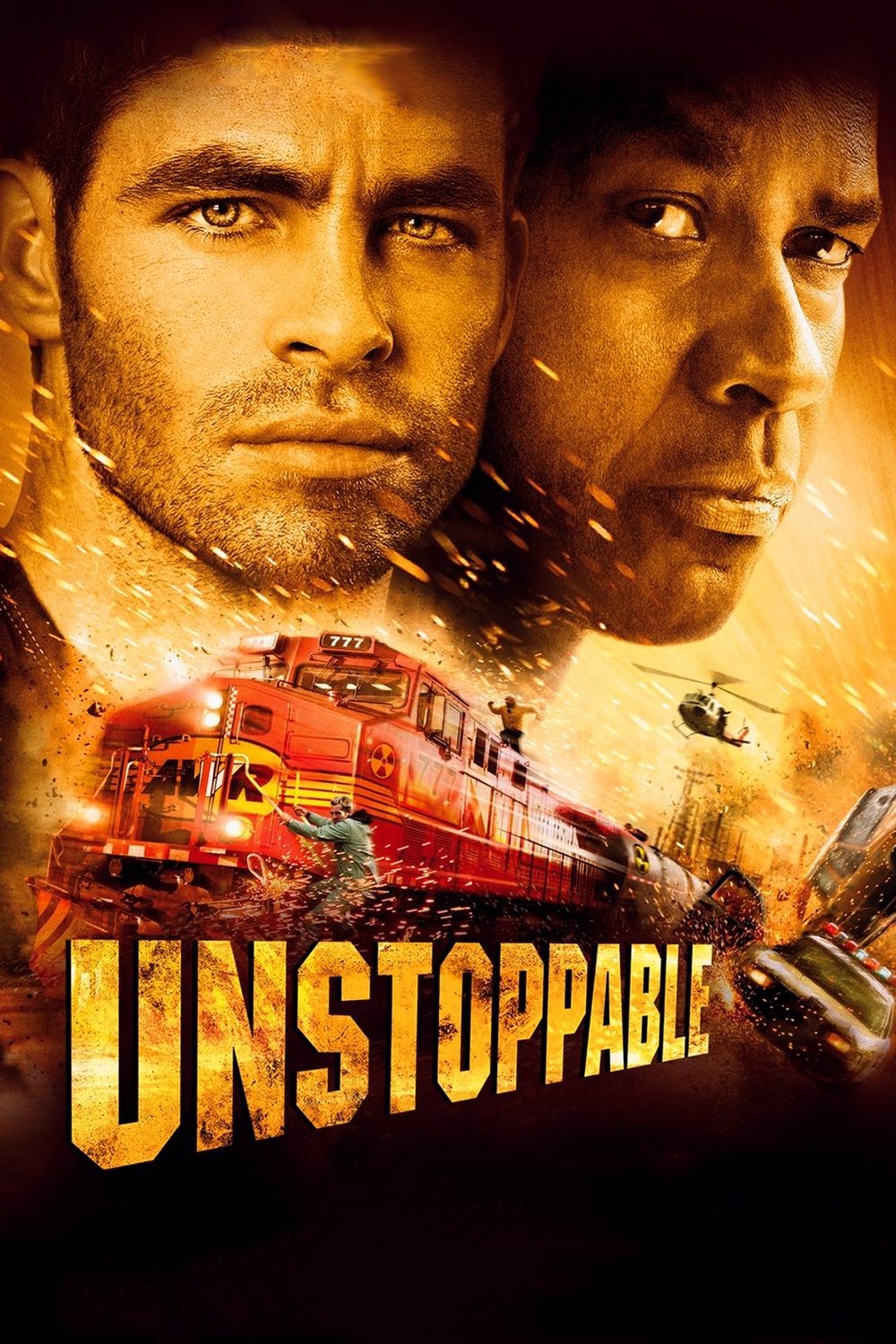
Added since this review first appeared: this was one of Tony Scott’s last films before Unstoppable (2010), his final collaboration with Washington, which reworked the runaway-train idea into something leaner and arguably better. The Pelham remake has settled into its reputation as solid mid-tier Scott, neither his best nor his worst, and is now widely available on disc and through the usual digital rental and streaming services.
BBFC content advice
Rated 15 by the BBFC for strong language and violence. The notes below may contain spoilers.
Violence: There are scenes in which men are repeatedly shot, accompanied by bloody impact wounds.
Language: There are several uses of strong language (‘f**k’).
Additional issues: In several scenes, hostages are threatened by armed men.
Source: British Board of Film Classification (bbfc.co.uk).