
- UK release: April 2013
- Director: Joseph Kosinski · Writers: Karl Gajdusek, Michael deBruyn
- Studio / distributor: Universal Pictures; Chernin Entertainment; Radical Studios
- Genre: Post-apocalyptic science fiction mystery · Runtime: 124 minutes (BBFC 12A)
- Main cast: Tom Cruise (Top Gun, Mission: Impossible) as Jack Harper; Andrea Riseborough (Brighton Rock, W.E.) as Victoria; Olga Kurylenko (Quantum of Solace) as Julia; Morgan Freeman (The Shawshank Redemption, Se7en) as Malcolm Beech
- IMDb: 7.0 / 10 · Rotten Tomatoes: 53% critics / 61% audience · My rating: 8 / 10
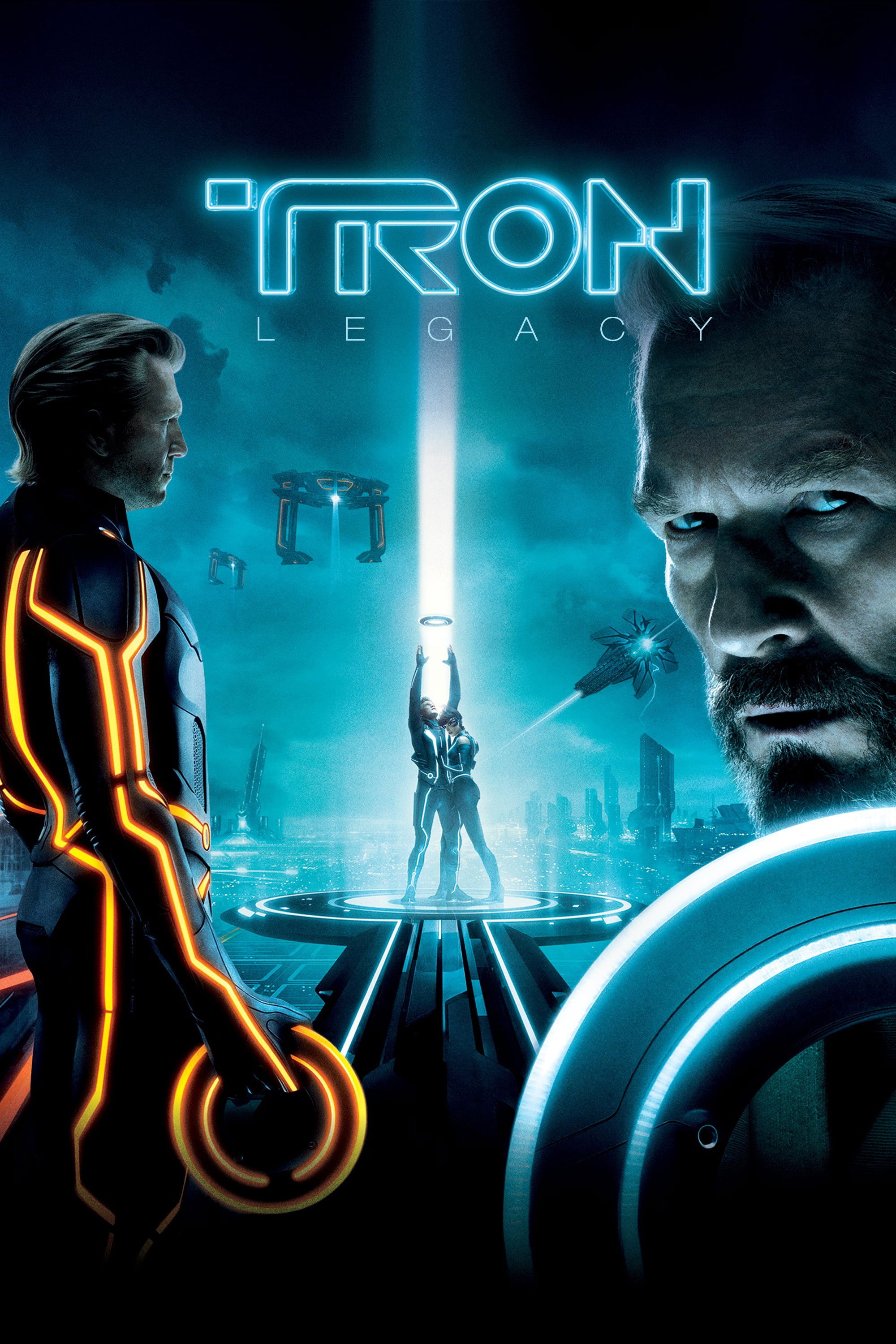
Joseph Kosinski arrives for his second feature with a reputation built on one thing: he can make a frame look extraordinary. Tron: Legacy was a thin film draped in some of the most beautiful images of its year, and the open question hanging over Oblivion is whether he can carry the storytelling now that there is no neon grid to hide behind. The answer is mixed, and yet I came out of this one happier than the scores would lead you to expect. It is a film assembled almost entirely from parts you have seen elsewhere, and it wears them with such confidence and such gorgeous surfaces that the borrowing stops mattering as much as it should.
The setup
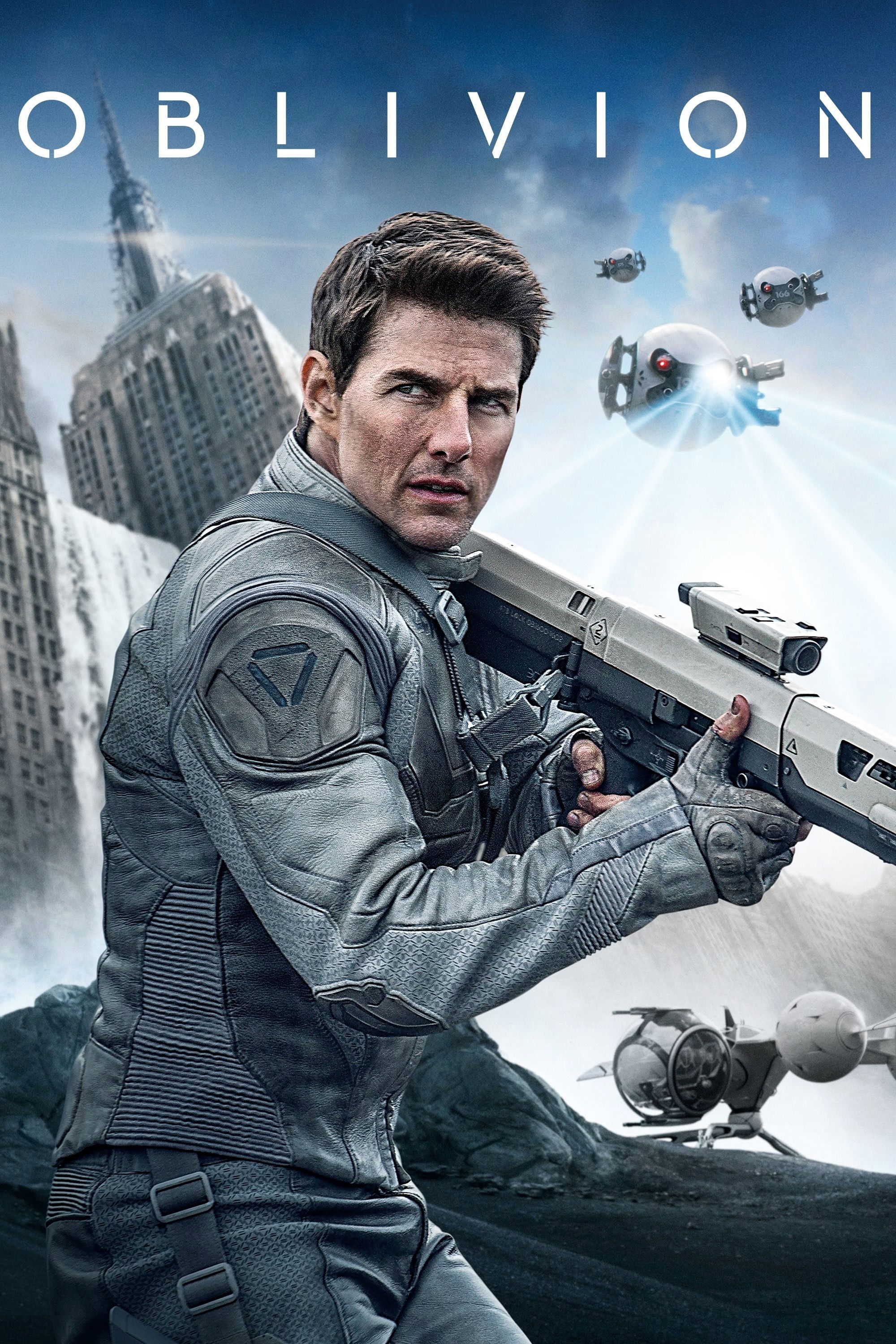
Sixty years after a war that broke the Moon and left Earth scorched and largely abandoned, Jack Harper (Tom Cruise) is one of the last men on the planet, a drone repairman seeing out the final weeks of a clean-up operation before the human survivors decamp to a colony on Titan. He works in pairs with Victoria (Andrea Riseborough), who runs his missions from a glass house in the clouds, the two of them counting down to extraction with a routine that has the eerie tidiness of people who have been told not to ask questions. Then a wrecked craft falls from orbit carrying a sleeping woman (Olga Kurylenko) whose face Jack already knows from dreams he should not be having, and the careful story he has been told about his own life starts to come apart. To say much more is to give the game away, and the pleasure here is in watching the floor tilt.
The cast
Cruise does what Cruise does, which is to anchor a strange film with a completely unembarrassed sincerity. He runs, he climbs, he flies, he stares out at ruined landmarks with the right amount of ache, and his total commitment to the bit is the thing that keeps a high-concept premise from floating off. Andrea Riseborough is the find of the piece. Her Victoria is poised and faintly brittle, a woman holding a fragile contentment together with both hands, and Riseborough plays the cracks beautifully without ever tipping into melodrama. Olga Kurylenko has the harder, thinner role of the woman from the wreck, more plot device than character, and she does what she can with it. Morgan Freeman turns up in tinted goggles to deliver exposition in that voice, and while the part is slight, his presence lends the back half a gravity it has not entirely earned.
The craft
This is where the film justifies the ticket. Claudio Miranda shoots a drowned, bleached Earth in clean natural light, all white surfaces and vast empty skies, and the production design of Jack’s sky station is the kind of restrained future you actually want to live in. The drones are a genuinely menacing piece of engineering, spherical and patient and wrong, and the action built around them has real weight. Best of all is the score by M83, working with Joseph Trapanese, a swelling synth-and-orchestra sound that gives the melancholy somewhere to go and does a great deal of the emotional lifting the script leaves undone. There is a sequence at an abandoned stadium, and another in a green valley hidden from the satellites, that I will happily watch again for the mood alone. Kosinski composes for the largest screen he can find, and the film rewards it.
How it stacks up
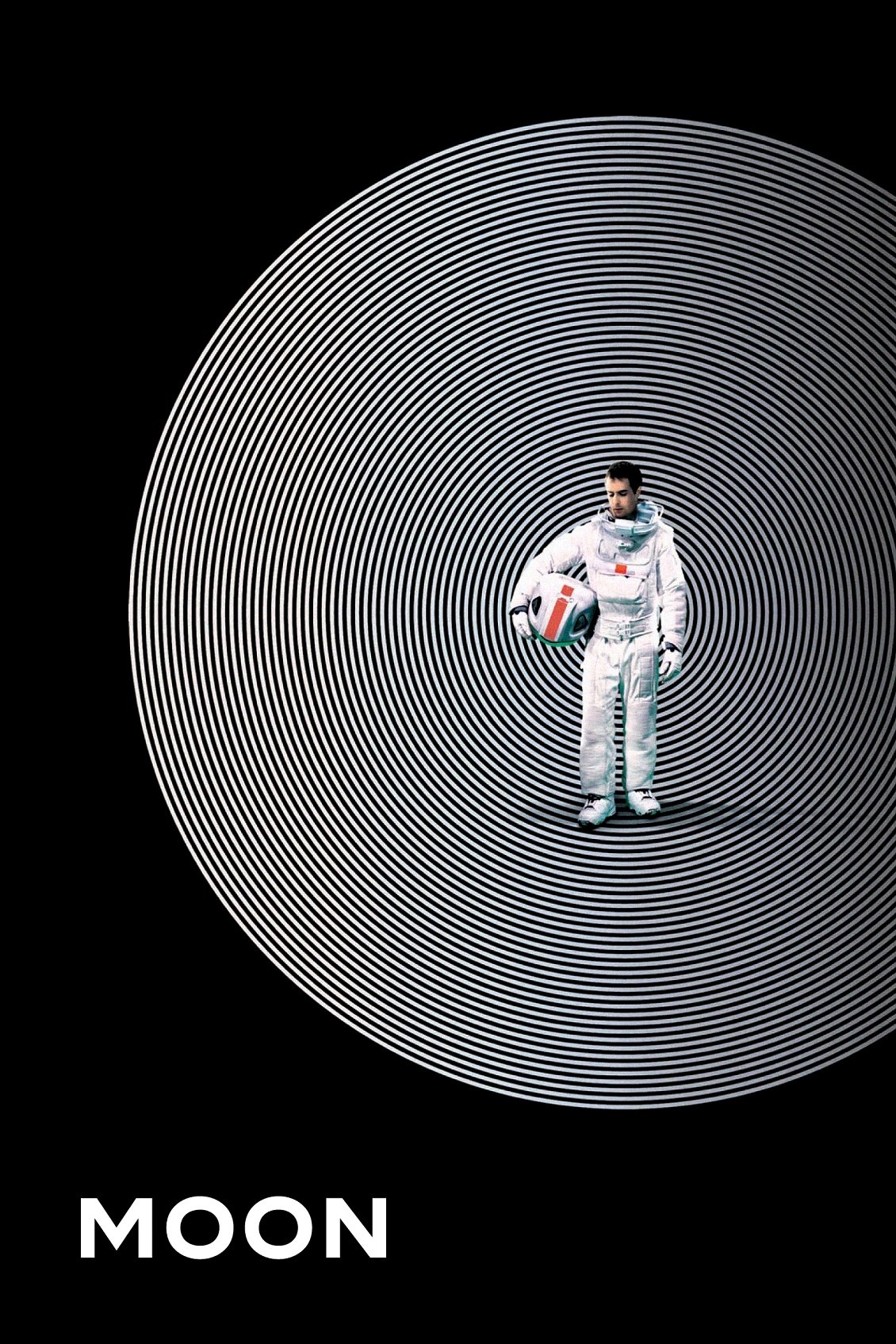
The borrowing is shameless and worth naming, because half the fun is spotting it. There is a great deal of Moon here, the lone worker and his too-clean handler and the question of who is really running the show, and more than a little of WALL-E in the romance of a single conscientious machine-minder on a dead Earth. The reveal machinery owes a debt to The Matrix and to the original Planet of the Apes, and the look carries the DNA of Tron: Legacy into a sunlit register. None of these comparisons flatter the screenplay, which gets to its destination by routes you can see coming. What Oblivion has that its better-written cousins sometimes lack is sheer surface beauty and a soundtrack that turns a derivative plot into something that lands as wistful rather than recycled.
Critics versus the rest of us
The critical line is settling around the predictable verdict: ravishing to look at, hollow at the centre, a film that mistakes mystery for depth. Rotten Tomatoes has it under water at 53% from critics, with audiences a fair bit warmer at 61%, and that gap tells the real story. The people grumbling are the ones grading it as screenwriting; the people enjoying it are grading it as an experience. I am firmly with the audience here. A science fiction film that is internally coherent, gorgeously made, scored to the hilt and genuinely atmospheric clears a bar that a cleverer but uglier film would not.
Verdict
Oblivion is not the smart film it occasionally pretends to be, and anyone who walks in for a tightly plotted original will leave counting the borrowed pieces. I did not walk in for that. I walked in for intelligent-feeling science fiction with a strong mood, a future I could believe in, and a soundtrack to get lost in, and on all three it delivers more than its reputation suggests. It is beautiful, it is melancholy, it commits utterly to its own ideas even when they are second-hand, and it is the kind of film I will put on again on a wet afternoon purely to sit inside its world. The story is the weakest thing in it; almost nothing else is. 8⁄10.
Availability: On general release in UK cinemas now. See it on the biggest screen you can reach, ideally IMAX, where Miranda’s vistas and the M83 score do their proper work.
Update
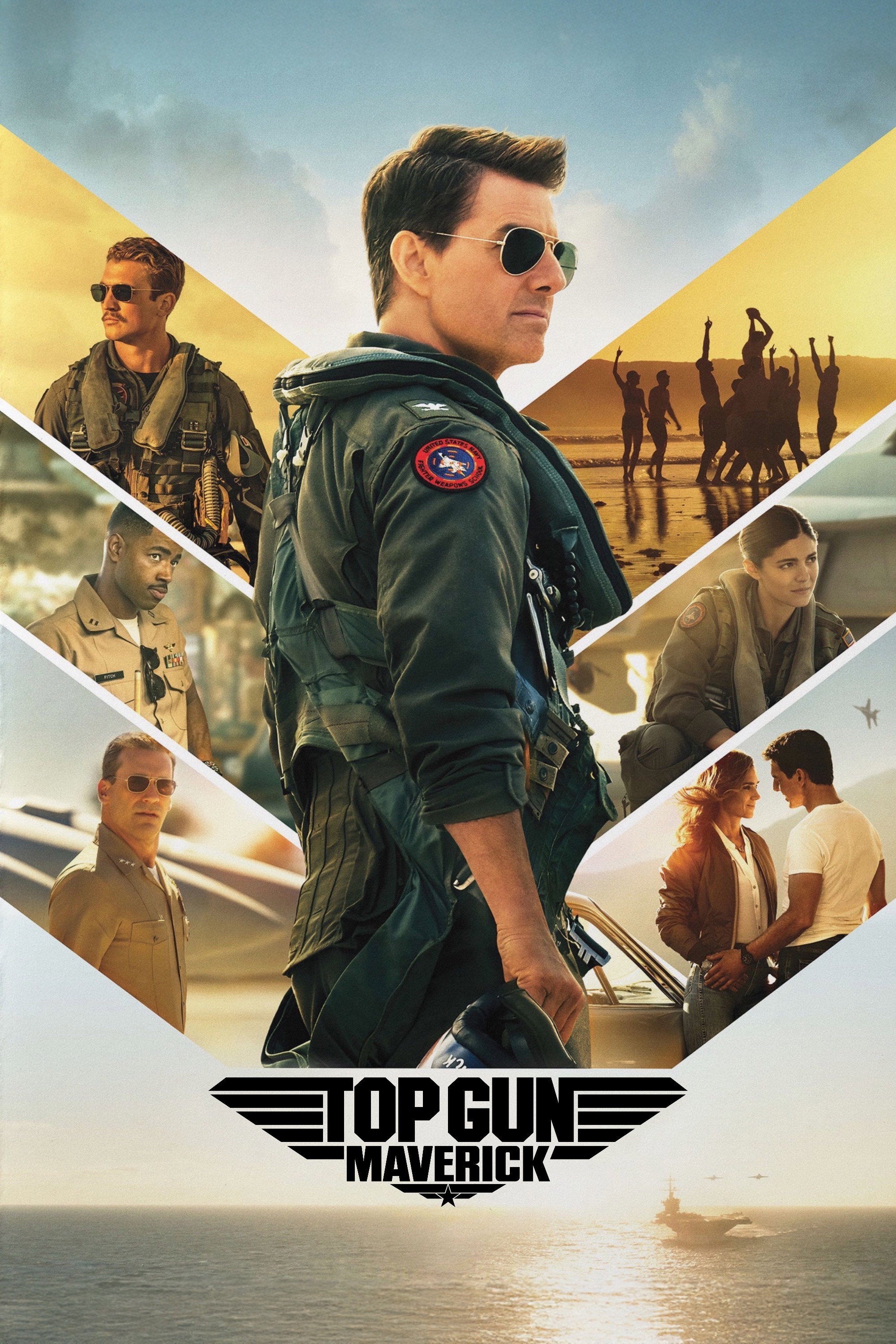
Added since this review first appeared: Joseph Kosinski did not return to original science fiction for some time, instead going on to the aviation spectacle of Top Gun: Maverick (2022), and Oblivion has settled into a quiet cult standing on the strength of its design and that M83 score, which has outlived the lukewarm reviews. The film is now widely available on disc and digital and rotates through the major streaming platforms depending on region.
BBFC content advice
Rated 12A by the BBFC for moderate violence, one use of strong language. The notes below may contain spoilers.
Violence: Scenes of moderate violence include exchanges of punches and kicks, a brief choking, and brief sight of blood on a character’s clothes, which reveals a small wound in their stomach. There are also gunfights between humans and robotic drones.
Language: There is infrequent use of strong language (‘f**k’), and occasional mild bad language including ‘damn’, ‘God’, ‘goddamn’, ‘hell’, ‘pissed’, ‘screw’, ‘shit’ and ‘son of a bitch’.
Additional issues: In a night scene a female character removes her dress and swims naked in a pool, revealing her bare buttocks. In another scene a male character smokes a large cigar, but the work as a whole neither glamorises nor promotes the practice of smoking.
Source: British Board of Film Classification (bbfc.co.uk).