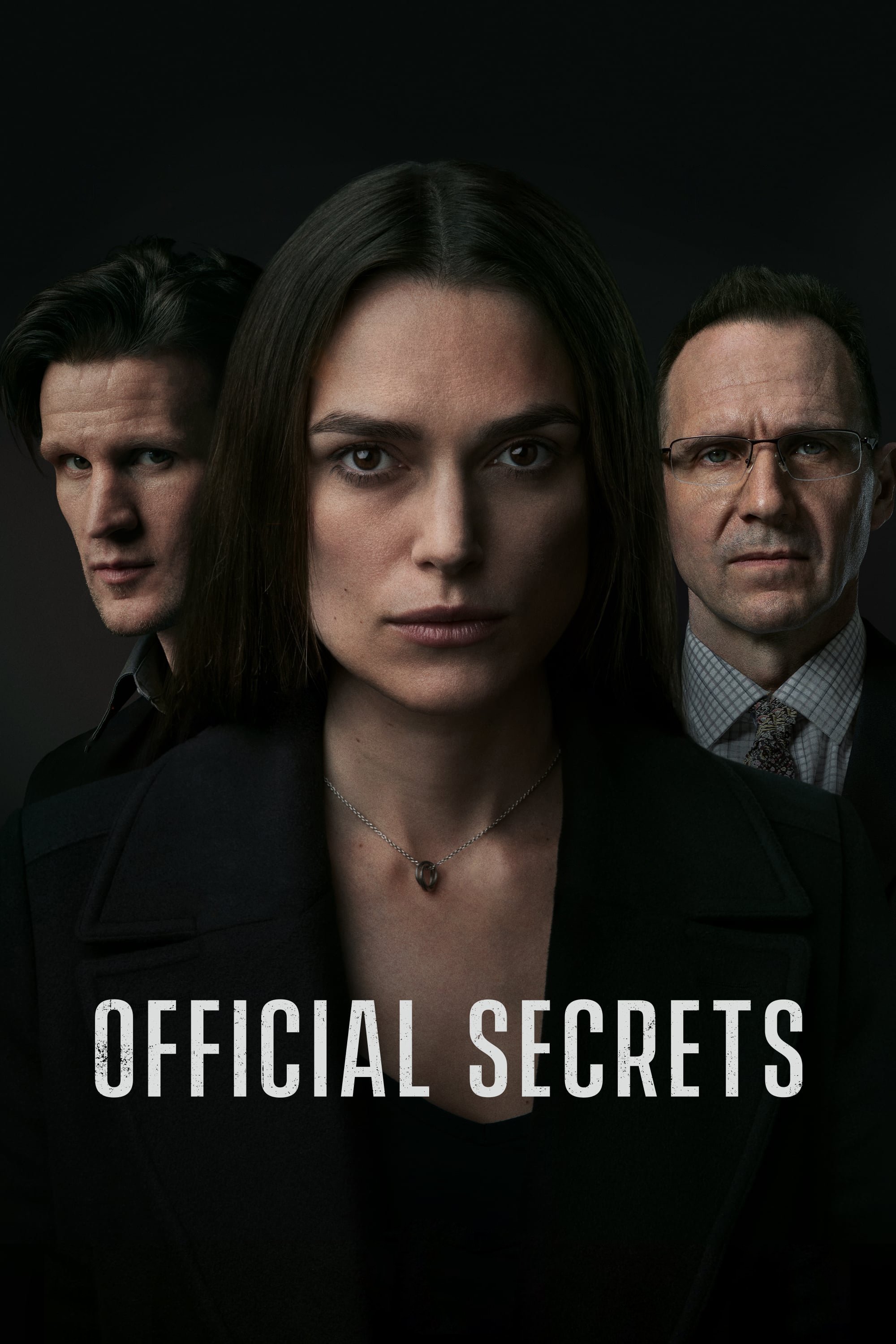

- UK release: October 2019
- Director: Gavin Hood · Writers: Gregory Bernstein, Sara Bernstein, Gavin Hood
- Studio / distributor: Entertainment One; Raindog Films; IFC Films
- Genre: Political thriller / whistleblower drama · Runtime: 112 minutes (BBFC 15)
- Main cast: Keira Knightley (Atonement, Pride & Prejudice) as Katharine Gun; Matt Smith (Doctor Who) as Martin Bright; Ralph Fiennes (Skyfall, The English Patient) as Ben Emmerson; Matthew Goode (The Imitation Game, Watchmen) as Peter Beaumont
- IMDb: 7.3 / 10 · Rotten Tomatoes: 82% critics / 89% audience · My rating: 8 / 10
Gavin Hood has been circling the machinery of the war on terror for over a decade now, from the extraordinary rendition of Rendition to the drone-strike ethics of Eye in the Sky, where a single decision rippled out through a chain of nervous politicians who all wanted someone else to sign for it. Official Secrets finds him on the same ground but a step earlier, back at the moment the Iraq War was still being sold rather than fought. It is the true story of Katharine Gun, a GCHQ translator who decided that a memo crossing her desk was worth losing everything over, and it is the kind of British institutional thriller that, when it works, I will watch again and again.
The setup
It is early 2003, and the drums are loud. Katharine Gun (Keira Knightley) spends her days in Cheltenham translating intercepted Mandarin for GCHQ, a quiet life of clearances and signed undertakings. Then an email arrives, circulated to the wider intelligence community, asking British agencies to help the Americans dig up dirt on UN Security Council delegates, leverage to push through a second resolution authorising the invasion. Gun reads it, decides it is a request to help rig a vote for a war, and prints it. From there the memo travels into the hands of Observer journalists, the paper has to decide whether it dare run it, and Gun has to decide whether she will let an innocent colleague take the fall. The personal cost arrives fast and lands hardest on her marriage, with an immigration twist that the state is happy to use as a lever.
The cast
This is the most controlled work Knightley has done in a while. She plays Gun not as a crusading heroine but as an ordinary, slightly stubborn person who has done one extraordinary thing and is now watching the ground open under her, and she keeps the fear and the conviction running at the same time. Matt Smith, as the Observer’s Martin Bright, gives the journalism strand its restless energy, a reporter who can smell the story and then has to prove it is not a hoax. Matthew Goode and Rhys Ifans fill out the newsroom with the bickering and the bravado that real papers run on. Ralph Fiennes arrives late, as defence lawyer Ben Emmerson, and brings the cool, withering precision the part needs, the sense of a man who has finally been handed the case he has been waiting his whole career to argue. The film is generous with its supporting players, and it pays off.
The craft
Hood directs this plainly, and plainly is the right call. Florian Hoffmeister’s camera keeps to muted greys and institutional interiors, the colour palette of waiting rooms and open-plan offices, and the film resists any urge to juice the tension with thriller flourishes. The structure is a relay: it hands the baton from Gun’s kitchen to the GCHQ floor to the newsroom to the courtroom, and the editing keeps each leg taut without ever quite letting you forget how the whole thing connects. Paul Hepker and Mark Kilian’s score stays low and tense, present without nudging you. There is one lovely, small piece of craft, the moment a single typo in a leaked document nearly kills the story, where procedure becomes suspense without a frame of action. The film trusts that the facts, laid out cleanly, are gripping enough. They are.
How it stacks up
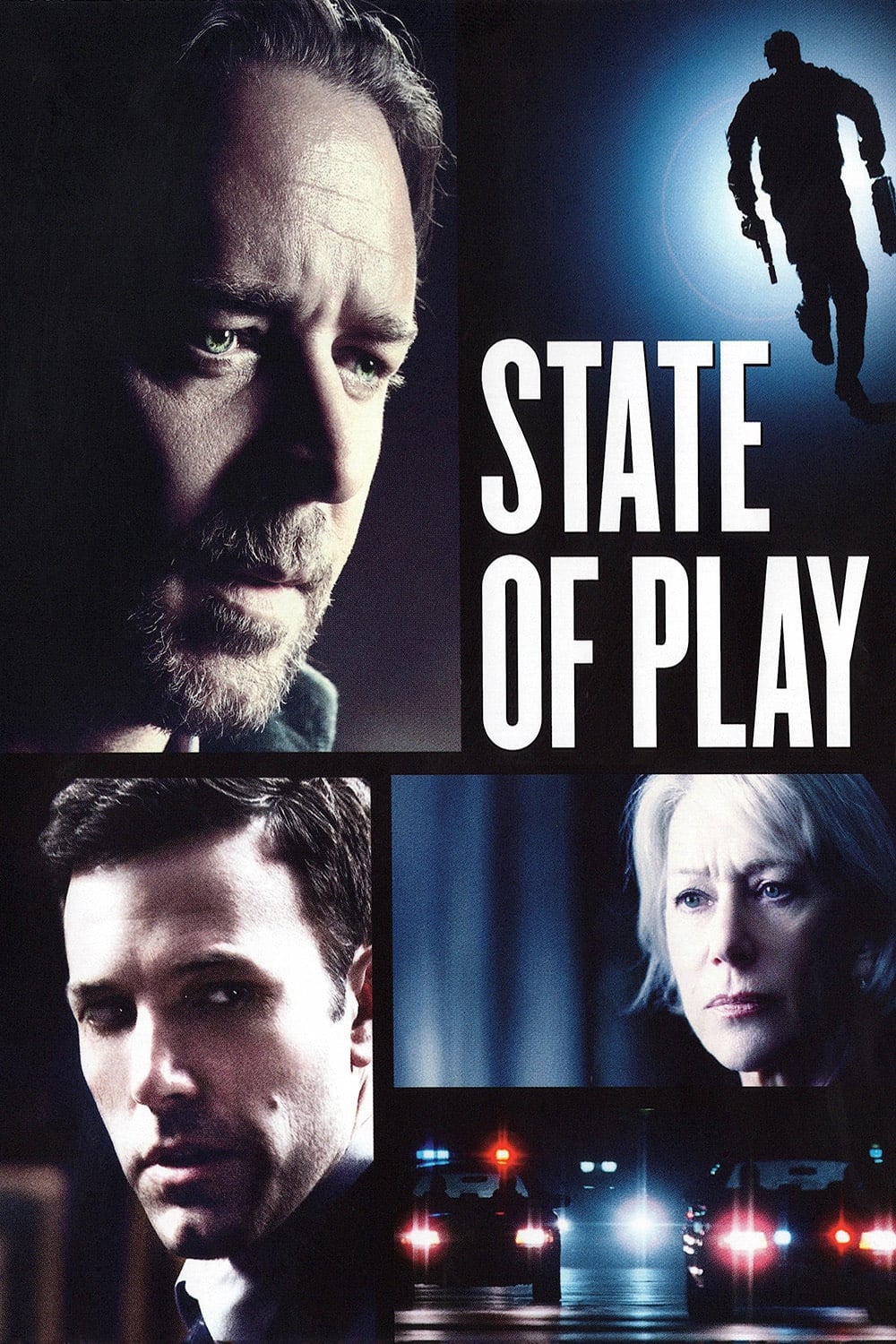
It sits squarely in a tradition I have a lot of time for. The newsroom half plays like State of Play, all phones and verification and editors weighing nerve against libel. The conscience half belongs with the better surveillance-and-conscience pictures, closer in temperature to Eye in the Sky than to anything flashier. If you have seen the run of films built on real intelligence and accountability, the spy who pays a private price for a public act, Official Secrets will feel familiar in shape. What it does not have is a twist or a flourish to call its own; it is content to tell a true thing well rather than reinvent the form. Set beside the cold-war elegance of Bridge of Spies, it is plainer and angrier, with less varnish and a sharper present-day sting.
Critics versus the rest of us
Critics are largely onside, sitting around 82%, with most of the praise pointed at Knightley and the moral clarity, and the standard reservation being that the presentation is conventional and the message never in doubt. Audiences are warmer still, up near 89%, which tracks with my own reaction: this is a film that plays better than its reviews because the pleasures it offers, competence, conviction, a real story told without fuss, are exactly the ones a slightly cool critical notice tends to undervalue. The complaint that it is conventional is true and beside the point. Not every true story needs to be told sideways.
Verdict
What I want from this kind of film is intelligence, momentum, and the sense that the people involved are paying for their choices, and Official Secrets delivers all three without straining. It is unshowy, well acted, and properly tense in the institutional way I keep coming back to, the long British thriller of clearances, lawyers and editors holding their nerve. It does not break new ground, and the second half leans hard on the legal machinery, but it earns its outrage honestly and it is eminently rewatchable. A solid, gripping, grown-up film that knows exactly what it is doing. 8⁄10.
Availability: On general release in UK cinemas now, distributed by Entertainment One, with a DVD and Blu-ray release to follow before the year is out.
Update
Added since this review first appeared: the film has settled in as one of the stronger British whistleblower dramas of its decade, and it pairs naturally with the wave of real-intelligence pictures that followed, The Report the same year and The Courier soon after, all working the same seam of conscience against the state. Katharine Gun’s case, dropped by the prosecution before it reached trial, remains one of the quietly extraordinary footnotes of the Iraq War. It is now widely available on disc and digital, and streams across various subscription platforms depending on your region.
BBFC content advice
Rated 15 by the BBFC for very strong language. The notes below may contain spoilers.
Language: There is infrequent very strong language (‘ct’), strong language (‘fk’) and use of milder terms (‘bloody’, ‘god’, ‘shit’, ‘Christ’, ‘Jesus’, ‘friggin’).
Additional issues: The film includes a moderate sex scene and brief sight of dead bodies.
Source: British Board of Film Classification (bbfc.co.uk).