- UK release: April 2021
- Director: Kevin Macdonald · Writers: M. B. Traven, Rory Haines, Sohrab Noshirvani
- Studio / distributor: BBC Film; SunnyMarch; STXfilms (Amazon Prime Video in the UK)
- Genre: Legal drama / political true-story thriller · Runtime: 129 minutes (BBFC 15)
- Main cast: Tahar Rahim (A Prophet) as Mohamedou Ould Slahi; Jodie Foster (The Silence of the Lambs, Contact) as Nancy Hollander; Benedict Cumberbatch (The Imitation Game, Sherlock) as Lt Col Stuart Couch; Shailene Woodley (The Descendants, Divergent) as Teri Duncan
- Rotten Tomatoes: 75% critics / 84% audience · My rating: 7.5 / 10
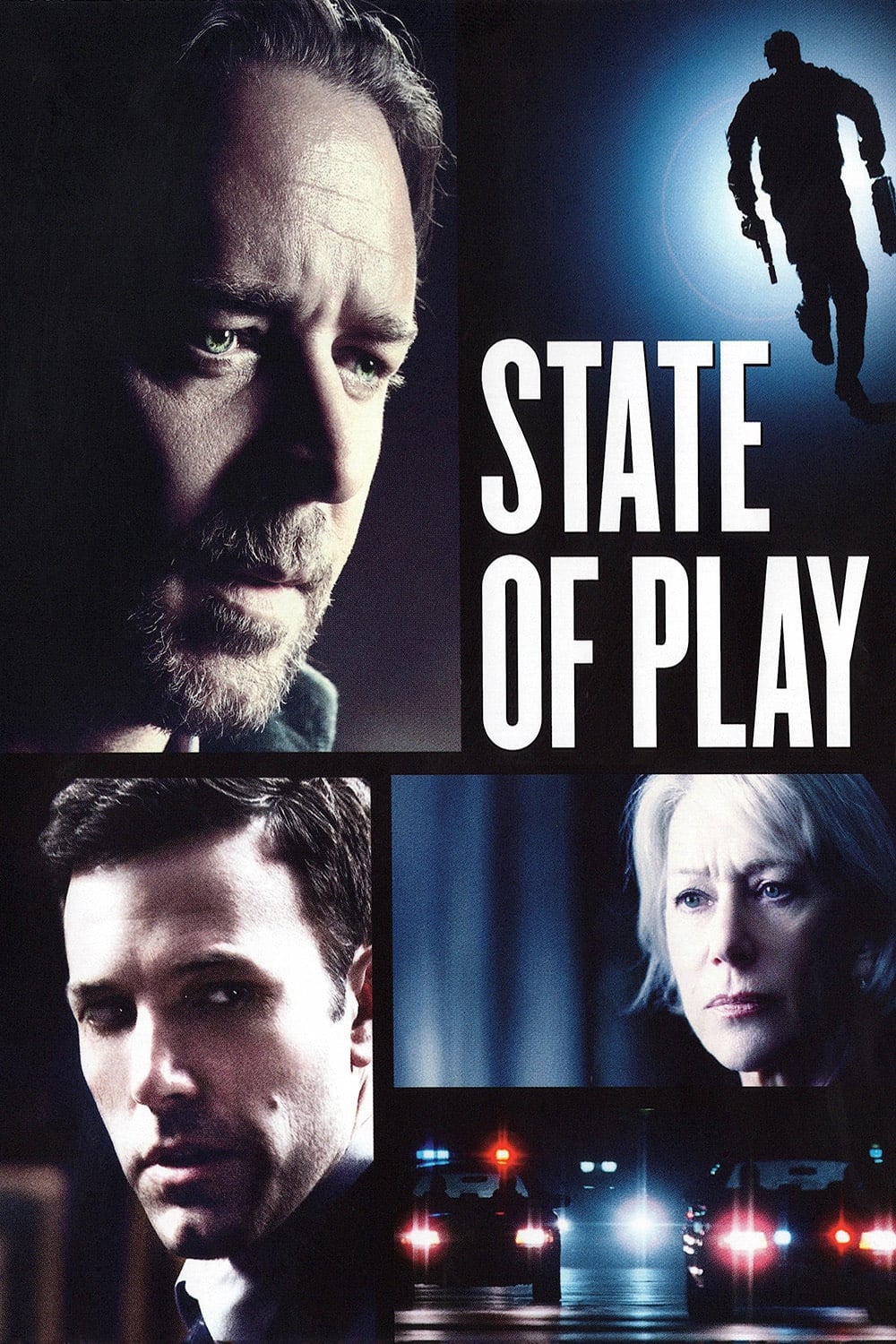
Kevin Macdonald has spent a career circling people the official record would rather we did not look at too closely: the dictator in The Last King of Scotland, the dead climber in Touching the Void, the murky favour-trading of State of Play. The Mauritanian is the most directly political film he has made, and the trickiest, because it asks a Prime Video audience to sit with a man most of the West was told to fear and then to question why he was ever there at all. It is adapted from Mohamedou Ould Slahi’s Guantanamo Diary, a memoir written, extraordinarily, while its author was still inside the camp. The film that results is sober, careful, and at its best when it stops being a courtroom drama and becomes a portrait of endurance.
The setup
Mohamedou Ould Slahi (Tahar Rahim) is picked up in Mauritania in the weeks after September 2001 and disappears into Guantanamo Bay, held for years without charge on the suspicion that he is a recruiter for al-Qaeda. Defence lawyer Nancy Hollander (Jodie Foster) and her associate Teri Duncan (Shailene Woodley) take his case, not because they are sure of his innocence but because they are sure the process has stopped being one. On the other side, military prosecutor Stuart Couch (Benedict Cumberbatch) builds the case against him, and finds that the deeper he reads into how the evidence was obtained, the less he can stomach using it. The film moves between the two legal teams and Slahi’s cell, with the truth of what he did or did not do held back as a question rather than handed over as an answer.
The cast
Tahar Rahim is the reason the film works. Slahi could easily have become a symbol, a cause with a face, and Rahim keeps him stubbornly human: charming, frightened, sardonic, sometimes infuriatingly opaque even to the people trying to free him. It is the most arresting screen work he has done since A Prophet, and it carries the same quality of a man calculating how to survive a system designed to break him. Jodie Foster plays Hollander as cool and unsentimental, a lawyer interested in the law rather than the man, which is a harder and more interesting choice than warmth would have been. Cumberbatch, working in a careful Carolinas accent, gives Couch the film’s moral hinge, a believer slowly losing faith in his own brief. Woodley has the least to do, the audience surrogate asking the obvious questions, and does it without fuss.
The craft
Macdonald and cinematographer Alwin Kuchler split the film into two visual registers: a flat, bureaucratic present of grey offices and redacted paper, and the warmer, almost hallucinatory texture of Slahi’s memory and captivity, shot in a boxed-in older aspect ratio that tightens around him as the pressure mounts. The interrogation sequences, when they come, are the strongest stretch of filmmaking here, a sustained passage of sensory disorientation that earns the film its certificate and refuses to look away. Tom Hodge’s score stays restrained, and Justine Wright’s editing keeps a two-hour legal procedural moving more briskly than it has any right to. Where the craft is less sure is the framing device, which leans on the familiar shape of the case-file thriller, dossiers and depositions and a redaction reveal, when the material in the cell is far more powerful than the paperwork around it.
How it stacks up
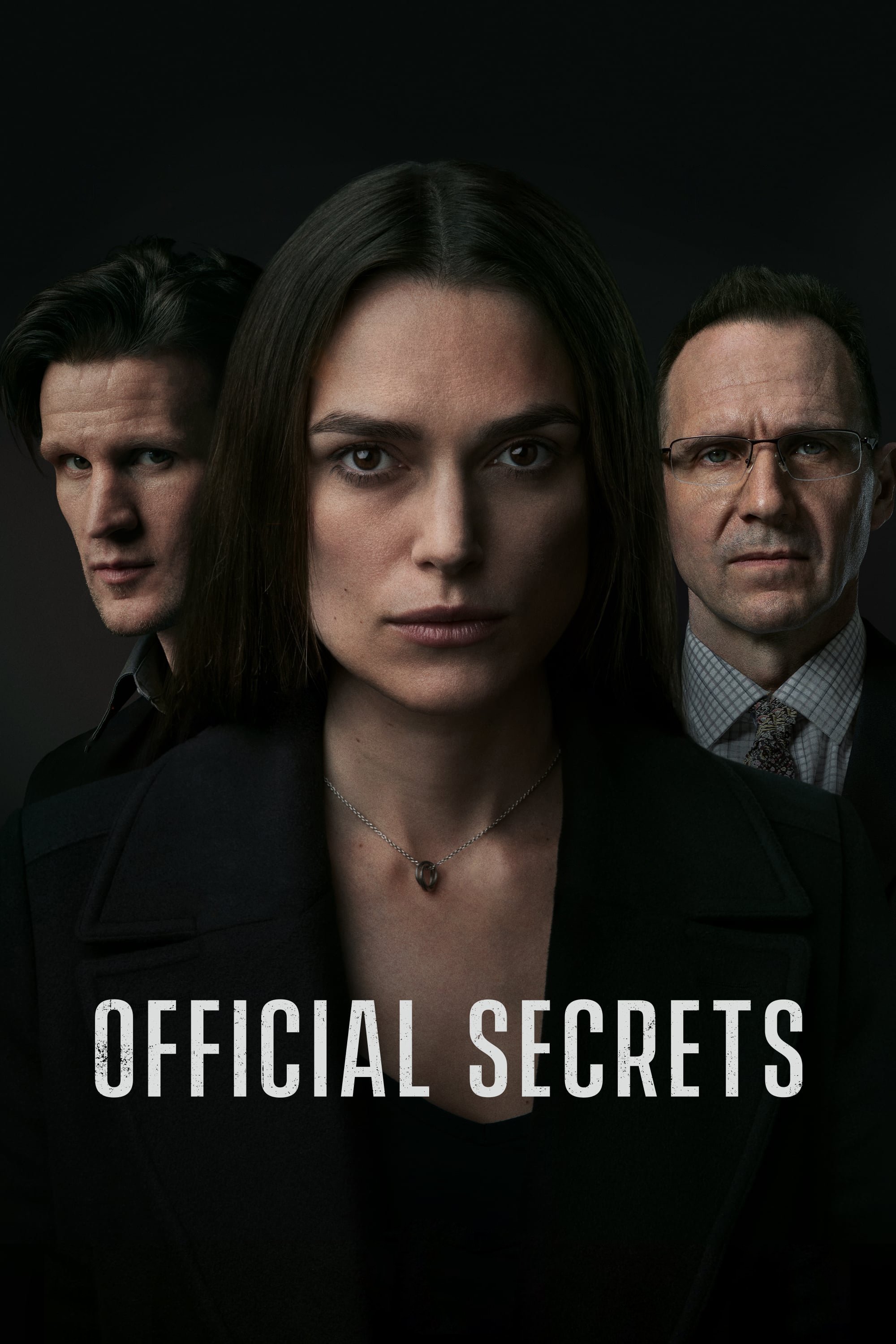
This is a crowded shelf. The Mauritanian sits squarely alongside The Report, Scott Z. Burns’s chilly anatomy of the same interrogation programme, and shares DNA with Official Secrets and the institutional-conscience strand of Bridge of Spies. Against Zero Dark Thirty, which dramatised the hunt from the agency’s side, this is the view from the cell, and the comparison flatters neither film entirely: Bigelow’s had more momentum, Macdonald’s has more humanity. The closest match is The Report, and where that film was almost forensically cold, The Mauritanian gambles on the man rather than the mechanism. It is the warmer film, and the more conventional one.
Critics versus the rest of us
The split is the familiar one for a film like this. Critics sit around 75%, respectful of the performances and a little impatient with the structure, the recurring note being that a story this urgent has been poured into a slightly safe true-crime mould. Audiences are warmer, up at 84%, which usually means the picture lands emotionally even when it does not surprise. Both readings are right. The screenplay does play it down the middle, hitting the procedural beats you can see coming. What lifts it above the script is Rahim, and a subject that does not need embellishing to disturb you.
Verdict
This is a film I respect more than I love, which is roughly where I expected to land. The subject matter is heavy and deliberately so, the legal scaffolding is sturdy rather than thrilling, and it is not a film I will reach for on a quiet evening. But the central performance is genuinely fine, the interrogation passages have real moral weight, and it does the useful work of putting a face and a voice to a piece of recent history a lot of people would prefer to forget. It does not reinvent the institutional-investigation drama, and it does not need to. As a serious, well-made account of an indefensible process, it earns its place on the shelf next to The Report and Official Secrets. 7.5⁄10.
Availability: Streaming on Amazon Prime Video in the UK from 1 April 2021, after cinemas stayed shut through the spring.
Update
Added since this review first appeared: Tahar Rahim’s performance went on to be the film’s most decorated element, earning a BAFTA nomination and a Golden Globe nomination for Best Actor, with Jodie Foster taking the Golden Globe for Best Supporting Actress. The real Mohamedou Ould Slahi, released from Guantanamo in 2016, has since become a public speaker and advocate, and appears in conversation alongside the film on several home-video releases. It remains available to stream on Amazon Prime Video and on disc.
BBFC content advice
Rated 15 by the BBFC for sexual violence, strong threat, violence, language. The notes below may contain spoilers.
Violence: Scenes of violence include one in which a prisoner is force-fed, and a prolonged scene in which his head is held underwater. The prisoner also bears the marks of violence in scenes in which he has a cut and bruised face.
Threat and horror: Scenes of sustained threat include those in which a prisoner is subjected to sensory deprivation whilst being forced to stand in a painful position, with loud and discordant music played to further disorientate the man, and scenes in which the man is hooded and threatened.
Sexual violence: In one scene, a shackled male prisoner seated in a chair is subjected to sexual violence by a masked female soldier who straddles him and forces him to engage in sexual activity. The film also contains verbal references to sexual violence, including threats of rape.
Language: There is strong language (‘motherfker’, ‘fk’), as well as milder terms (for example, ‘shit’, ‘bullshit’, ‘son of a bitch’, ‘piss’).
Additional issues: The work contains flashing images which may affect viewers who are susceptible to photosensitive epilepsy. Scenes feature injury detail, emotional distress, and discriminatory language not endorsed by the work as a whole.
Source: British Board of Film Classification (bbfc.co.uk).