- UK release: March 2012
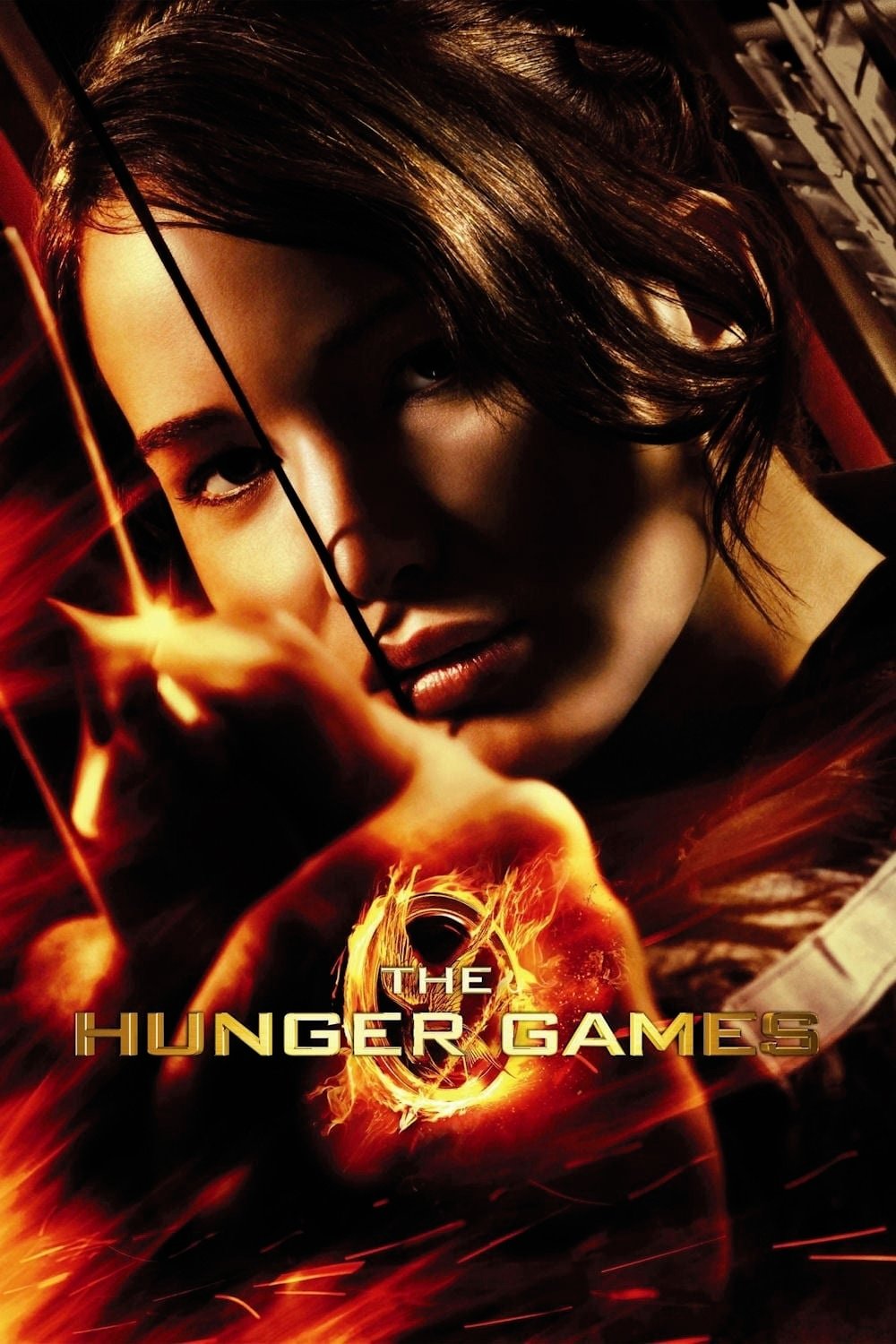
- Director: Gary Ross · Writers: Gary Ross, Suzanne Collins, Billy Ray
- Studio / distributor: Lionsgate; Color Force
- Genre: Dystopian young-adult science fiction / survival thriller · Runtime: 142 minutes (BBFC 12A)
- Main cast: Jennifer Lawrence (Winter’s Bone, X-Men: First Class) as Katniss Everdeen; Josh Hutcherson (Bridge to Terabithia, The Kids Are All Right) as Peeta Mellark; Liam Hemsworth (The Last Song) as Gale Hawthorne; Woody Harrelson (Zombieland) as Haymitch Abernathy; Elizabeth Banks (Seabiscuit) as Effie Trinket
- Rotten Tomatoes: 84% critics / 81% audience · My rating: 8 / 10
Adapting a teen bestseller is a thankless job. Get it wrong and you have alienated a few million readers who already own the definitive version in their heads; get it right and the credit usually goes to the book. Suzanne Collins sold a great many copies of a story about children killing children for television, and the obvious worry going in is that Lionsgate would sand the edges off until nothing was left but a love triangle and a logo. What Gary Ross has made instead is a surprisingly stern picture, harder and more controlled than the franchise machinery around it would suggest, and it has a lead performance good enough to carry the weight the script keeps handing her.
The setup
Panem is what is left of North America after the collapse: a gleaming Capitol feeding off twelve impoverished districts kept in line by an annual ritual of punishment. Each district must send two teenagers, chosen by lottery, into the Hunger Games, a televised fight to the last survivor staged in an engineered wilderness. When the lottery picks her twelve-year-old sister, Katniss Everdeen (Jennifer Lawrence) volunteers to go in her place, and is shipped off to the Capitol alongside Peeta Mellark (Josh Hutcherson), the baker’s son who has reasons of his own to want her to live. Before any of them set foot in the arena, the contestants are styled, interviewed and sold to sponsors, because survival here depends as much on being watched as on being able to fight.
The cast
Jennifer Lawrence is the reason the film works. Katniss is guarded, practical and not especially likeable in the conventional sense, and Lawrence resists every temptation to soften her into a sweetheart. She plays a girl doing arithmetic under pressure, and the performance lives in the small calculations behind the eyes rather than in speeches. After Winter’s Bone this is not a shock, but doing it inside a tentpole is a different test, and she passes it. Josh Hutcherson gives Peeta the right note of a boy who understands that charm is a survival tool. Woody Harrelson, as the soused former victor Haymitch, supplies the cynicism and most of the few laughs, and Stanley Tucci’s chat-show host is a small comic masterstroke, all teeth and television warmth wrapped around something cold. Elizabeth Banks, buried under Capitol lacquer as the chaperone Effie, makes absurdity into character rather than costume.
The craft
Ross shoots the districts in washed-out, hand-held grey and the Capitol in lurid candy colour, and the contrast does a lot of the world-building before anyone explains anything. The design work is strong: the trains, the costumes, the obscene abundance of the Capitol against the hunger of District 12. The handheld camera is the film’s main misstep. In the early arena combat it gets so frantic that the violence dissolves into a blur, which keeps the rating down but also robs some sequences of clarity and weight. James Newton Howard’s score knows when to stay out of the way. The film is long at over two hours and earns most of it, slowing only in the run-up to the Games while it works through the rituals of selection and spectacle.
How it stacks up
The premise is not new, and the film does not pretend otherwise. Battle Royale got to the children-killing-children arena more than a decade ago and with far less restraint, and The Running Man turned state-sponsored bloodsport into television back in the 1980s. The thread running back to Lord of the Flies is older still. What this version has over the gorier Battle Royale is the media satire: the stylists, the sponsors, the interviews, the sense that the deadliest skill in the arena is knowing how to perform for the cameras. It is sharper on that than most reality-television satire manages, and closer in spirit to The Truman Show than to the action films it will be shelved beside.
Critics versus the rest of us
Critics are broadly on side, sitting around 84%, with the praise going to Lawrence and the world-building and the reservations going to the shaky action photography and the compression of the novel’s interior voice. Audiences are a notch behind at 81%, which is roughly the gap you expect between readers who wanted every page and viewers who wanted a film. Both numbers feel about right to me. The book carries a running internal commentary that the film mostly cannot, so some of the political weight thins out on screen, but what survives is more than enough.
Verdict
This is a better film than the young-adult shelf had any right to deliver, and a genuinely uncomfortable one in places, which is to its credit given how easy it would have been to neuter. The satire lands, the world holds together, and Lawrence gives it a centre of gravity that most franchise launches would kill for. The wobbly camera and the softened violence are real costs, and the back half settles into more familiar survival-thriller rhythms. None of that stops it being the rare adaptation I would happily sit through again. 8⁄10.
Availability: On general release in UK cinemas now.
Update
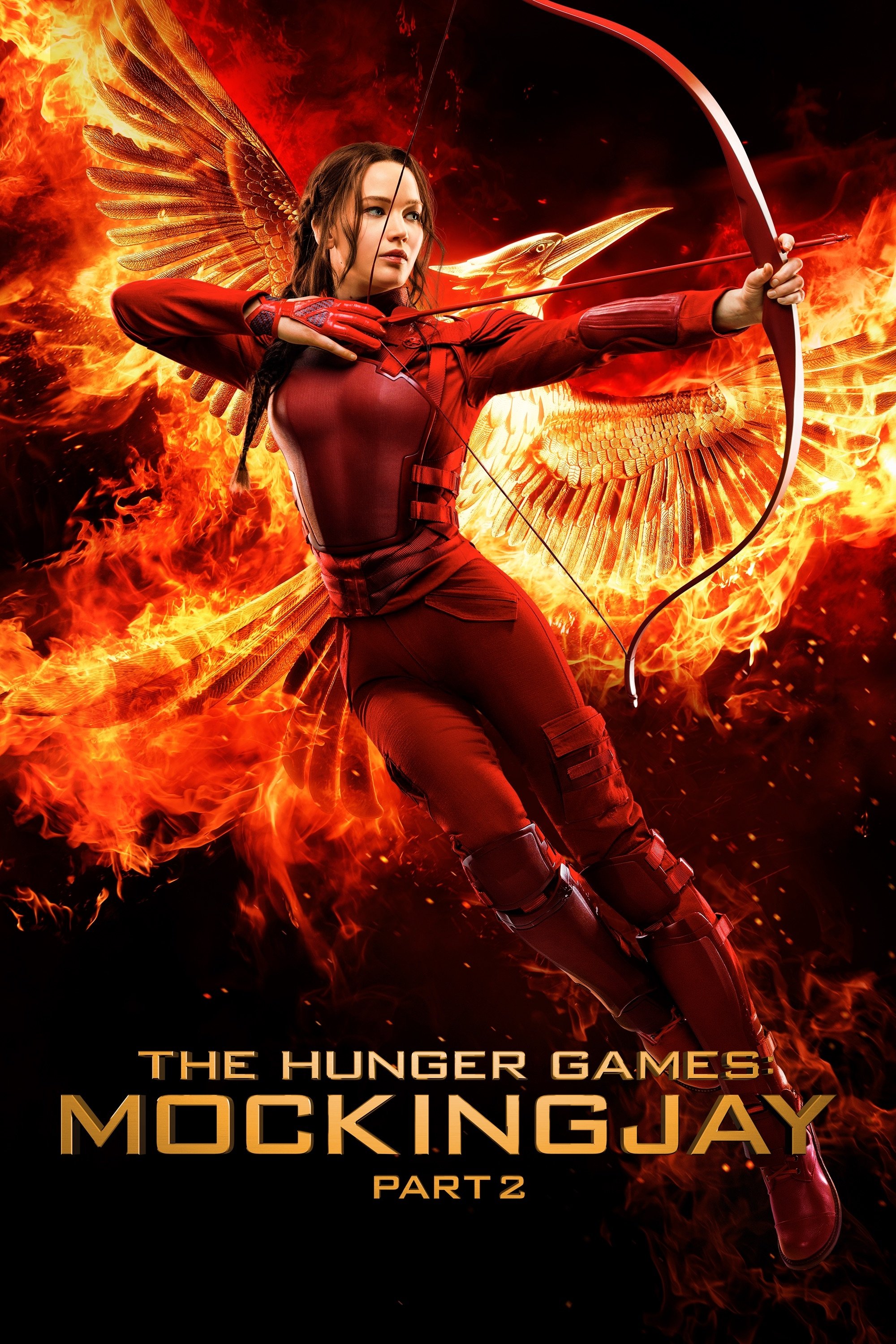
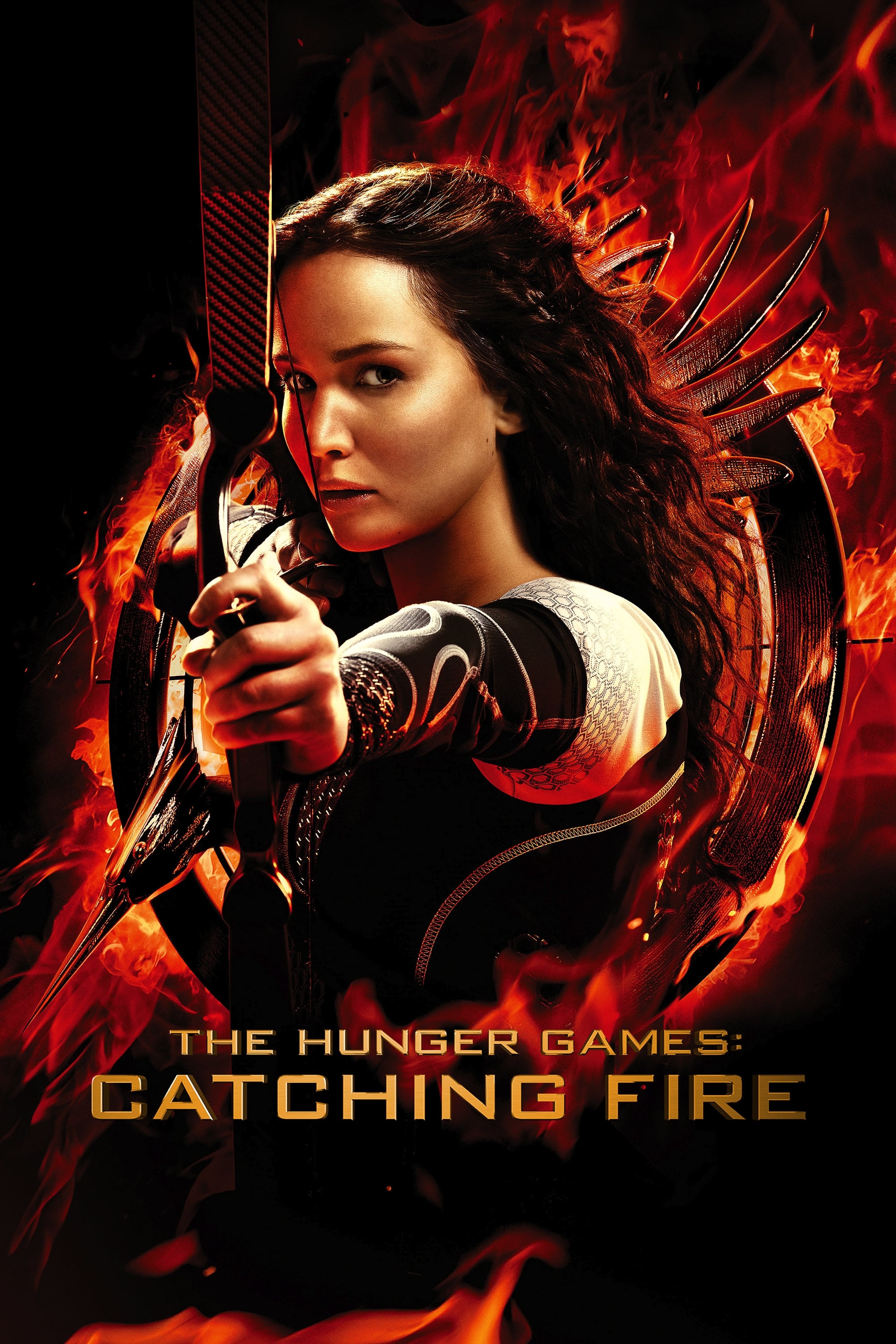
Added since this review first appeared: this turned out to be the start of a four-film run, with Catching Fire (2013) widely judged the strongest of the set and the Mockingjay novel split across two films. The picture launched Jennifer Lawrence into the front rank and helped open the floodgates for dystopian young-adult adaptations, Divergent and The Maze Runner among them, few of which matched it. It is now on disc and digital and streams on the usual platforms depending on region, and the series has since gained a prequel in The Ballad of Songbirds and Snakes (2023).
BBFC content advice
Rated 12A by the BBFC for intense threat, moderate violence and occasional gory moments. The notes below may contain spoilers.
Violence: There are sequences in which young characters are required to fight each other to the death. This includes sight of characters being stabbed and shot with arrows. In the 15 rated version there is some emphasis on bloody detail, while the 12 rated version features less focus on blood.
Threat and horror: There is a moderate sense of threat throughout as the young characters avoid being attacked and killed by other characters. There are also scenes in which characters are threatened and attacked by fantasy animal creatures, some of which resemble wolves.
Injury detail: There is sight of wounds and blood in the aftermath of violence, including sight of wounds being tended.
Language: There is some very mild bad language, such as ‘damn’ and ‘hell’.
Sex: A couple have a relationship. However, this is limited to kissing and there is no sight of sexual activity.
Theme: Younger children may be upset and disturbed by the idea of young people being required to fight to the death as a form of TV entertainment.
Alcohol and smoking: Adult characters drink. One character is an alcoholic.
Source: British Board of Film Classification (bbfc.co.uk).