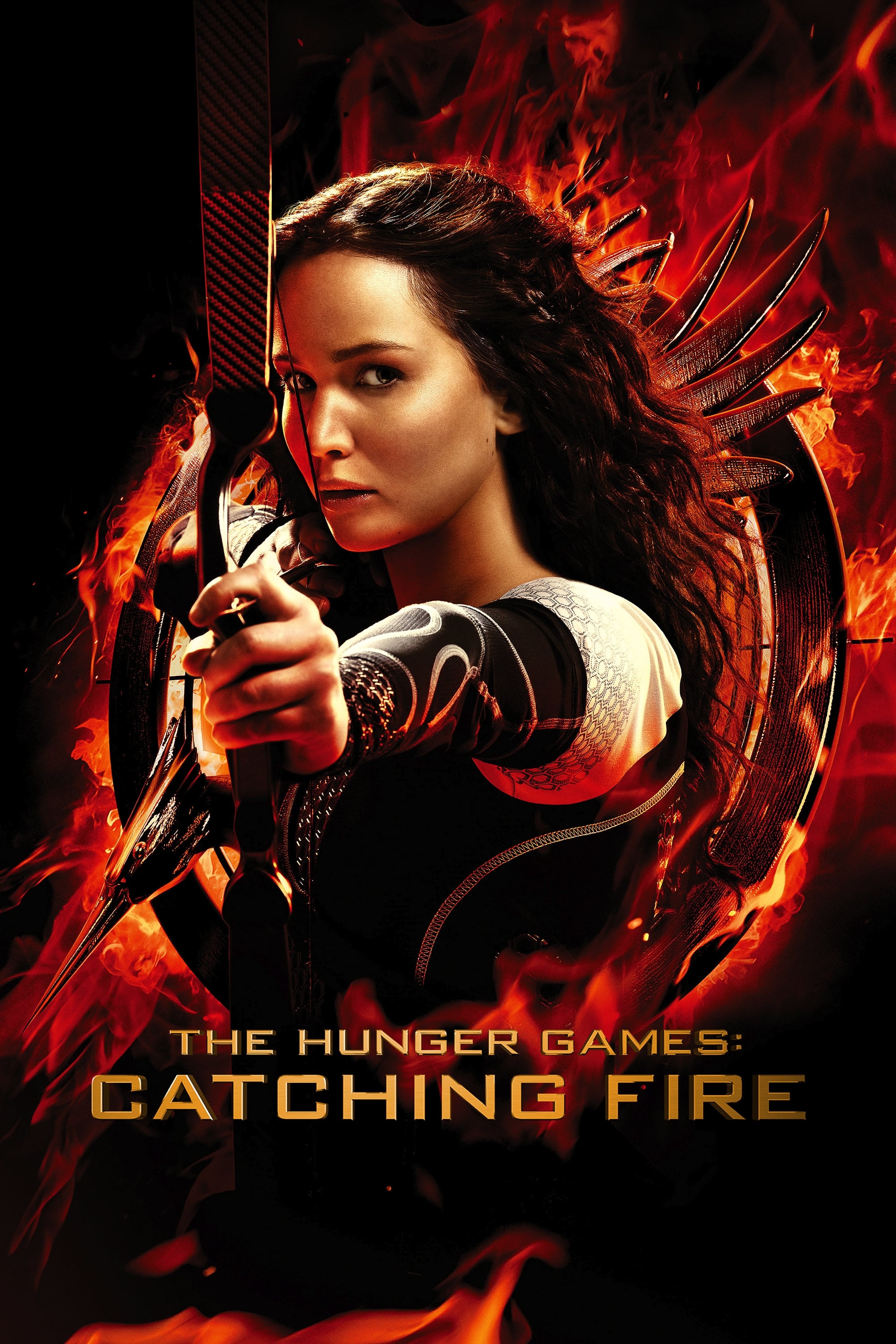
- UK release: November 2013
- Director: Francis Lawrence · Writers: Simon Beaufoy, Michael Arndt
- Studio / distributor: Lionsgate; Color Force
- Genre: Dystopian young-adult science fiction / political thriller · Runtime: 146 minutes (BBFC 12A)
- Main cast: Jennifer Lawrence (Winter’s Bone, X-Men: First Class) as Katniss Everdeen; Josh Hutcherson (Bridge to Terabithia) as Peeta Mellark; Donald Sutherland (*M*A*SH, Ordinary People) as President Snow; Philip Seymour Hoffman (Capote, Mission: Impossible III) as Plutarch Heavensbee
- IMDb: 7.5 / 10 · Rotten Tomatoes: 90% critics / 89% audience · My rating: 8.5 / 10
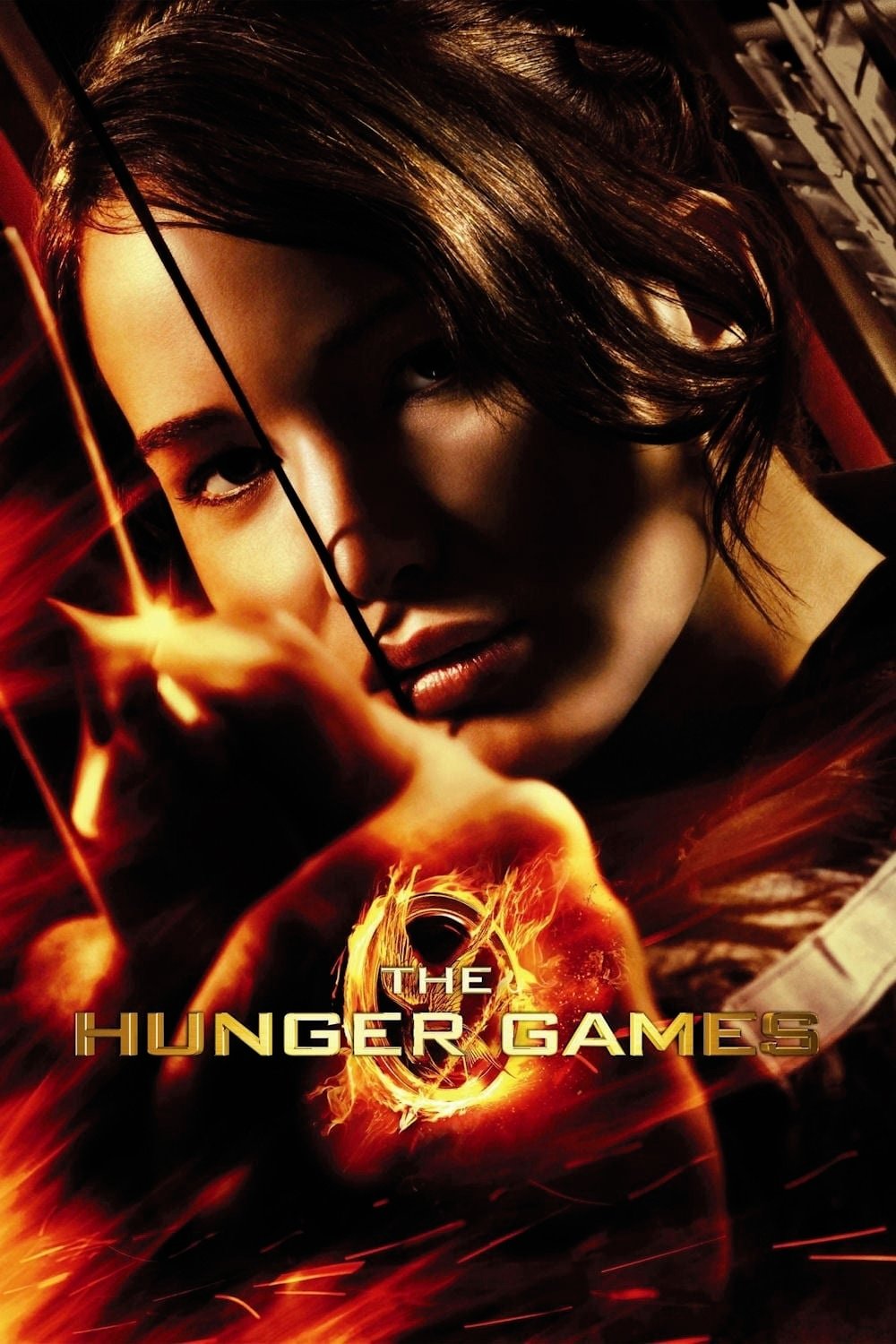
The first Hunger Games, last year, did the difficult job of selling a brutal premise to a teenage audience and a nervous censor at the same time, and it managed it by softening the edges: shaky cameras over the worst of the violence, a heroine more frightened than furious. Catching Fire has no such caution. Gary Ross has stepped aside and Francis Lawrence, who made I Am Legend and Constantine, has taken over, and the change shows in the very first reel. This is a bigger, colder, more confident film than its predecessor, and the rare franchise sequel that is plainly better than the thing it follows.
The setup
Katniss Everdeen (Jennifer Lawrence) and Peeta Mellark (Josh Hutcherson) survived the arena by refusing to die on cue, and their joint victory has become a problem the Capitol cannot ignore. Their defiance has lit something in the districts, and President Snow (Donald Sutherland) wants it put out before it spreads. The pair are sent on a victory tour that is really a loyalty test, smiling for the cameras while the country smoulders around them. When Snow announces a special edition of the Games drawn from past winners, the meaning is clear enough: the one symbol of hope the districts have left is to be sent back into the arena to be killed off in public. I will leave the arena itself for you to discover, beyond saying that it is a sharper piece of design than the first film’s woodland.
The cast
Jennifer Lawrence is the reason this works as well as it does. She plays Katniss as someone genuinely worn down by survival, jumpy, guarded, furious at being made into a poster, and she carries the public-performance scenes and the private breakdowns with equal conviction. Hutcherson’s Peeta is the warmer half of the double act, and the film is honest about how much of their romance is staged for an audience and how much has quietly become real. The new faces earn their place. Donald Sutherland turns Snow into a study in soft-spoken menace, a man who never raises his voice because he has never needed to, and Philip Seymour Hoffman arrives as gamemaker Plutarch Heavensbee and keeps you guessing about exactly whose side he is on. Woody Harrelson and Elizabeth Banks return and are given more to do, and Sam Claflin’s Finnick walks in as the kind of preening charmer you are meant to distrust and then do not.
The craft
Francis Lawrence brings a steadier hand and a much clearer eye than the first film had. Jo Willems shoots the Capitol as a place of grotesque excess and the districts as grey and exhausted, and the contrast does more political work than any line of dialogue. The arena, when it arrives, is built on a clever idea that I will not spoil, and it lets the staging move with a logic the original’s free-for-all never had. James Newton Howard’s score knows when to push and, more usefully, when to go quiet. At nearly two and a half hours the film takes its time over the first act, lingering in the districts before any blood is spilled, and that patience pays off: by the time the Games begin you understand exactly what is at stake and why this set of contestants behaves nothing like the last.
How it stacks up
The obvious ancestor is Battle Royale, the Japanese film that did children-killing-children with far less restraint, and Catching Fire is plainly the polite Western cousin. The more flattering comparison is The Empire Strikes Back: a middle chapter that darkens the world, widens the politics and ends by leaving its heroes worse off than it found them. It is a better film than its own first instalment for the same reasons Empire was, more confident, less concerned with explaining itself, and willing to be bleak. Set beside the wave of young-adult dystopias arriving in its wake, this is the one with actual ideas about power and propaganda under the spectacle.
Critics versus the rest of us
Critics are unusually warm, sitting around 90%, and audiences are right behind them at 89%, with the common line that the sequel outdoes the original on scale, politics and Lawrence’s performance. For once I am close to the consensus rather than arguing with it. The only real reservation is structural: this is the middle film of a series, so it ends on a deliberate cliff-edge rather than a resolution, and how much that bothers you depends on your patience for being made to wait. Otherwise the praise is earned.
Verdict
This is a smarter, angrier film than a teen franchise sequel has any right to be, with a lead performance holding the whole thing together and a streak of genuine political nerve under the action. The surveillance, the staged romance, the propaganda machinery, the sense of a controlling state watching its citizens perform loyalty, all of it is the sort of thing I happily come back to, and it is eminently rewatchable. It loses a little for being so plainly a bridge to the next instalment rather than a complete story in itself. That aside, it does what the best franchise sequels do, which is make you reconsider the first film and want the next one immediately. 8.5⁄10.
Availability: On general release in UK cinemas now, including IMAX, where the arena sequences were shot to fill the larger frame.
Update
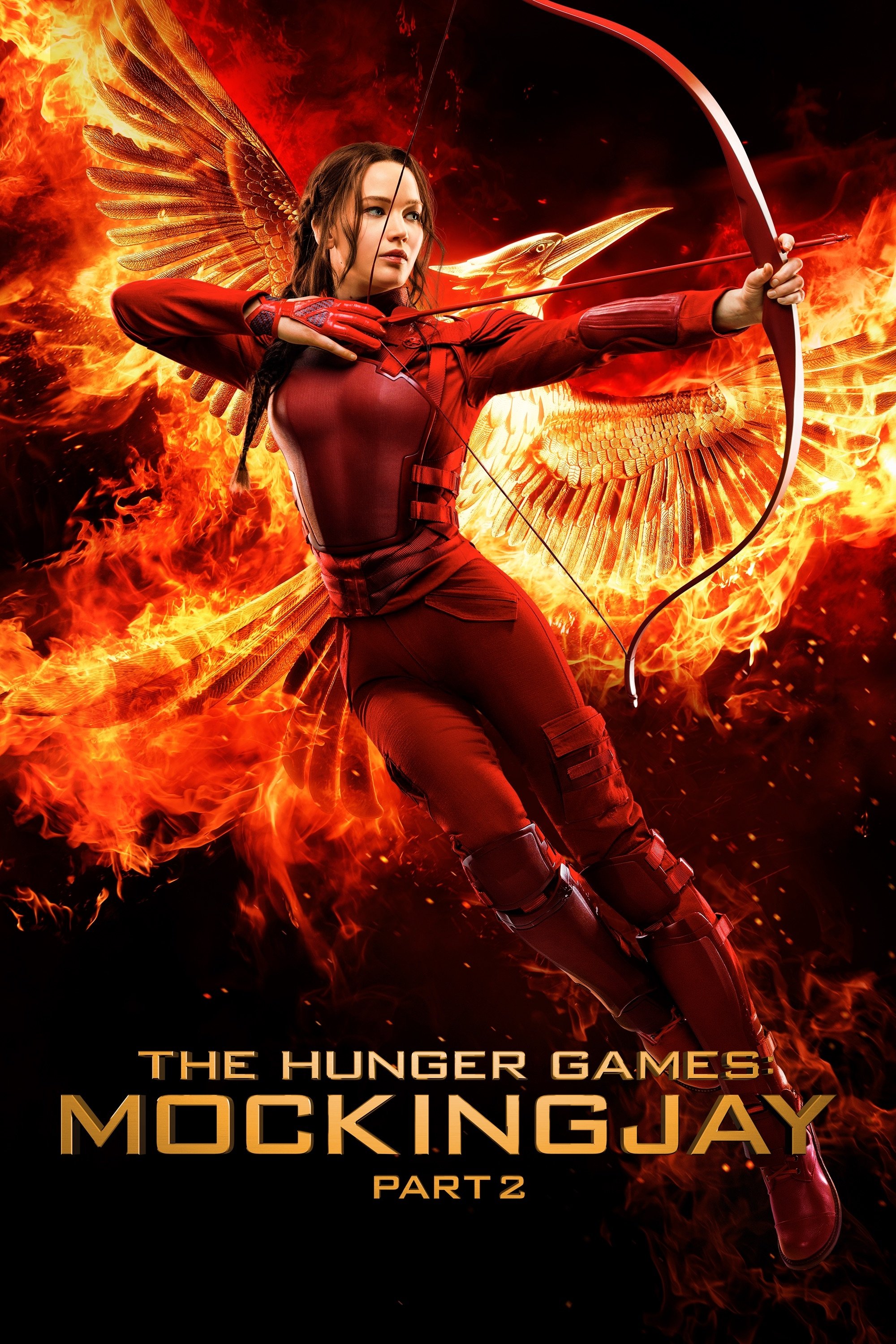
Added since this review first appeared: the cliff-edge ending led straight into The Hunger Games: Mockingjay (split across two films in 2014 and 2015), which carried the rebellion through to its end with diminishing returns, leaving Catching Fire widely regarded as the high point of the series. Philip Seymour Hoffman died during the Mockingjay shoot, making this one of his last completed roles. The film is now available on disc and digital and streams across the major platforms depending on region, with the whole quartet periodically bundled together.
BBFC content advice
Rated 12A by the BBFC for moderate violence and threat, and infrequent strong language. The notes below may contain spoilers.
Violence: There are a number of scenes of moderate violence, including sight of a man being flogged by soldiers. This results in brief sight of the man’s bloodied back.
Threat and horror: During a dangerous and violent competition, the main character is constantly under threat, from other contestants, from poisonous gas, and from a rampaging gang of baboons.
Language: The film contains two bleeped, but clearly identifiable, uses of strong language (‘f**k’). There is also infrequent use of milder bad language, including ‘shit’.
Sex: There are some mild sexual references, including to ‘sleeping with’ people.
Injury detail: There is sight of wounds and blood in the aftermath of violence, including sight of wounds being tended.
Nudity: In one scene a young woman removes her clothes. However, her back is to camera and there is no clear detail of nudity.
Alcohol and smoking: Adult characters drink. One character is an alcoholic.
Source: British Board of Film Classification (bbfc.co.uk).