- UK release: May 2015
- Director: Brad Bird · Writers: Damon Lindelof; Brad Bird
- Studio / distributor: Walt Disney Pictures; Walt Disney Studios Motion Pictures
- Genre: Science fiction adventure / family mystery · Runtime: 130 minutes (BBFC 12A)
- Main cast: George Clooney (Ocean’s Eleven, Gravity) as Frank Walker; Britt Robertson as Casey Newton; Raffey Cassidy (Snow White and the Huntsman, Dark Shadows) as Athena; Hugh Laurie (Stuart Little) as David Nix
- IMDb: 6.4 / 10 · Rotten Tomatoes: 50% critics / 49% audience · My rating: 7.5 / 10
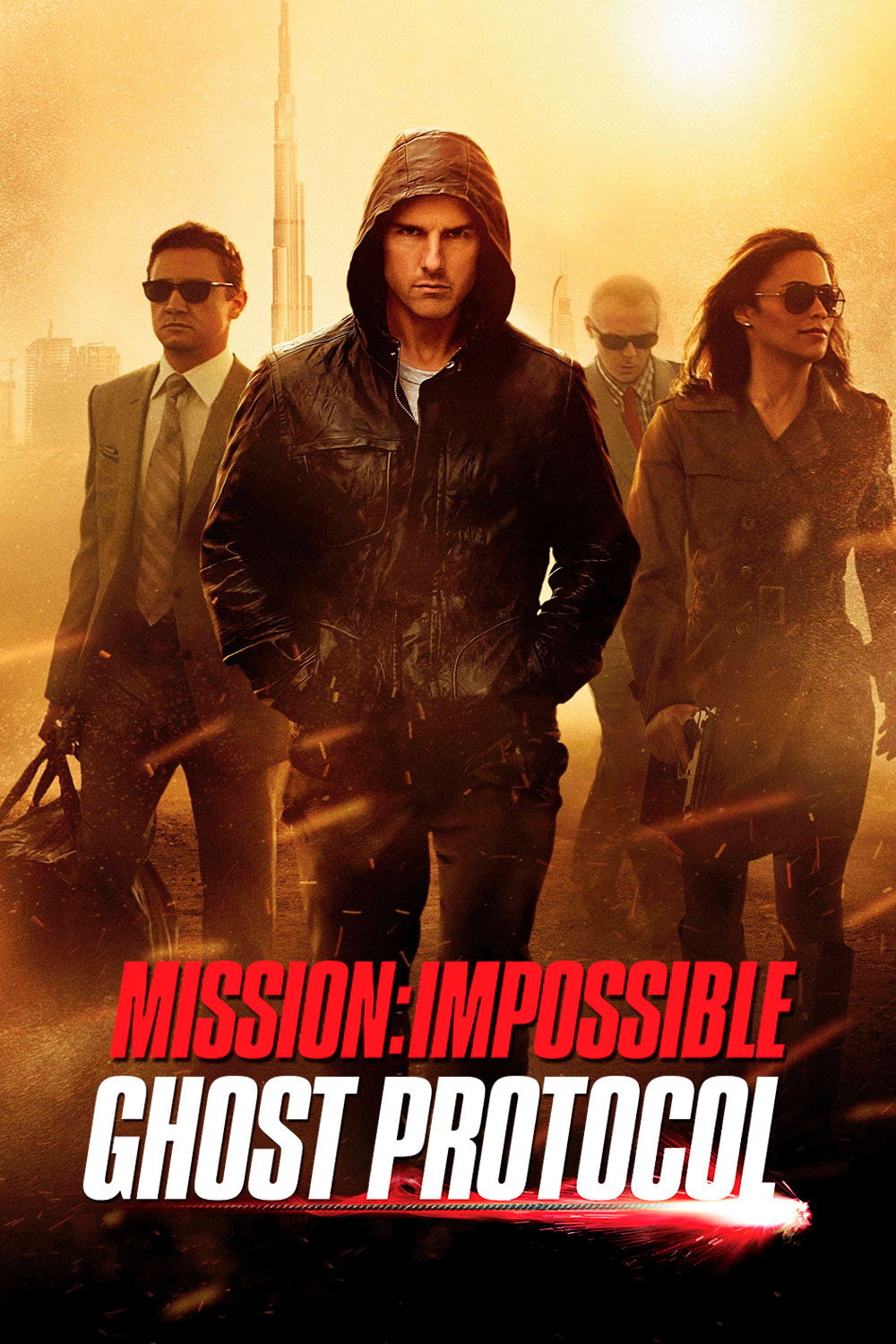
Brad Bird has spent his career making the case that animation is not a genre but a tool, and that the best adventure films are built by people who love the machinery. The Incredibles and Ratatouille were proof, and Mission: Impossible - Ghost Protocol showed he could do the same with live actors hanging off the Burj Khalifa. Tomorrowland is the film where he plants a flag on his actual subject. It is a big, earnest, expensive Disney picture about optimism itself, about what happens to a culture that has decided the future is something to dread rather than build. That is a strange thing to hang a summer tentpole on, and the strain shows. So does the conviction.
The setup
Casey Newton (Britt Robertson) is a teenager who refuses to accept that things are getting worse. The daughter of a soon-to-be-redundant NASA engineer, she is the kind of kid who sabotages the dismantling of a launch pad on principle. Then she touches a small enamel pin and, for as long as she holds it, finds herself standing in a gleaming city of monorails and rocket gantries, a place that exists somewhere just out of reach. Chasing the pin to its source leads her to Frank Walker (George Clooney), a brilliant, bitter inventor who was thrown out of that very city as a boy and has spent the years since waiting, gloomily, for the end of the world. Casey wants to know how to get back in. Frank knows exactly why the door was shut, and a watchful girl named Athena (Raffey Cassidy) knows more than either of them.
The cast
Clooney is doing something he rarely lets himself do, which is play a man who has given up. His Frank is prickly, defended, allergic to hope, and the easy charm is buried under a decade of disappointment. It works because Clooney trusts that we will wait for the thaw. Britt Robertson has the harder job, carrying the film’s wide-eyed argument on her shoulders without curdling into a slogan, and she mostly manages it, bright and stubborn rather than saccharine. The real find is Raffey Cassidy as Athena. She has the toughest assignment in the cast and gives the strangest, most affecting performance in it, a child carrying an old soul and an enormous secret. Hugh Laurie turns up late as Nix, the governor of the hidden city, and brings a weary, articulate intelligence that gives the climax more weight than the plotting has earned.
The craft
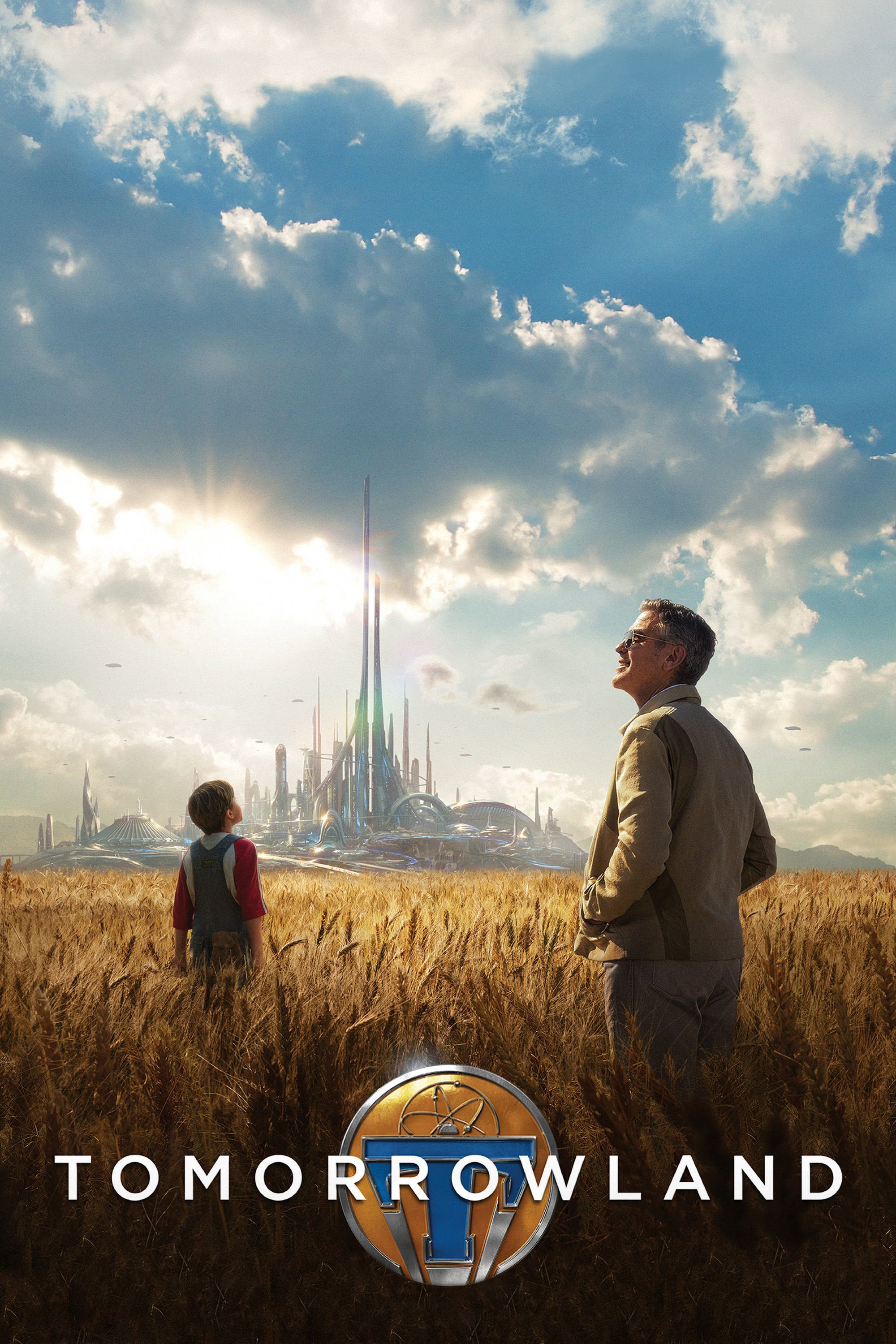
Visually the film is a treat. Claudio Miranda shoots the titular city as clean, sunlit, mid-century futurism, all swooping monorails and white towers and the kind of jetpacks the 1964 World’s Fair promised us and never delivered. This is retro-futurism done with real affection rather than irony, and it is gorgeous. Bird stages two or three genuinely inventive set pieces, including a house that turns out to be an armoury and a launch sequence I will not spoil, and Michael Giacchino’s score swells with exactly the soaring, hopeful sound the images are reaching for. The trouble is the screenplay, by Bird and Damon Lindelof, which keeps stopping to explain its own thesis. There is a long stretch in the final act where a character simply tells you what the film is about, at length, and the spell the design has cast starts to fray.
How it stacks up
The obvious reference points are the films Bird clearly loves. There is a lot of Close Encounters of the Third Kind here, in the wonder and the pull of something glimpsed and not understood, and a clear debt to The Rocketeer and to the whole stretch of pulp adventure that believed the future would be bright and chrome. It also sits oddly alongside Lindelof’s other recent work; this is a far sunnier object than Prometheus, but it shares that film’s habit of raising enormous questions and then handling them a little clumsily. Set against Bird’s own back catalogue it is the weakest of his features, but the weakest Brad Bird film is still made with more craft and more heart than most of what shares the multiplex with it.
Critics versus the rest of us
Critics are split almost down the middle, and audiences are not warmer. Both are sitting around the fifty per cent mark, and the recurring complaint is the same: the film is beautiful, ambitious, and finally too preachy and too muddled to land. That is a fair charge. The mystery-box structure promises more than the answers deliver, and the message arrives by megaphone. What the consensus undersells is how rare it is, and how welcome, to see a major studio spend this kind of money on sincerity rather than apocalypse. The cynicism the film is arguing against is the same cynicism greeting it at the door.
Verdict
I came out of this liking it more than its scores suggest, and I think that is down to taste rather than charity. I value world-building, intelligent science fiction and atmosphere, and on those counts Tomorrowland delivers a place I genuinely wanted to spend time in. The plotting is loose and the sermon is unmistakable, and there is a better, tighter film somewhere inside this generous, overstuffed one. But it is bright, it is kind, it looks magnificent, and it believes in something, and I would happily watch it again. 7.5⁄10.
Availability: On general release in UK cinemas now, in 2D and selected 3D screenings.
Update
Added since this review first appeared: Tomorrowland landed as a notable box-office disappointment for Disney, and its reputation has since settled into cult fondness rather than vindication, championed by viewers who share its optimism and forgive its lecturing. Brad Bird returned to animation with Incredibles 2 (2018), a reminder of where his surest instincts lie. The film is now available on disc and digital and streams on Disney+ depending on your region.
BBFC content advice
Rated 12A by the BBFC for moderate violence. The notes below may contain spoilers.
Violence: Scenes of moderate violence include a humanoid robot’s head being repeatedly struck with a baseball bat. Other fight scenes, also involving humanoid robots, contain crunchy kicks, punches and a knee strike; a head is smashed into a glass display case and a female robot’s head is pulled off. In another scene there is a very sudden and violent impact as a character is run over by a pickup truck.
Additional issues: Other issues include mild threat, mild drug references, and mild and very mild bad language, including uses of ‘bloody’, ‘bollocks’, ‘damn’, ‘God’, ‘hell’ and ‘piss’.
Source: British Board of Film Classification (bbfc.co.uk).