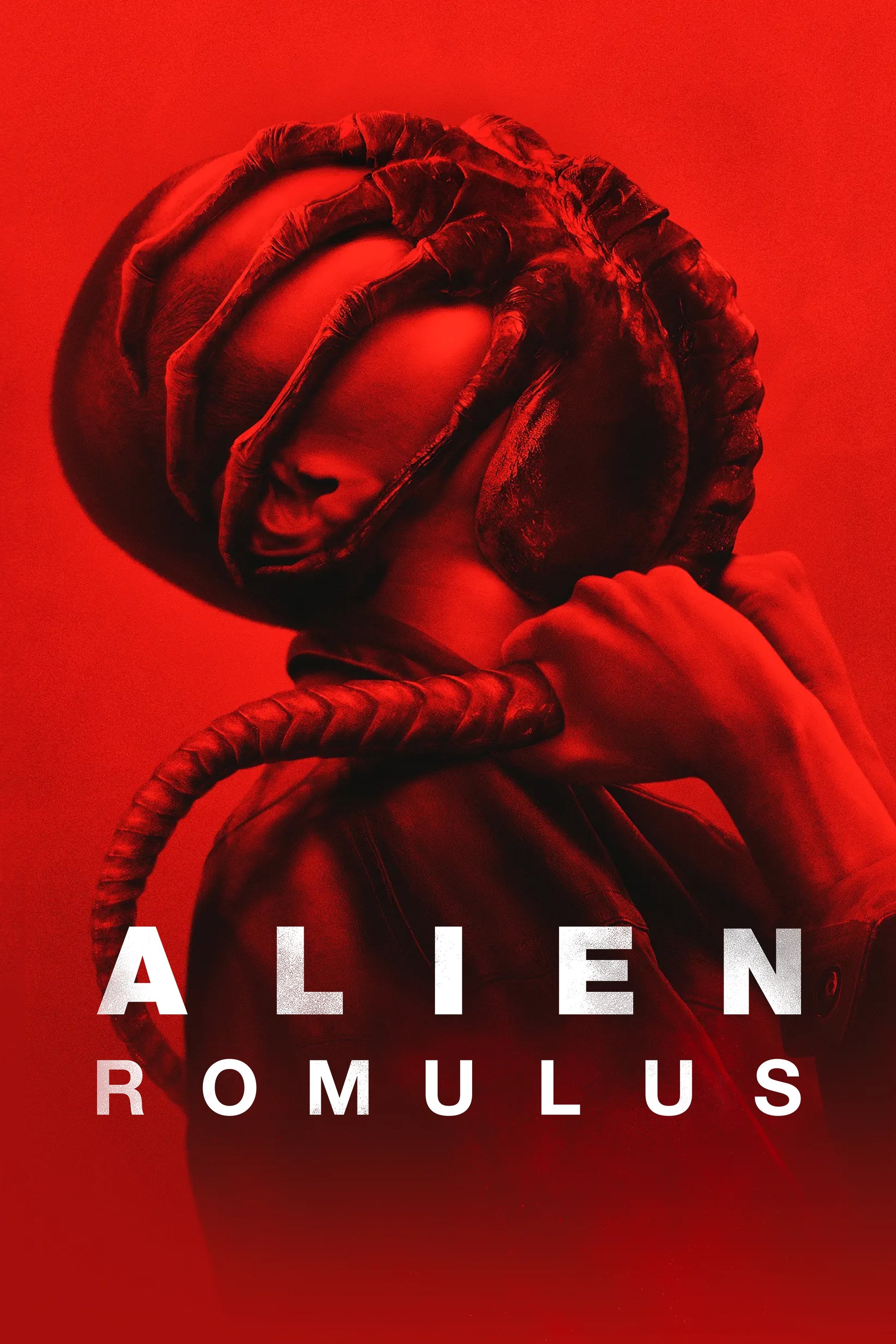

- UK release: August 2024
- Director: Fede Álvarez · Writers: Fede Álvarez, Rodo Sayagues
- Studio / distributor: 20th Century Studios; Scott Free Productions
- Genre: Science fiction horror / franchise survival thriller · Runtime: 119 minutes (BBFC 15)
- Main cast: Cailee Spaeny (Priscilla, Civil War) as Rain Carradine; David Jonsson (Rye Lane) as Andy; Archie Renaux (Shadow and Bone) as Tyler; Isabela Merced (Dora and the Lost City of Gold) as Kay
- IMDb: 7.1 / 10 · Rotten Tomatoes: 81% critics / 87% audience · My rating: 8 / 10
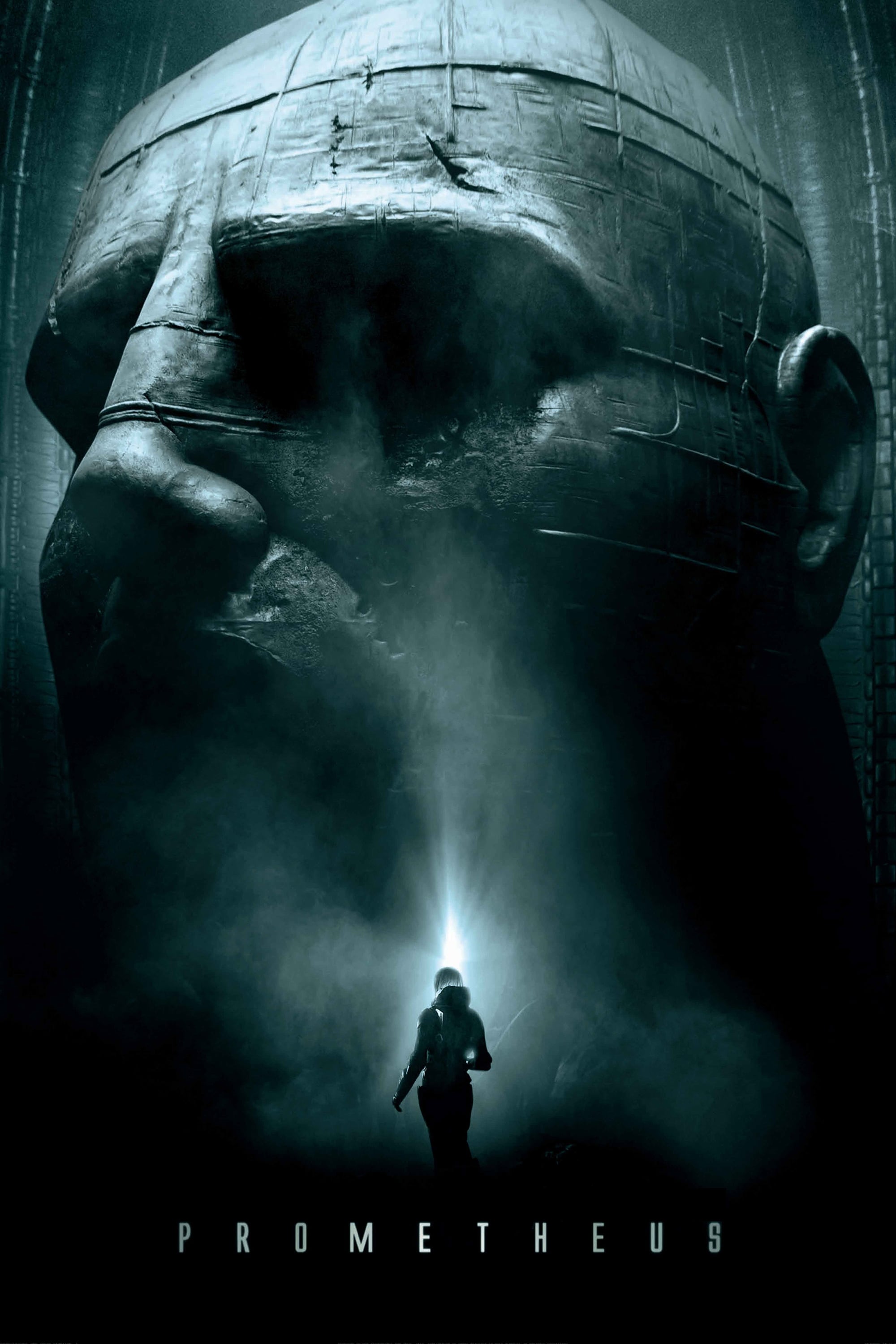
The seventh Alien film has the hardest job in the series: it has to stand in a room with the two best science fiction films ever made and not embarrass itself. Ridley Scott’s Alien and James Cameron’s Aliens cast a shadow that everything since has tripped over, from the misfires of the Resurrection era to Scott’s own Prometheus and Covenant, which traded the haunted-house simplicity of the original for theology and disappointment. So the news that Fede Álvarez, who made his name turning small spaces into instruments of dread in Don’t Breathe, has been handed the keys and told to go back to basics is the most encouraging thing to happen to this franchise in years. Romulus slots in between the first two films, takes its cues from both, and gambles that what people actually want from an Alien picture is to be frightened in a corridor again.
The setup
Rain Carradine is a young colony worker on Jackson’s Star, a sunless mining world owned, like everything else in this universe, by the Weyland-Yutani corporation. The company keeps moving her contract goalposts, so when a small crew of fellow colonists find a decommissioned station drifting in orbit and propose a salvage run for the cryo-pods that might let them escape to somewhere with daylight, she says yes. She brings Andy, a battered synthetic she treats as a brother, whose corporate programming becomes very relevant once they are aboard. The station is the Renaissance, split into two modules, Romulus and Remus, and it is not empty. What the crew find there has been waiting, and it is patient.
The cast
Cailee Spaeny anchors the film with the kind of watchful, unshowy resolve that the series has always asked of its leads, less a born hero than someone who works out, scene by scene, that nobody is coming to save her. She is good company to be scared with. The standout, though, is David Jonsson as Andy, who has to play a character whose personality is rewritten partway through and makes the shift genuinely unsettling rather than a gimmick; the warmth and the menace come from the same face. The rest of the crew, Archie Renaux’s steadier Tyler and Isabela Merced’s vulnerable Kay among them, are drawn lightly but enough that you mind when the station starts thinning their number. This is a young cast playing frightened young people, which is the right instinct: no grizzled space truckers here, just kids who made a bad call.
The craft
Álvarez understands that the Alien films live or die on texture, and Romulus is built to be touched. He leans hard on practical effects, animatronics and physical sets, and the difference shows in every dripping, clanking, strobe-lit frame. Galo Olivares shoots the station as a grimy industrial maze of red emergency lighting and dead air, and Benjamin Wallfisch’s score knows exactly when to fall silent and let a hiss do the work. There is a long sequence involving facehuggers and motion that may be the most purely tense set piece the series has staged since the original, and a zero-gravity passage that turns the xenomorph’s own blood into a hazard. If anything, Álvarez is too reverent: the film is studded with callbacks, lifted lines and one digital resurrection that pushes its luck. But the craft underneath the homage is the real thing, tactile and controlled, made by someone who has clearly watched the first two films more times than is healthy.
How it stacks up
The lineage is worn openly. The bones are Alien, a small crew picked off in a metal box, while the firepower and the gathering siege owe a debt to Aliens. It is closer in spirit to the original than anything since, and a considerable distance better than the cold, self-important Prometheus. The obvious modern comparison is Life, the 2017 station thriller that ran a similar play with a fraction of this confidence, and there is more than a little of the video game Dead Space in the salvage premise and the desperate scramble through failing systems. Where Romulus improves on its imitators is that it remembers the monster works best when you barely see it.
Critics versus the rest of us
The reception is warm and, for once, fairly unanimous. Critics are sitting around 81%, with audiences a notch higher at 87%, and the common verdict is that this is the most satisfying entry since Aliens, tempered by a fair complaint that it leans on the past more than it needs to. The reservation is legitimate. There is a stretch where the film stops inventing and starts quoting, and one fan-service decision in particular will divide people. But the audience score tells the more useful story: people are walking out genuinely rattled, which is the one thing this franchise has struggled to deliver in a long while.
Verdict
I came in wanting to like it and left a little surprised by how much I did. It is not the equal of the two films it venerates, and the closing act trades some of its own tension for a greatest-hits reel that a more confident film would have resisted. But it is tense, tactile, properly frightening, and made with real craft and real love for the machinery of the series. As space horror it works, as a rewatch it holds up, and it is the first Alien film in years I would happily sit through again with the lights off. 8⁄10.
Availability: In UK cinemas now. Worth the biggest, darkest screen you can find, with the sound up.
Update
Added since this review first appeared: Alien: Romulus arrives on Disney+ in the UK from 15 January 2025, and is also available on 4K Blu-ray and digital. It has settled into its reputation as the course-correction the franchise needed, the entry that proved there was still life in straightforward Alien survival horror after the divisive Prometheus and Covenant detour, and the strongest of the series since Aliens.
BBFC content advice
Rated 15 by the BBFC for strong horror, gore, language. The notes below may contain spoilers.
Threat and horror: Menacing horror is present throughout, with frequent jump scares as humans are terrorised by aliens. Aliens attach themselves to peoples’ faces, suffocating and choking them. In one scene, a creature is seen savagely feasting on a woman and in another an alien violently bursts out of a person’s chest.
Language: Use of strong language (‘motherfker’, ‘fk’) is accompanied by milder terms including ‘dick’, ‘twat’, ‘bitch’, ‘son of a bitch’, ‘shit’, ‘arsehole’, ‘balls’, ‘Jesus’ and ‘Christ’.
Injury detail: Strong gore includes sight of dead bodies with gruesome and bloody injuries, and people sustain burn wounds.
Drugs: Characters are briefly seen smoking joints.
Flashing/flickering lights: This work contains flashing images which may affect viewers who are susceptible to photosensitive epilepsy.
Source: British Board of Film Classification (bbfc.co.uk).