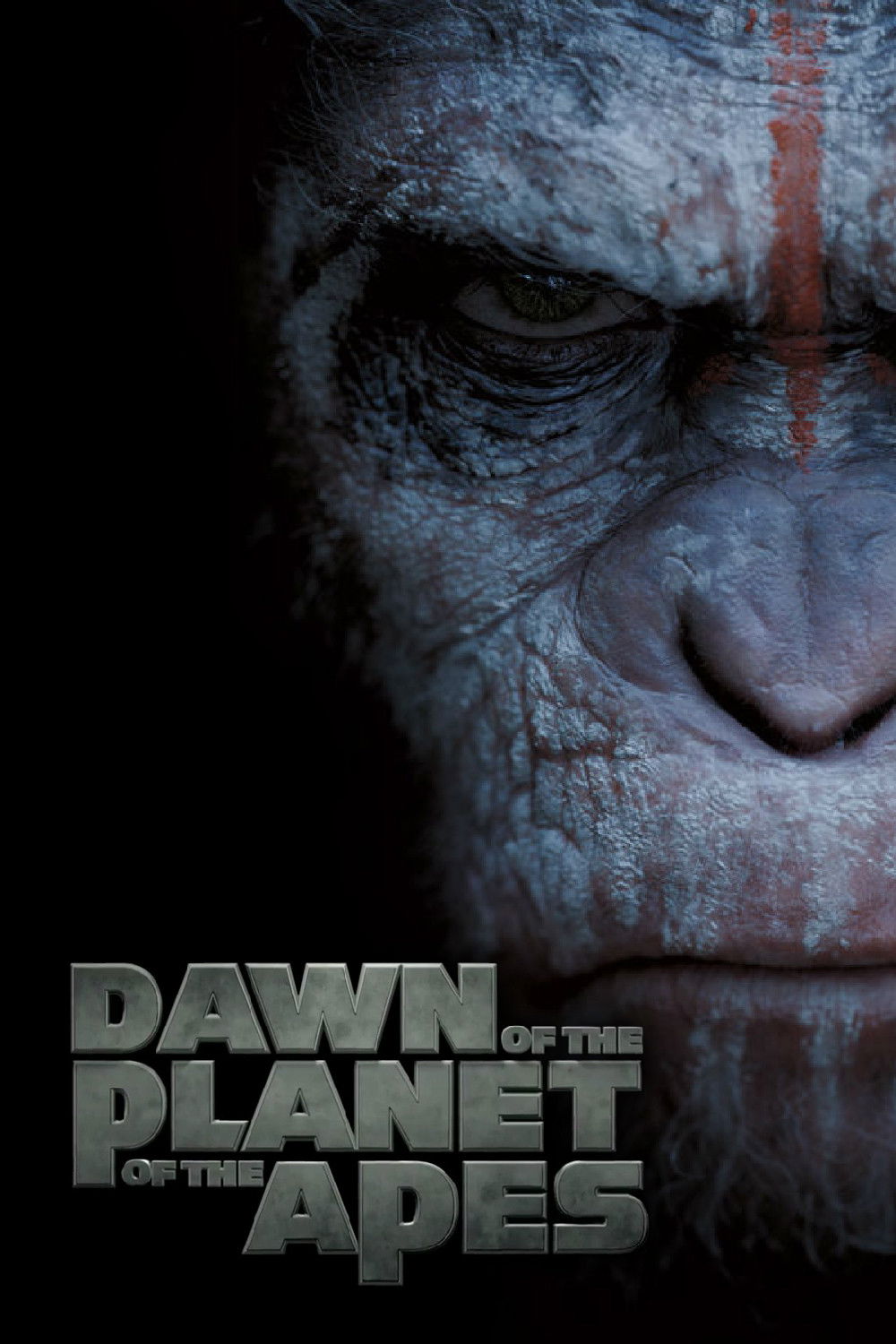
- UK release: July 2014
- Director: Matt Reeves · Writers: Mark Bomback, Rick Jaffa, Amanda Silver
- Studio / distributor: 20th Century Fox; Chernin Entertainment
- Genre: Post-apocalyptic science fiction drama / action · Runtime: 130 minutes (BBFC 12A)
- Main cast: Andy Serkis (The Lord of the Rings, King Kong) as Caesar; Jason Clarke (Zero Dark Thirty) as Malcolm; Toby Kebbell (RocknRolla) as Koba; Gary Oldman (Tinker Tailor Soldier Spy, The Dark Knight) as Dreyfus
- Rotten Tomatoes: 90% critics / 88% audience · My rating: 8.5 / 10
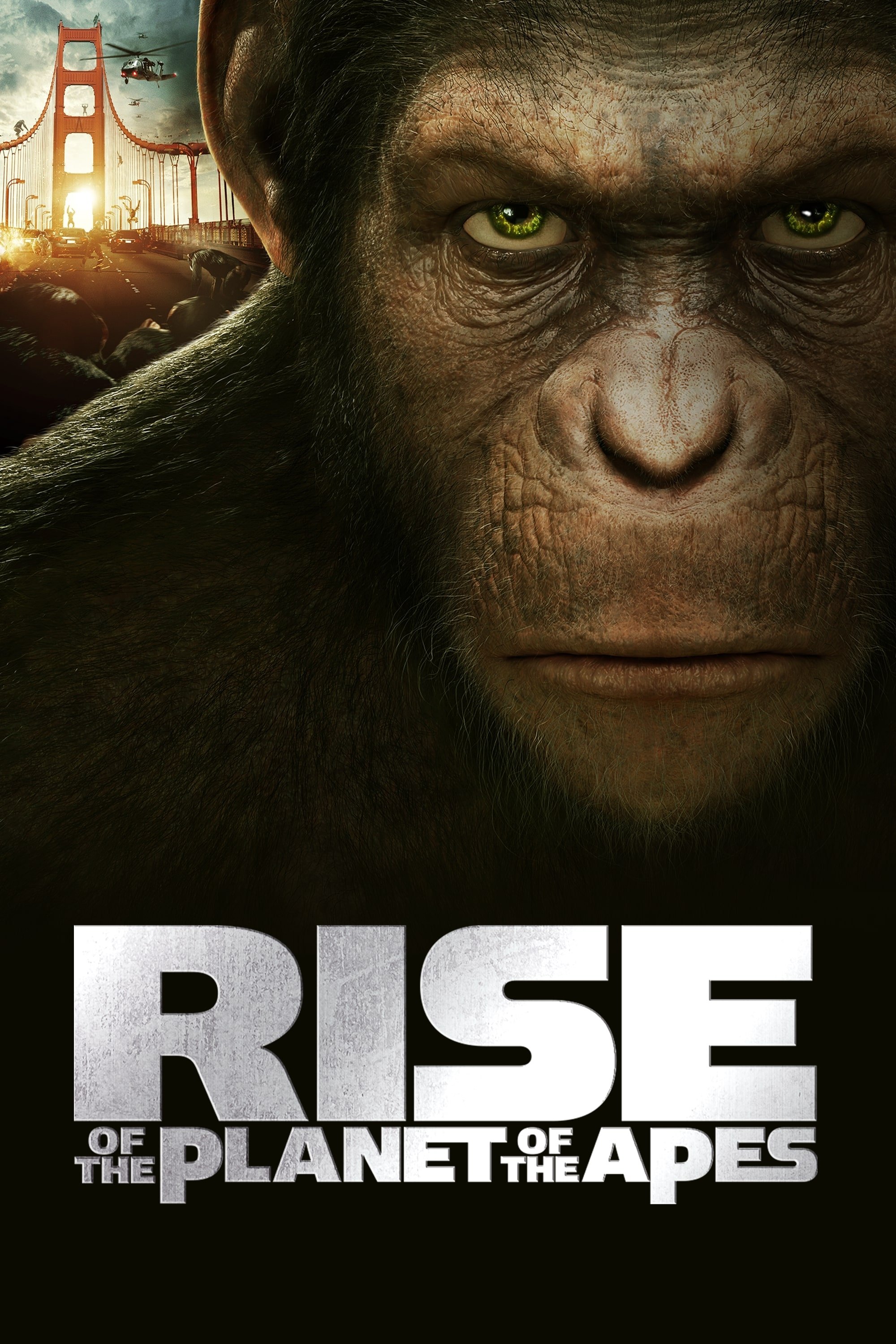
Rise of the Planet of the Apes arrived in 2011 with low expectations and quietly turned into one of the better surprises of its summer, a reboot that took a franchise most people had written off and gave it a beating heart in Andy Serkis’s performance-capture Caesar. The sequel had every reason to coast on that goodwill. Instead Rupert Wyatt is gone, Matt Reeves of Cloverfield and Let Me In takes over, and the brief seems to have been to make the bigger, more expensive follow-up into a slower, sadder, more deliberate film than anyone ordered. It is a strange thing to find in the middle of blockbuster season: a tragedy with the budget of an action picture.
The setup
Ten years on from the simian flu that escaped at the end of the first film, human civilisation has all but collapsed and the apes have built a forest community north of San Francisco, where Caesar now leads as a settled patriarch. The two species have not seen each other in years and have half forgotten the other exists. Then a band of human survivors comes into the woods looking for a hydroelectric dam that might restore power to what is left of the city, and the careful peace Caesar wants and the fearful suspicion others carry begin pulling in opposite directions. Malcolm (Jason Clarke), the human sent to negotiate, and Caesar find a fragile understanding. Around them, on both sides, are people and apes who would rather strike first.
The cast
This is Serkis’s film, and the performance-capture work has moved on noticeably even since Rise. Caesar is older, heavier, weighed down by leadership, and Serkis plays him almost entirely in stillness and the eyes; a glance carries more than most of the human dialogue. Toby Kebbell is the other revelation as Koba, the scarred ape who came up through laboratory cages and cannot believe the humans deserve anything but a knife. Kebbell makes him frightening and pitiable at once, a creature whose hatred is entirely earned and entirely destructive. The humans are deliberately the smaller story. Jason Clarke gives Malcolm a tired decency that works as the bridge the plot needs, and Gary Oldman, as the colony’s leader Dreyfus, gets one genuinely affecting scene that reminds you what is being mourned. The film knows where its interest lies, and it lies in the trees.
The craft
Reeves directs with real patience. Michael Seresin shoots the ape settlement in cold greens and greys, rain dripping through the canopy, and the opening stretch trusts the audience to sit in an almost wordless world of subtitled sign language before a human speaks. Michael Giacchino’s score is mournful and tribal, leaning on percussion and low brass rather than the usual blockbuster surge. When the violence does come it is staged with unusual clarity, including one bravura shot mounted on a rotating tank turret that takes in the whole battlefield in a single unbroken sweep. The effects are the best argument the film makes for itself: hundreds of digital apes, in firelight and in pouring rain, none of which ever pulls you out of the moment. For a 130-minute film built around motion-capture primates, it is remarkably easy to forget you are watching an effect at all.
How it stacks up
The obvious comparison is Rise, and Dawn is the heavier, more accomplished film, trading the first picture’s underdog rush for something with the shape of classical tragedy. The cleverer comparison is sideways, to the war and siege films it openly draws on, the doomed negotiations and the one hot-head who wrecks the peace. There is a strain of The Dark Knight in how seriously it takes its summer audience, and a strain of older revisionist Westerns in how it treats two peoples circling a resource neither will share. Where most franchise sequels get louder and emptier, this one borrows from drama rather than from spectacle, and is better for it.
Critics versus the rest of us
Critics are close to unanimous, sitting around 90%, with audiences a little behind at 88%, and the recurring praise is for exactly the things that make it unusual: the maturity, the moral weight, the performance-capture work. I am with them, though for slightly different reasons. What I value here is that the film commits to its own bleakness instead of flinching. The small gap between critics and the crowd is easy to read: this is a summer tentpole that asks you to spend a third of its runtime watching apes sign to each other in the rain, and not everyone bought a ticket for a tragedy. Those who did are rewarded.
Verdict
Dawn of the Planet of the Apes is that rare sequel that is more ambitious than the film that earned it the chance, and almost entirely pulls it off. Serkis and Kebbell give two of the most expressive performances of the year through a layer of pixels, Reeves directs with a confidence that the franchise had no right to expect, and the whole thing carries a genuine sense of sorrow that lingers after the action stops. It is a touch overlong in its final act, and the human characters never quite match the apes for interest, but those are small complaints against a blockbuster this thoughtful. I will happily watch it again, which for a film this sombre is the real compliment. 8.5⁄10.
Availability: On general release in UK cinemas now, and worth seeing on the largest screen you can find for the battle sequences.
Update
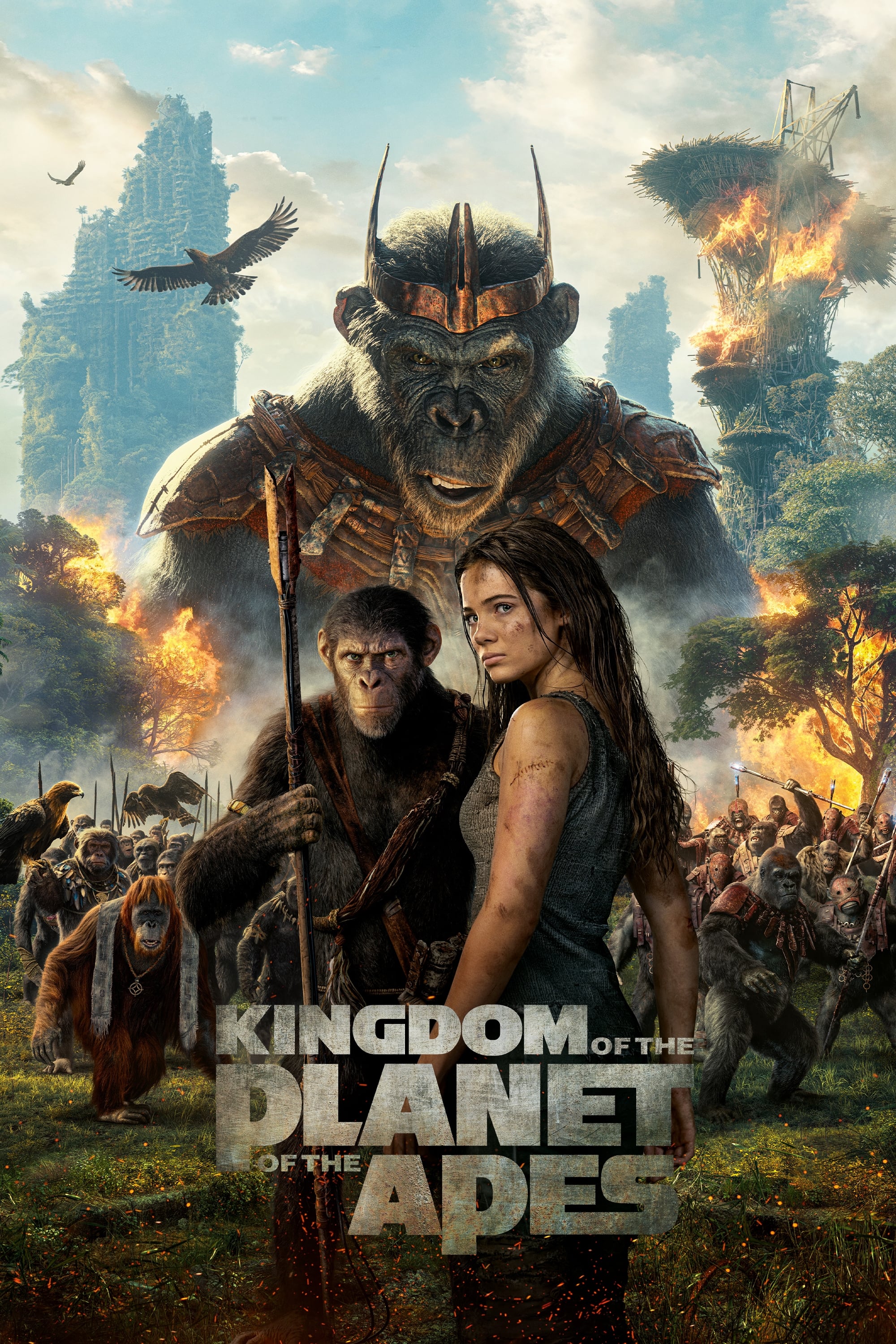
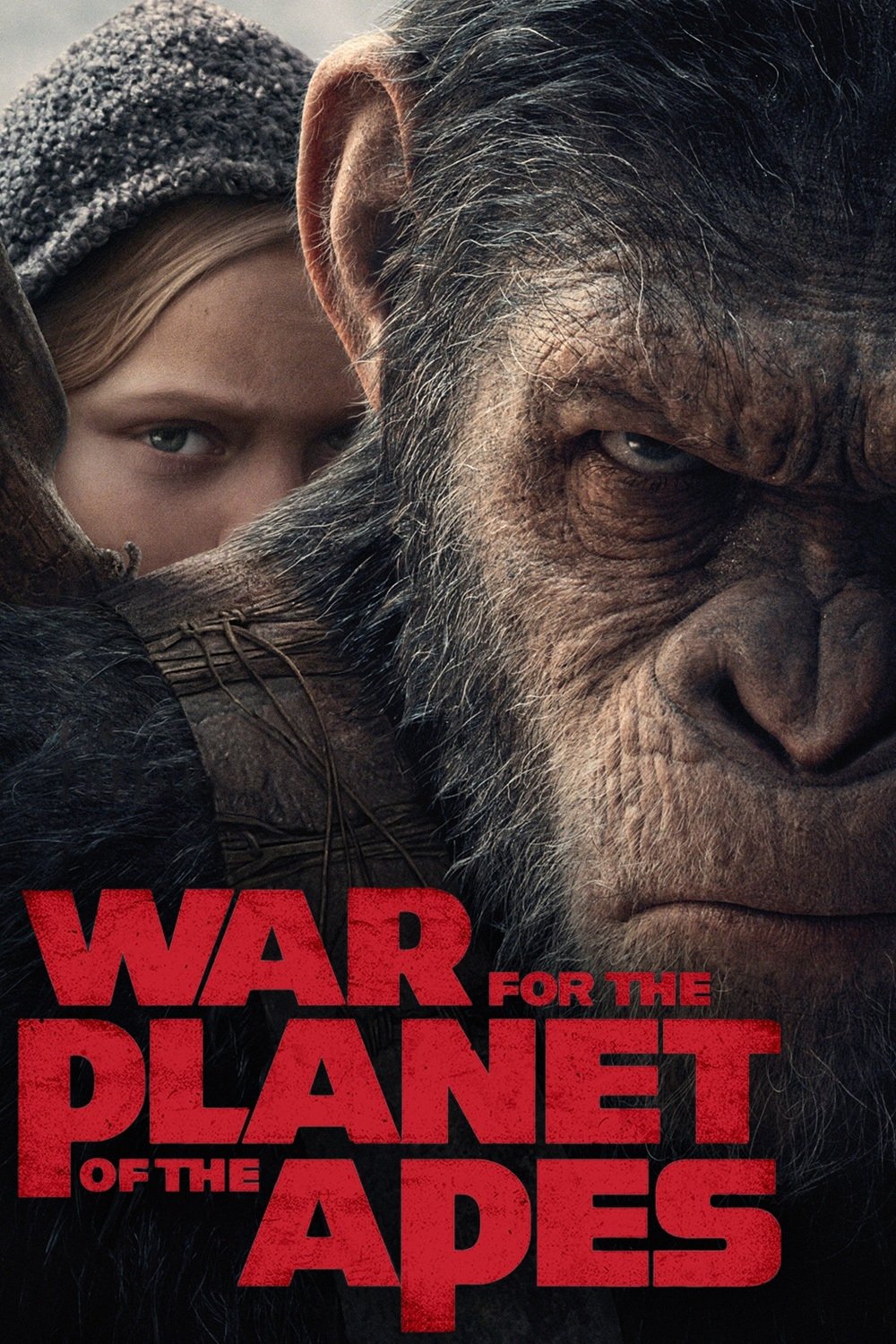
Added since this review first appeared: the trilogy completed in 2017 with War for the Planet of the Apes, which pushed Caesar’s story to its end and confirmed this as one of the strongest blockbuster runs of its decade. The series was later revived with Kingdom of the Planet of the Apes (2024), set generations after Caesar. Dawn has settled into its reputation as the high point of the modern reboot for many, and is now widely available on disc and digital, streaming on Disney+ depending on your region.
BBFC content advice
Rated 12A by the BBFC for moderate violence, threat, infrequent strong language. The notes below may contain spoilers.
Violence: There are scenes of hand-to-hand combat, as well as attacks with guns and other weapons. The fighting is occasionally sustained and intense, but it is not detailed and features only minimal bloody injury in the aftermath of violent incidents.
Threat and horror: An ominous sense of danger to individuals or groups of characters is part of the film’s atmosphere. The film portrays a world in which humans are on the brink of extinction, and nature has encroached on ruined city streets and abandoned locations across the country.
Language: There is infrequent strong language (‘f**k’), as well as various uses of milder bad language, including ‘shit’, ‘ass’, ‘asshole’ and ‘son of a bitch’.
Injury detail: There is brief sight of bloody detail in the aftermath of violence.
Alcohol and smoking: A character smokes a cigarette and there is sight of people drinking alcohol.
Source: British Board of Film Classification (bbfc.co.uk).