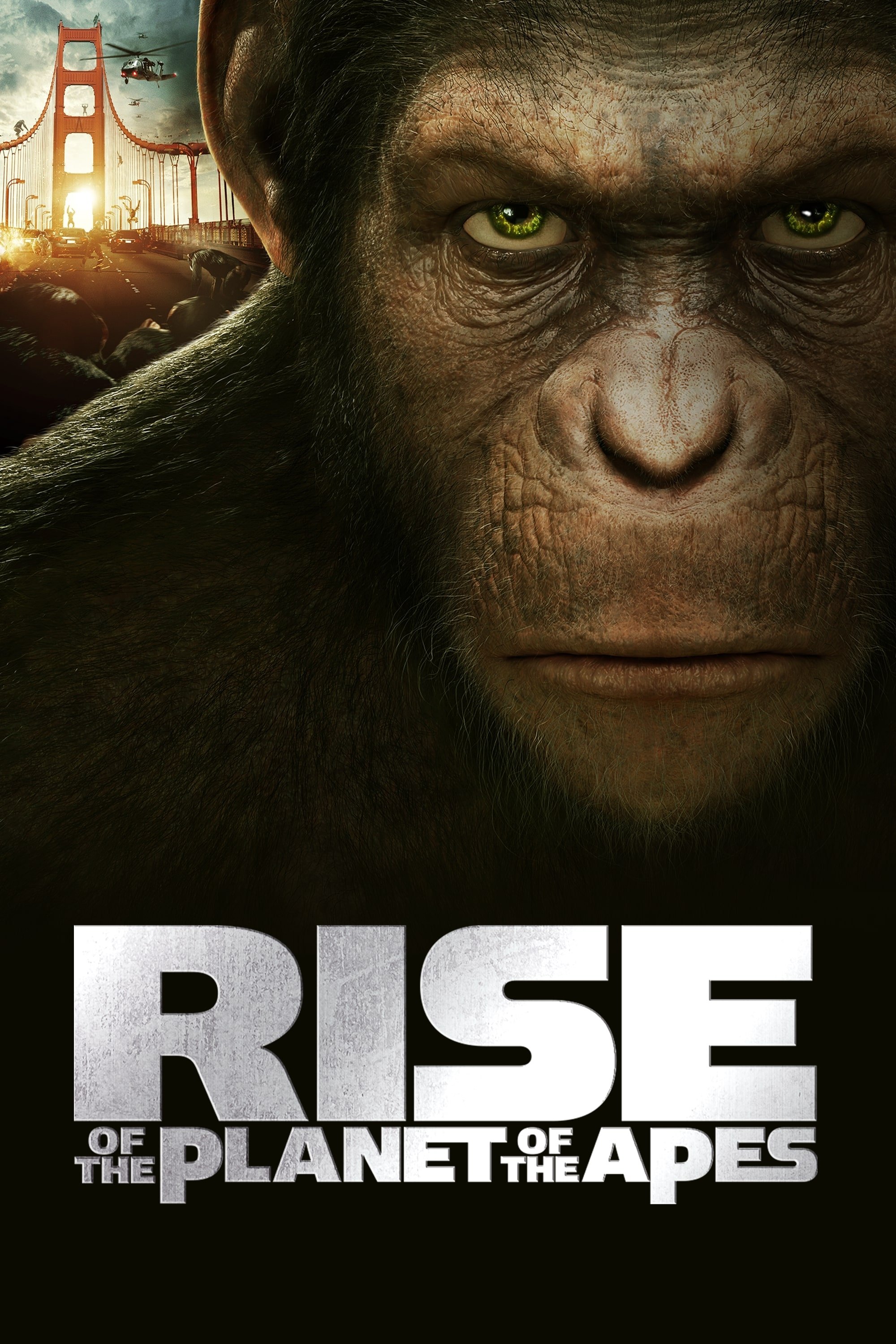

- UK release: August 2011
- Director: Rupert Wyatt · Writers: Rick Jaffa, Amanda Silver
- Studio / distributor: 20th Century Fox; Chernin Entertainment
- Genre: Science fiction drama / franchise reboot · Runtime: 105 minutes (BBFC 12A)
- Main cast: Andy Serkis (The Lord of the Rings, King Kong) as Caesar; James Franco (127 Hours, Spider-Man) as Will Rodman; Freida Pinto (Slumdog Millionaire) as Caroline Aranha; John Lithgow (3rd Rock from the Sun, Cliffhanger) as Charles Rodman
- IMDb: 7.6 / 10 · Rotten Tomatoes: 82% critics / 77% audience · My rating: 8 / 10
The Planet of the Apes name has been carrying a lot of dead weight. The 1968 original is a genuine science fiction landmark, with one of the great closing shots in the genre, but the run of sequels that followed it drifted from sharp allegory into cheap rubber masks, and Tim Burton’s 2001 remake managed to be both expensive and forgettable. So a fresh reboot in 2011 arrives with low expectations and a fair amount of suspicion. The surprise is that Rupert Wyatt and his writers have not tried to remake the spectacle at all. They have gone back to the origin and built a small, sad story about one animal becoming a person, and let the rest follow from there.
The setup
Will Rodman (James Franco) is a scientist working on a viral therapy for Alzheimer’s, driven less by ambition than by his father Charles (John Lithgow), whose mind is slipping away in front of him. When the trial collapses, Will ends up raising an orphaned chimpanzee whose mother carried the experimental drug, and the infant, Caesar, turns out to have inherited an intelligence well beyond anything an ape should have. For a while he grows up almost as a child of the house. Then the world reminds Will and Caesar both that a clever animal is still, in the eyes of the law and most of the people in it, an animal, and Caesar’s education takes a darker turn inside a primate sanctuary that is nothing of the sort.
I will leave the back half there. The pleasure of the film is watching a mind wake up to its own situation, and it does not need spelling out in advance.
The cast
The film belongs to Andy Serkis, even though you never see his face. Caesar is a performance-capture creation built by Weta Digital, and Serkis gives him a full inner life through posture, eyes and a slowly hardening resolve, with barely a word of dialogue. It is the most expressive thing he has done since Gollum, and arguably more difficult, because Caesar has to earn sympathy as a thinking being rather than a creature. By the time he makes a single decisive choice late on, you understand exactly how he got there.
The human cast knows whose film this is and plays accordingly. Franco is steady and likeable as the well-meaning scientist who keeps making the convenient choice, and Freida Pinto, as the primatologist who loves him, is given little to do beyond providing a conscience. The standout among the humans is Lithgow, whose decline gives the early stretch its emotional weight and quietly justifies everything that follows. Tom Felton turns up as a casually cruel keeper, leaning on a familiar register, and even gets to deliver the franchise’s most famous line in a way that should be ridiculous and somehow lands.
The craft
Wyatt directs with more restraint than the premise invites. Andrew Lesnie’s photography keeps the early domestic scenes warm and the later sanctuary scenes cold and institutional, and Patrick Doyle’s score holds back rather than swelling over every beat. The effects work is the real headline: Caesar and the other apes are rendered with a weight and texture that the rubber-suit era could only dream of, and the film trusts them to act, holding on faces where a lesser version would cut to explosions.
When the action does arrive, on a fog-shrouded bridge in the third act, it is staged for clarity and stakes rather than scale. There is a thrill to seeing apes move with intelligence and intent, coordinating rather than rampaging, and the film keeps its sympathies carefully balanced so that the chaos never tips into a simple monster rampage.
How it stacks up
The obvious lineage is the 1972 Conquest of the Planet of the Apes, which covered similar ground, an enslaved ape leading an uprising, on a fraction of the budget and with a fraction of the nuance. This is the version that story always wanted to be. The closer cousin is King Kong, where Serkis and Weta first proved a digital ape could carry real feeling, and you can see the lessons learned applied here at feature length. As a science-gone-wrong cautionary tale it sits comfortably beside Jurassic Park, sharing that film’s interest in human arrogance, though it is more interested in the creature’s point of view than in the chase.
Critics versus the rest of us
Critics have been pleasantly startled, sitting around 82%, with most of the praise aimed squarely at Serkis and at how seriously the film takes its central idea. Audiences are a little cooler at 77%, which I suspect comes from anyone who walked in expecting a war film and got a character study with a fight at the end. I think the critics have the better of it. The thing that lingers is not the bridge sequence but the slow tragedy of a creature who learns exactly what he is and what the world intends to do with him.
Verdict
This is intelligent science fiction that respects both its premise and its audience, and it rests on a digital performance good enough to make you forget it is one. The human half of the story is the weaker half, and a couple of supporting roles are thin, but Caesar more than carries the weight. It is genuinely rewatchable, it sets up a franchise I now actively want to see continue, and it does the hardest thing a reboot can do, which is make an exhausted name feel necessary again. 8⁄10.
Availability: In UK cinemas now. A DVD and Blu-ray release follows later in the year, and it is well worth seeing on the largest screen you can while it is still on.
Update
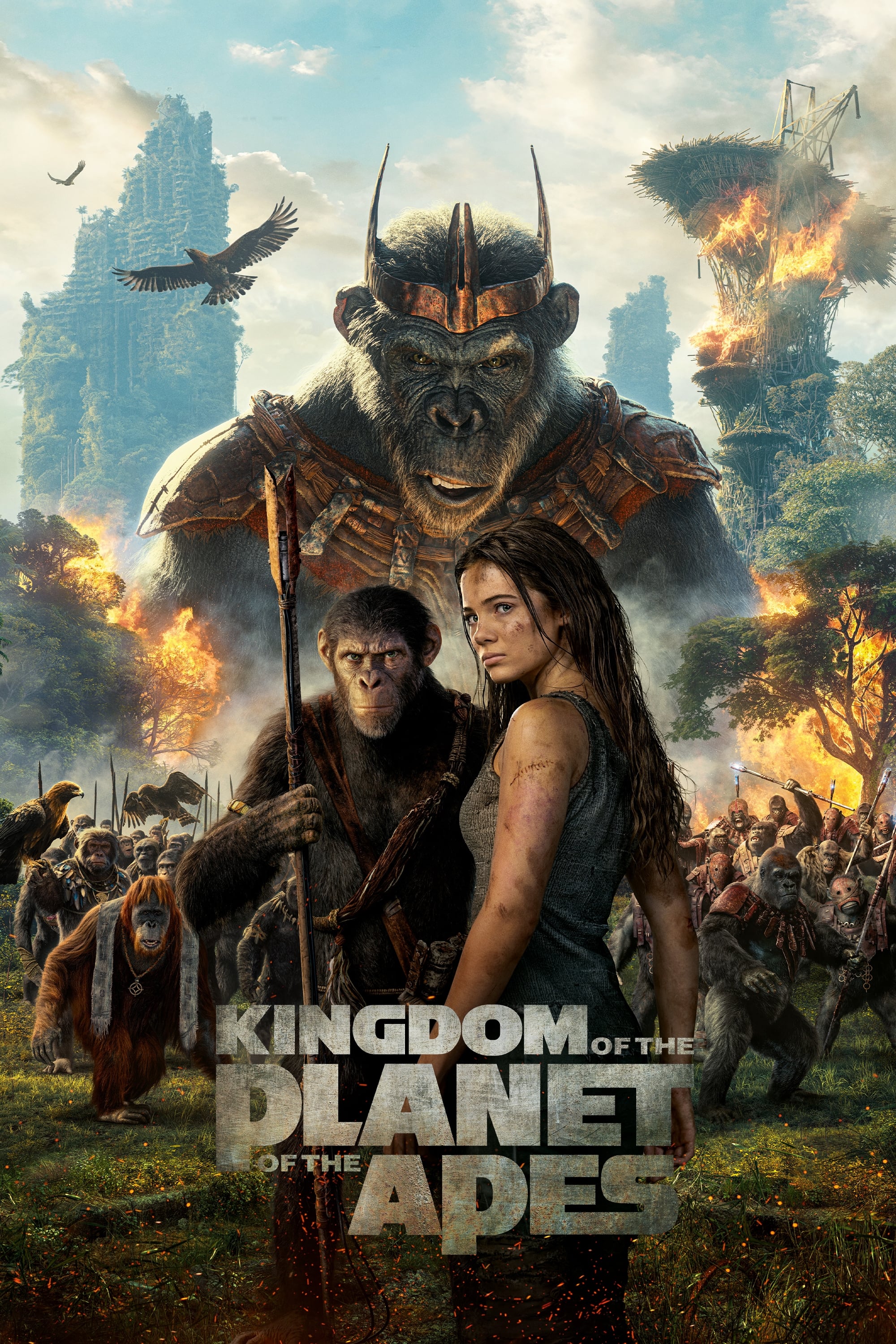
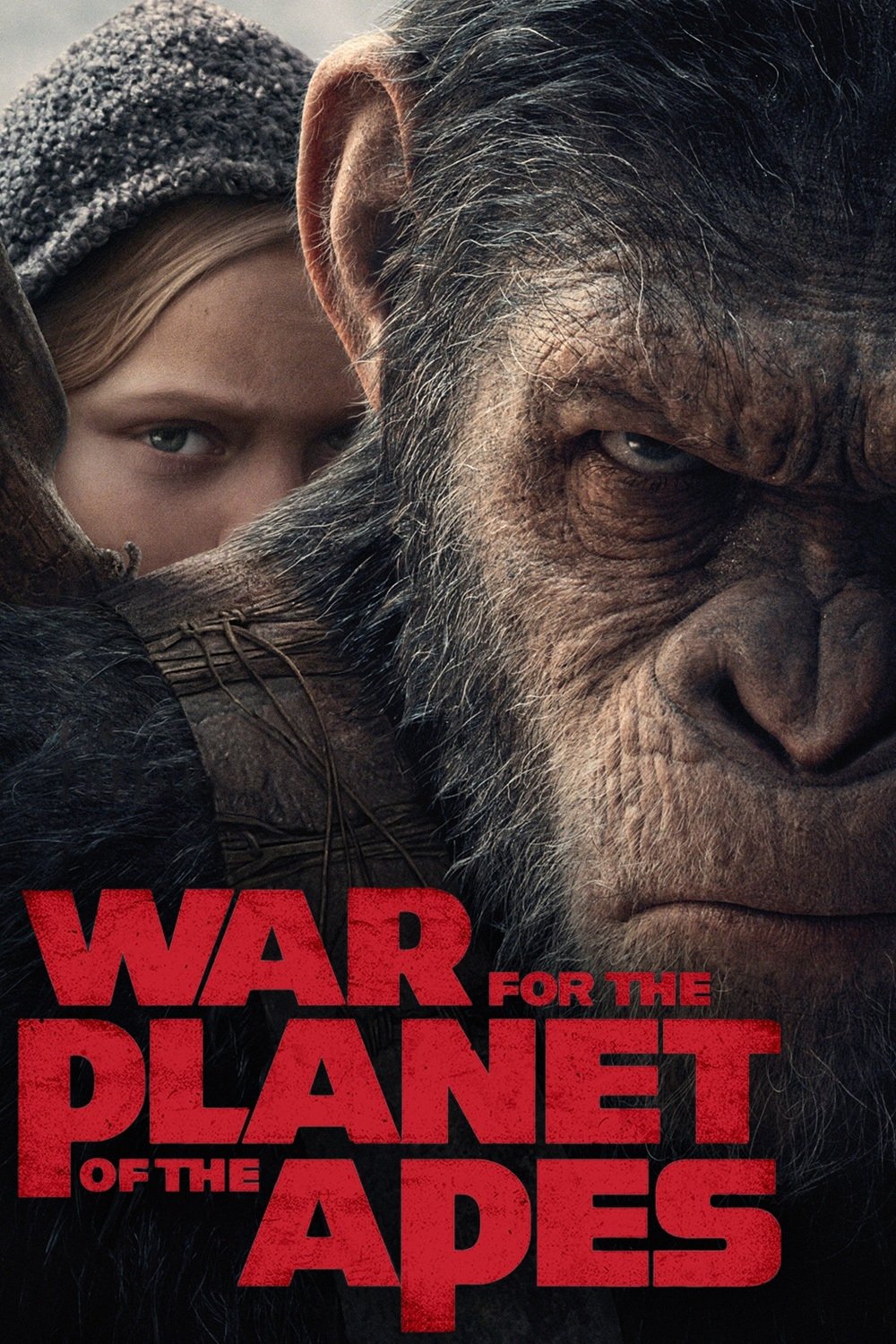
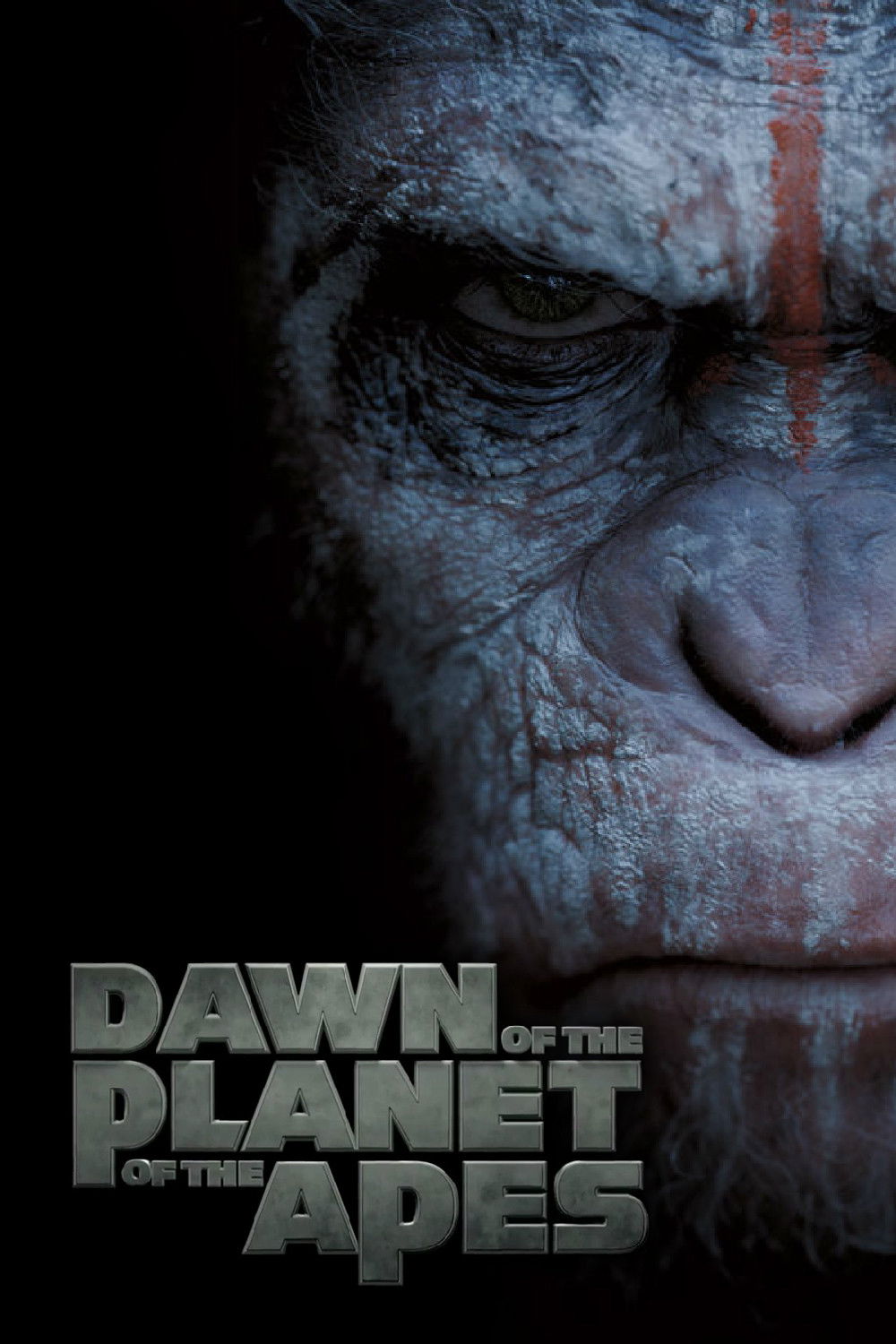
Added since this review first appeared: Caesar’s story did continue, and grew. Dawn of the Planet of the Apes (2014) and War for the Planet of the Apes (2017) completed a reboot trilogy that is now widely regarded as one of the strongest blockbuster runs of its era, with Serkis’s Caesar at the centre throughout and Weta’s work advancing with each film. The trilogy in turn led to a further entry, Kingdom of the Planet of the Apes (2024), set generations later. This first film is available on disc, digital and streaming, with its availability rotating between platforms depending on region.
BBFC content advice
Rated 12A by the BBFC for intense threat and moderate violence. The notes below may contain spoilers.
The BBFC release page was unavailable at the time of writing, so the detailed Content Advice by category (Violence, Threat, Language and so on) could not be retrieved verbatim. The age rating and short consumer advice line above are confirmed; the full classification breakdown should be checked against the BBFC entry before relying on it.
Source: British Board of Film Classification (bbfc.co.uk).