
- UK release: May 2024
- Director: Wes Ball · Writer: Josh Friedman; Rick Jaffa; Amanda Silver; Patrick Aison
- Studio / distributor: 20th Century Studios; Oddball Entertainment; Jason T. Reed Productions
- Genre: Science fiction adventure / franchise epic · Runtime: 145 minutes (BBFC 12A)
- Main cast: Owen Teague (It) as Noa; Freya Allan (The Witcher) as Mae; Kevin Durand (The Strain) as Proximus Caesar; Peter Macon (The Orville) as Raka
- IMDb: 7.3 / 10 · Rotten Tomatoes: 80% critics / 77% audience · My rating: 8 / 10
The rebooted Apes films have been one of the quieter triumphs of the last decade and a half: three pictures built around Andy Serkis and a performance-capture chimpanzee that asked you to care about the slow fall of human civilisation through the eyes of the animals inheriting it. War for the Planet of the Apes closed that arc cleanly, which left the studio with the awkward question every successful trilogy eventually faces. Where do you go once your hero is gone? Kingdom answers by jumping forward several generations, handing the saga to Wes Ball of the Maze Runner films, and betting that the world Caesar built is interesting enough to carry a new face. It mostly is.
The setup
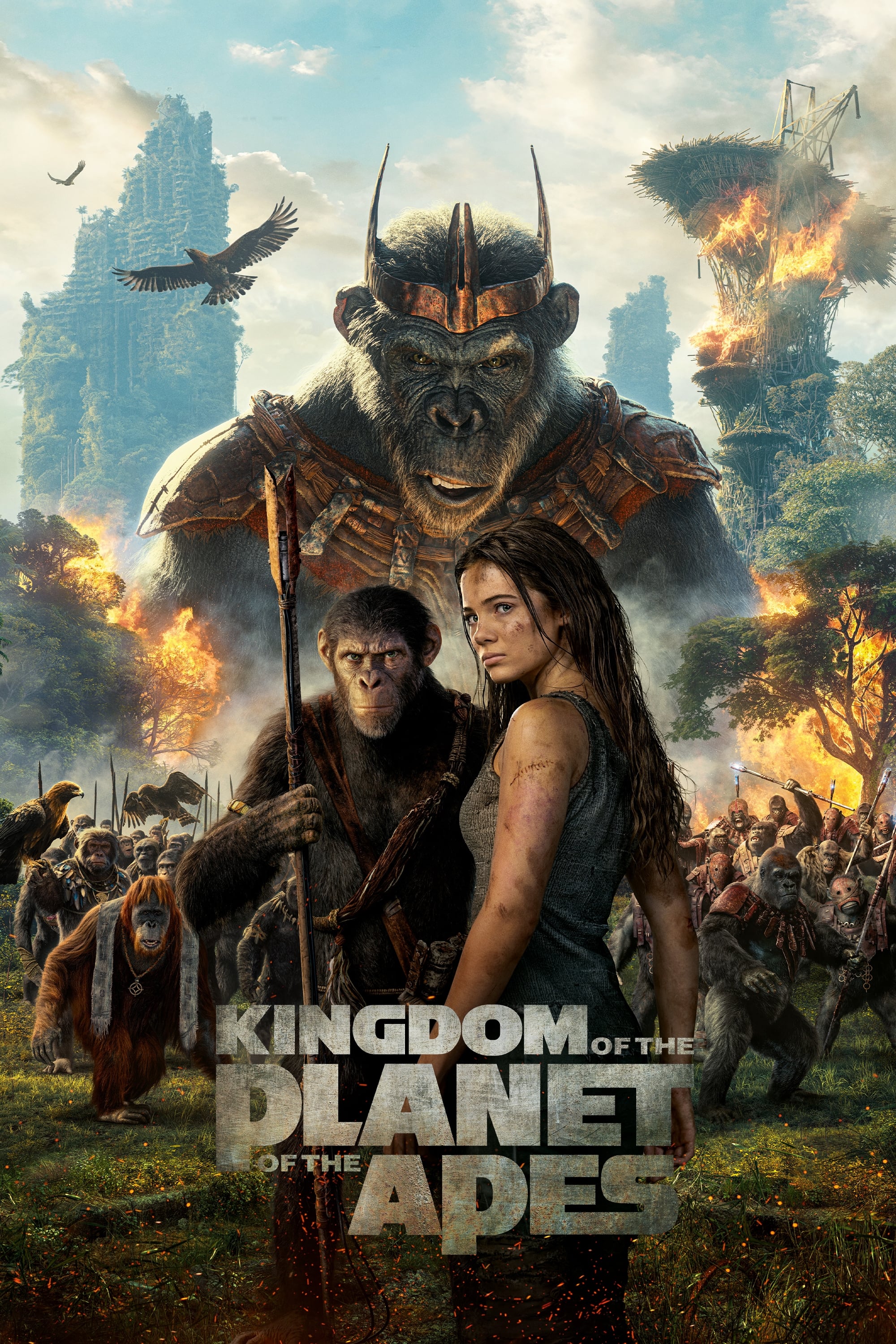
Many generations after Caesar’s death, his name has curdled into legend and then into something worse. Noa (Owen Teague), a young ape of a clan that keeps eagles and knows nothing of the old wars, has his settlement raided and his family taken by masked apes serving a self-styled king. Setting out to find them, he falls in with Raka, an orang-utan who still keeps Caesar’s actual teachings, and with a human woman, Mae, who is sharper and more purposeful than the feral survivors apes have come to expect. The trail leads to Proximus Caesar, a bonobo who has rebuilt Caesar’s words into a creed of conquest, and who wants what is locked inside an old human vault by the sea.
The cast
Owen Teague has the hardest job in the film, following Serkis into a fully digital lead, and he comes through it well. Noa is younger and greener than Caesar ever was, more reactive than commanding, and Teague lets the curiosity and the fear read through the capture without overplaying either. Kevin Durand is the find here. His Proximus is a marvellous piece of villainy, vain and bookish and genuinely menacing, a tyrant who has read just enough history to be dangerous with it. Peter Macon’s Raka supplies the film’s warmth and most of its wit, the keeper of a faith almost everyone else has forgotten. Freya Allan gives Mae a guarded intelligence that pays off as the story turns, and the late shift in how you read her is one of the better things the script does.
The craft
Visually this is the most assured the franchise has looked. Gyula Pados shoots a green, overgrown world of collapsed towers and reclaimed coastline, and Wey-Ta and the effects team push the photoreal apes to a point where you stop thinking about how the trick is done. The eagle-hunting sequence early on is a real set piece, vertiginous and tactile, and the flooded finale has weight and danger to it. John Paesano’s score leans on Michael Giacchino’s earlier themes without leaning so hard that it forgets to find its own voice. At 145 minutes the middle stretch ambles a little, and the film is more interested in showing you its world than in driving hard through plot, but the patience is mostly earned.
How it stacks up
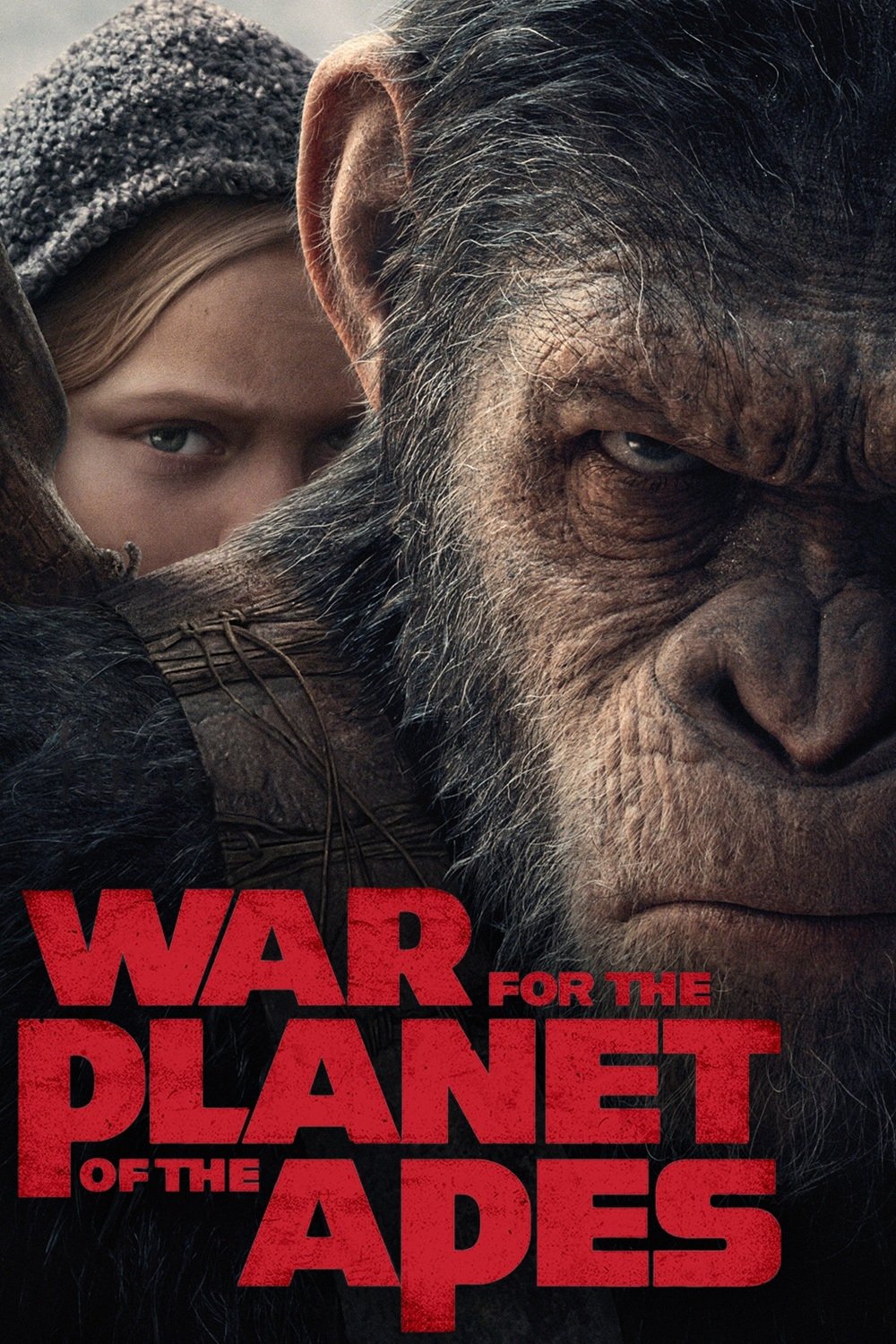
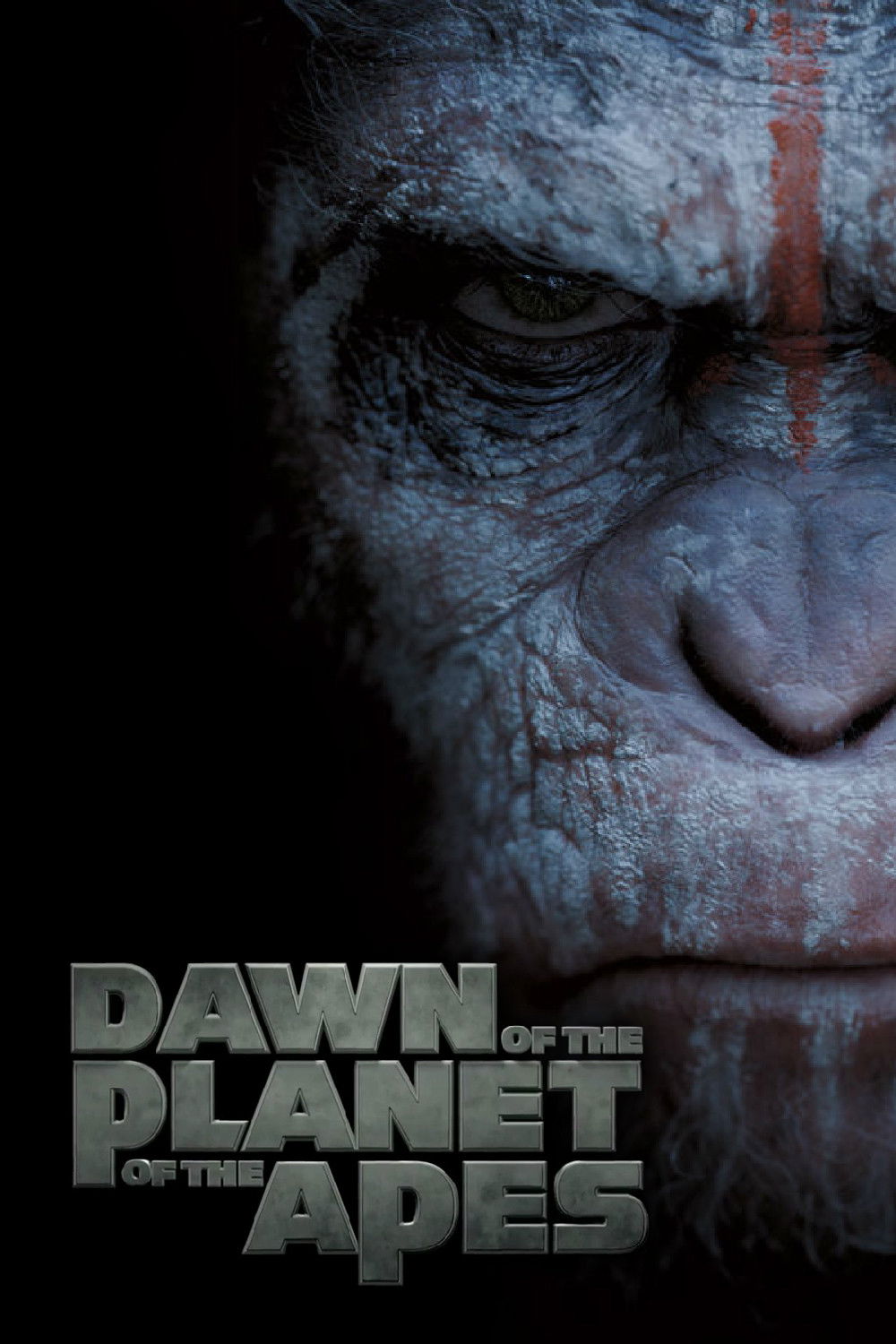
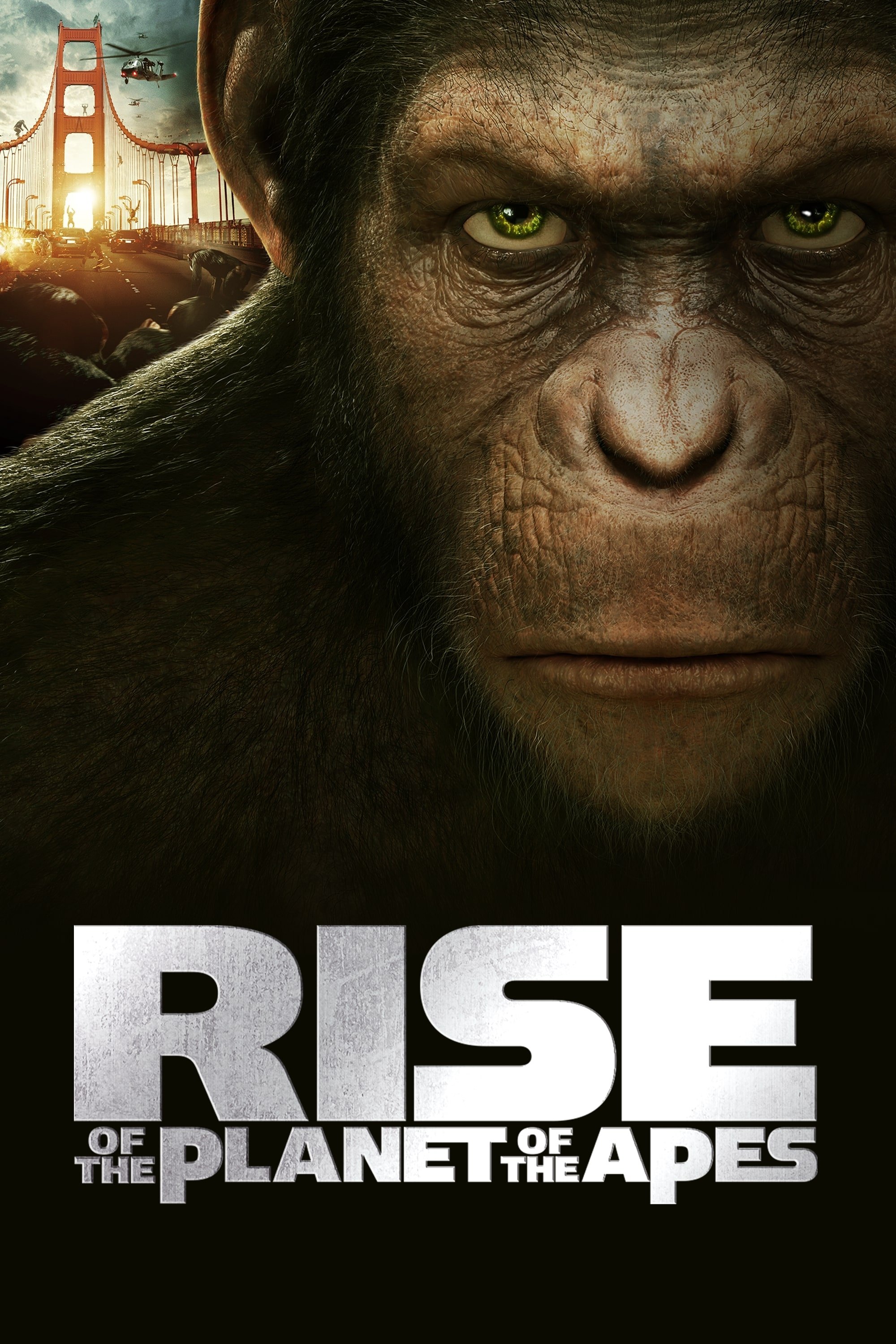
Set beside Dawn of the Planet of the Apes and War for the Planet of the Apes, this is the lighter, more adventurous picture, closer to a quest than a tragedy. It trades Caesar’s moral weight for a younger hero’s discovery of the world, which is a fair swap for a reboot even if it costs the series some of its gravity. Ball brings the propulsive, kids-against-a-tyrant energy of the Maze Runner films, and the result sits a notch below the best of the Serkis trilogy while comfortably clearing the bar of a franchise running out of road. The smartest move is in the idea that Caesar’s legacy could be twisted into its opposite, which gives the new chapter a reason to exist beyond brand maintenance.
Critics versus the rest of us
Critics are positive without being overwhelmed, sitting around 80%, with audiences a few points behind at 77%. The recurring note is that the spectacle and world-building are first-rate but the emotional pull falls short of the trilogy it follows, and that is a fair reading. There is no single gut-punch here to match the best of War. What there is instead is a confidently made, handsomely mounted adventure that proves the world can outlast its founding character, which is no small thing for a series this far down the line.
Verdict
I came in with measured expectations, suspecting a legacy continuation running on fumes, and came out won over by how solidly built it is. The world-building is the draw for me, and on that count the film delivers: a believable, lived-in future you want to spend time in, photoreal apes you forget are effects, and a villain worth the running time. It is not the equal of Dawn or War, and the middle could lose twenty minutes, but it is intelligent, good-looking adventure science fiction with a real idea at the heart of it, and I would happily watch it again. 8⁄10.
Availability: On general release in UK cinemas now, including IMAX, where the eagle and flood sequences earn the larger screen.
Update
Added since this review first appeared: Kingdom opened a planned new trilogy, with Wes Ball confirmed to return and Owen Teague’s Noa set to anchor the next chapter, so the bet on a fresh lead paid off at the box office. The film has settled into its reputation as a strong, slightly cooler successor to the Serkis trilogy, admired for its craft if not quite loved like War. It is now available on disc and digital, and streams on Disney+ depending on your region.
BBFC content advice
Rated 12A by the BBFC for moderate violence, threat, injury detail. The notes below may contain spoilers.
Violence: There are crunchy battles between evolved apes, which involve punches, shoves and grappling, as well as use of weapons such as spears and knives. Characters are electrocuted with cattle prod-like weapons and are knocked over by attackers on horseback. An ape pulls a blade from the back of one of his dead victims and a character chokes another to death.
Threat and horror: A group of violent apes chase frightened ape and human characters on horseback, causing panic and catching their victims in nets and with lassos. There are scenes of knife and gun threat. Characters desperately flee and scramble over obstacles to avoid drowning in floodwaters. Apes fall and dangle from precarious heights and try to escape burning buildings. Characters find themselves at risk of being swept away in a fast-flowing river. Physically imposing ape characters threaten and verbally intimidate smaller apes and humans.
Language: There is occasional mild bad language (‘shit’).
Injury detail: Apes are left with bloodied faces and bodies in the aftermath of violence. There is sight of dead apes, including one that has been impaled with a spear; this scene is darkly lit, however, and visual detail is limited. We briefly see skeletal ape remains burning on a funeral pyre.
Theme: Characters grieve for lost loved ones and we see apes attending funeral ceremonies.
Source: British Board of Film Classification (bbfc.co.uk).