- UK release: December 2016
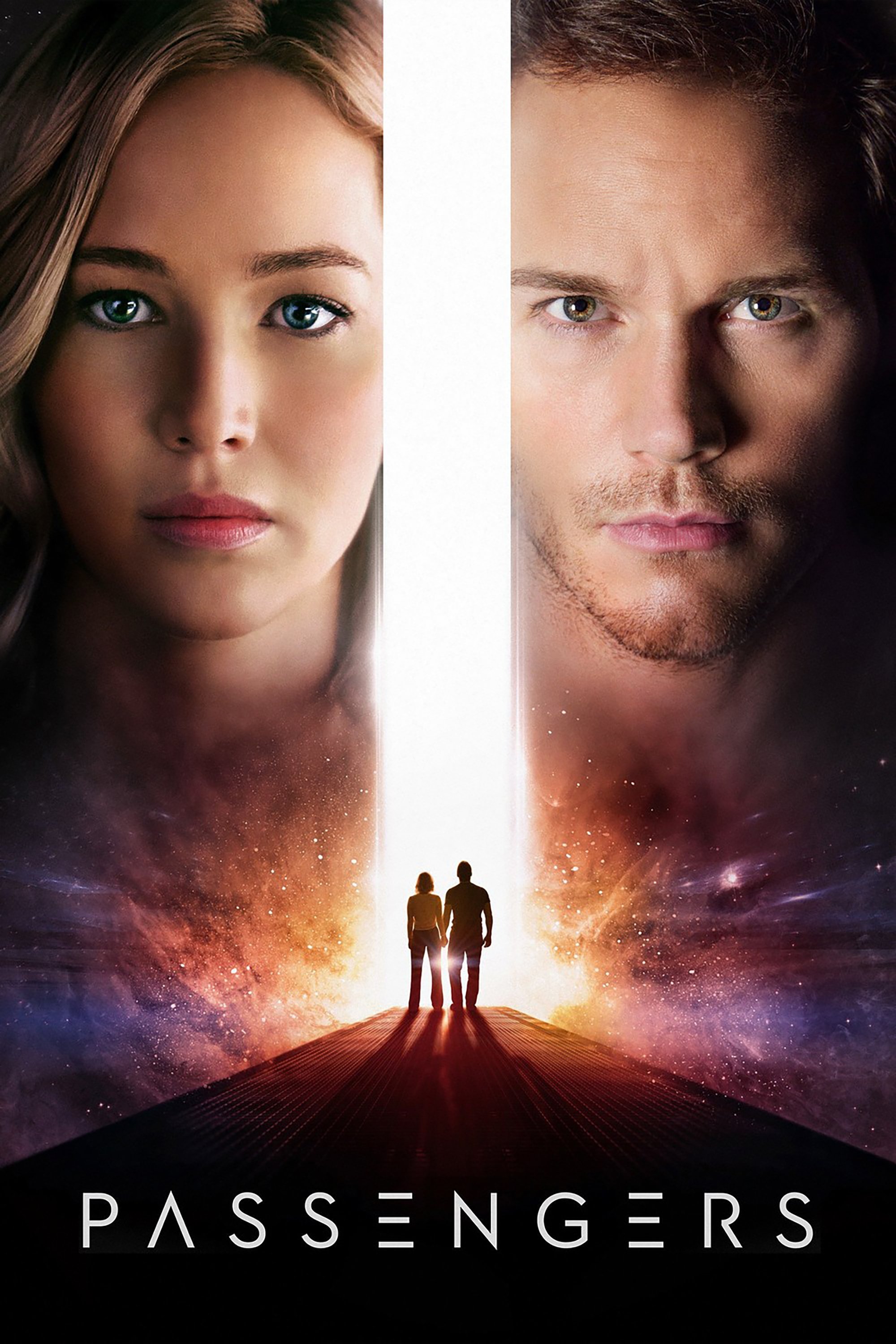
- Director: Morten Tyldum · Writer: Jon Spaihts
- Studio / distributor: Columbia Pictures; Village Roadshow Pictures; Original Film
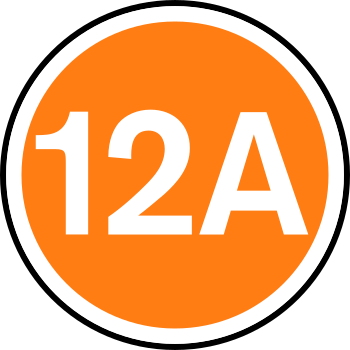
- Genre: Science fiction romance / space survival drama · Runtime: 116 minutes (BBFC 12A)
- Main cast: Jennifer Lawrence (Silver Linings Playbook, The Hunger Games) as Aurora Lane; Chris Pratt (Guardians of the Galaxy, Jurassic World) as Jim Preston; Michael Sheen (Frost/Nixon, The Queen) as Arthur; Laurence Fishburne (The Matrix, Apocalypse Now) as Gus Mancuso
- IMDb: 7.0 / 10 · Rotten Tomatoes: 31% critics / 63% audience · My rating: 8 / 10
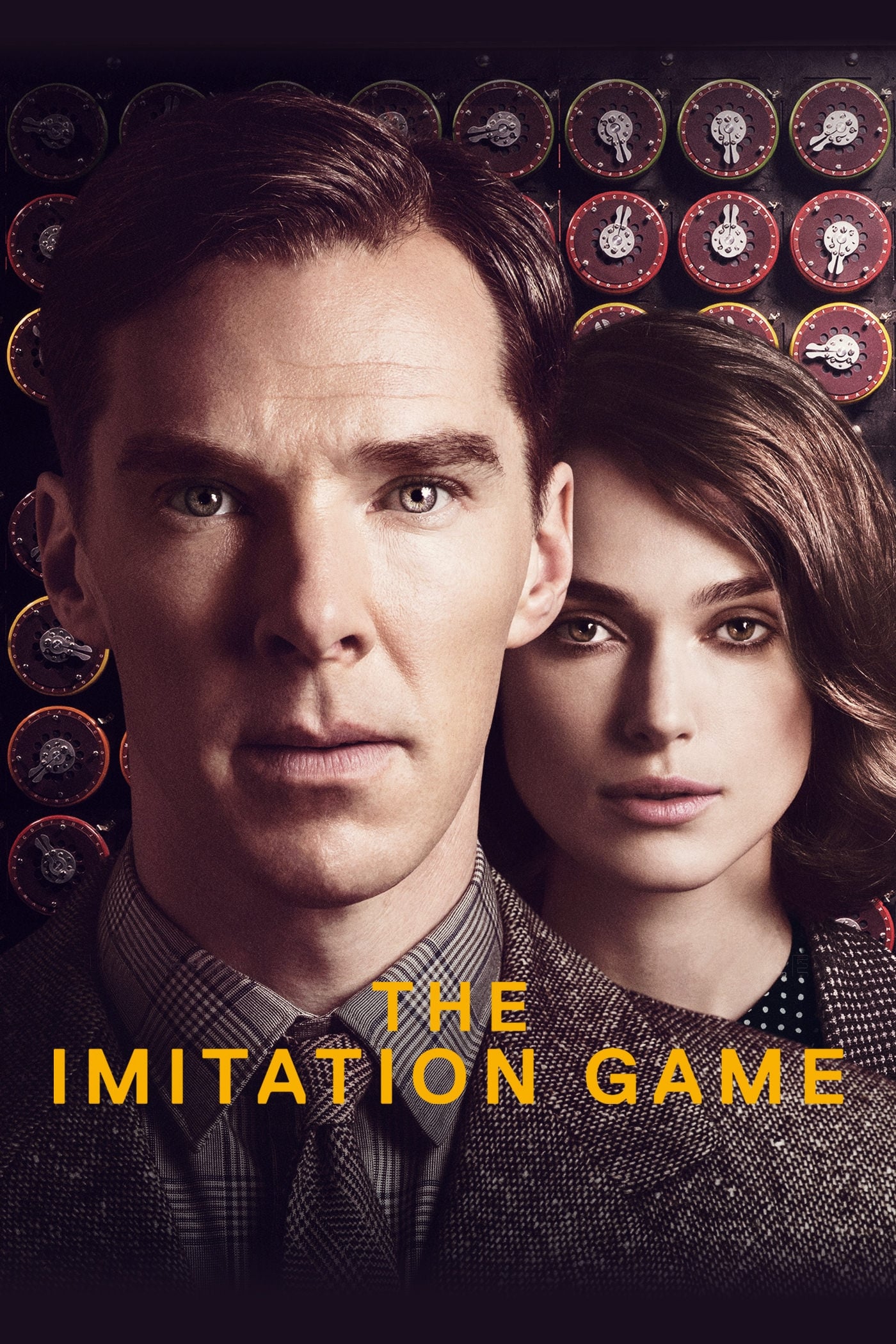
There is a version of Passengers that the trailers are selling, and it is the wrong one. The marketing wants you to expect Jennifer Lawrence and Chris Pratt, two of the most bankable faces of the moment, falling in love among the stars. The film that Jon Spaihts actually wrote, and that Morten Tyldum has directed two years on from the prestige hush of The Imitation Game, is colder and more troubling than that, and the gap between the two is where most of the argument about this film is going to be fought.
The setup
The starship Avalon is ninety years into a hundred-and-twenty-year crossing to a colony world, its five thousand passengers and crew asleep in hibernation pods. A fault wakes one of them, the engineer Jim Preston (Chris Pratt), three decades early. He has the run of a gleaming liner built for thousands and not one other living soul to share it with, save Arthur (Michael Sheen), an android bartender polished to a mirror finish and incapable of solving his problem. A year of that solitude does something to a man, and the decision Jim then makes about a sleeping writer named Aurora Lane (Jennifer Lawrence) is the act the whole film hangs on. I will not spell it out here, but it is not a small thing, and the film knows it.
The cast
This is a near two-hander, and it leans hard on the two leads being watchable alone. Pratt, stripped of the wisecracking armour he wears in Guardians of the Galaxy, turns out to have a real well of loneliness to draw on, and the long opening stretch, just one man rattling around an empty ship, is more affecting than I expected from him. Lawrence does the harder job. Aurora has to be luminous enough to justify the premise and then sharp enough to carry the reckoning when it comes, and Lawrence finds both without ever tipping into the brittle. Michael Sheen has the trickiest part of all, an android required to be warm, funny and faintly unsettling at once, and he is quietly the best thing in the film, a bartender who listens with too much understanding. Laurence Fishburne arrives late to lend the third act some gravity and a dose of plot mechanics, and his presence steadies a film that needs steadying by then.
The craft
Tyldum and his designers have built something genuinely lovely to sit inside. The Avalon is the most convincing piece of populated-future architecture I have seen in a while, all curved corridors, a grand atrium, a swimming pool that becomes a set piece when the artificial gravity falters, the whole thing modelled on the cruise liner rather than the battleship. Rodrigo Prieto shoots it with a clean, expensive sheen, and Thomas Newman’s score does a lot of the emotional carrying. The space-walk sequences have a real sense of scale and vertigo, and the slow physical failure of the ship in the back half gives the survival strand a proper engine. It is a handsome, controlled piece of film-making, and it never once looks cheap.
How it stacks up
The obvious shelf-mates are the recent run of grown-up space pictures: the lone-survivor ingenuity of The Martian, the doomed-mission intensity of Sunshine, the quiet melancholy of Oblivion, and further back the romance-in-the-machine tenderness that WALL-E found in a tidying robot. Passengers is reaching for the emotional register of those films while smuggling in a far thornier idea than any of them attempts. The closest comparison is actually the morally compromised love story, the kind where you are asked to want two people together while being shown exactly why you should not. That is rare in a film this expensive and this prettily packaged, and the friction between the gloss and the guilt is the most interesting thing it does.
Critics versus the rest of us
The critics are not having it. The Rotten Tomatoes figure sits down around 31%, and almost all of the disapproval lands on the central decision and on the way the third act, some feel, lets that decision off too lightly. The audience number is twice as high, just over 60%, and that split tells you most of what you need to know. The film has been read as endorsing something it actually spends most of its running time examining, and I think that reading does it a disservice. The screenplay does not pretend the act is fine. It lets it curdle, lets the consequences arrive, and asks the harder question of what you do once a thing cannot be undone. That is not the same as approving of it.
Verdict
I came out of Passengers arguing with it, which is more than most of the season’s releases have managed. It is beautifully built, the two leads are better than the premise had any right to expect, and the moral fault line at its centre is precisely what makes it stick rather than what sinks it. The film is not flawless. The final act softens where it might have pressed, and a closing run of incident does a little too much to buy back the audience’s goodwill. But it is intelligent, atmospheric science fiction that trusts you with an uncomfortable idea and a ship I would happily spend two hours aboard again. The critics have marked it down for the thing I admire most about it. 8⁄10.
Availability: On general release in UK cinemas now, from 21 December, and worth the big screen for the scale of the Avalon and the space-walk sequences.
Update
Added since this review first appeared: the central controversy has, if anything, hardened into the received view of the film, and it remains the first thing anyone says about it. It has settled as a divisive cult favourite rather than the date-night blockbuster it was sold as, helped along by a fan re-edit that reorders the story to begin from Aurora’s perspective, which sharpens exactly the discomfort the marketing tried to hide. It is now widely available on disc and digital and turns up regularly on the streaming services.
BBFC content advice
Rated 12A by the BBFC for moderate threat, brief injury detail, sexual activity. The notes below may contain spoilers.
The BBFC classified Passengers (2016) 12A with the short consumer advice moderate threat, brief injury detail, sexual activity. The full category-by-category Content Advice could not be retrieved from the BBFC release page at the time of writing, so only the published age rating and consumer advice line are reproduced here. In broad terms the rating reflects sequences of peril aboard the failing ship, brief sight of an injury, and discreet, non-explicit sexual activity between the two leads.
Source: British Board of Film Classification (bbfc.co.uk).