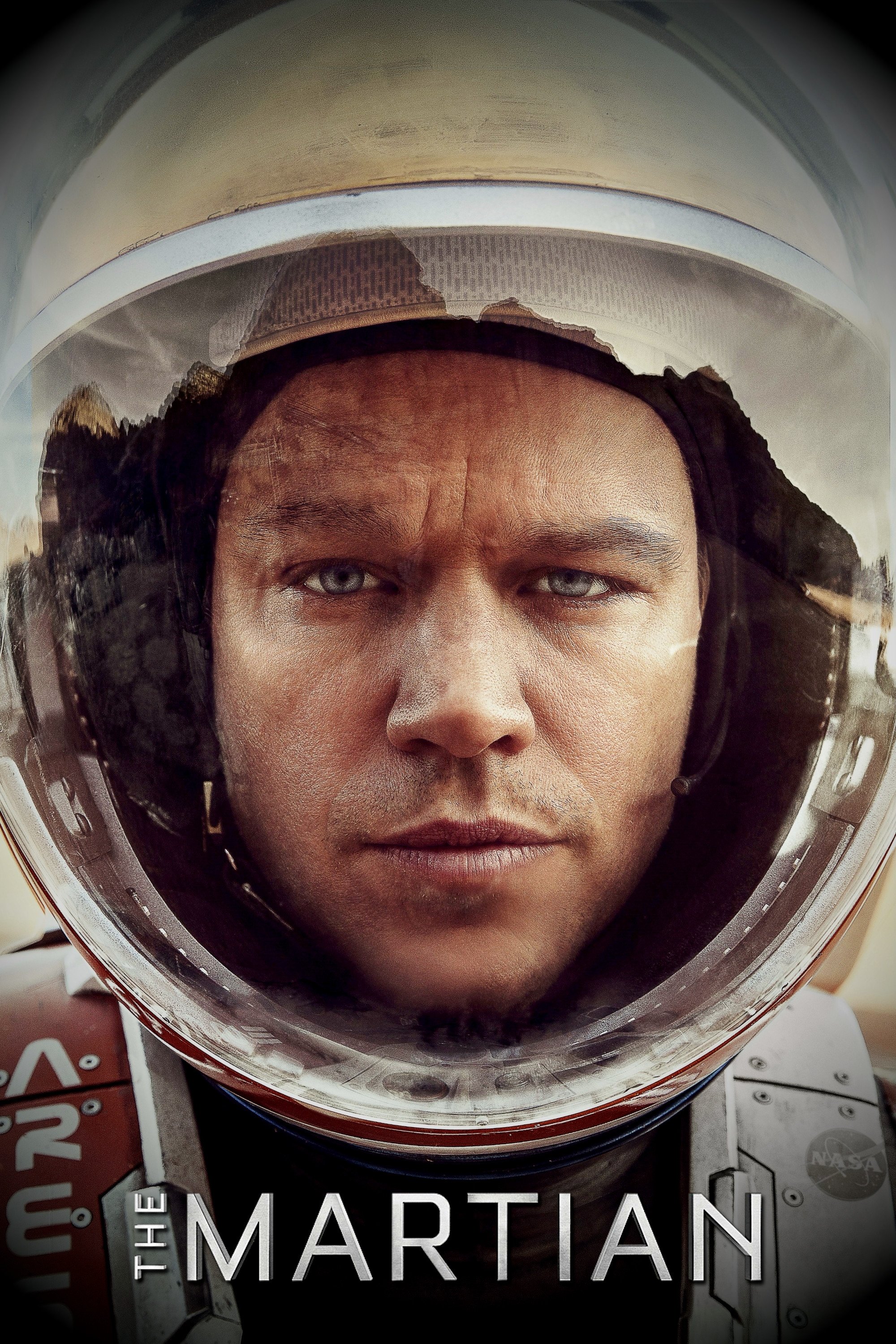

- UK release: September 2015
- Director: Ridley Scott · Writer: Drew Goddard (from the novel by Andy Weir)
- Studio / distributor: 20th Century Fox; Scott Free Productions
- Genre: Science fiction survival adventure · Runtime: 144 minutes (BBFC 12A)
- Main cast: Matt Damon (Good Will Hunting, The Bourne Identity) as Mark Watney; Jessica Chastain (Zero Dark Thirty) as Melissa Lewis; Chiwetel Ejiofor (12 Years a Slave) as Vincent Kapoor; Jeff Daniels (Dumb and Dumber) as Teddy Sanders
- IMDb: 8.0 / 10 · Rotten Tomatoes: 91% critics / 91% audience · My rating: 9.5 / 10
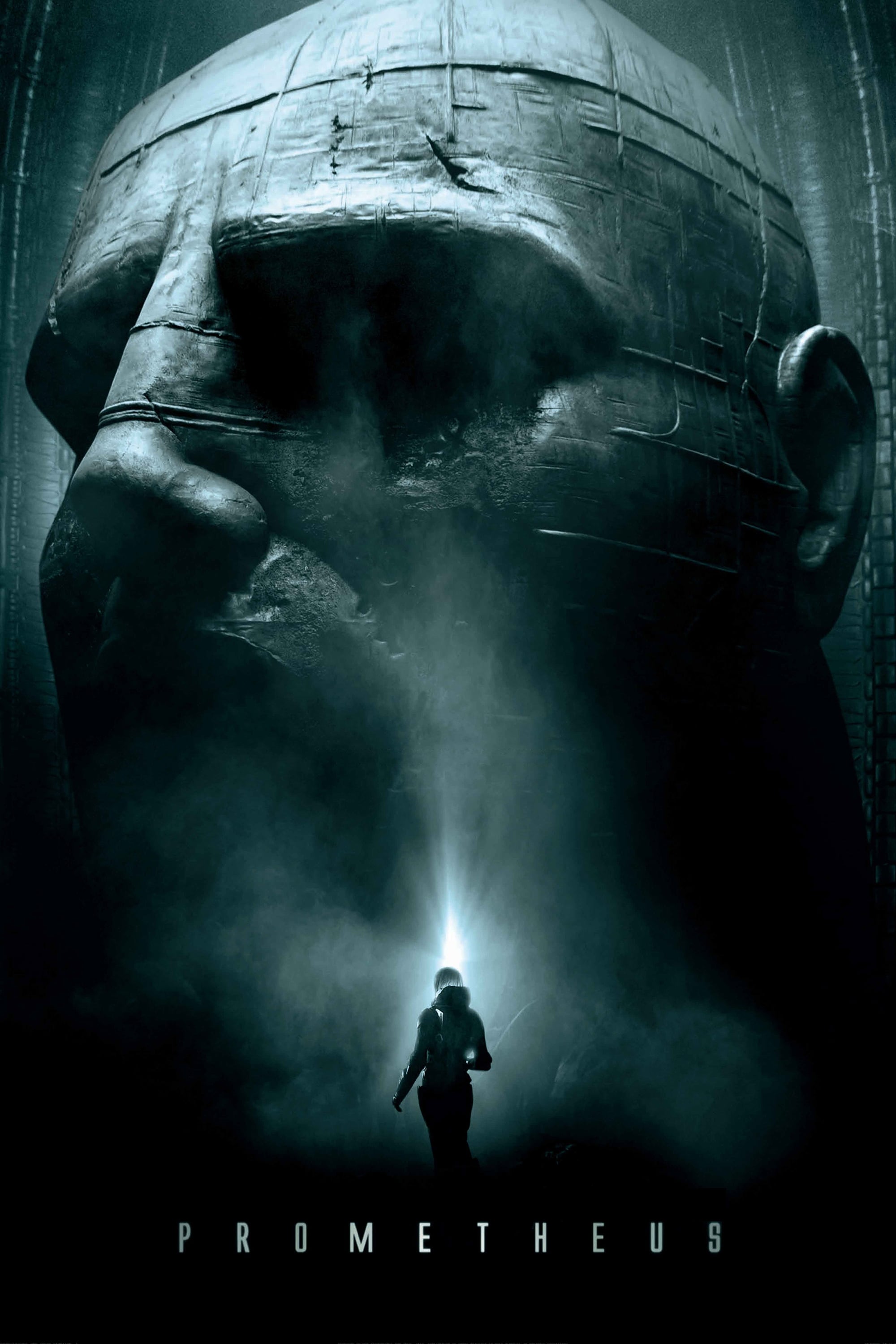
Ridley Scott has spent most of his career making space a place you do not want to be. Alien turned a spacecraft into a haunted house, and Prometheus dragged the same dread out to the edge of the solar system. So there is a small thrill in watching him make a film where space is a problem to be solved rather than a thing to be feared, and where the hero’s main weapon is not a flamethrower but a working knowledge of botany. The Martian is the sunniest, most genuinely entertaining film Scott has put his name to in a long while, and it gets there by trusting that watching a clever person think is more gripping than watching a frightened one run.
The setup
A NASA crew on the surface of Mars is caught in a storm fierce enough to threaten their ascent vehicle. In the scramble to leave, astronaut Mark Watney (Matt Damon) is struck by debris, lost from view and presumed dead, and his commander makes the call to launch without him. He is not dead. He wakes alone on a planet with no one else on it, a habitat built to last a month, and a rescue that, if it comes at all, is years away. What follows is a survival story told as a series of engineering problems: how to make water, how to grow food in dead soil, how to tell Earth you are still breathing when every system you need was never designed for the job. It is a robinsonade with a slide rule, and the pleasure is in watching the sums come out.
The cast
This is Matt Damon carrying a film almost single-handed, much of it as a video diary spoken to a camera, and it is the most likeable he has been in years. Watney meets catastrophe with sarcasm and stubborn good humour, and Damon makes the optimism feel earned rather than scripted, a man keeping the fear at arm’s length by staying busy. Back on Earth and in orbit, the ensemble is deep enough to be distracting in a good way. Jessica Chastain gives Commander Lewis the weight of a decision she has to live with, Chiwetel Ejiofor brings quiet decency to the NASA man running the rescue, and Jeff Daniels is well cast as the administrator weighing one life against the optics of losing it on camera. Nobody is wasted, and nobody is a villain, which is rarer than it sounds.
The craft
Dariusz Wolski shoots Mars (Wadi Rum standing in for it) as a beautiful, indifferent desert, all rust and pale sky, and Scott resists the urge to make it menacing. The film is clean, bright and unfussy, with a confidence in its own pacing that lets a long stretch of a man planting potatoes hold the screen. The editing keeps three or four storylines turning at once without losing the thread, and the science is presented as something to enjoy rather than skip over. Harry Gregson-Williams scores it with restraint, and the soundtrack’s running joke, a marooned astronaut stuck with his commander’s disco collection, gives the film a lightness that survival pictures rarely allow themselves. At 144 minutes it never sags, because there is always another problem to be cracked.
How it stacks up
The obvious neighbours are Apollo 13 and Gravity, and The Martian sits comfortably between them. It shares Apollo 13’s faith in procedure and teamwork, the drama of clever people in a room solving the unsolvable, and it shares Gravity’s sense of one body alone in a hostile vacuum. Where it parts company with both is tone: Cast Away is the closer cousin for the lone-survivor ingenuity, but where that film was sombre, this one is buoyant. Set against Scott’s own Prometheus, it is almost a rebuke, a reminder that he can do wonder without doom. It is the warmest hard-ish science fiction since Apollo 13, and it wears its competence as entertainment.
Critics versus the rest of us
For once critics and audiences are in lockstep, both around 91%, and the praise lands on the same things: the humour, the problem-solving, the optimism, and Damon. The only quibble worth airing is that the film is almost frictionless, that Watney’s setbacks are obstacles rather than genuine despair, and that the science occasionally tidies itself a little too neatly. That is true, and I do not much care. The film knows what it is and never pretends to be a grim meditation on isolation. It is a crowd-pleaser with a brain, and the rare one that flatters the audience’s intelligence rather than its appetite for spectacle.
Verdict
This is squarely my kind of film: intelligent science fiction that respects the audience, built on technology and ingenuity rather than mysticism, with a hero who wins by thinking. It is funny without being flippant, gorgeous to look at, and the sort of thing I will happily put on again knowing exactly how it ends, which for me is the real test. The slight lack of jeopardy keeps it a notch below perfect, but only a notch. Scott has made his most likeable film in a decade, and one of the best science fiction films of the year. 9.5⁄10.
Availability: On general release in UK cinemas now, in 2D, 3D and IMAX. Worth the bigger screen for the Martian vistas.
Update
Added since this review first appeared: the film went on to be a major awards contender, taking the Golden Globe for best comedy or musical (a category placement that caused some amusement) and earning a clutch of Oscar nominations including best picture and best actor for Damon. It has settled into a reputation as one of the most rewatchable science fiction films of its decade and a high point of Scott’s late career. It is now widely available on disc and digital, and streams on Disney+ depending on your region.
BBFC content advice
Rated 12A by the BBFC for infrequent strong language, injury detail. The notes below may contain spoilers.
Language: There are two clearly spoken uses of strong language (‘f**k’) and further mouthed uses. There are also obscured written uses of strong language, with asterisks replacing some of the letters, and references to the ‘f-word’. Other bad language includes uses of ‘Christ’, ‘Jesus’, ‘hell’, ‘damn, ‘goddamn’, ‘shit’, ‘asshole’ and ‘dick-punch’.
Injury detail: In the aftermath of a catastrophic accident, a character regains consciousness and finds a metal spike has pierced his abdomen. There is some blood around the entry point and blood is also seen when he performs surgery on himself. The bloody images are brief and the focus is on the character’s calmness and resourcefulness.
Additional issues: There are also sequences of tension as the astronaut tries to deal with his predicament in a hostile environment and in the daring attempts to rescue him.
Source: British Board of Film Classification (bbfc.co.uk).