- UK release: August 2017
- Director: Luc Besson · Writer: Luc Besson
- Studio / distributor: EuropaCorp; STXfilms; Fundamental Films
- Genre: Space opera / science fiction adventure · Runtime: 137 minutes (BBFC 12A)
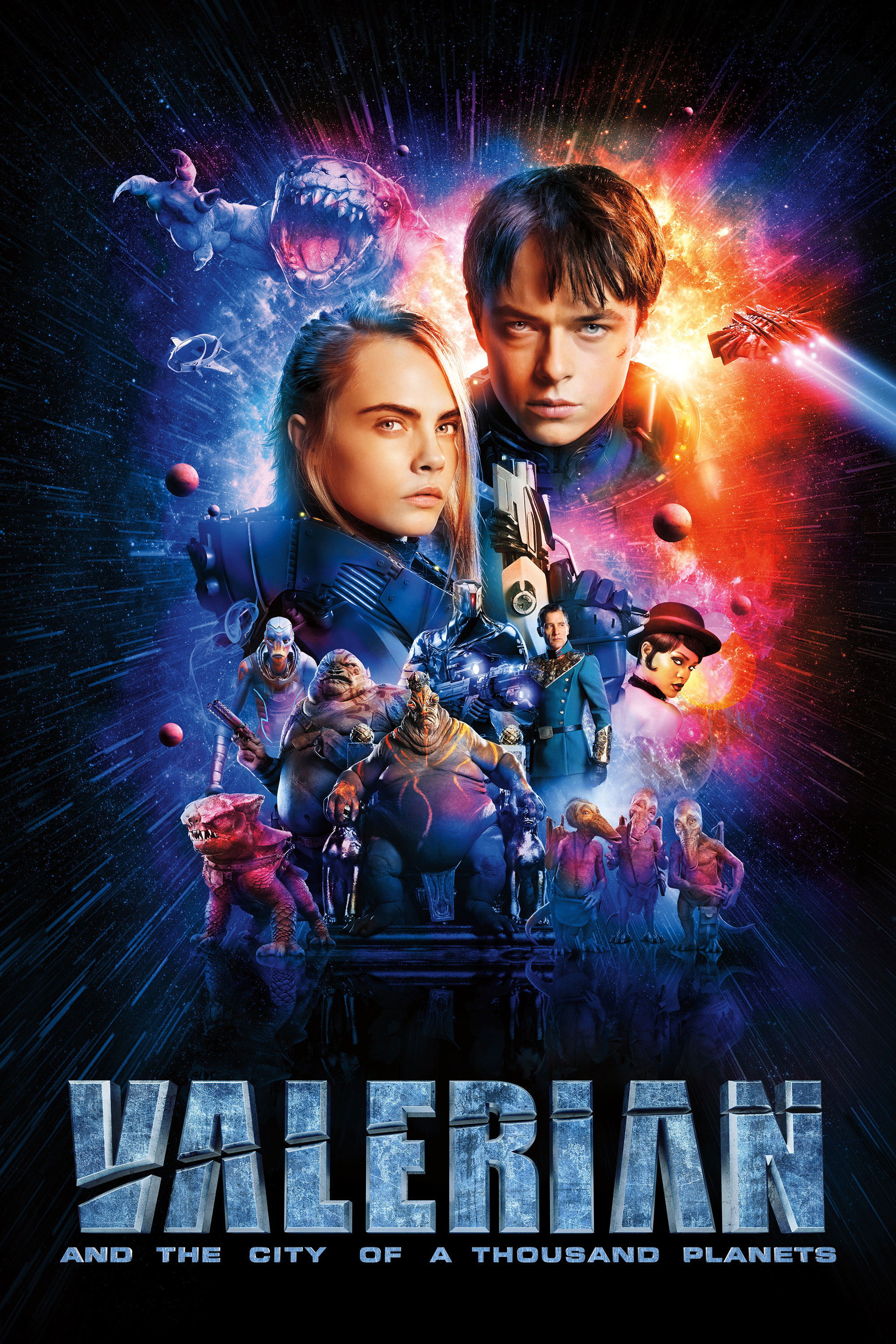
- Main cast: Dane DeHaan (Chronicle) as Valerian; Cara Delevingne (Paper Towns) as Laureline; Clive Owen (Children of Men, The International) as Commander Arün Filitt; Rihanna (Battleship) as Bubble
- IMDb: 6.4 / 10 · Rotten Tomatoes: 48% critics / 53% audience · My rating: 7.5 / 10
Luc Besson has been waiting most of his life to make this film. He read Valérian and Laureline, the Pierre Christin and Jean-Claude Mézières comic, as a boy in the 1970s, and he has been borrowing from it ever since: a fair amount of The Fifth Element, his giddy 1997 space opera, started life in those panels. Now, with a reported budget north of two hundred million dollars and the heaviest digital toolkit money can rent, he has finally filmed the source itself. The result is the most expensive independent film ever made in Europe, and it shows in every frame. Whether the people walking around inside all that money are worth watching is the question the film keeps not quite answering.
The setup
Valerian (Dane DeHaan) and Laureline (Cara Delevingne) are special operatives for the human government of the twenty-eighth century, a pair of space-and-time agents with a flirtatious working relationship and a knack for ending up where the trouble is. Their latest assignment takes them to Alpha, the City of a Thousand Planets, a station that began as a humble orbital outpost and grew over centuries into a drifting metropolis housing millions of beings from thousands of species. Something at the heart of Alpha is dying, a dead zone is spreading, and the agents are sent to protect their commander and find out why. What they uncover ties back to a peaceful world destroyed years earlier, and to a cover-up reaching higher than either of them expects.
The cast
This is where the film wobbles. DeHaan, so unsettling in Chronicle, is asked to play a swaggering ladykiller and instead reads as a sulky teenager doing an impression of one; the cocksure narration the part needs never arrives in his voice. Delevingne fares better, and Laureline is plainly the sharper and more capable of the two, which the film knows even when it forgets to let her drive. The chemistry the romance depends on is thin, and you feel the absence of it whenever the plot pauses for banter. Clive Owen brings his usual granite authority to Commander Filitt and does the heavy lifting in the quieter scenes. The most alive thing in the picture is Rihanna’s Bubble, a shape-shifting cabaret performer whose single extended set-piece has more personality than the leads manage between them across two hours.
The craft
Set the people aside and the film is a marvel. Besson and his cinematographer Thierry Arbogast build an opening run on Alpha that ranks with anything in modern science fiction: a wordless montage of first contacts across the centuries, then a heist staged across two overlapping dimensions, where Valerian reaches through a wall in one world to grab an object in another. The creature and world design is overflowing, generous, sometimes overwhelming, the work of an imagination that simply refuses to stop inventing. Alexandre Desplat’s score carries the wonder the script cannot, and the pacing, slack in the middle stretches, never lets the spectacle fully stall. It is a film you watch with your eyes wide and your brain only half engaged, which is both the pleasure and the problem.
How it stacks up
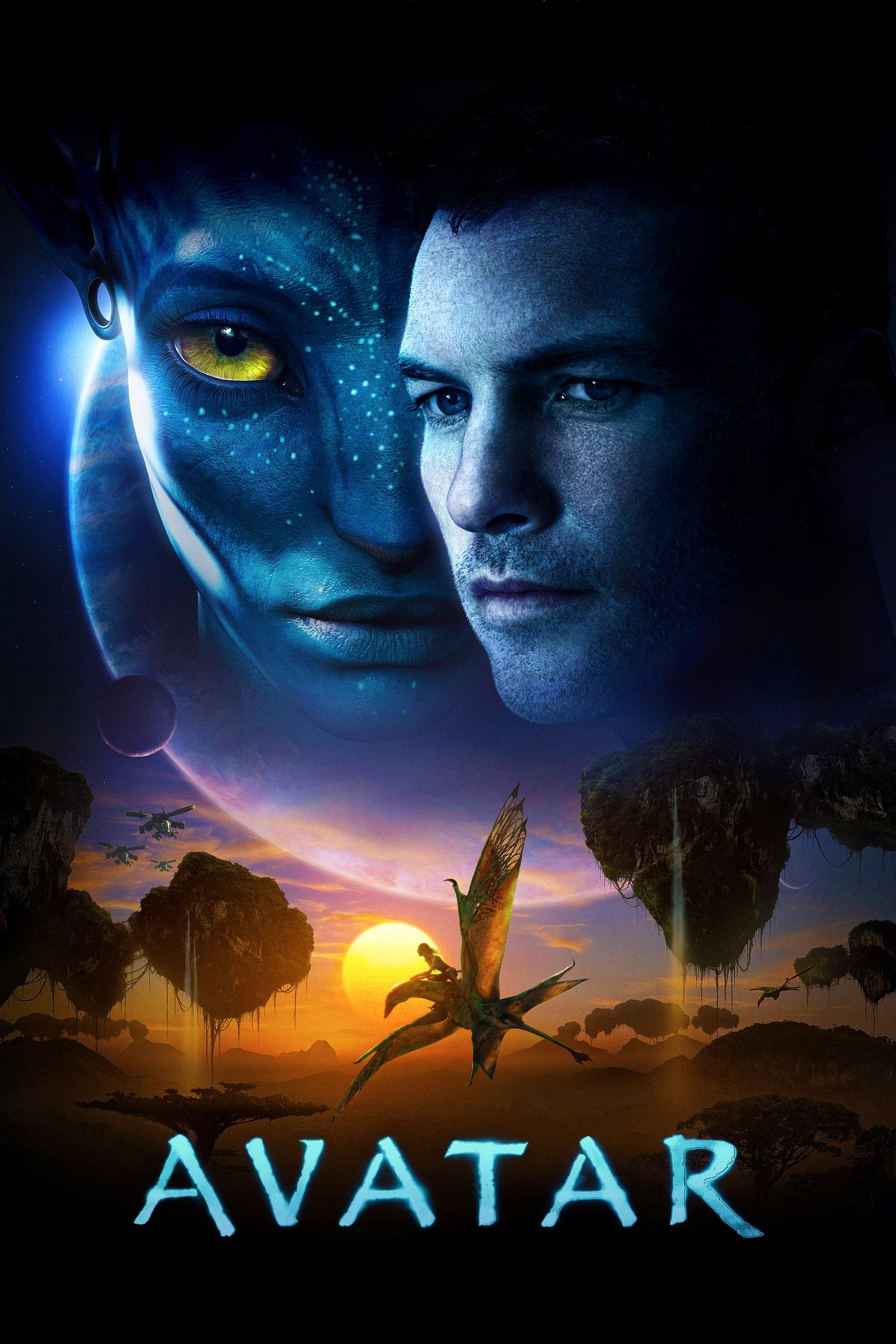
The obvious comparison is Besson’s own The Fifth Element, and Valerian is the more sophisticated film to look at and the lesser one to sit through, because Bruce Willis and Milla Jovovich gave that earlier picture a centre this one lacks. It shares DNA with Guardians of the Galaxy, another raucous comic-book space opera, but without that film’s gift for making you care about its misfits. And it stands as the answer to John Carter, the last lavishly mounted, fatally miscast space adventure to spend a fortune and find no audience. Where it comes closest to greatness is in the company of Avatar: both are world-builders first and storytellers second, both ask you to forgive a thin plot in exchange for somewhere new to stand.
Critics versus the rest of us
Critics are unconvinced, sitting at 48%, with audiences only a little warmer at 53%, and the complaint is consistent: gorgeous to behold, hollow at the heart, undone by two leads who never spark. That is a fair reading of the film’s faults, and I will not pretend the casting works. But the critical scores undersell what is on the screen. A lot of competent, forgettable science fiction scores higher than this and leaves nothing behind; Valerian is a flawed film you actually remember, which to my mind is the rarer and more valuable thing.
Verdict
I value world-building, design and the pleasure of a film that shows me something I have not seen, and on those counts Valerian delivers more than its reputation allows. The leads are a real problem, the middle sags, and the romance never catches light. None of that cancels out the opening twenty minutes, the dimension-crossing market, Bubble’s turn, or the sheer density of invention in every alien corridor. It is a film I would happily put back on for the spectacle alone, knowing exactly where it falls short, and that rewatchability counts for a lot with me. 7.5⁄10.
Availability: On general release in UK cinemas now. Worth the largest 3D screen you can find, where the layered design lands hardest.
Update
Added since this review first appeared: the film’s heavy losses effectively ended Luc Besson’s EuropaCorp as the force it had been, and the planned trilogy never materialised, so this remains a standalone. Its reputation has softened into that of a glorious, expensive curio, the kind of ambitious flop that builds a quiet cult on home formats. It is now widely available on Blu-ray, 4K UHD and digital, and turns up on streaming services depending on region.
BBFC content advice
Rated 12A by the BBFC for moderate violence, sex references, language. The notes below may contain spoilers.
Violence: Scenes include futuristic gunfights, dogfights in spacecraft, and occasional fistfights. In one scene, a woman punches a man repeatedly in the face.
Language: There is infrequent use of moderate bad language (‘prick’) and occasional use of mild bad language, including ‘shit’ and ‘ass’.
Sex: A man is propositioned by various women as he walks through an alleyway. He also witnesses a woman performing an extended dance routine in a number of revealing and sexualised outfits.
Additional issues: There are occasional scenes of mild threat, such as characters held at gunpoint or being chased by alien creatures.
Source: British Board of Film Classification (bbfc.co.uk).